Apple’s foldable iPhone Duo is here – and it’s immediately eyeing up the Samsung Z Fold series

A New Era for Apple Hardware
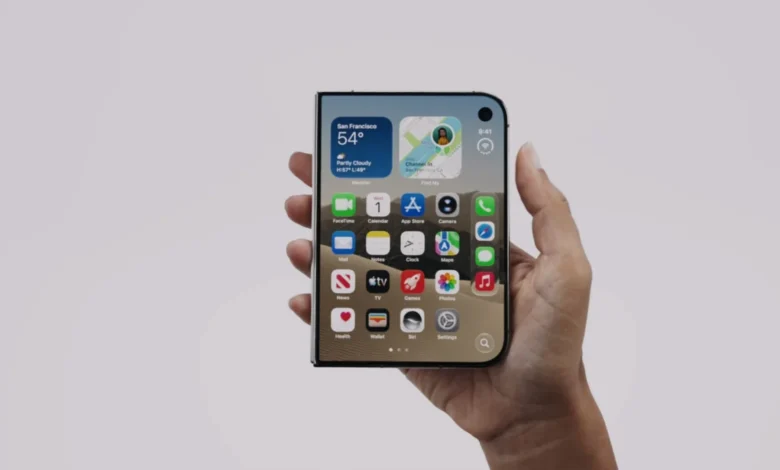
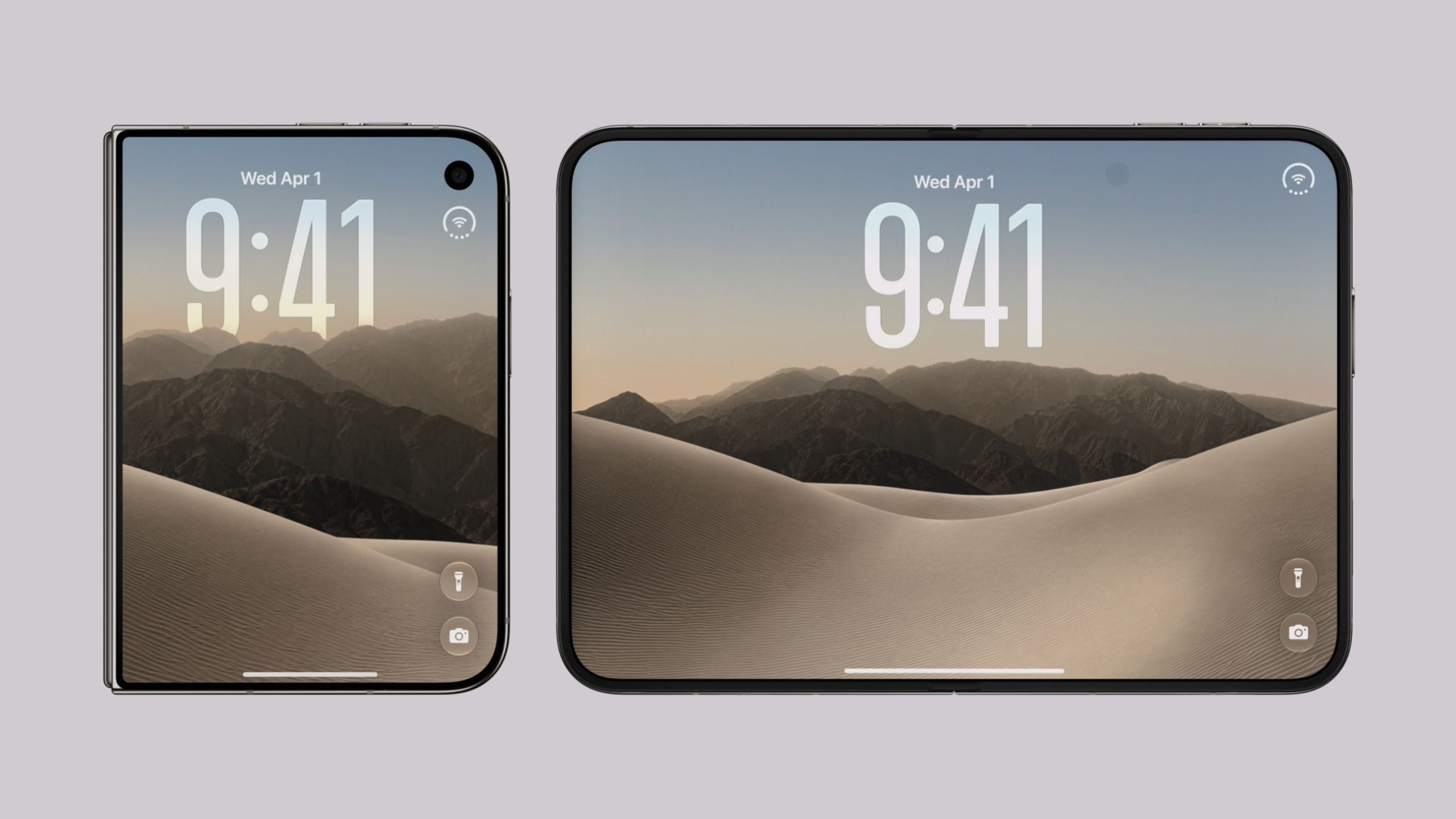
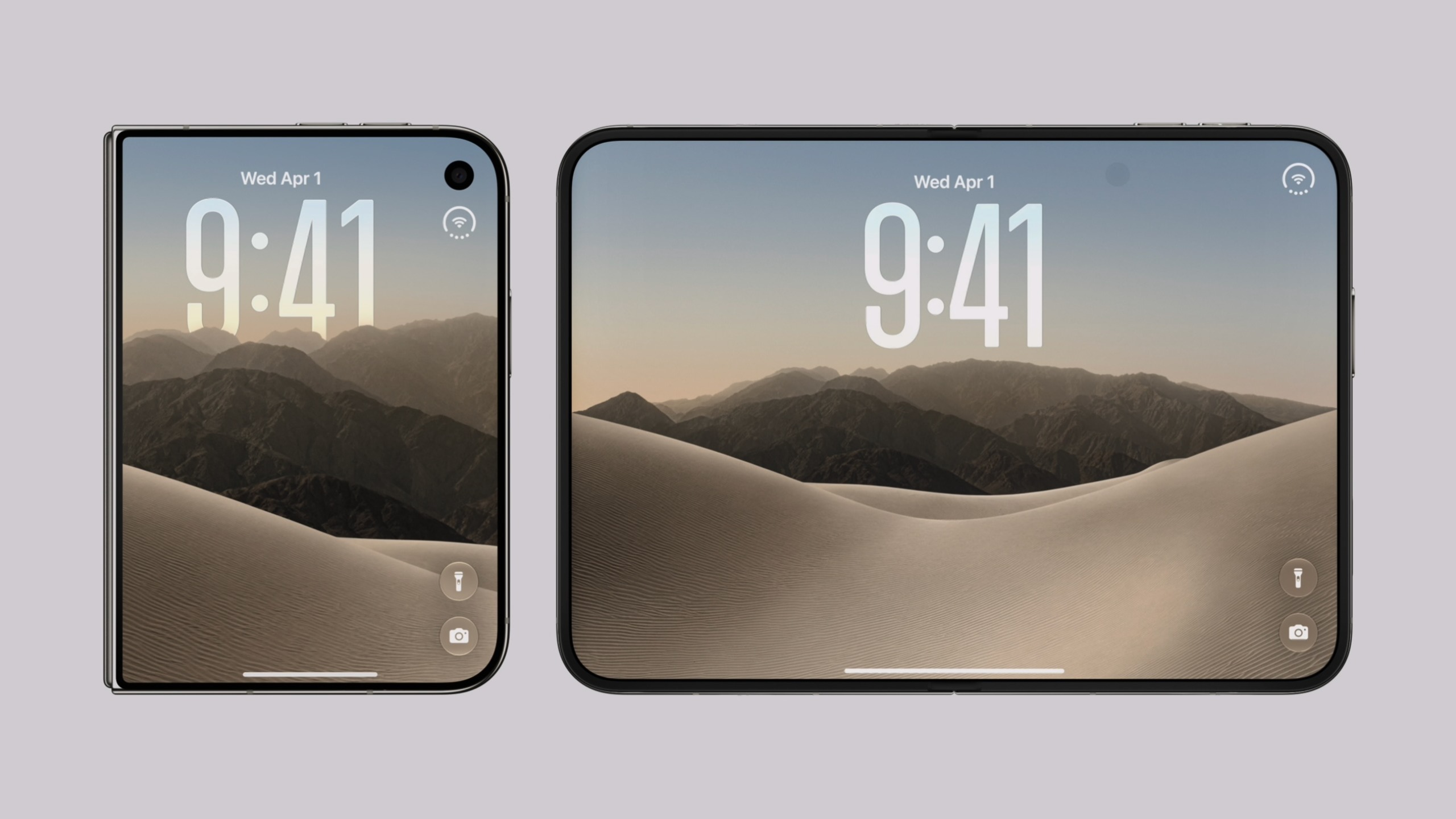
The iPhone Duo marks the end of years of speculation regarding Apple’s entry into the foldable space. While competitors like Samsung and Google have iterated through several generations of foldable technology, Apple has remained notably absent until now. The device is characterized by a passport-style hinge mechanism that unfolds to reveal a massive 7.6-inch inner display, while maintaining a 5.4-inch outer screen.
Apple’s design philosophy for the Duo centers on seamless continuity. By utilizing identical aspect ratios across both the outer and inner screens, the company has ensured that applications transition fluidly between states. This design choice is aimed at eliminating the jarring UI shifts that have historically plagued early foldable devices. The phone is powered by the A20 Pro chip—the same high-performance silicon driving the newly unveiled iPhone 18 Pro series—offering a claimed 35 percent improvement in sustained performance over the iPhone 17 Pro.
Engineering the Hinge and Display
At the heart of the device is a sophisticated titanium hinge mechanism composed of over 100 individual components. This assembly is reinforced by internal support ribs, designed to provide structural rigidity while ensuring the device remains thin and lightweight. Apple has introduced a specialized folding display panel that utilizes custom adhesives, allowing the screen layers to move independently during the folding process. This "book-like" movement is engineered to reduce tension on the display panel, a critical factor in long-term durability.
Furthermore, the display features a nano-texture finish specifically calibrated to minimize glare, providing high-fidelity viewing in various lighting conditions. With a peak outdoor brightness of 3,000 nits, the Duo matches the performance of the most advanced displays on the market, ensuring that even in direct sunlight, the visuals remain crisp and vibrant. Durability is bolstered by the introduction of the new "Ceramic Shield 2" on the front panel, which Apple reports offers three times the scratch resistance of previous iterations, paired with a standard Ceramic Shield back.
Software Integration and User Experience
The iPhone Duo launches with iOS 27, an operating system update specifically optimized for the foldable form factor. A notable departure from traditional iPhone layouts, iOS 27 shifts system controls to the edges of the display. This optimization is designed to maximize the utility of the large internal canvas, allowing for a more efficient multitasking environment.
Audio performance has also been re-engineered. The speakers are strategically placed at the top and bottom of the device to facilitate spatial audio, creating an immersive soundscape that complements the expansive display. This is particularly relevant for users who leverage the 7.6-inch screen for media consumption, gaming, or professional creative tasks.
Market Positioning and Competitive Landscape
The introduction of the iPhone Duo at a starting price of $1,999 (£1,999) places it firmly in the ultra-premium segment of the smartphone market. This pricing strategy aligns the device with its primary rival, the Samsung Galaxy Z Fold 8 Ultra. Industry analysts suggest that while the price point is prohibitive for the casual consumer, it targets "power users" and enterprise clients who value the productivity benefits of a dual-screen device.
The timing of this release is significant. By launching the Duo alongside the iPhone 18 Pro, Apple is creating a tiered ecosystem where the standard flagship caters to the traditional user base, while the Duo serves as a technology demonstrator and a high-end alternative for those seeking innovation. The integration of the A20 Pro chip ensures that, despite its unconventional form factor, the Duo does not compromise on computational power.
Technical Specifications and Battery Life
Battery management in a foldable device remains a significant challenge due to the varying power demands of the two displays. Apple has implemented a dynamic power distribution system that adjusts based on usage patterns. The device supports up to 31 hours of video playback when using the internal display exclusively, extending to 44 hours when relying on the more power-efficient outer display. For standard, mixed-usage scenarios, the device is rated for 24 hours of usage per charge.
The camera system on the iPhone Duo reflects the high-end nature of the device. It features a 48MP Fusion Main camera, a 48MP Fusion Ultra Wide lens, and an integrated optical-quality x2 Telephoto lens. This triple-camera array is designed to provide consistent photographic performance regardless of whether the user is capturing shots in the closed "phone" mode or the open "tablet" mode.
Industry Implications and Future Outlook
The entry of Apple into the foldable market is widely viewed as a "validator" for the category. While foldable phones have existed for years, they have often occupied a niche space within the broader smartphone industry. Apple’s participation is expected to drive mainstream adoption and incentivize further innovation in hinge durability, battery density, and software optimization.
CEO John Ternus described the release as "the most transformational change to iPhone since the original," a statement that underscores the company’s long-term commitment to this form factor. The success of the iPhone Duo will likely determine the pace at which Apple integrates folding technology into its broader product roadmap, potentially influencing future iterations of the iPad and even the MacBook.
The Road Ahead
As Apple begins shipping the iPhone Duo, the company faces the challenge of proving that its implementation of folding technology is more reliable than its competitors. The reliance on advanced materials like titanium and the new Ceramic Shield 2 suggests that Apple has prioritized longevity. However, the true test will lie in real-world performance over the coming months.
For consumers and industry observers alike, the launch of the iPhone Duo is more than just a new product release; it is a clear indicator that the smartphone market is entering a new phase of hardware evolution. As the industry moves toward more flexible and versatile devices, Apple’s entry ensures that the competition will intensify, likely leading to better, more affordable, and more durable foldable technology for all users in the years to come.
The focus for the next quarter will shift to how Apple manages production scaling for such a complex device and whether the software ecosystem—iOS 27—can continue to evolve to meet the unique demands of a foldable interface. With the iPhone 18 Pro and the Duo now officially on the market, the company has solidified its hardware portfolio for the next generation of mobile computing, setting a high bar for the rest of the industry to follow.