Dan Ayoub Takes Over as Wizards of the Coast and Hasbro Digital Games President Following Executive Reshuffle


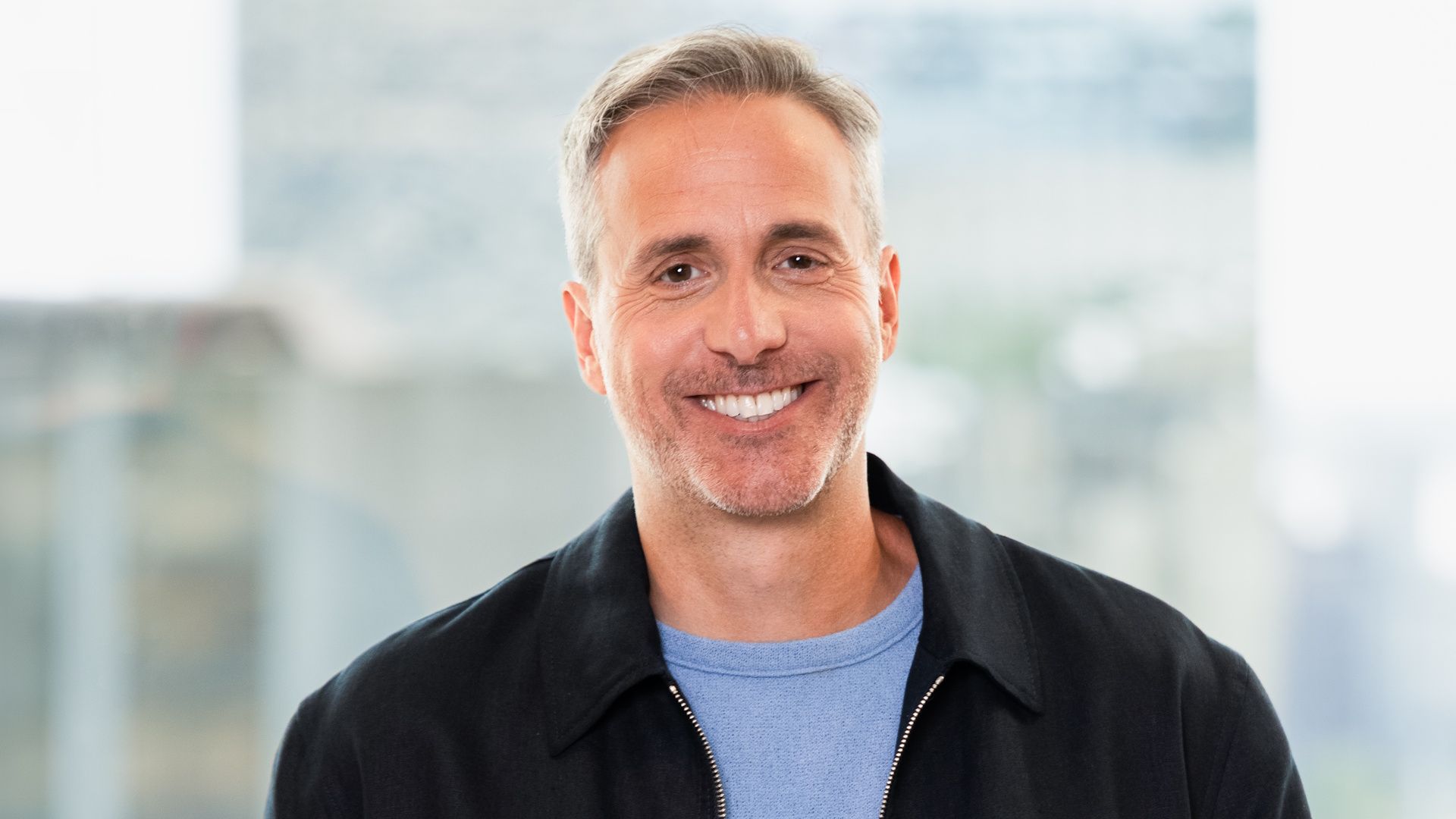
The corporate leadership structure at Wizards of the Coast and Hasbro Digital Games has undergone a significant transition with the promotion of Dan Ayoub to the position of president. Having previously served as the senior vice president of digital games at Wizards, Ayoub steps into the role to oversee the company’s most lucrative and culturally influential properties, including Magic: The Gathering, Dungeons & Dragons, Duel Masters, and the broader Hasbro Digital Games portfolio.
Ayoub assumes the leadership mantle previously held by John Hight, who stepped down from the position in July following a brief two-year tenure. Notably, Ayoub’s appointment marks a historic milestone for the company: following a rigorous global search process that evaluated dozens of candidates from both inside and outside the organization, he becomes the first internal candidate to be promoted to the role.
This leadership change occurs at a critical juncture for Hasbro’s interactive entertainment division. While the company achieved monumental commercial and critical success with the 2023 release of Larian Studios’ Baldur’s Gate 3, it has simultaneously faced broader turbulence in its digital expansion strategy, marked by project cancellations and shifting financial trajectories within the competitive games industry.
Background and Industry Pedigree of Dan Ayoub
Dan Ayoub brings an extensive track record in large-scale game development and studio management to his new position. Before joining Wizards of the Coast, Ayoub built a formidable reputation within the AAA games industry. Most notably, he served as an executive producer and studio head at 343 Industries, Microsoft’s flagship studio responsible for the iconic Halo franchise, where he managed significant hardware and software transitions for the sci-fi shooter series.
Furthermore, Ayoub spent over a year as the vice president and general manager of co-development studio Certain Affinity, contributing to high-profile industry collaborations. His deep familiarity with both first-party development pipelines and external publishing relations positioned him as a uniquely qualified candidate to bridge the gap between Hasbro’s traditional tabletop strongholds and its modern digital ambitions.
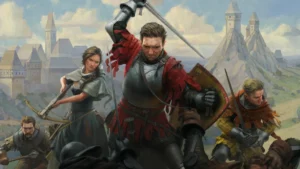
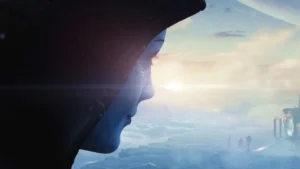
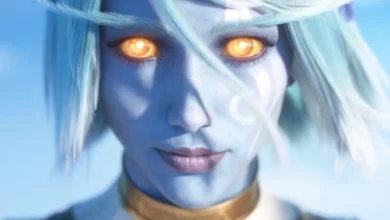
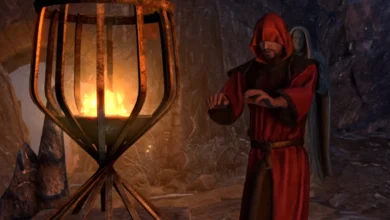
In his new capacity, Ayoub will directly oversee two of the most heavily anticipated video game projects currently in development under the Hasbro umbrella: Exodus, an ambitious science-fiction role-playing game drawing structural comparisons to Mass Effect, being developed by Archetype Entertainment; and Warlock: Dungeons and Dragons, a third-person action-adventure title currently in production at Invoke Studios.
The Departure of John Hight and the Executive Timeline
John Hight’s departure in July after just two years at the helm left a temporary vacuum at the top of Wizards of the Coast. Hight, a seasoned industry veteran who previously led franchises at Blizzard Entertainment including World of Warcraft, had taken over the division during a period of aggressive corporate restructuring. His short tenure was defined by an effort to capitalize on the massive momentum generated by Baldur’s Gate 3 and to institutionalize a more robust digital pipeline for Dungeons & Dragons and Magic: The Gathering.
Following Hight’s exit, Hasbro initiated what the corporation described as a comprehensive and rigorous search. Evaluating both external industry executives and internal leadership talent, the selection committee ultimately concluded that continuity and deep institutional knowledge were paramount. By promoting Ayoub, Hasbro opted for stability over an external overhaul, signaling confidence in the strategic direction Ayoub had already been steering as the head of digital games.
Financial Realities and Strategic Challenges
Despite the prestige surrounding its intellectual properties, Ayoub inherits a digital division navigating substantial economic headwinds. In the immediate aftermath of Baldur’s Gate 3, Hasbro leadership signaled an aggressive pivot toward video game development, aiming to replicate the massive windfalls of AAA development. However, translating tabletop mechanics into blockbuster digital experiences has proven both costly and volatile.
Earlier this year, Hasbro disclosed a staggering $56 million non-cash impairment charge. This financial hit was directly attributed to the cancellation of several unannounced video games that had been in early development phases and were originally slated for release in 2028 and beyond. The cancellations reflect a broader industry-wide correction, as major publishers pull back on speculative projects to focus resources on safer, high-certainty releases amidst rising development costs and shifting consumer behaviors.
For Ayoub, navigating these financial pressures will require a delicate balancing act. He must manage investor expectations for high-growth digital monetization while ensuring that long-term studio investments are insulated from reactionary cuts.
The Generative AI Debate and Creator Relations
Perhaps one of the most sensitive cultural issues Ayoub will have to navigate in his new role centers on the integration—or rejection—of generative artificial intelligence within creative pipelines. Hasbro CEO Chris Cocks has previously expressed a vocal, albeit complex, fascination with artificial intelligence, noting in interviews that while he personally uses AI-based tools in his own private tabletop campaigns to a degree that "would floor you," the consumer sentiment regarding the company’s commercial products remains staunchly opposed to automated content generation.
Cocks has publicly acknowledged that Hasbro is intentionally refraining from incorporating generative AI into Magic: The Gathering cards or core Dungeons & Dragons sourcebooks because the community "just doesn’t want it." Nevertheless, the CEO has maintained a pragmatic, if controversial, stance that the broader technology cannot be ignored indefinitely, stating that leadership "can’t stick [their] head in the sand" regarding the evolution of software tools.
Against this backdrop, Ayoub’s inaugural statements as president carried significant subtext. In his official acceptance remarks, Ayoub emphasized a commitment to putting fans first and explicitly highlighted the need to "respect the artists and creators who make these worlds come alive." Industry observers have interpreted this emphasis as a reassuring nod to the illustrators, writers, and designers who form the backbone of the D&D and MTG ecosystems, many of whom have expressed vocal anxieties regarding the potential displacement of human artistry by machine-learning models. How Ayoub balances corporate pressures to adopt efficiency-driving technologies with his stated commitment to human creators will serve as a definitive early test of his leadership style.
Future Outlook for Tabletop and Digital Integration
Looking ahead, Ayoub faces the monumental task of harmonizing Hasbro’s dual identities as a legacy tabletop powerhouse and an aspiring digital entertainment giant. Magic: The Gathering continues to operate as a financial juggernaut, driven by both traditional paper card sales and the continued growth of its digital client, Magic: The Gathering Arena. Meanwhile, Dungeons & Dragons is preparing for a future defined not just by rulebooks and miniatures, but by virtual tabletops, multi-media expansions, and high-profile video game adaptations.
In a statement outlining his vision for the future, Ayoub expressed enthusiasm for the journey ahead. "Magic and D&D have been part of my life for as long as I can remember, and the teams behind them are among the best in the world," Ayoub said. "We’ll put fans first, respect the artists and creators who make these worlds come alive, and set an ambitious course for growth across tabletop and digital. I can’t wait to get started."
As Ayoub takes the helm, the broader gaming and tabletop communities will be watching closely to see whether internal promotion translates into steady creative stewardship, or if the economic pressures facing the modern games industry will force difficult compromises. With major projects like Exodus and Warlock on the horizon, the stakes for Wizards of the Coast have never been higher.
Related posts: