Signal Ring Emerges as a Groundbreaking Wearable for Uncalibrated Blood Pressure Monitoring

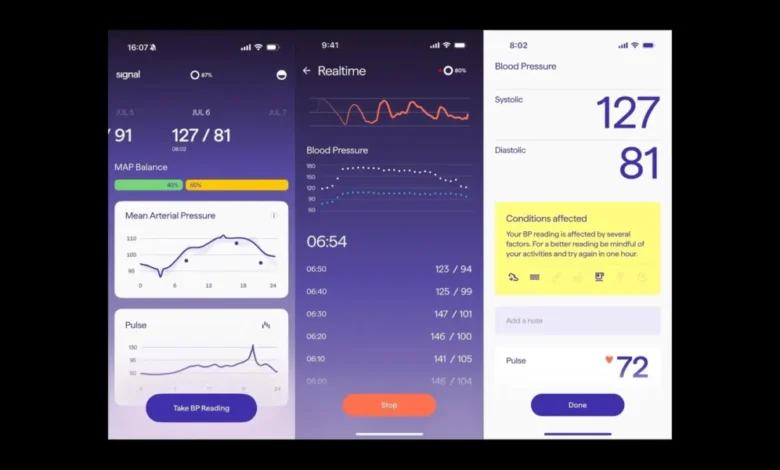
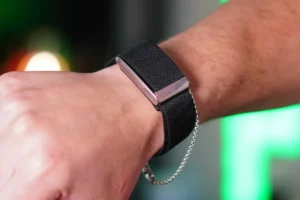
The landscape of personal health technology is witnessing a significant evolution with the introduction of the Signal Ring by Vital Signals, a new smart ring poised to deliver uncalibrated, direct systolic and diastolic blood pressure readings. This innovation marks a potential paradigm shift, as it promises to fill a critical gap left by existing wearable devices, including prominent offerings like the Apple Watch and the Oura Ring, which either provide alerts for potential hypertension or necessitate regular calibration against traditional cuff monitors. Slated for pre-sale today and aiming for October delivery at a price point of $399 with no subscription required, the Signal Ring’s emergence is particularly pertinent given the global health crisis posed by hypertension, often dubbed "the silent killer."
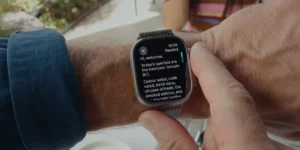
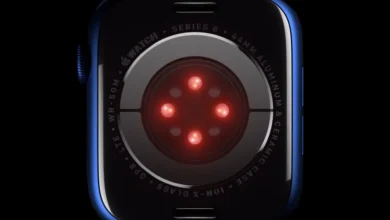
Current wearable technologies have made strides in personal health tracking, offering features from heart rate monitoring and ECG capabilities to sleep analysis and activity tracking. However, accurate and continuous blood pressure measurement from a discreet wearable has remained a formidable challenge. While five models of the Apple Watch, enabled by watchOS 26, can generate alerts for possible hypertension, they do not furnish users with actual blood pressure readings. Similarly, other smart rings and fitness devices that purport to offer blood pressure insights typically rely on a cumbersome process of periodic calibration with a conventional arm-cuff monitor to maintain accuracy. The Signal Ring, however, asserts its ability to provide full blood pressure measurements without any such calibration, a claim reportedly validated by a trial involving thousands of participants. This distinction positions the Signal Ring as a potentially transformative tool in the proactive management of cardiovascular health.
The Pervasive Threat of the ‘Silent Killer’: Hypertension
Understanding the significance of the Signal Ring necessitates an appreciation for the widespread and often insidious nature of blood pressure abnormalities. Both abnormally high blood pressure (hypertension) and low blood pressure (hypotension) carry considerable health risks. However, hypertension stands out as the more dangerous of the two, earning its ominous moniker, "the silent killer." This term reflects its capacity to inflict severe and irreversible damage to the arteries, heart, brain, kidneys, and eyes without manifesting any noticeable symptoms. It is alarmingly common for individuals to remain unaware of their hypertensive state until it culminates in a life-threatening event such as a heart attack, stroke, or severe kidney failure.
According to the World Health Organization (WHO), an estimated 1.28 billion adults aged 30-79 years worldwide have hypertension, with a significant proportion – approximately 46% – unaware that they have the condition. Furthermore, less than half of adults (42%) with hypertension are diagnosed and treated. In the United States, the Centers for Disease Control and Prevention (CDC) reports that nearly half of adults (122 million, or 47%) have hypertension, with only about 1 in 4 adults (24%) having their condition under control. These statistics underscore a critical global health challenge, highlighting the urgent need for more accessible, convenient, and accurate methods for continuous blood pressure monitoring. For older populations, in particular, regular blood pressure checks are strongly recommended. While home blood pressure cuffs are available and widely used, the prospect of fully automatic, unobtrusive monitoring via a device already worn daily represents an ideal solution for improving adherence and early detection.

Evolution of Wearable Blood Pressure Capabilities: A Comparative View
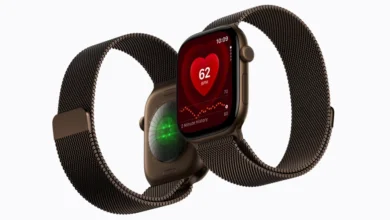
The journey towards reliable blood pressure monitoring in wearables has been incremental. The introduction of watchOS 26 has enabled five specific Apple Watch models to measure blood pressure, albeit with a particular methodology. These devices do not display explicit systolic and diastolic readings but instead focus on detecting patterns indicative of potential hypertension and subsequently sending alerts to the user. This approach, while valuable for raising awareness, stops short of providing the detailed, actionable data that many users and medical professionals desire for precise management. Other health-tracking devices, such as the Oura Ring, also operate within similar limitations, often focusing on broader physiological markers that can indirectly suggest cardiovascular strain rather than direct blood pressure measurements.
The existing fitness devices that do claim to provide actual blood pressure readings invariably come with a crucial caveat: they mandate regular calibration against a traditional blood pressure cuff. This requirement stems from the inherent complexities of accurately measuring blood pressure from a peripheral site like the wrist or finger, where arterial signals can be weaker and more susceptible to noise and movement artifacts compared to the brachial artery in the upper arm. The need for periodic calibration introduces an element of inconvenience, potentially deterring consistent use and undermining the promise of seamless, automatic monitoring. This is the precise void that Vital Signals aims to fill with its innovative Signal Ring, bypassing the calibration step entirely to offer a truly autonomous monitoring solution.
The Genesis of Vital Signals and Tom Moss’s Vision
The impetus behind Vital Signals and the development of the Signal Ring is deeply personal for its CEO, Tom Moss. As reported by Bloomberg, Moss’s journey into health technology was spurred by a near-fatal encounter with undiagnosed hypertension. This personal health scare illuminated for him the significant chasm in accessible and reliable consumer-grade blood pressure monitoring. "Fundamentally, there’s almost no real way for you to truly know your blood pressure as a consumer, and it’s kind of crazy," Moss stated, reflecting on his experience. His professional background is rooted in the tech industry, having previously contributed to drone manufacturer Skydio Inc. and hardware innovators Razer Inc. and Nextbit Systems. This rich experience in hardware development and consumer electronics provided him with the foundational expertise to tackle the complex engineering challenges of creating a medical-grade wearable.
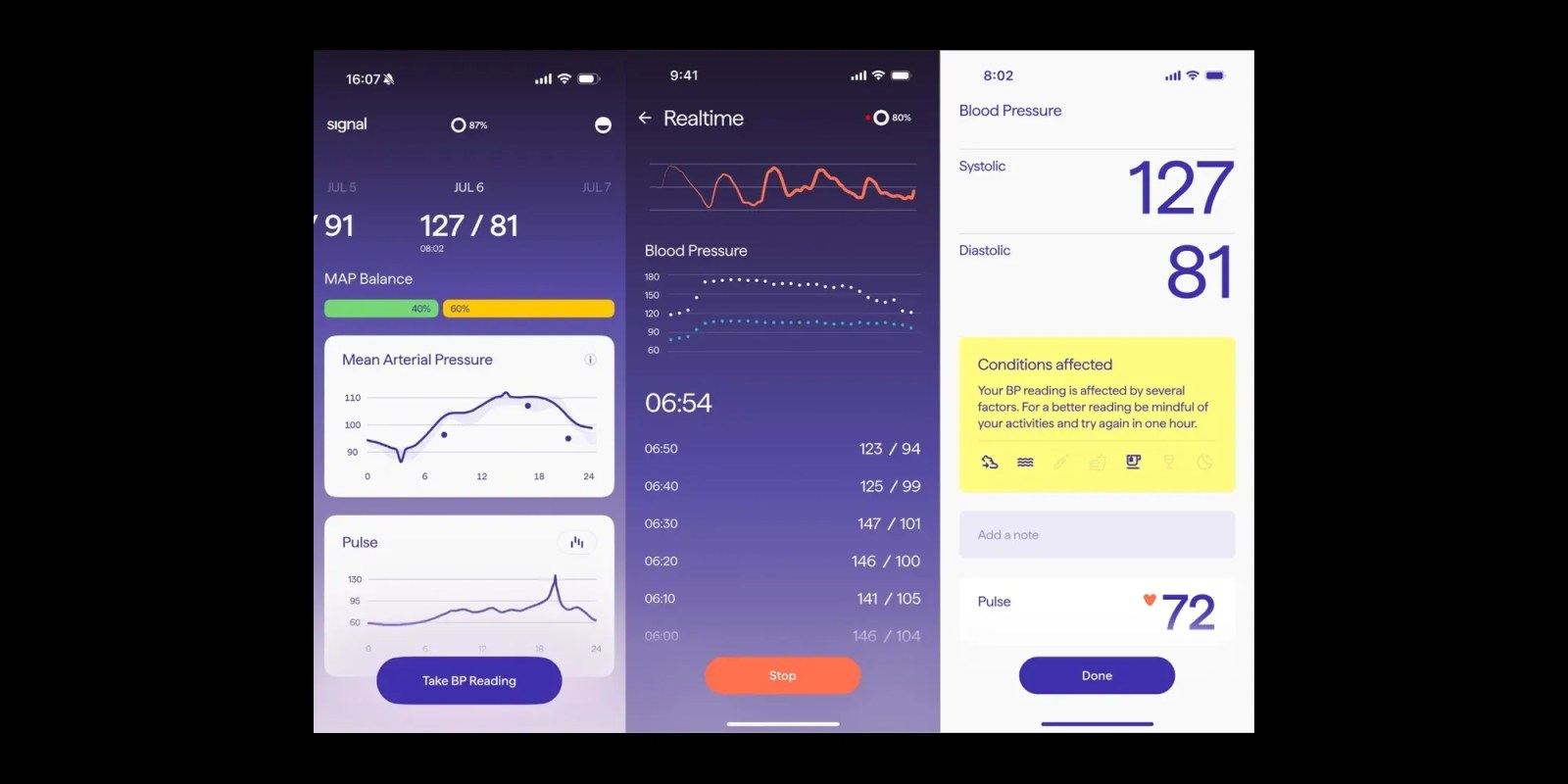
Inspired by his personal ordeal, Moss pivoted his career towards health technology, establishing Vital Signals with the explicit mission to democratize access to critical health data, starting with blood pressure. The company’s development timeline reflects a focused effort: from initial conception driven by Moss’s health insights, through rigorous research and development phases, culminating in extensive clinical trials to validate the device’s accuracy. The announcement of the Signal Ring’s pre-sale on July 16, 2026, with deliveries slated for October of the same year, marks a significant milestone in this endeavor. The ring’s companion app, showcased in promotional materials, promises to deliver not only live blood pressure readings but also comprehensive tracking capabilities over time, empowering users with a longitudinal view of their cardiovascular health trends.
Unpacking the Technology: A Leap in Biometric Sensing
While specific technical details of how the Signal Ring achieves uncalibrated blood pressure measurement are proprietary, the claim itself suggests a significant advancement in wearable biometric sensing. Traditional blood pressure cuffs rely on the oscillometric method, inflating to occlude an artery and then slowly deflating while detecting oscillations in arterial pressure. Miniaturizing this principle into a ring form factor is impractical. Instead, smart rings typically employ photoplethysmography (PPG) sensors, which use light to detect changes in blood volume in the capillaries under the skin.
The breakthrough for the Signal Ring likely lies in sophisticated algorithms and potentially the integration of multiple sensor types to infer blood pressure with high accuracy. This could involve enhanced PPG sensor arrays, perhaps combined with accelerometers to measure pulse wave velocity (PWV), a physiological parameter known to correlate with blood pressure and arterial stiffness. Advanced machine learning models, trained on vast datasets from thousands of participants in clinical trials, would be crucial for translating raw sensor data into reliable systolic and diastolic readings without the need for individual calibration. This would involve accounting for individual physiological variations, environmental factors, and movement artifacts, a monumental engineering and data science challenge. The success of the "thousands of participants" trial underscores the rigor applied in validating the device’s performance, a critical step for any health monitoring device seeking broad consumer adoption and, eventually, regulatory acceptance. The ability to achieve this in a compact, non-invasive form factor without requiring a subscription further enhances its appeal.
Strategic Market Positioning and Implications
Vital Signals’ approach to market positioning is notably strategic and pragmatic. Tom Moss acknowledges that the Signal Ring is not designed as a general-purpose fitness tracker or a direct competitor to all-encompassing wearables. Instead, he explicitly states that its specialized capabilities are best suited for specific demographics: older individuals and those who have been medically advised that they are at risk of hypertension. This candid assessment implies that while the Signal Ring excels in its core function of blood pressure monitoring, it may not offer the extensive suite of features found in devices like the Apple Watch or Oura Ring, such as comprehensive sleep tracking, diverse workout modes, or advanced recovery metrics.
Moss’s advice, "For younger, less-at-risk individuals or anyone confident their blood pressure is healthy, he has other advice: ‘Just buy an Oura or an Apple Watch,’" clearly delineates the target market. This specialization allows Vital Signals to focus its engineering and marketing efforts on a critical health need, rather than attempting to be a jack-of-all-trades. The $399 price point, without an ongoing subscription, also positions it as a significant investment in specialized health monitoring, appealing to users who prioritize this specific data over general wellness features. This contrasts with some other smart rings, which often pair a device purchase with a monthly subscription for full feature access. The Signal Ring’s value proposition is clear: precise, continuous, and uncalibrated blood pressure data for those who need it most, facilitating proactive health management and potentially averting serious cardiovascular events.

Regulatory Hurdles and Future Outlook
A crucial aspect for any device offering medical-grade health insights is regulatory clearance. The original article mentions that the Oura Ring does not yet have clearance from the US Food and Drug Administration (FDA) for blood pressure readings. This highlights a significant hurdle for all health wearables venturing into diagnostic or monitoring claims. For the Signal Ring to achieve widespread medical acceptance and integration into healthcare pathways, securing relevant regulatory approvals, such as FDA clearance in the United States or CE marking in Europe, will be paramount. Such clearances validate the device’s accuracy, reliability, and safety, distinguishing it from general wellness products. The clinical trials involving thousands of participants are a vital step towards demonstrating the evidence required for these regulatory bodies.
The broader impact of the Signal Ring could be substantial. If proven accurate and reliable under real-world conditions, it could revolutionize remote patient monitoring, allowing healthcare providers to continuously track blood pressure trends in at-risk patients without requiring frequent in-person visits or cumbersome home equipment. This could significantly improve patient outcomes, particularly for chronic conditions like hypertension, where consistent monitoring is key to effective management. Furthermore, the availability of such a device could spur innovation across the wearable tech industry, pushing tech giants like Apple, Samsung, and Google to accelerate their own efforts in developing more accurate and autonomous blood pressure monitoring solutions for their respective ecosystems.
However, the introduction of advanced health wearables also raises important considerations regarding data privacy and the interpretation of medical data. Users will need clear guidance on how to interpret their readings and when to consult a medical professional. Healthcare systems will need to adapt to integrate this new stream of continuous data effectively.
In conclusion, the Signal Ring represents a bold step forward in personal health technology, promising to deliver accurate, uncalibrated blood pressure readings in a discreet and convenient form factor. Born from a personal health crisis and backed by extensive trials, it addresses a critical unmet need in the ongoing battle against hypertension, the "silent killer." While regulatory pathways and long-term real-world performance will be key determinants of its ultimate success, the Signal Ring holds the potential to empower individuals with unprecedented insights into their cardiovascular health, thereby fostering a more proactive and preventative approach to well-being. Its specialized focus and innovative technology could indeed reshape the future of health monitoring, placing vital information directly at the fingertips of those who stand to benefit most.