Samsung Hit With $15 Million Fine in South Korea Over Misleading Gaming Performance Claims on Past-Gen Flagships


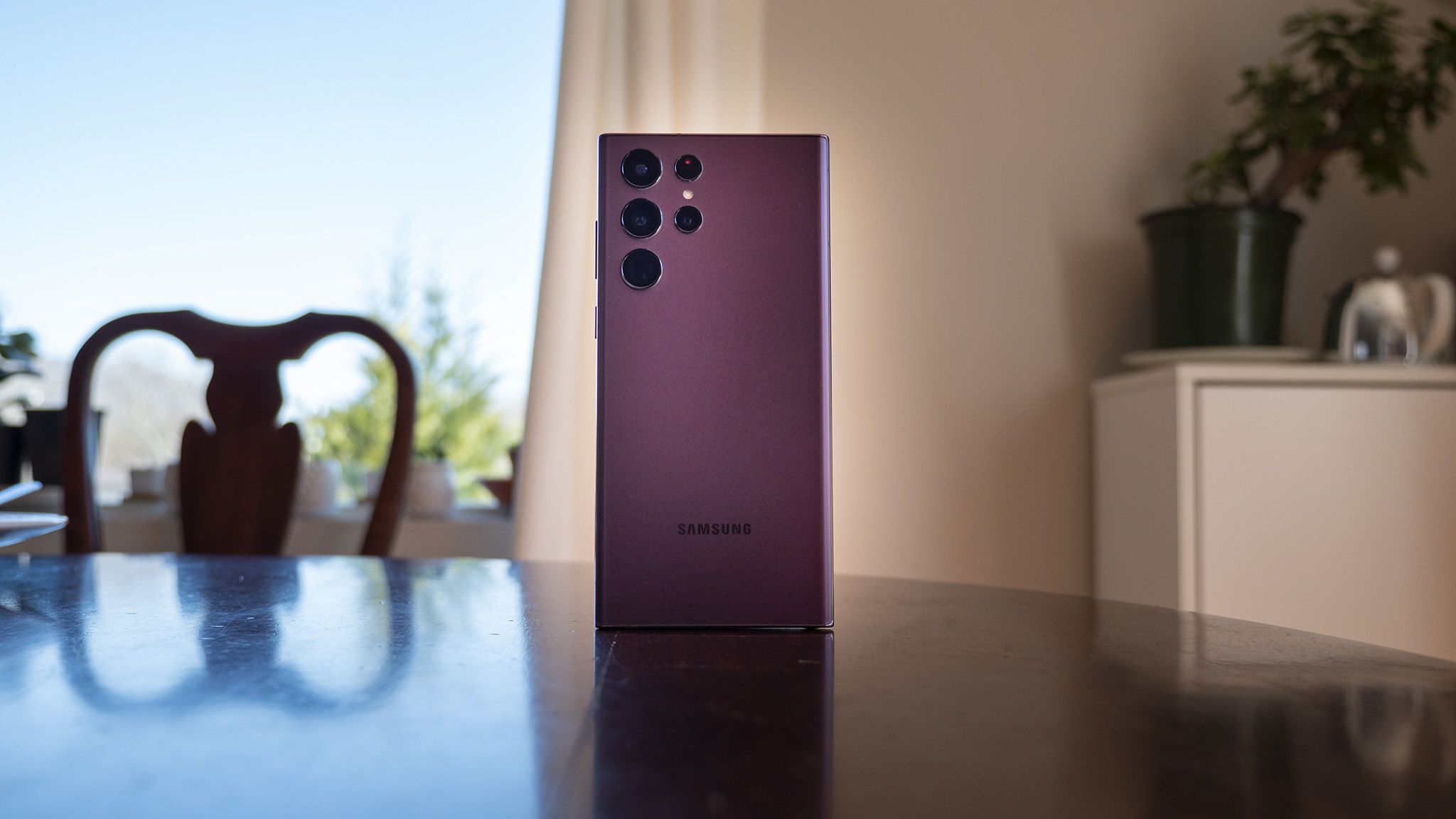
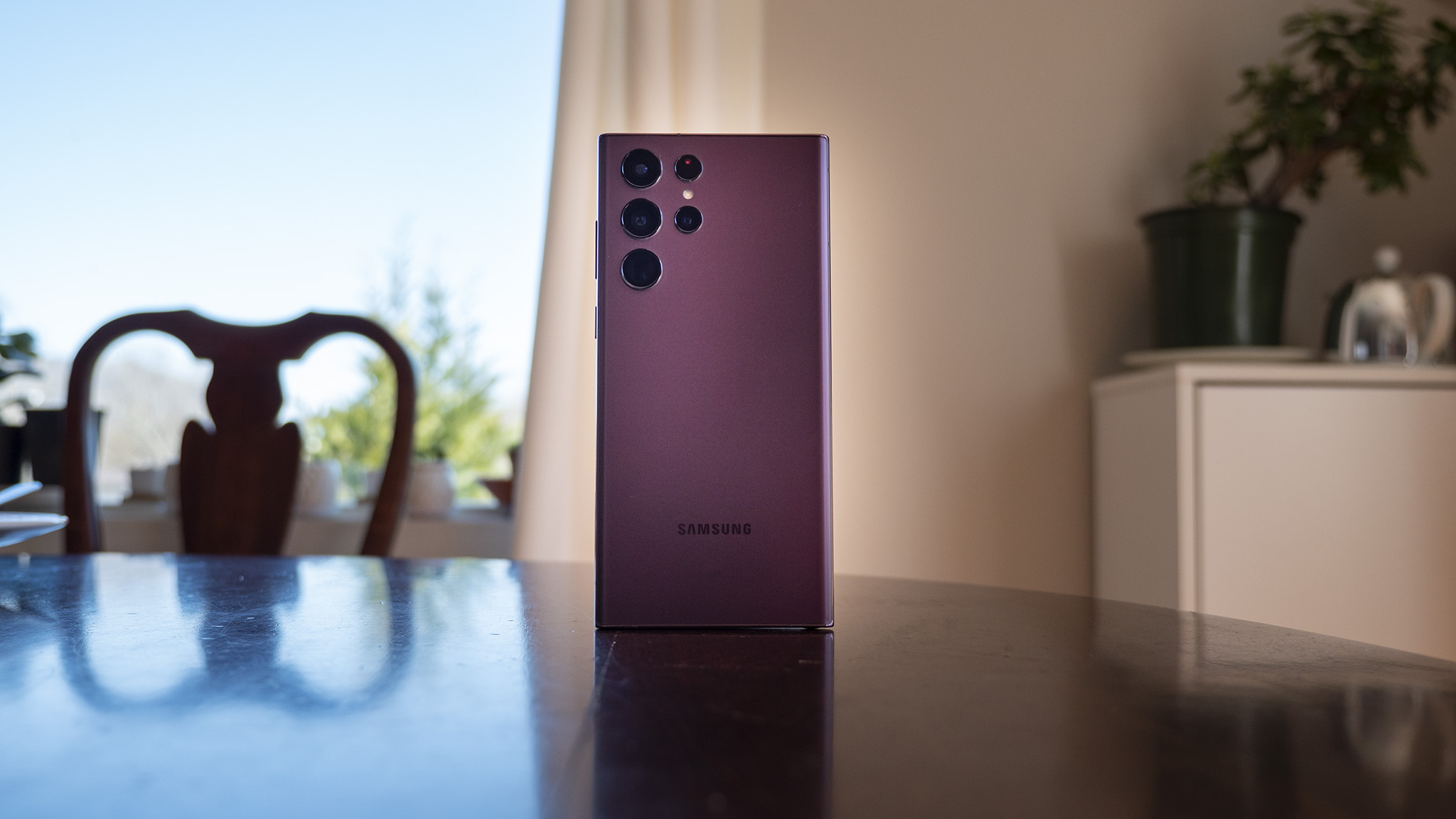
Samsung Electronics has been handed a substantial financial penalty by regulatory authorities in South Korea following an extensive investigation into how the company managed and advertised the gaming capabilities of several flagship devices. The Korea Fair Trade Commission (FTC) has imposed a fine of approximately 20 billion KRW, equivalent to roughly $15 million USD, targeting misleading marketing practices associated with the Galaxy S21, Galaxy S22, and Galaxy Tab S8 product lines.
The regulatory action concludes a multi-year inquiry that began after consumers and tech enthusiasts discovered systematic performance throttling on these high-end devices. According to the FTC, Samsung heavily emphasized exceptional gaming performance in its promotional campaigns, showcasing seamless screen transitions, high frame rates, and sophisticated graphical effects as prime selling points for its premium hardware. However, regulators concluded that the real-world experience provided to users often fell significantly short of these advertised capabilities due to a built-in software feature designed to regulate processing loads.
The Role of the Game Optimizing Service (GOS)
At the center of the regulatory penalty is the Game Optimizing Service (GOS), a pre-installed software utility integrated into the affected devices. Samsung historically positioned GOS as an essential thermal management system designed to regulate device temperatures and prevent hardware degradation during intensive tasks.
While thermal throttling is a standard industry practice intended to protect smartphone and tablet processors from overheating during prolonged use, the FTC’s findings revealed a more complex and controversial implementation. Investigators discovered that the GOS software was configured to actively restrict central processing unit (CPU) and graphics processing unit (GPU) performance the moment a mobile game was launched. Crucially, these performance limitations were applied regardless of whether the device was actually running hot or operating at normal ambient temperatures.
Instead of dynamically adjusting performance based on thermal thresholds, the software acted as a blanket restriction on graphical fidelity and processing speed for thousands of third-party mobile applications and games. Users experienced unexpected frame drops, stuttering, graphical downgrades, and sluggish response times—phenomena directly contradicting the high-performance imagery projected in Samsung’s promotional materials.
Regulatory Rationale and Consumer Protection
The South Korean FTC emphasized that processing capability, particularly concerning mobile gaming, serves as one of the primary benchmarks for consumers evaluating premium smart devices. In its official statement regarding the penalty, the commission underscored that corporations have a legal and ethical obligation to transparently inform buyers about any internal mechanisms or software restrictions that materially impact advertised performance metrics.
"Gaming performance was one of the most effective indicators for showcasing the capabilities of premium smart devices through rapid screen transitions and elaborate graphical effects," the FTC noted in its ruling. By failing to disclose that these capabilities would be systematically throttled upon the launch of popular gaming titles, Samsung effectively misled purchasers regarding the true operational potential of their investments.
The regulatory body asserted that this penalty serves as a stern reminder to the broader consumer electronics industry regarding transparency. Companies must clearly communicate vital factors affecting performance, ensuring that marketing narratives align with the actual software-driven user experience.
Samsung’s Defense and Counter-Stance
Samsung Electronics has firmly rejected the findings and the penalty levied by the South Korean regulator. In statements provided to domestic media outlets, including Yonhap News, representatives for the tech giant maintained that the Game Optimizing Service was implemented with the consumer’s best interest in mind, specifically to guarantee safe and reliable operation during extended usage sessions.
"The GOS was put in place to allow users to enjoy games stably for extended periods," a Samsung spokesperson reportedly stated. The company argues that modern mobile games demand immense computational power that can rapidly push mobile hardware to its absolute limits. Without proactive software optimization and load management, devices risk rapid battery depletion, severe thermal discomfort for the user, and potential hardware faults.
Furthermore, Samsung maintains that performance management software is standard practice across the smartphone industry, utilized by virtually every major hardware manufacturer to balance peak performance with device longevity and thermal safety. The company has announced its intention to formally challenge the FTC’s decision through legal channels, setting the stage for a prolonged administrative and judicial battle in South Korean courts.
Chronology of the Controversy
The unfolding dispute between regulators, consumers, and Samsung is the culmination of a controversy that first surfaced publicly several years ago:
- Early 2021 to Early 2022: Samsung launches the Galaxy S21 and Galaxy S22 smartphone lineups, alongside the Galaxy Tab S8 tablet series, heavily promoting their advanced processing power and gaming prowess.
- Early 2022: Tech enthusiasts and benchmarking communities in South Korea and globally discover that the GOS software throttles performance for thousands of apps while leaving official benchmarking software unhindered, sparking widespread public backlash.
- March 2022: Samsung releases software updates for the affected Galaxy S series devices, providing users with an option to prioritize performance over thermal management within the Game Booster settings.
- Late 2022 to 2024: Consumer advocacy groups file formal complaints with regulatory bodies, prompting the South Korean FTC to launch an exhaustive investigation into Samsung’s advertising practices and software behavior.
- Late 2026: The FTC concludes its investigation, officially serving Samsung with the 20 billion KRW ($15 million USD) fine and publicly detailing the grounds for the penalty. Samsung immediately signals its intent to appeal the ruling.
Broader Implications for Mobile Hardware and Gaming
The regulatory action against Samsung highlights a growing tension in the mobile industry between marketing peak performance and maintaining practical thermal and energy efficiency. As mobile games become increasingly sophisticated—incorporating complex 3D graphics, ray tracing, and expansive open worlds traditionally reserved for personal computers and dedicated consoles—the demand placed on smartphone silicon has skyrocketed.
Modern flagships, including newer iterations like the Galaxy S25 Ultra, are better equipped to handle strenuous titles like Wuthering Waves or Genshin Impact, though users frequently still need to manually adjust graphical settings to achieve a perfectly stable frame rate. However, the legacy of the GOS controversy has forced manufacturers to be more transparent about how software manages heavy computational loads.
The situation also underscores Samsung’s ongoing evolution in processor technology. Historically, variants of Samsung’s flagship devices utilizing its proprietary Exynos chipsets faced heightened scrutiny regarding thermal efficiency and sustained performance compared to their Snapdragon counterparts. Recognizing these challenges, Samsung has made significant strides in subsequent generations, focusing heavily on advanced vapor chamber cooling systems and architectural efficiencies in newer silicon iterations, such as the Exynos 2600 and forthcoming 2700 processors, aimed at delivering cooler operations without relying on aggressive, undisclosed software throttling.
As the legal challenge proceeds, the outcome of Samsung’s appeal against the FTC fine could establish a critical legal precedent for how consumer electronics manufacturers manage, disclose, and advertise software-driven performance limitations across global markets.