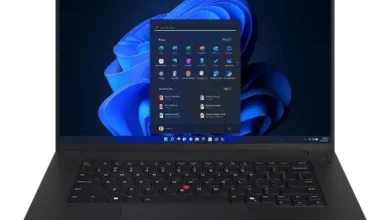
The landscape of mobile gaming is undergoing a significant transformation in 2025, driven by the rollout of Nvidia’s GeForce RTX 50-series graphics processing units. As silicon architecture reaches new heights of power efficiency and ray-tracing capability, the industry has seen a bifurcation between ultra-high-end desktop replacements and remarkably portable, power-efficient machines. For consumers, this year marks a critical juncture where the choice between raw performance and everyday usability has never been more nuanced.
Chronology of the 2025 Hardware Shift
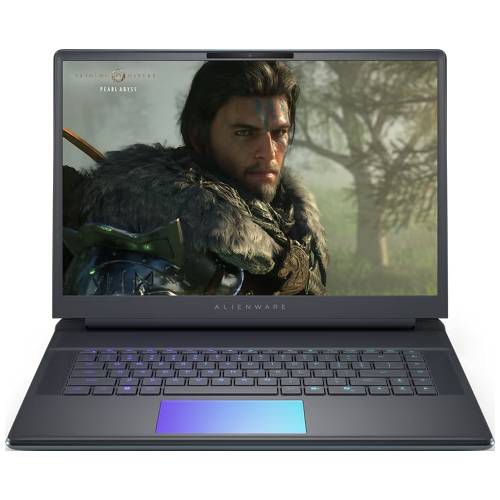
The industry’s transition began in earnest during the first quarter of 2025, as manufacturers integrated the RTX 50-series GPUs into flagship chassis. By the second quarter, the market had stabilized, allowing reviewers to move beyond marketing claims and into rigorous, real-world benchmarking. The June 2025 inclusion of the Alienware 16 Area-51 into the top-tier market segment signaled a renewed focus on aesthetic industrial design paired with high-wattage components, rounding out a diverse field of contenders that now includes refined legacy models still running on the highly capable RTX 40-series architecture.
Performance Benchmarks and Technical Analysis
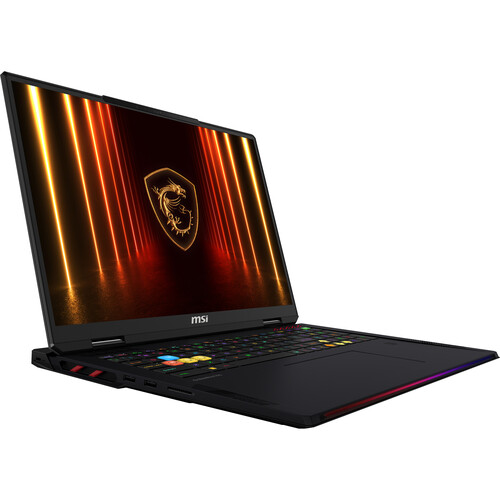
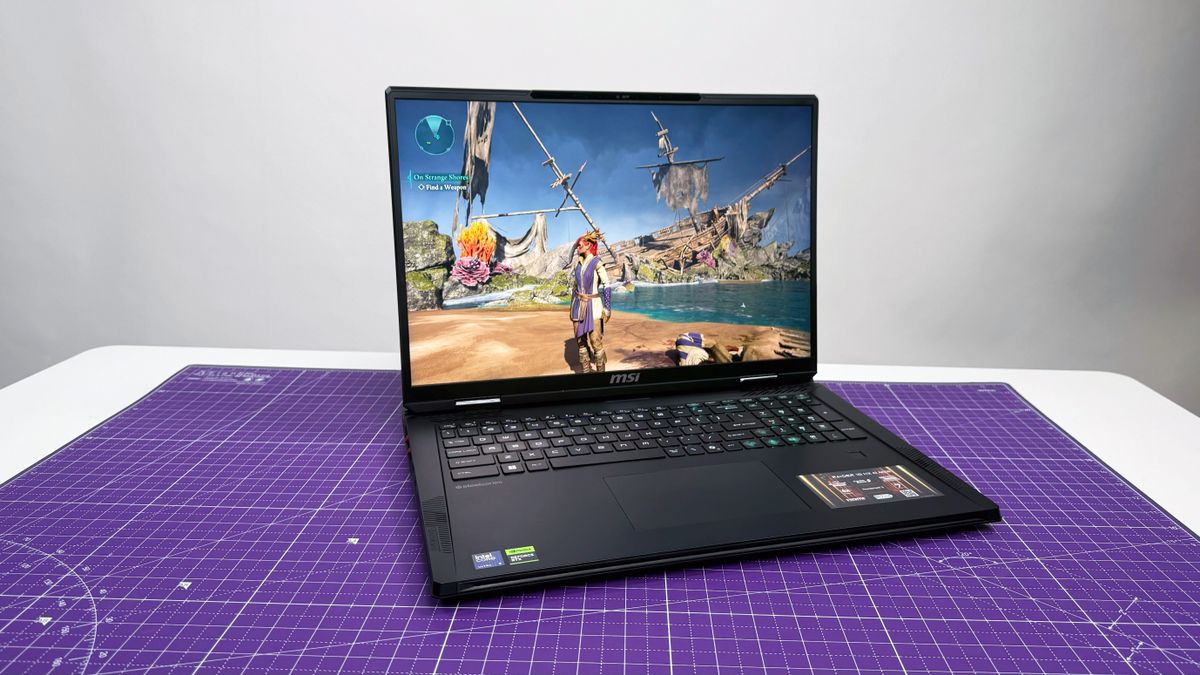
The current generation of gaming hardware is defined by the tension between thermal management and raw output. In our laboratory testing, the MSI Raider 18 HX AI has emerged as the performance leader. Equipped with an Intel Core Ultra 9 285HX processor and an Nvidia RTX 5080, it achieved a score of 21,851 in Geekbench 6, effectively setting the ceiling for current mobile compute power.
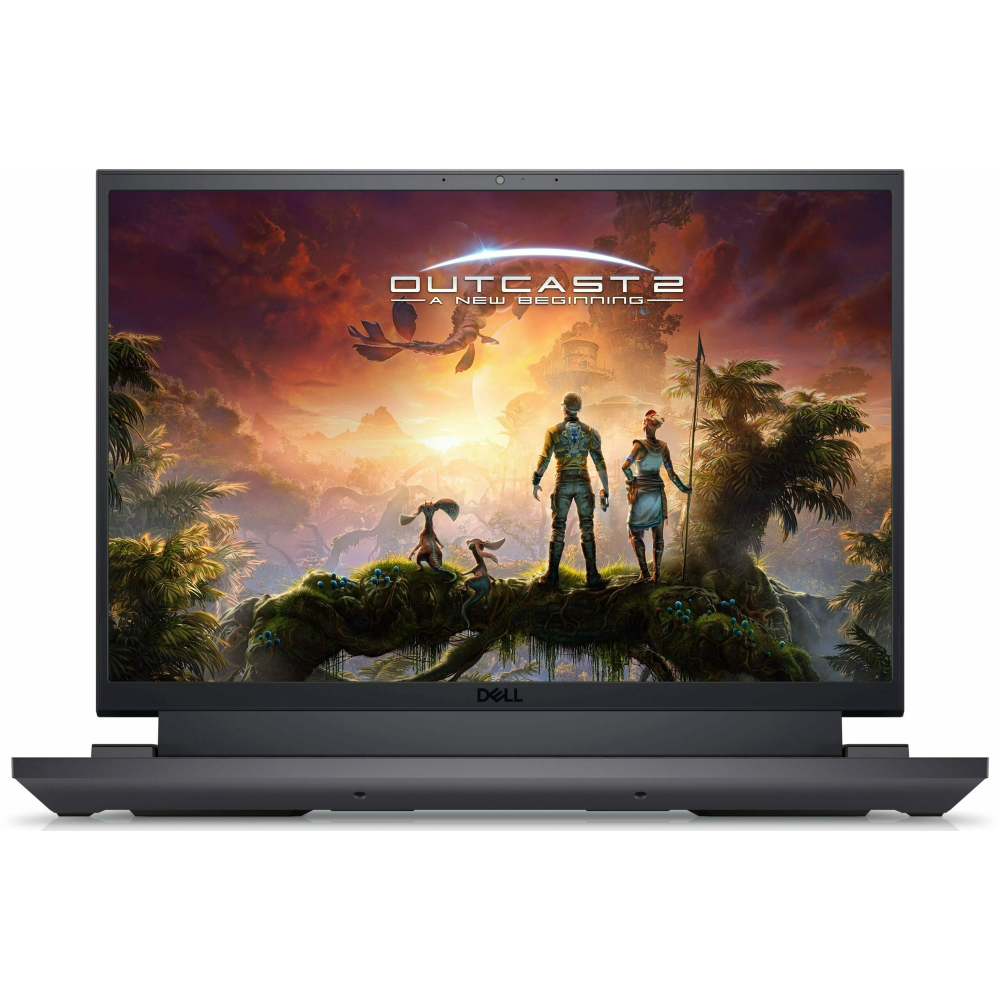
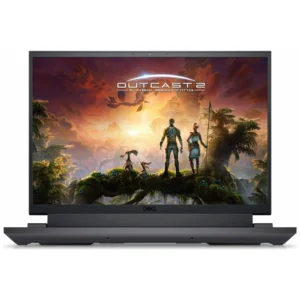
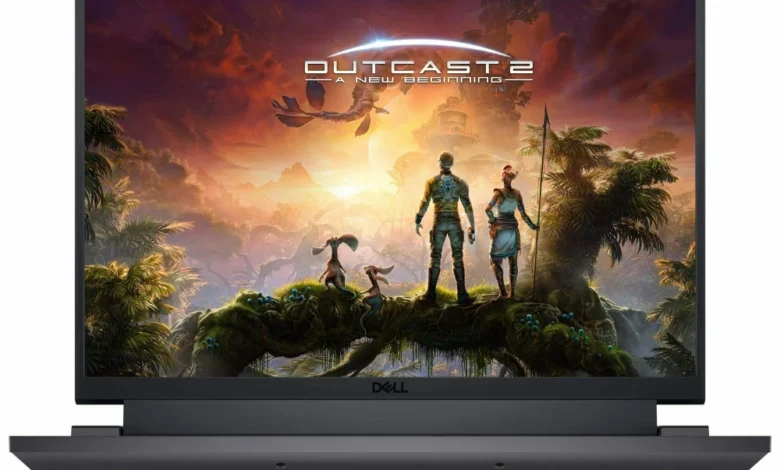
However, synthetic benchmarks only tell half the story. In real-world scenarios, such as the Cyberpunk 2077 Ultra-preset test, the gap between high-end and mid-range hardware is stark. While the MSI Raider 18 maintains a smooth 64 frames per second (fps) in intensive scenes, budget-conscious options like the Dell G16 (7630)—powered by the RTX 4060—provide a playable 33 fps. This performance delta underscores the necessity of matching hardware to specific user needs: competitive gamers requiring triple-digit frame rates will find value in the premium tier, whereas casual users may find the 40-series remain more than sufficient for standard AAA titles.
Market Segmentation: From Budget to Premium
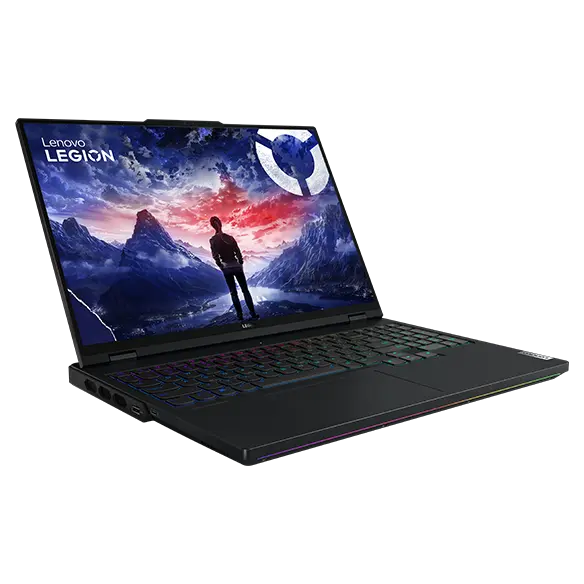
The modern gaming laptop market is segmented into three distinct tiers: budget, mid-range, and enthusiast-grade.
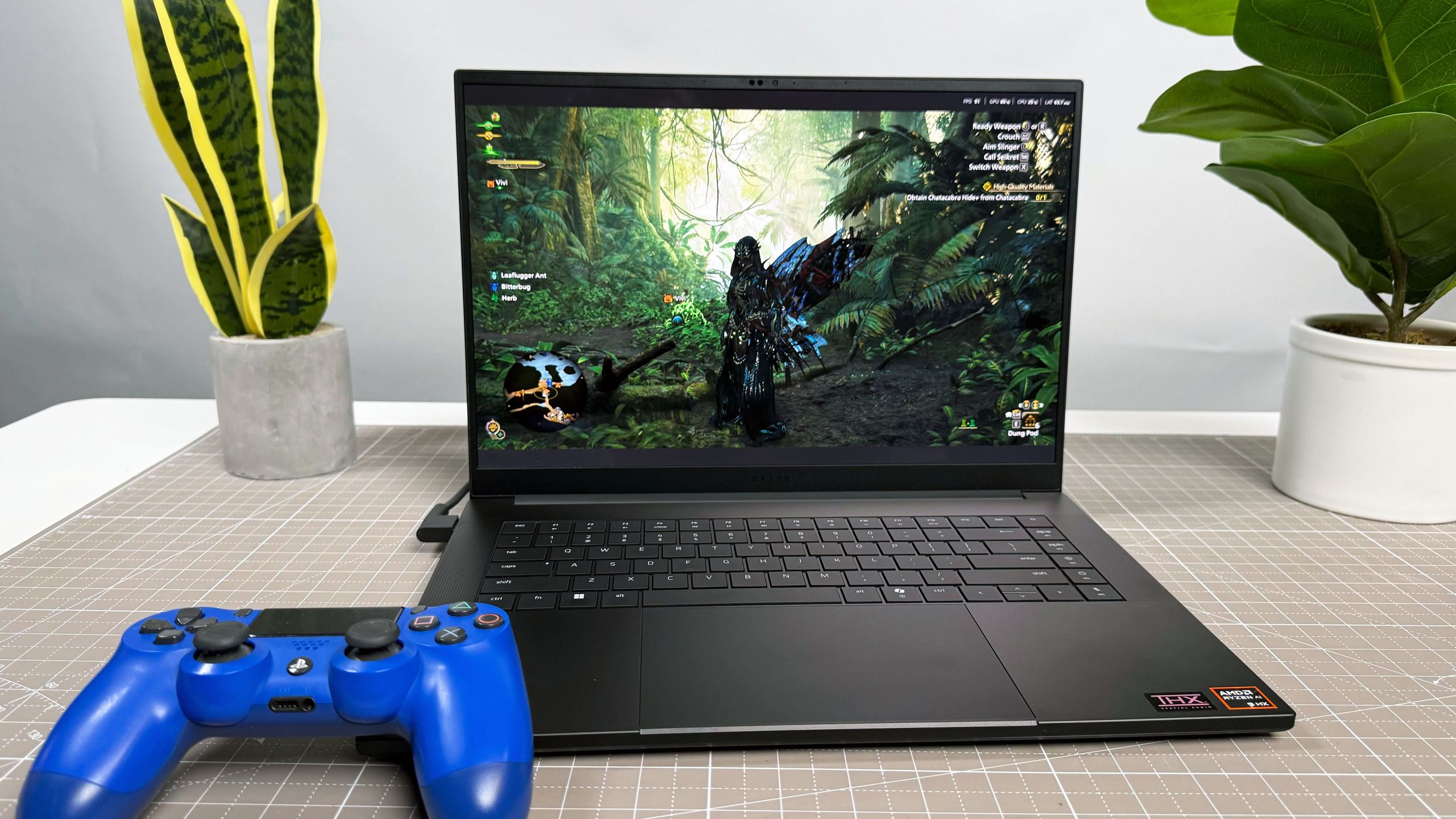
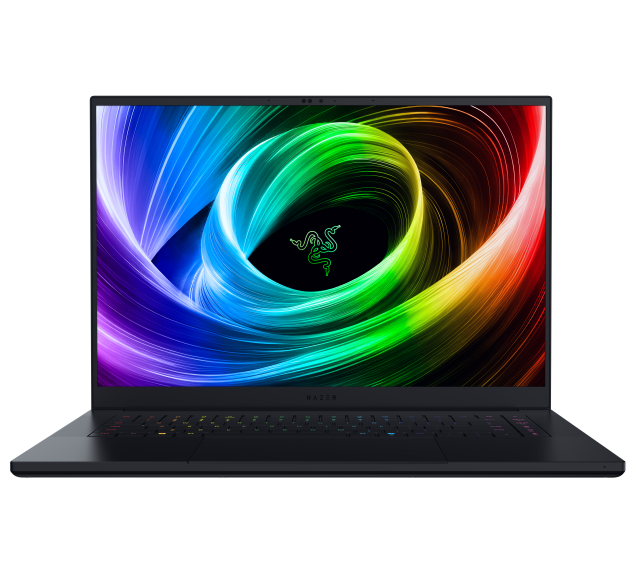
The budget tier, anchored by the Dell G16 (7630), proves that sub-$1,000 systems no longer require compromising on core input features. By including a mechanical keyboard and a high-refresh-rate display in a sub-$1,000 price bracket, Dell has challenged the industry standard for value. Conversely, the premium sector is defined by the Razer Blade 16 (2025). With its RTX 5090 and 24GB of VRAM, it represents the pinnacle of thin-and-light engineering. Its ability to maintain over seven hours of battery life during web-surfing tasks—a rarity for high-performance machines—demonstrates a significant advancement in power management.
Thermal Dynamics and Build Quality
A persistent challenge for the industry remains heat dissipation. High-performance GPUs generate significant thermal loads that require robust cooling solutions, often resulting in increased weight and noise. Our testing indicates that the Razer Blade 16 reached peak temperatures of 125.8 degrees Fahrenheit during stress tests, highlighting the physical trade-off for its slim profile. In contrast, the Alienware 16 Area-51 utilizes its larger chassis to manage thermals more effectively, though it remains a "desktop replacement" that is impractical for daily commuting.
Broader Implications for the Computing Industry
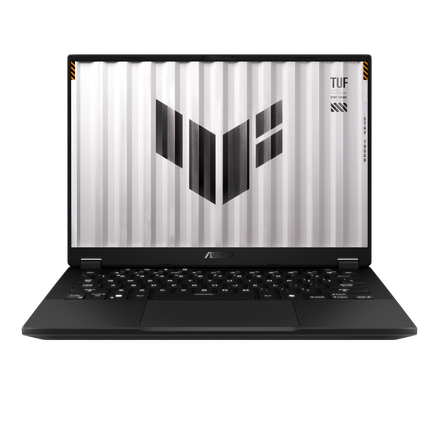
The integration of advanced AI-capable CPUs, such as the AMD Ryzen AI 9 HX 370 found in the latest Razer models, suggests a move toward smarter background resource management. This shift is not merely about gaming; it is about the broader utility of these devices. With the Asus TUF Gaming A14 delivering over 10 hours of battery life, the definition of a "gaming laptop" has expanded. These devices are increasingly serving as dual-purpose machines for students and professionals who require high-performance rendering capabilities by day and gaming entertainment by night.
Official Industry Stance and Consumer Guidance
Leading manufacturers have increasingly focused on display technology to differentiate their products. The move toward MiniLED and OLED panels, as seen in the MSI and Razer lineups respectively, has become the new battleground for consumer attention. While color accuracy and brightness are paramount, analysts caution that users must weigh these features against battery consumption.

For the average consumer, the guidance remains clear: evaluate the specific requirements of the software being used. If the goal is high-fidelity 4K gaming, an RTX 5080 or 5090 is an essential investment. If the goal is a portable machine for work and light gaming, the efficiency of the RTX 4060 remains the industry’s "sweet spot."
Future Outlook
As the industry looks toward the latter half of 2025, expectations are high for the release of entry-level RTX 50-series cards, such as the 5060 and 5050. These are expected to further democratize high-end features like DLSS 4. As these technologies mature, the cost of entry for next-generation graphical fidelity is expected to decline, potentially rendering the current generation of RTX 40-series laptops obsolete for high-end users while simultaneously providing excellent value for budget-conscious buyers.
The 2025 gaming laptop market is arguably the most competitive it has been in a decade. Whether the priority is the aesthetic flair of the Alienware Area-51, the raw power of the MSI Raider 18, or the unparalleled efficiency of the Asus TUF A14, the current selection offers a device for nearly every technical and financial profile. The crucial advice for any prospective buyer remains consistent: prioritize real-world benchmarks over marketing specifications, and ensure that the device’s thermal and battery profile aligns with the intended use case. In an era where power is increasingly portable, the right choice is defined not just by what the machine can do, but by how well it fits into the user’s daily life.