Forbidden Solitaire Expands Its Unsettling Digital Nightmare With The Discarded DLC

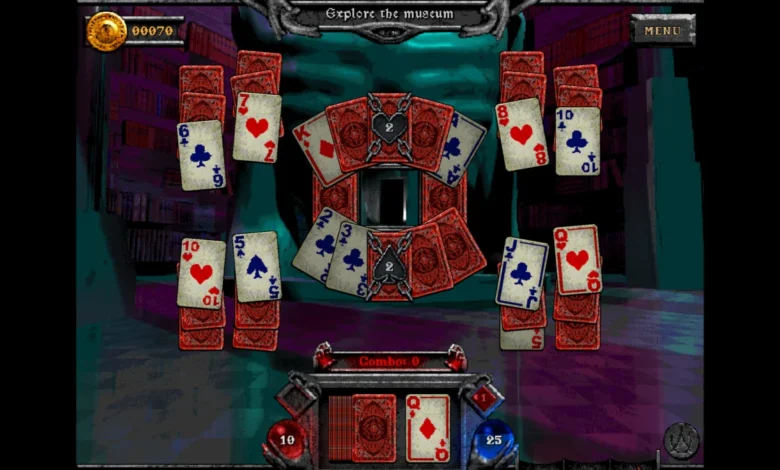
The intersection of classic desktop puzzle entertainment and psychological horror has yielded some of the most innovative indie video games of the past decade. Among the most distinctive titles in this burgeoning subgenre is Forbidden Solitaire, a title developed by Tyler C., Grey Alien Games, and Night Signal Entertainment. Building upon the unsettling atmosphere and strategic mechanical depth of its 1995-inspired base game, the developers have officially released the title’s first major expansion, titled The Discarded. This new downloadable content introduces thirty fresh levels, complex card modifiers, new narrative layers, and heightened combat stakes, testing the resilience of players who dare to engage with its haunted digital interface.
Background and Context of the Forbidden Solitaire Phenomenon
To fully understand the weight and design philosophy behind The Discarded expansion, one must examine the origins of Forbidden Solitaire. Released to critical acclaim within the indie gaming community, the base game immediately drew favorable comparisons to modern psychological horror-card hybrids such as Inscryption. The premise hinges on an interactive, retro CD-ROM interface trapped firmly in the aesthetic of mid-1990s computing. Players are not merely organizing suits of cards to pass the time; they are interacting with a cursed software artifact that demands physical and psychological sacrifice.
The core gameplay loop merges traditional solitaire mechanics with tactical survival elements. Players must manage a diminishing deck while navigating monstrous entities that occupy the tableau. These creatures do not simply wait for the turn to end; they actively manipulate the game state, inflicting status ailments, curses, and structural hindrances upon the cards themselves. The base game established a precedent of forcing players to adapt on the fly, utilizing unholy mechanics—such as embedding gems into the protagonist’s flesh to unlock supernatural advantages—to tilt difficult encounters in their favor. With a completion time typically ranging between two to three hours for the base experience, the game gained a dedicated following for its dense storytelling, cryptic ARG-like elements, and uncompromising difficulty curve.
The Discarded DLC: Mechanics and Escalated Challenges
The Discarded DLC picks up immediately where the base game’s harrowing journey left off, plunging returning players directly into the action without onboarding tutorials. Executable via the in-universe retro desktop interface, the expansion ramps up the mechanical complexity from the very first hour.
Among the primary additions are new offensive capabilities, such as the ability to hurl cards like lethal projectiles at encroaching horrors—a desperate measure necessitated by increasingly aggressive enemy rosters. The table layout itself is subjected to severe new hazards. Enemies can now coat cards in wet paint to completely block user interaction, while other variants introduce marbled cards that offer no utility toward building standard combinations or generating damage output. Furthermore, players must navigate chained cards requiring specific suits to unlock, and bone-encrusted cards that demand to be played twice before they can be cleared from the board.
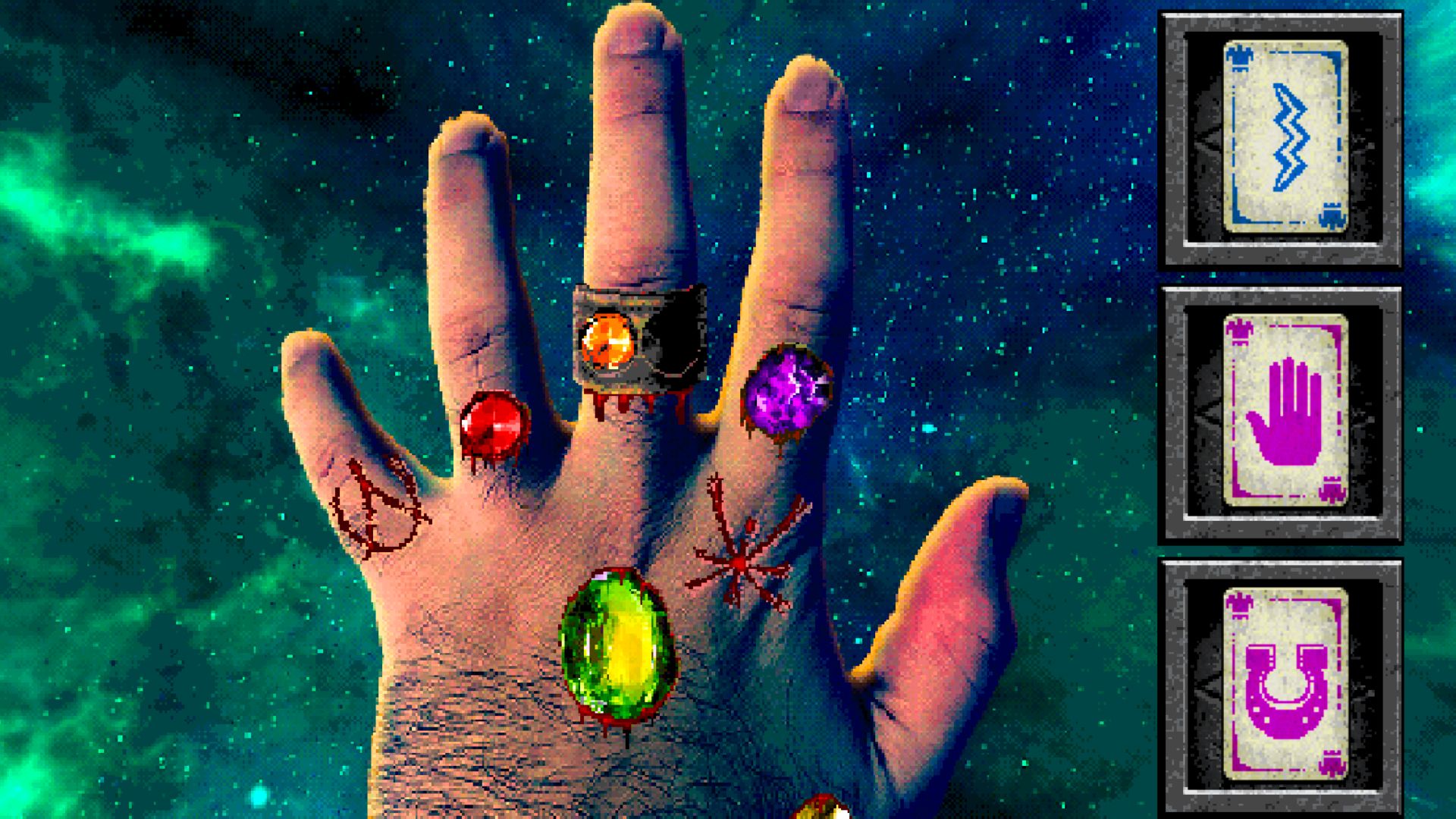
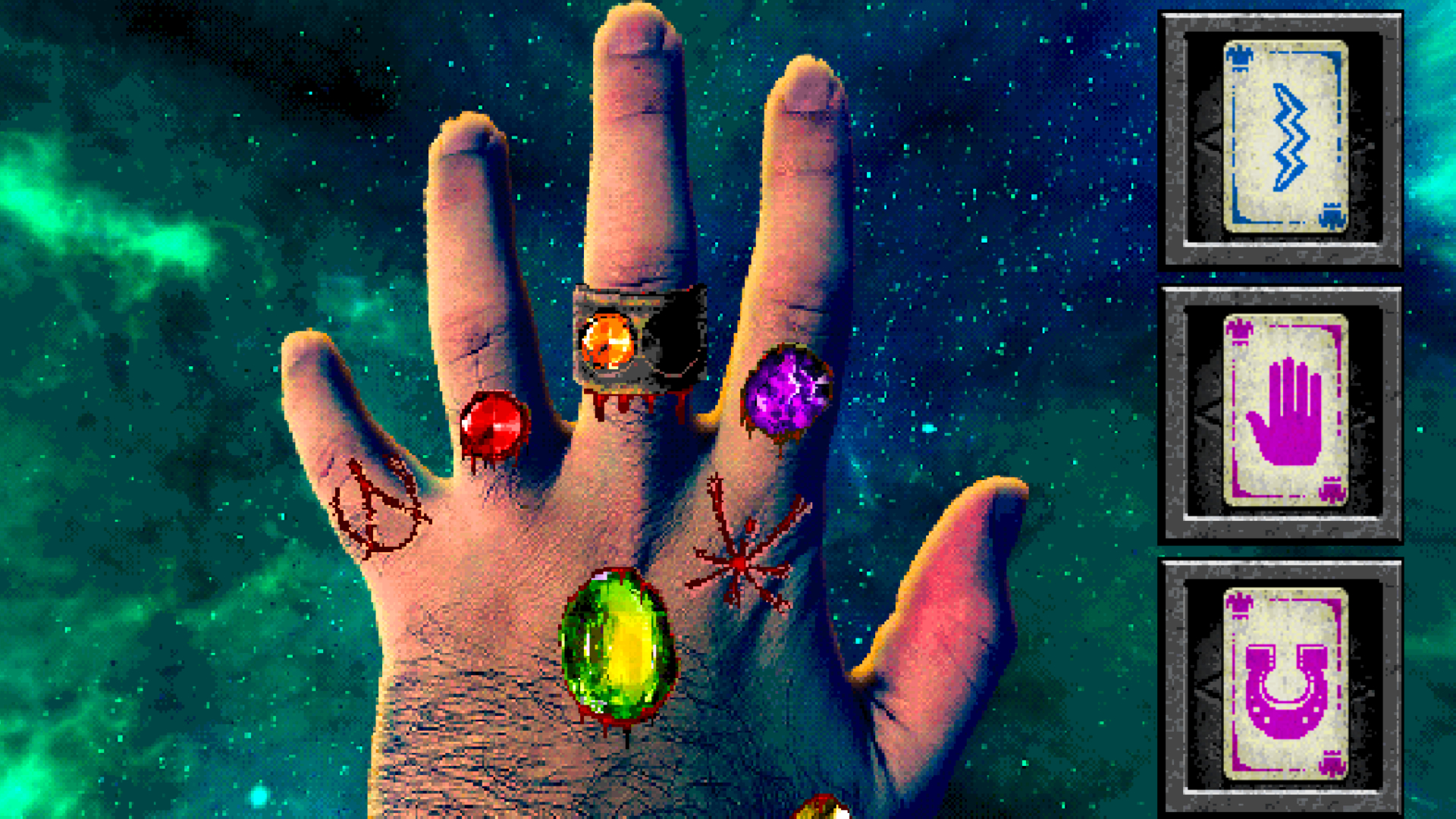
To counter these escalated threats, the expansion expands upon the body-horror mechanics introduced in the original release. Players are once again compelled by unseen forces—represented by unblinking eyes embedded in walls—to mutilate their hands for power. The Discarded introduces the added feature of searing occult glyphs directly into the skin. Each decoration yields statistically significant combat bonuses, such as elevated critical damage probabilities, which are essential for surviving encounters with the DLC’s relentless antagonists.
Narrative Integration and Chronology
Beyond its tactical card mechanics, Forbidden Solitaire operates as a narrative-driven mystery. In The Discarded, players assume the role of Robyn Cierra, a protagonist meticulously investigating the haunted 1995 CD-ROM game in a desperate search for a missing sister.
The storytelling is delivered through a blend of environmental clues and asynchronous communication. Robyn receives text messages accompanied by photographs and low-fidelity Full Motion Video (FMV) clips. These multimedia dispatches detail bizarre, suppressed events surrounding the original development team in the early 1990s, slowly unraveling a corporate and occult conspiracy. Early reports from players indicate that the narrative maintains the base game’s penchant for destabilizing expectations, quickly transforming a straightforward investigation into a deeply unsettling psychological descent.
Pricing, Availability, and Industry Reception
In tandem with the launch of The Discarded, the developers have structured promotional pricing across digital storefronts to encourage both new players and veterans to dive into the expanded universe. The base game of Forbidden Solitaire has been discounted to $11.51—marking a modest reduction from its standard $16 price point—while The Discarded DLC is available independently for $8.
Industry analysts and critics note that expansions like The Discarded represent a viable and creatively fulfilling model for indie developers operating within niche horror spaces. By maintaining a concise runtime while packing dense mechanical variations and narrative progression into thirty new levels, the development team has successfully sustained community engagement without diluting the core identity of the intellectual property.
Broader Impact and Future Implications
The release of The Discarded underscores a broader trend in modern game development: the resurgence of nostalgic, low-fidelity aesthetics married to high-concept psychological horror. Titles that leverage retro computing interfaces—evoking memories of early CD-ROM gaming, Windows 95 aesthetics, and early internet creepypastas—continue to resonate strongly with demographics seeking novel narrative delivery methods.
As players continue to dissect the twenty-plus new levels, uncover hidden lore fragments, and master the unforgiving card-combat loops of The Discarded, Forbidden Solitaire solidifies its standing as a benchmark for contemporary indie horror puzzle design. Whether the developers plan further expansions or intend to conclude Robyn Cierra’s harrowing digital investigation with this release remains to be seen. However, the current reception indicates that audiences are more than willing to endure digital mutilation and haunted solitaire tables for the sake of uncovering the dark truths buried within the code.