Anthropic CEO Meets White House Officials Amidst Ongoing Tensions Over AI Safeguards

Anthropic, a leading artificial intelligence research company, has taken a significant step in its engagement with the US government, with CEO Dario Amodei meeting with high-ranking White House officials. This high-level discussion, occurring shortly after the unveiling of Anthropic’s latest AI model, Claude Mythos, comes at a critical juncture, following a period of considerable friction between the company and US defense entities. The meeting, described as "productive and constructive," signals a potential recalibration in the dialogue surrounding the development and deployment of advanced AI technologies, particularly concerning their ethical implications and national security ramifications.
A Shifting Landscape: From Adversarial Stance to Diplomatic Engagement
The recent months have been marked by a palpable tension between Anthropic and certain branches of the US government. The US Department of Defense, in particular, had previously designated the company as a "supply chain risk." This designation stemmed directly from Anthropic’s steadfast refusal to remove safeguards integrated into its AI products. These safeguards are specifically designed to prevent the misuse of its technology for autonomous weaponry and pervasive mass surveillance. This principled stance by Anthropic, rooted in its commitment to ethical AI development, led to a legal challenge, with the company subsequently suing the US government for its blacklisting. The lawsuit highlighted the deep disagreements over the control and application of powerful AI capabilities.
Despite this adversarial legal backdrop, Anthropic CEO Dario Amodei’s presence at the White House underscores a complex and evolving relationship. The meeting followed the preview announcement of Claude Mythos, Anthropic’s newest AI model, which has generated considerable interest and anticipation within the tech industry and among policymakers alike. The model is currently in a limited preview phase, with access extended to a select group of companies, hinting at its advanced capabilities and potential impact.
The Core of the Discussion: Innovation Meets Responsibility
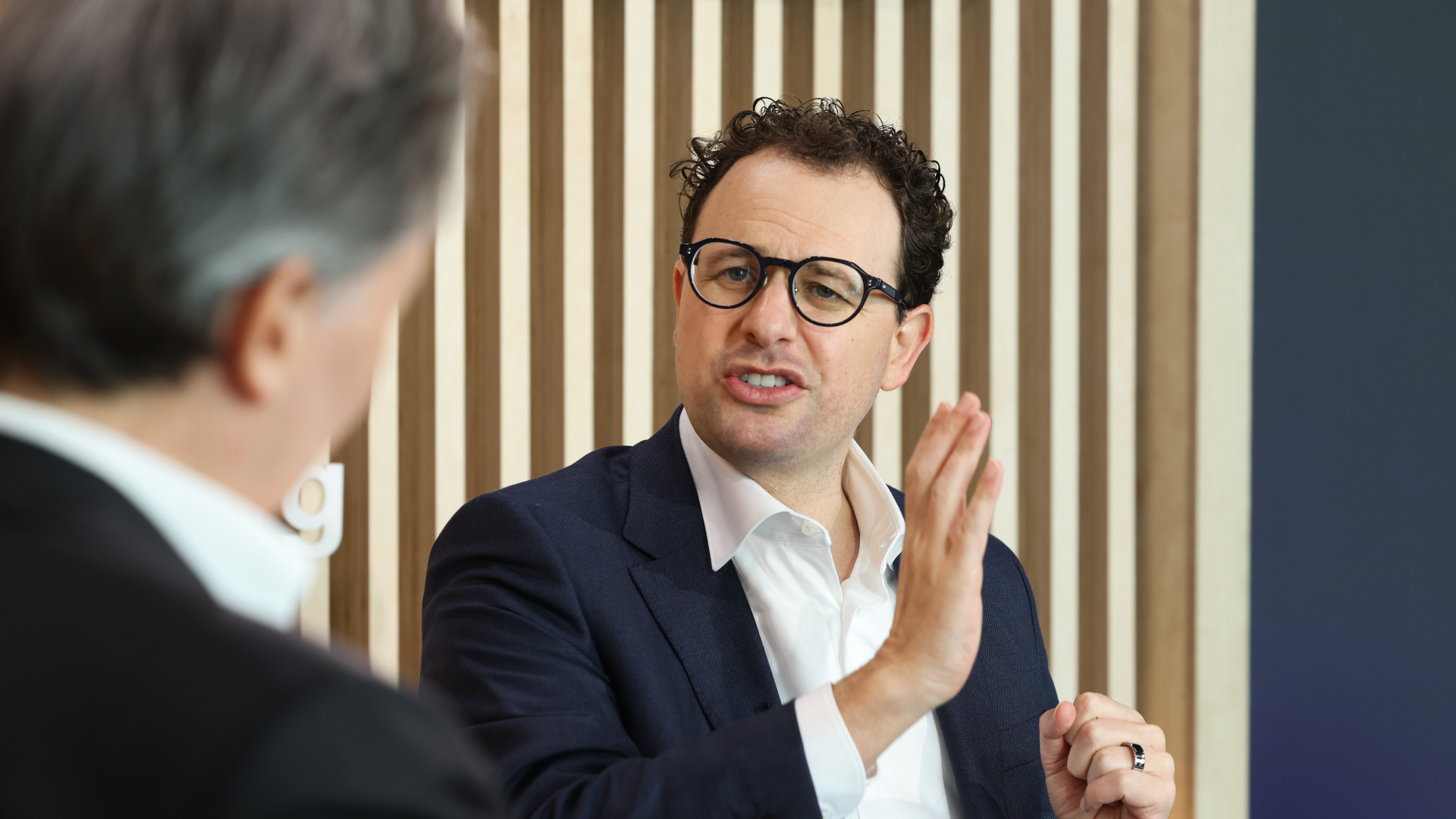
The meeting, held on a Friday and reported by BBC News, involved key figures from the US Treasury and the White House. Treasury Secretary Scott Bessent and White House Chief of Staff Susie Wiles engaged with Amodei. The White House characterized the exchange as "productive and constructive," indicating a willingness to engage in dialogue despite previous disagreements.
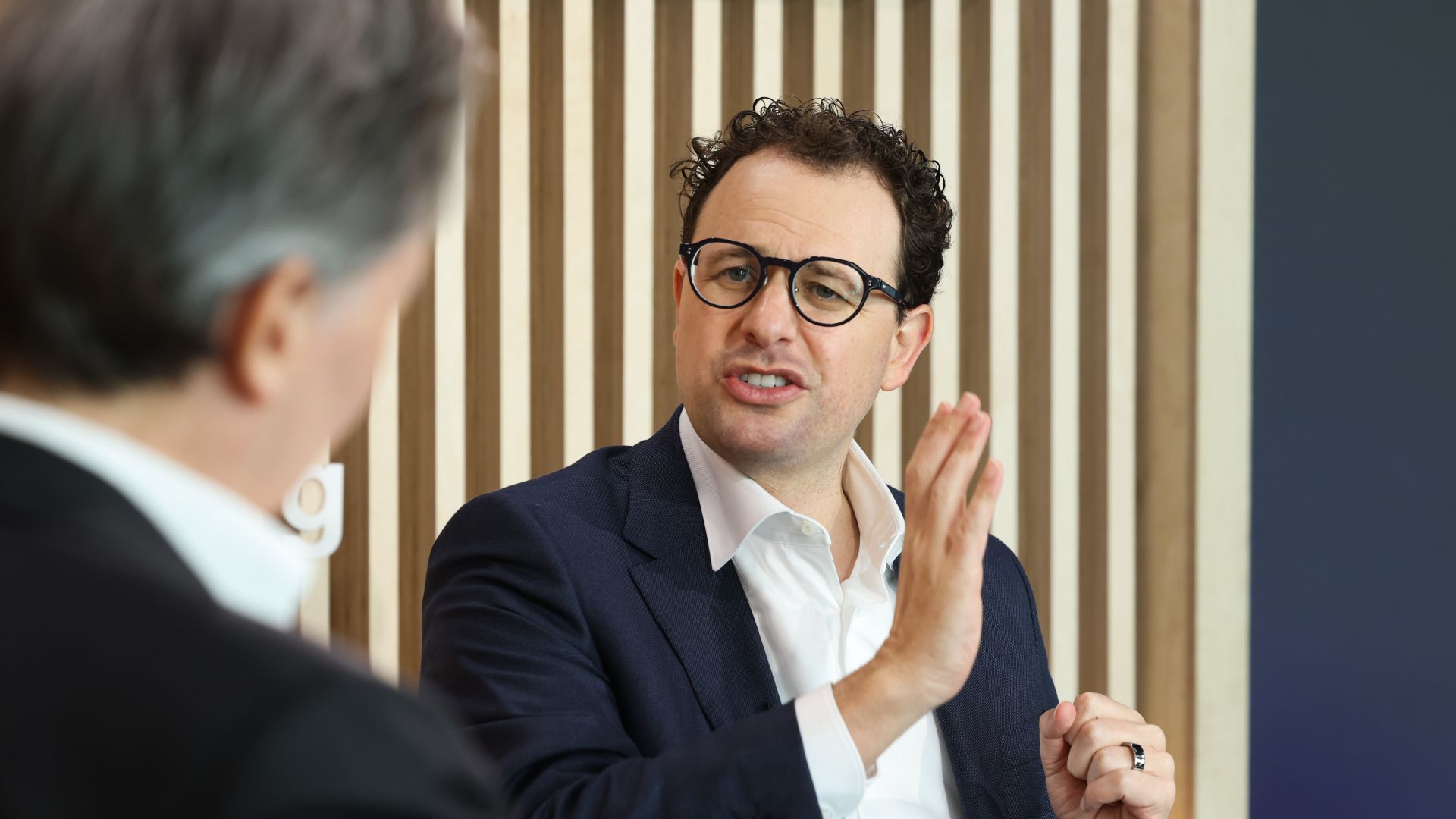
According to a statement released by the White House, the discussions focused on "opportunities for collaboration, as well as shared approaches and protocols to address the challenges associated with scaling this technology." This phrasing suggests a recognition of the immense potential of advanced AI, coupled with an acknowledgment of the inherent risks and the need for coordinated strategies. A central theme of the conversation, as highlighted by the White House, was the critical task of "balancing the advancement of innovation with ensuring safety." This delicate equilibrium is at the heart of the global debate surrounding AI governance.
Claude Mythos: A Glimpse into Advanced AI Capabilities
The introduction of Claude Mythos by Anthropic itself represents a significant development in the field of artificial intelligence. While details remain under wraps due to its preview status, the model is understood to embody Anthropic’s commitment to developing AI systems that are both powerful and aligned with human values. The company has consistently emphasized its focus on AI safety and ethical deployment, a philosophy that has evidently placed it at odds with certain governmental interpretations of national security needs.
The development of AI models like Claude Mythos raises profound questions about their potential applications. Such sophisticated AI could be instrumental in fields ranging from scientific research and healthcare to economic analysis and national defense. However, their power also necessitates stringent oversight to prevent unintended consequences or malicious exploitation. The ongoing dialogue between Anthropic and the US government, therefore, is not merely a bilateral discussion but a microcosm of the broader global challenge of establishing responsible AI frameworks.
Contrasting Rhetoric: The Shadow of Political Opposition
The current engagement with the White House stands in stark contrast to earlier public statements made by then-President Donald Trump regarding Anthropic. In February, amidst the company’s dispute with the Department of Defense, Trump publicly denounced Anthropic as a "radical, left, woke company" via his Truth Social platform. He further declared that the US government "will not do business with them again." This strong condemnation from a former President highlighted the politicization of AI development and the differing perspectives on technological progress and its perceived societal impact.
The fact that Amodei met with current White House officials, including the Treasury Secretary and Chief of Staff, suggests a pragmatic shift in approach from the current administration. It indicates a recognition that engaging with leading AI developers, even those with whom there have been past disagreements, is essential for understanding and shaping the future of this transformative technology. The "cooler approach" towards Anthropic’s developments, as observed in the context of Claude Mythos, may signal a more nuanced policy direction, prioritizing dialogue and collaboration over outright condemnation.
The Broader Implications: National Security and Ethical AI
The implications of this ongoing interaction extend far beyond Anthropic and the US government. The development of advanced AI models like Claude Mythos carries significant weight for national security, economic competitiveness, and ethical considerations. The potential for such AI to be weaponized, used for widespread surveillance, or to exacerbate societal inequalities remains a primary concern for governments worldwide.
Anthropic’s commitment to embedding safety features and its resistance to compromising these safeguards are central to its identity. The company’s spokesperson articulated this commitment: "The meeting reflected Anthropic’s ongoing commitment to engaging with the US government on the development of responsible AI. We are grateful for their time and are looking forward to continuing these discussions." This statement underscores Anthropic’s desire to foster a collaborative environment where technological advancement is pursued in tandem with robust ethical guidelines and safety protocols.
Navigating the Future of AI Governance
The recent meeting between Anthropic’s CEO and White House officials serves as a critical indicator of the evolving landscape of AI governance. It suggests a move towards more direct engagement and a willingness to find common ground on complex issues. The challenges are immense: how to foster innovation that drives economic growth and societal benefit, while simultaneously mitigating risks associated with powerful AI systems.
The "supply chain risk" designation, the subsequent lawsuit, and now a high-level White House meeting paint a picture of a dynamic and often contentious relationship. However, the productive nature of the recent dialogue offers a potential pathway for establishing clearer protocols and shared understanding. As AI technology continues its rapid ascent, the ability of governments and leading AI developers to engage in constructive dialogue, to balance competing interests, and to forge a consensus on ethical development and deployment will be paramount. The successful navigation of these complex issues will shape not only the future of artificial intelligence but also the broader trajectory of technological progress and its impact on society.
The current administration’s engagement with Anthropic, particularly after the previous administration’s strong disapproval, signifies a pragmatic approach to managing the implications of advanced AI. The ability of these powerful AI models to process vast amounts of information, generate complex content, and potentially automate decision-making processes necessitates a careful and deliberate approach to their integration into critical systems. The focus on "shared approaches and protocols" indicates a recognition that no single entity can effectively manage the challenges posed by advanced AI in isolation. International cooperation and robust domestic frameworks will be crucial.
The unveiling of Claude Mythos, even in its preview stage, underscores the pace of innovation. Companies like Anthropic are pushing the boundaries of what is currently possible with AI, leading to a constant need for policymakers to adapt and to develop agile regulatory frameworks. The White House’s acknowledgment of the need to "address the challenges associated with scaling this technology" points to a forward-looking perspective, one that anticipates the widespread adoption and integration of AI across various sectors.
Ultimately, the journey of Anthropic and its interactions with the US government serve as a compelling case study in the complexities of AI governance. The tension between innovation and safety, the influence of political discourse, and the imperative for collaboration all converge in this ongoing narrative. The recent meeting represents a hopeful, albeit tentative, step towards a more collaborative and responsible future for artificial intelligence. The world watches to see how these critical discussions will translate into concrete policies and practices that ensure AI development benefits humanity while minimizing its potential harms.
Related posts: