Motorola Razr 50 Ultra Finally Receives Stable Android 17 Update in Europe via Software Tool

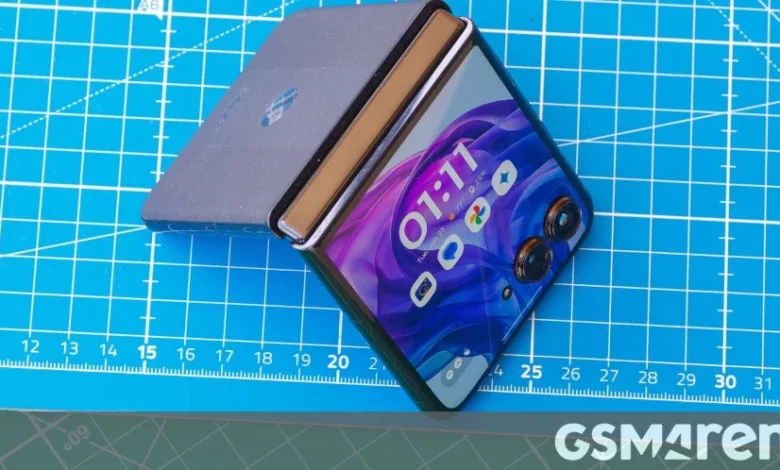
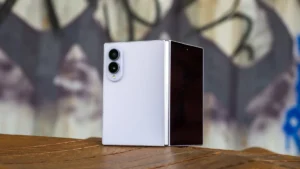
The rollout of major software upgrades in the smartphone industry often dictates the lifespan and user satisfaction of modern mobile devices. For owners of the Motorola Razr 50 Ultra—marketed in the United States as the Razr+ 2024—a significant milestone has finally been reached. Two years after its initial market debut, the foldable device is beginning to transition from the experimental software phases to a stable, production-ready operating system release. Users across Europe are discovering that the long-anticipated stable build of Android 17 is gradually becoming accessible, marking a major step forward for Motorola’s support lifecycle regarding its clamshell foldable portfolio.
However, the deployment of this major firmware update has not followed a conventional over-the-air path for all consumers. Early reports originating from user communities on platforms like Reddit indicate that while the update is technically live for European retail variants of the device, accessing it currently requires proactive user intervention via desktop utility software rather than waiting for a standard push notification from the system updater.
Chronology of the Android 17 Deployment for Motorola Foldables
The journey of Android 17 to Motorola’s ecosystem has been a gradual, staged process. The timeline began earlier this year in April, when the Motorola Razr 50 Ultra was officially inducted into Motorola’s Android 17 beta program. This beta testing phase allowed developers and enthusiastic early adopters to stress-test the operating system optimizations, specifically tailored for dual-screen foldable hardware configurations.
As the software matured, newer hardware iterations took priority in the stable release queue. Most notably, the Razr Ultra 2026 began receiving its stable Android 17 rollout several weeks ago, establishing a baseline for the software’s performance on subsequent generations of foldable technology. Following the successful deployment on newer flagships, attention naturally shifted backward to the 2024 hardware generation.
The current phase represents the realization of that software roadmap for the Razr 50 Ultra. Nevertheless, the rollout remains fragmented. While European retail units are beginning to register the stable build through diagnostic utilities, North American variants—sold under the Razr+ 2024 moniker—have yet to receive official scheduling or confirmation regarding when the regional firmware will drop. Furthermore, owners of the non-ultra base model, the Motorola Razr 50 (known as the Razr 2024 in the United States), face an entirely different outlook, as Motorola’s current support matrices do not list the standard variant as eligible for the Android 17 upgrade cycle.
Technical Changes, Improvements, and New Features
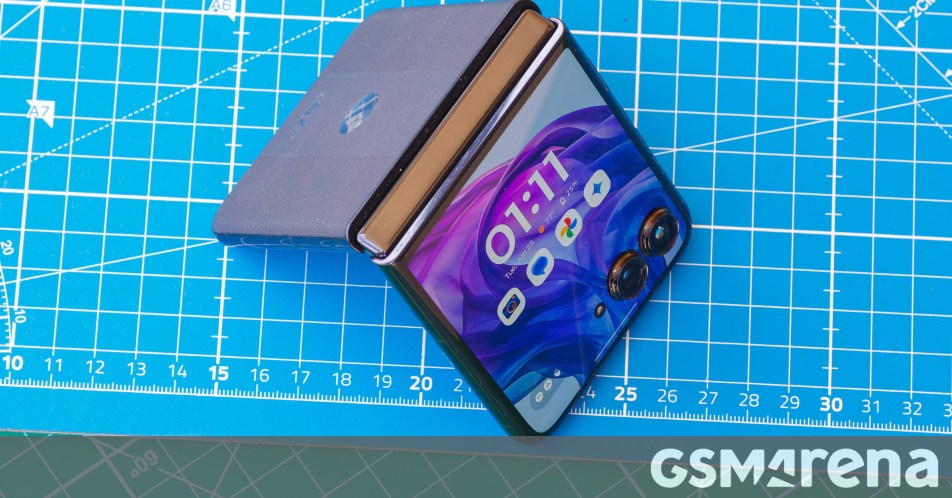
The transition to Android 17 brings a comprehensive suite of visual enhancements, functional restorations, and performance tweaks designed explicitly to leverage the unique form factor of flip-style foldable smartphones. Users who have successfully installed the stable build note several key modifications to the user interface and system behavior.
Chief among the visual updates is the introduction of a depth effect for system wallpapers, adding a layer of spatial dimensionality to the home screen aesthetics. Additionally, Motorola has implemented a redesigned Quick Settings panel, aligning the layout with the latest human-interface guidelines of the Android ecosystem while optimizing toggle accessibility for one-handed use.
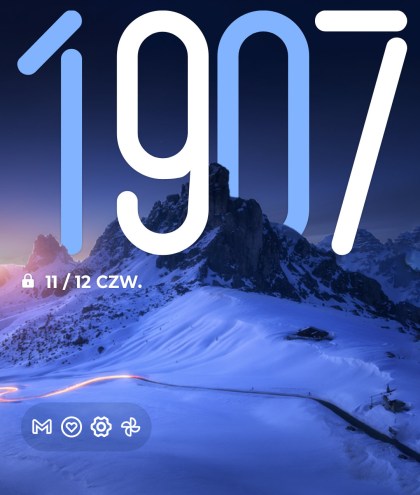
For the secondary external display—often referred to as the cover screen—the update introduces a brand-new clock face option, providing users with increased personalization choices without needing to unfold the main internal panel. Beyond aesthetics, the firmware addresses critical functional regressions introduced by previous software iterations. Notably, user feedback highlights that applications now operate correctly and reliably on the cover screen once again, rectifying specific compatibility and scaling bugs that had plagued users since the Android 16 lifecycle.
Hardware feedback has also been largely positive regarding tactile response. Early adopters report that system-wide vibration intensity feels noticeably stronger and more precise following the installation, enhancing feedback during navigation and typing.
Identified Bugs and Functional Limitations
Despite the successful introduction of stable features, the Android 17 build for the Razr 50 Ultra is accompanied by certain limitations and reported bugs that warrant caution from prospective installers.
One prominent limitation involves multitasking capabilities. Users have observed that Android 17’s expanded chat bubbles feature has not been fully realized in this build. Much like previous software versions, bubble functionality remains restricted primarily to messaging applications like Google Messages, disappointing users hoping for universal bubble support across third-party communication platforms.
Furthermore, community forums have highlighted intermittent, random software bugs affecting cover screen responsiveness and stability. Because of these localized anomalies, technology analysts and community moderators advise more conservative users to delay manual installation by a few days to allow broader telemetry data to guide potential hotfixes from Motorola’s engineering teams.
Accessing the Update: Methods and Safety Precautions
The manner in which the stable Android 17 build has appeared in Europe has caught many consumers by surprise. Rather than a standard, automated over-the-air (OTA) notification appearing natively within the device settings, the firmware was discovered by a user running Motorola’s proprietary Software Fix desktop utility on a Windows PC.
For European owners of the Razr 50 Ultra wishing to verify availability, the traditional pathway involves navigating to Settings, selecting System, and checking for System updates. However, if the OTA channel has not yet populated for a specific region or carrier variant, advanced users have utilized the Motorola Software Fix tool as an alternative retrieval mechanism.
Industry experts emphasize extreme caution for anyone opting to use desktop flashing tools. Motorola’s software suite typically includes both a standard update mechanism and a more aggressive "Rescue" option. While the update path preserves user files, utilizing the Rescue function initiates a complete factory reset, wiping all stored data from the device. Consumers attempting manual updates are strongly advised to perform comprehensive cloud or local backups before interacting with PC-based recovery utilities.
Broader Industry Implications and Support Longevity
The arrival of Android 17 on a two-year-old foldable device serves as an important case study in the evolving landscape of Android software support. Historically, foldable devices faced skepticism regarding their long-term software viability due to the complex, dual-screen engineering required by manufacturers. As components age and software demands increase, maintaining performance across both external and internal displays requires dedicated engineering resources.
Motorola’s decision to extend Android 17 to the Razr 50 Ultra underscores the brand’s commitment to lengthening the support lifecycle of its premium tier devices, helping to reassure consumers investing in high-end folding hardware. However, the exclusion of the standard Razr 50 from the eligibility list continues to draw scrutiny from consumer advocacy groups and budget-conscious buyers who expect multi-year parity across product families.
As the software rollout widens from initial European retail channels to broader global territories—and eventually toward the North American Razr+ 2024 variants—market watchers will closely monitor update stability metrics. For now, Razr 50 Ultra owners situated outside of the primary European deployment zones must exercise patience, balancing the temptation of the latest Android features against the potential risks of early adoption and manual installation procedures.