Toyota Motor Corporation Electrifies the American Market with a Formidable Trio of All-Electric SUVs for the 2027 Model Year

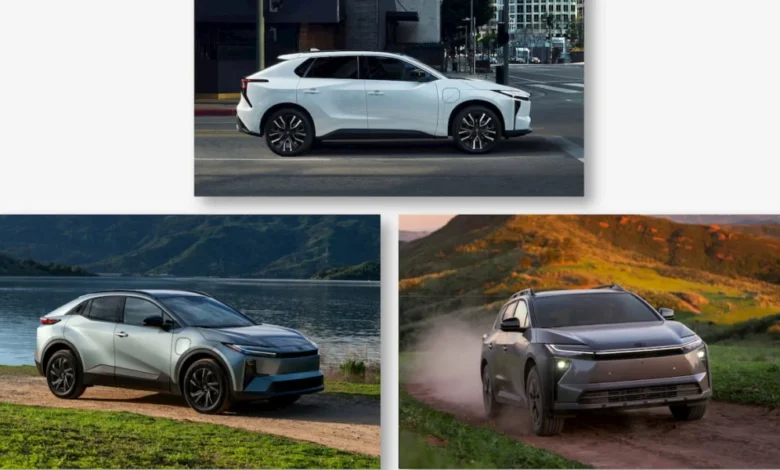
Toyota Motor Corporation has firmly established its presence in the American battery-electric vehicle (BEV) landscape, transitioning from a cautious hybrid pioneer into a dominant force in zero-emission transport. Following the significant mid-cycle refresh and subsequent market triumph of its core electric SUV—recently rebranded simply as the bZ—Toyota has rapidly expanded its zero-emission portfolio. With the commercial rollout of two additional purpose-built battery-electric crossovers, the sporty C-HR and the rugged, adventure-ready bZ Woodland, the Japanese automotive giant has fundamentally altered its competitive standing in the United States.
Recent automotive market data underscores this dramatic corporate pivot. According to comprehensive quarterly insights published by Cox Automotive for the third quarter of 2026, Toyota has surged to become the third most popular electric vehicle brand in the United States, trailing only market leader Tesla and pure-play rival Rivian. This stellar performance is anchored by the bZ, which claimed the position of the fourth best-selling electric vehicle nationwide during the first nine months of 2026, trailing only heavy-hitting volume drivers such as the Hyundai IONIQ 5, Tesla Model 3, and Tesla Model Y. Overall, Toyota’s year-over-year electric vehicle sales figures have nearly tripled, validating the company’s strategic expansion into diversified segments tailored to distinct consumer lifestyles.

The Evolution of Toyota’s Electric Strategy: A Chronology of Market Entry
Toyota’s trajectory in the modern battery-electric landscape has been marked by deliberate calibration. Long criticized by environmental advocates and early-adopting consumers for its intense focus on hybrid-electric vehicles (HEVs) and hydrogen fuel cell technology, the automaker initially faced skepticism when it launched its first global dedicated platform EV. However, internal corporate restructuring and surging market demand for reliable, accessible battery-electric transport prompted a profound acceleration of its product roadmap.
By late 2025, Toyota implemented sweeping updates to its foundational electric SUV, optimizing powertrain efficiency, enhancing thermal management, and modernizing cabin ergonomics. This revitalized model, dropping the numerical suffix to become the bZ, captured the imagination of mainstream American buyers looking for a dependable crossover backed by Toyota’s legendary reputation for build quality and resale value.
Capitalizing on this hard-won momentum, Toyota unveiled its broader 2027 electric vehicle lineup mid-year, introducing the high-riding, utilitarian bZ Woodland and the youthful, coupe-styled C-HR EV. This multi-pronged approach ensured that the brand no longer relied on a single entry to capture market share, but instead offered a comprehensive family of vehicles designed to target commuter-heavy urbanites, outdoor enthusiasts, and style-conscious drivers alike.
The Core Contender: The 2027 Toyota bZ
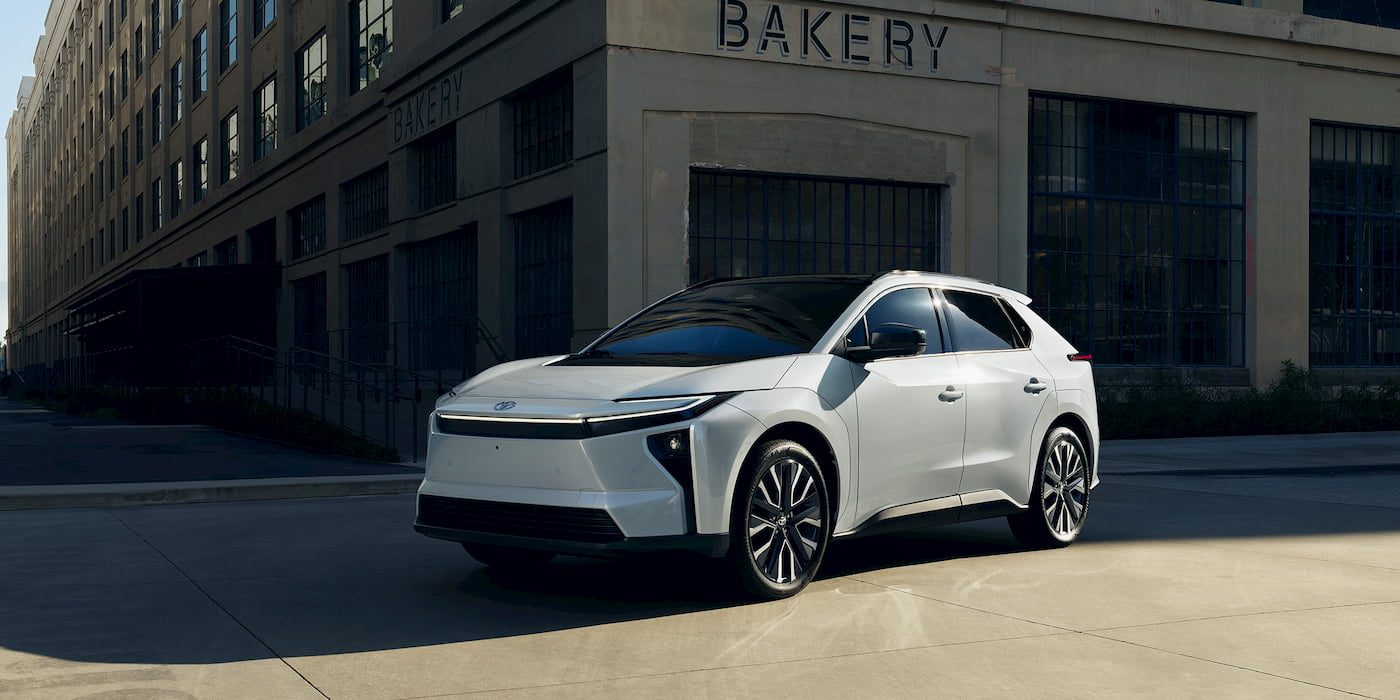
Serving as the volume anchor for the brand’s electrification push, the 2027 Toyota bZ strikes a strategic balance between affordability, everyday usability, and advanced technological integration. With a starting manufacturer’s suggested retail price (MSRP) of $34,980 for the entry-level trim—excluding a mandatory $1,595 delivery, processing, and handling (DPH) fee—the vehicle lowers the financial barrier of entry to modern electric mobility.
The bZ lineup provides multiple powertrain configurations across the XLE and Limited grades, accommodating varying consumer priorities regarding range and traction:
- XLE FWD (Standard Range): Equipped with a 57.7 kWh battery pack, this entry-level variant delivers an EPA-estimated driving range of up to 236 miles and produces 165 horsepower. Starting price: $34,980.
- XLE FWD Plus (Extended Range): Stepping up to a larger 74.7 kWh battery significantly extends the driving capability to an EPA-estimated 314 miles on a single charge, paired with an increased output of 221 horsepower. Starting price: $37,980.
- XLE AWD: Utilizing the 74.7 kWh battery coupled with a dual-motor all-wheel-drive system, this variant generates a combined 338 horsepower while offering an EPA-estimated range of 288 miles. Starting price: $39,980.
- Limited FWD: Blending luxury amenities with efficiency, this front-wheel-drive model yields an EPA-estimated 299 miles of range from the 74.7 kWh battery pack. Starting price: $43,380.
- Limited AWD: The pinnacle of luxury and traction for the standard line, delivering 338 horsepower and an EPA-estimated 278 miles of range. Starting price: $45,380.
A pivotal upgrade for the 2027 model year is the integration of a native North American Charging Standard (NACS) port. This hardware shift allows bZ owners to plug directly into Tesla Supercharger stations seamlessly, eliminating the inconvenience of third-party adapters. Toyota engineers report that utilizing high-output DC fast chargers enables the vehicle to replenish its battery from 10% to 80% capacity in approximately 30 minutes.
Interior appointments have also undergone a thorough technological overhaul. The cabin centers around a customizable 7-inch LCD Multi-Information Display (MID) paired with a responsive 14-inch Toyota Audio Multimedia touchscreen interface. Wireless connectivity for both Apple CarPlay and Android Auto comes standard across all trim levels, reinforcing the vehicle’s appeal to tech-savvy commuters.
The Rugged Trailblazer: The 2027 Toyota bZ Woodland
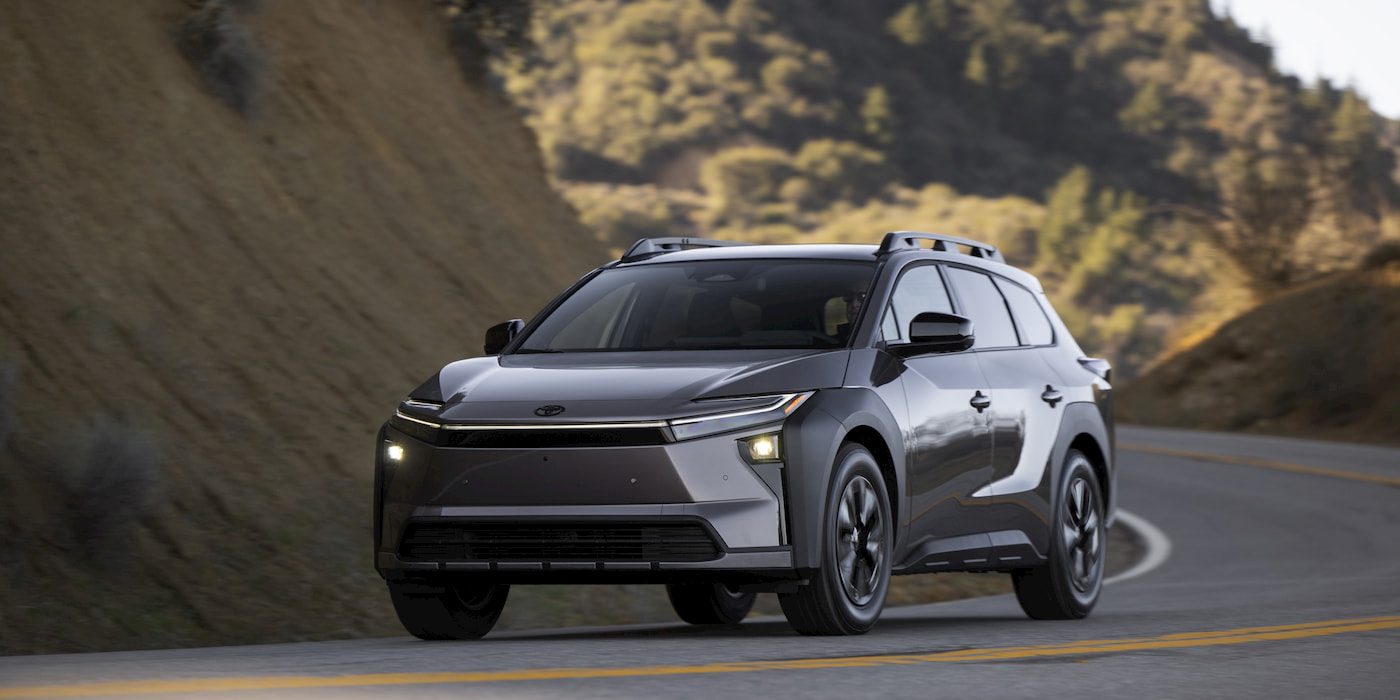
For consumers requiring enhanced utility, superior ground clearance, and genuine capability beyond paved roads, Toyota developed the 2027 bZ Woodland. Stretching approximately six inches longer than the standard bZ, the Woodland variant capitalizes on its expanded footprint to maximize interior volume, offering up to 74.3 cubic feet of maximum cargo capacity compared to the standard model’s 67.1 cubic feet.
Built exclusively with a dual-motor, all-wheel-drive layout augmented by Toyota’s proprietary X-Mode electronic control system for difficult terrain, the Woodland stands as the most powerful electric vehicle in Toyota’s current portfolio. It generates a robust combined output of 375 horsepower—37 horsepower more than the standard bZ all-wheel-drive variants.

To support its outdoor aspirations, the Woodland features an elevated stance boasting 8.3 inches of ground clearance and an impressive 3,500-pound towing capacity. However, these physical enhancements entail trade-offs in aerodynamic efficiency and weight:
- 2027 Toyota bZ Woodland (Base): Starting at $45,380 (excluding the $1,595 DPH fee), this trim utilizes the 74.7 kWh battery pack to deliver an EPA-estimated 281 miles of range with standard street-biased rubber. Selecting optional, rugged all-terrain tires reduces the estimated operating range further to 260 miles.
- 2027 Toyota bZ Woodland Premium: Starting at $47,480, this upper-tier model adds comprehensive convenience features, including standard roof rails, dual Qi-capable wireless smartphone charging pads, heated front seats, a heated steering wheel, and advanced Digital Key smartphone integration.
Like its stablemate, the Woodland incorporates a native NACS charge port, facilitating rapid replenishment from 10% to 80% in approximately 30 minutes under optimal DC fast-charging conditions.
The Urban Athlete: The 2027 Toyota C-HR EV
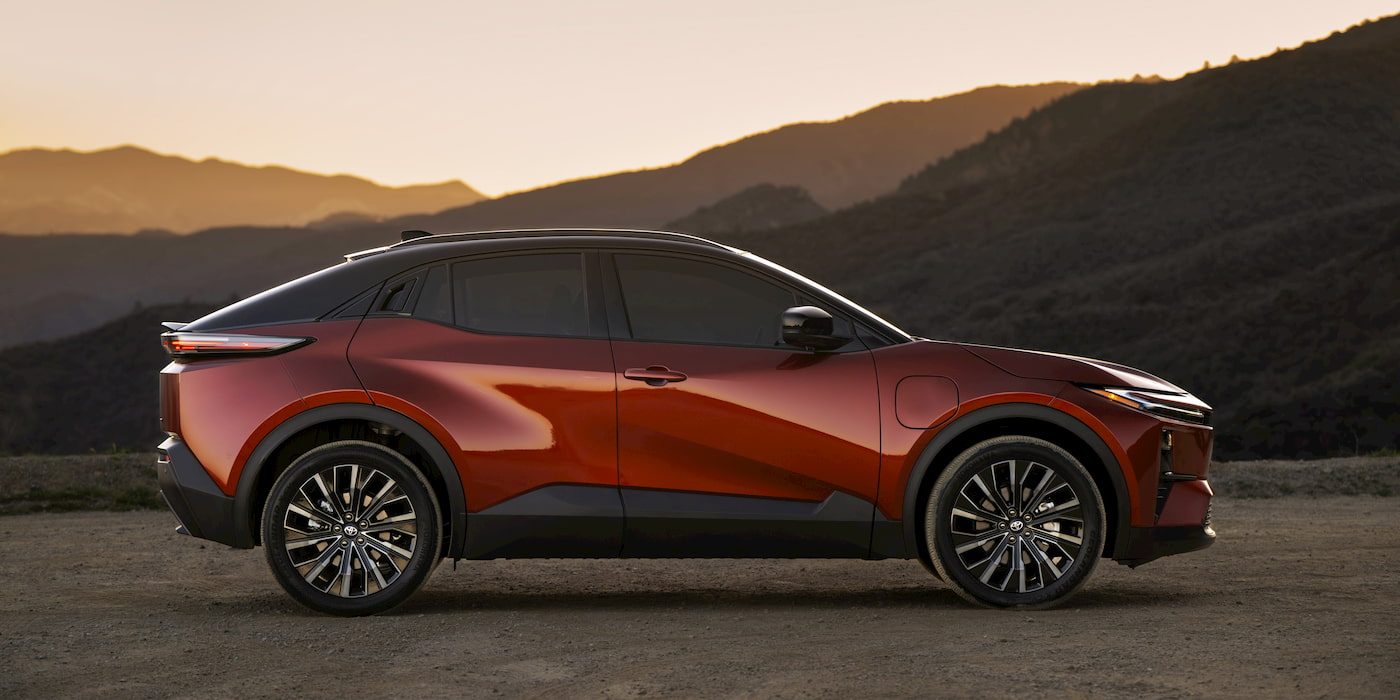
Rounding out the trio is the 2027 Toyota C-HR, reimagined as a dynamic, coupe-styled electric crossover tailored for urban environments and style-oriented drivers. Positioned slightly above the standard bZ in terms of baseline pricing, the C-HR starts at $37,080 (excluding the $1,595 DPH fee) for the entry-level SE trim.

Though approximately 6.7 inches shorter than the standard bZ with a more compact wheelbase, the C-HR features a standard dual-motor, all-wheel-drive architecture producing 338 horsepower. It relies exclusively on the larger 74.7 kWh battery pack, configured into two distinct trim packages:
- 2027 Toyota C-HR SE: Equipped with efficient 18-inch wheels, this model achieves an EPA-estimated driving range of up to 287 miles. Starting price: $37,080.
- 2027 Toyota C-HR XSE: Designed with a more aggressive aesthetic featuring 20-inch alloy wheels, this top-tier trim trades a minor amount of aerodynamic efficiency for a street-ready posture, netting an EPA-estimated range of 273 miles. Starting price: $39,080.
Despite its sloping, coupe-inspired roofline, clever packaging allows the C-HR to offer up to 59.5 cubic feet of cargo space with the rear seats stowed—eclipsing the cargo floor volume of the standard bZ when configured in certain load states. Standard equipment across both C-HR trims includes dual wireless device chargers, low-profile roof rails, Fabric and SofTex-trimmed seating surfaces, heated front and rear touchpoints, a power liftgate, and the comprehensive Toyota Safety Sense 3.0 suite of advanced driver assistance systems.
Broader Market Implications and Future Outlook
Toyota’s rapid ascension in the American electric vehicle landscape carries profound implications for the broader automotive sector. By offering three distinct body styles—a high-volume commuter crossover, a rugged trail-oriented utility vehicle, and a sporty lifestyle fastback—Toyota has effectively neutralized criticisms that traditional automakers cannot scale compelling, diversified electric portfolios.
Industry analysts note that by addressing varied consumer demographics simultaneously, Toyota is successfully defending its traditional market share while aggressively capturing conquest buyers migrating away from combustion engines. Furthermore, the standardization of the NACS port across all three models demonstrates a pragmatic alignment with dominant American charging infrastructure standards, mitigating range anxiety for prospective buyers.
Looking ahead, Toyota shows no signs of decelerating its electrification strategy. Corporate product planners have already confirmed that the upcoming 2028 model year will witness the arrival of the Highlander EV, marking the brand’s highly anticipated entry into the three-row electric SUV segment. As dealerships nationwide stock the current 2027 offerings, consumer adoption rates will continue to test whether Toyota’s diversified, lifestyle-focused strategy can challenge the historic dominance of pure-play electric vehicle manufacturers in the United States.