Google Classroom faces widespread service outage as thousands of users report access issues

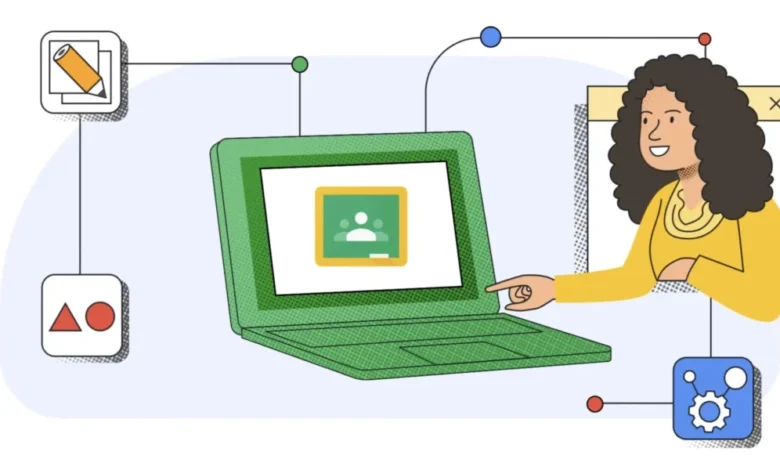
Google Classroom, the cornerstone of digital education for millions of students and educators worldwide, is currently experiencing a significant service outage. The disruption, which began early this afternoon, has left users unable to access their virtual classrooms, submit assignments, or communicate with instructors. While Google’s broader Workspace suite—including Drive, Docs, and Gmail—appears to be operating within normal parameters, the specific isolation of Classroom suggests a targeted technical failure within the platform’s application architecture or its dedicated server clusters.
Chronology of the Disruption
The service disruption was first detected at approximately 12:33 PM ET, according to data provided by Downdetector, a real-time platform that tracks outages through user reports. In the initial minutes, reports were negligible, reflecting a typical operational baseline. However, by 1:00 PM ET, the volume of reports surged exponentially, crossing the 500-mark threshold. This rapid escalation is a key indicator of a systemic failure rather than a series of isolated, local connectivity issues.
By 1:30 PM ET, the outage had reached a critical mass, with thousands of users across various geographic regions reporting a "500 Error" or a complete failure of the page to load. Educators attempting to push out late-day assignments and students in mid-lesson were met with unresponsive interfaces. As of this report, the situation remains fluid, with no official "all-clear" signal from the Google Workspace Status Dashboard, which typically serves as the primary source of truth for enterprise and educational outages.
Scope and Technical Context
Google Classroom remains a critical infrastructure component in modern education. Since its inception, and particularly following the rapid digital transformation mandated by the COVID-19 pandemic, the platform has become deeply embedded in both K-12 and higher education workflows. Google has continuously evolved the product, most recently introducing third-party add-ons intended to streamline administrative tasks and enhance pedagogical tools.
The current failure is notable for its exclusivity. Unlike previous large-scale Google outages that have simultaneously impacted YouTube, Gmail, and Google Drive, this event appears to be siloed. This suggests that the issue is likely rooted in the Classroom-specific web application service or a database synchronization error unique to the Classroom backend. Because other Workspace apps—which share some of the same authentication infrastructure—are functioning, it is improbable that the issue is a global identity management failure. Instead, the focus for Google’s site reliability engineers (SREs) is likely centered on the specific server-side code responsible for rendering the Classroom dashboard and managing classroom-specific permissions.
Supporting Data and User Impact
The impact of this outage is magnified by the nature of the academic calendar. During the school year, the platform experiences peak traffic during mid-day hours as students transition between classes and teachers upload materials. A disruption occurring at 12:33 PM ET falls directly within this window of maximum usage for many time zones in North America.
Data from third-party monitoring services corroborates that the outage is geographically widespread, with high concentrations of reports coming from major metropolitan hubs where Google Workspace adoption is at its highest. While Google has yet to issue a formal statement, the lack of status updates on the official Workspace dashboard often indicates that the incident is currently being triaged. In such scenarios, the standard procedure involves isolating the corrupted server instances, clearing caches, and rerouting traffic through backup nodes to restore service without further data loss.
The Role of Google Workspace Reliability
Google Workspace, which encompasses the entire ecosystem of productivity tools, is designed for high availability. However, even the most robust cloud architectures are subject to "micro-outages." These events are typically the result of routine updates, server-side configuration changes, or database maintenance that inadvertently conflicts with active user sessions.
The fact that Google Drive and other associated tools remain operational provides a level of reassurance to administrators. In many school districts, the loss of Google Classroom is a significant inconvenience, but it does not represent a total loss of productivity. Students can often still access their files via Google Drive directly, provided they have the direct links to their documents, effectively bypassing the Classroom dashboard. This "decoupled" architecture of the Google ecosystem acts as a built-in redundancy, preventing a single point of failure from paralyzing an entire educational institution.

Official Responses and Mitigation
As of the latest update, Google’s communications team has maintained a policy of silence, likely waiting until the root cause has been identified and the recovery process is underway. In past instances of similar scale, Google has historically provided a "Post-Incident Review" (PIR) once the service is fully restored. These documents are vital for administrators and IT managers who must explain the downtime to stakeholders and parents.
While users wait for the system to come back online, standard troubleshooting steps—such as clearing browser cookies or attempting to access the site via Incognito mode—are unlikely to resolve the issue, as the fault lies on the server side. Users are advised to refrain from excessive refreshing, which can contribute to server load and delay the stabilization of the platform.
Broader Implications for Digital Education
This incident serves as a stark reminder of the risks associated with total reliance on cloud-based educational platforms. As schools continue to move away from legacy software toward cloud-native solutions, the "always-on" expectation becomes a necessity. When that expectation is broken, even for a few hours, the consequences can be disruptive to the learning environment.
For educators, this outage provides an opportunity to evaluate their contingency plans. Many institutions are now discussing the need for "offline-first" strategies where essential materials are cached locally or available through redundant platforms. While Google Classroom is remarkably stable, its status as a single, central point of control makes it a high-value target for both maintenance and potential technical instability.
Analysis: What Happens Next?
Based on the current trajectory of the outage, recovery is likely imminent. Google’s infrastructure is highly resilient, and once the specific service module is identified, the restoration of the interface usually follows within minutes. For most users, the transition back to normal service will be seamless, requiring no action on their part.

However, the event will likely lead to internal scrutiny at Google. Given the platform’s importance to the global educational sector, any downtime is treated with high priority. The team will likely investigate why the error propagated so rapidly across the Classroom service while leaving adjacent Workspace applications unaffected.
For the average user, the best course of action is to monitor the official Google Workspace Status Dashboard. It remains the most reliable indicator of progress and will be the first place to announce when the system is fully operational. In the interim, teachers may consider extending assignment deadlines or adjusting lesson plans to accommodate the loss of digital access, ensuring that the temporary technical failure does not negatively impact student grading or academic progress.
The rapid escalation of this outage underscores the fragility of the digital classroom in an era of hyper-connectivity. While the inconvenience is significant, it is a testament to how deeply the platform has integrated into the daily lives of students and teachers that such an outage is considered a major news event. As technology continues to define the modern classroom, the reliability of these tools will remain a primary concern for educators and administrators globally.