Samsung Solidifies Global Foldable Smartphone Leadership with 69% Share in Q3 2026 as Industry Prepares for Apple’s Anticipated Entry

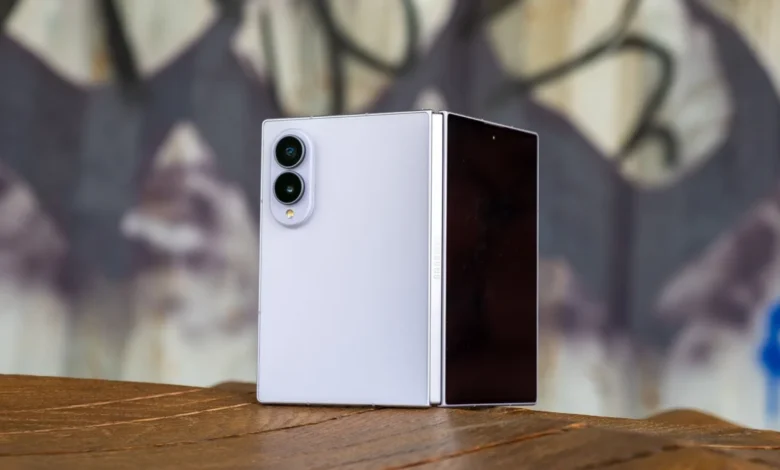
The global foldable smartphone market is experiencing a profound structural evolution, defined by shifting consumer preferences, intense international competition, and the impending arrival of new industry heavyweights. According to a recent market intelligence report published by Smart Analytics Global (SAG) detailing performance metrics for the third quarter of 2026, worldwide foldable shipments contracted slightly by 2% year-over-year, settling at just over 7.5 million units. Despite this minor contraction in overall volume, the landscape is heavily dominated by Samsung, which captured a staggering 69% of the global market share. This commanding lead has been largely attributed to the successful commercial rollout of the Galaxy Z Fold 8, a device that marks a pivotal design shift for the South Korean tech giant.
The figures underscore a turbulent yet resilient period for foldable devices. While the broader mobile industry continues to grapple with economic headwinds and sluggish consumer upgrade cycles, the foldable segment remains a crucial battleground for high-end market dominance. Samsung’s impressive performance—highlighted by a 13% year-over-year shipment increase this past quarter—demonstrates that consumer appetite for innovative form factors remains strong, provided the hardware addresses long-standing ergonomic and functional complaints.
The Rise of the Wide-Foldable Form Factor
At the heart of Samsung’s recent market surge is a fundamental redesign of its flagship book-style foldable. The Galaxy Z Fold 8 represents Samsung’s inaugural entry into the "wide-foldable" category, abandoning the taller, narrower aspect ratios of its predecessors in favor of a broader, more traditional outer display. This design philosophy closely mirrors trends pioneered by various Chinese original equipment manufacturers (OEMs), who previously found success with wider outer screens that offer a more natural typing and viewing experience when the device is closed.
SAG’s analysis highlights that this strategic pivot paid massive dividends for Samsung, driving double-digit shipment growth across key regional territories, most notably in South Korea and Europe. Industry analysts note that consumers had grown fatigued by the cramped cover screens of earlier generations, making the transition to a wider chassis the primary catalyst for Samsung’s resurgence.
However, Samsung does not stand alone at the top. Competitors such as Huawei continue to maintain a formidable presence, capturing 14% of the global foldable market share in the third quarter of 2026. Huawei’s market retention was anchored by devices like the Pura X View, widely recognized as one of the industry’s earliest iterations of the wide-foldable concept. Although Huawei experienced a minor year-over-year decline in total shipments due to intensifying regional competition and supply constraints, its brand loyalty and engineering capabilities ensure it remains a formidable adversary to Samsung’s hegemony.
A Retrospective Chronology: The Road to 2026

To fully understand the current dynamics of the foldable market, one must examine the rapid trajectory of the industry over the past several years. When foldable phones first transitioned from conceptual novelties to commercially viable products in the late 2010s, Samsung enjoyed an almost uncontested monopoly, establishing the category norms with its pioneering Galaxy Z Fold and Galaxy Z Flip lines. For years, Samsung held a comfortable majority of global shipments, treating iterative updates as standard procedure without facing severe competitive pressure.
The turning point for the industry arrived in early 2024. In a historic market shift during the first quarter of that year, Huawei officially surpassed Samsung to become the world’s leading vendor of foldable smartphones. Driven by an aggressive domestic rollout in China and rapid advancements in hinge durability and thinness, Huawei’s foldable shipments skyrocketed by an unprecedented 257% year-over-year in Q1 2024, while Samsung’s shipments dropped by 42% over the same period.
This unexpected dethroning served as a wake-up call for Samsung and other major Android manufacturers. It proved that the foldable market was no longer a sandbox owned by a single entity, and that consumer preferences were rapidly evolving past thick, heavy devices with awkward aspect ratios. The subsequent race to engineer thinner, lighter, and wider foldables defined the product cycles of 2025 and 2026, ultimately culminating in Samsung’s current redemption arc with the Galaxy Z Fold 8.
Broader Mobile Market Pressures and Economic Realities
The success of foldable devices stands in sharp contrast to the broader smartphone industry, which has faced severe structural declines. Recent macroeconomic data indicates that global smartphone shipments plummeted dramatically in the third quarter of 2026, marking the steepest contraction the industry has witnessed in over a decade. Saturated markets, lengthened replacement cycles, and rising component costs have squeezed profit margins across the board.
Even amidst this broader market downturn, premium and ultra-premium segments have shown remarkable resilience. Samsung’s ability to claim the top spot in overall device revenue during Q3 2026 was bolstered not only by the standard Galaxy Z Fold 8 but also by high-end variants like the Fold 8 Ultra. These devices cater to affluent consumers who are willing to pay a premium for cutting-edge technology, effectively insulating luxury manufacturers from the volume drops seen in the budget and mid-range sectors.
The 2027 Outlook: Apple’s Looming Entry and Forecasted Growth
Looking ahead, market researchers are projecting a dramatic turnaround for the foldable category. Smart Analytics Global has forecast an aggressive new growth cycle for 2027, predicting that global foldable shipments could surge by as much as 55% year-over-year. This anticipated expansion is expected to be catalyzed by a monumental event in mobile technology history: the expected mainstream market penetration and maturation of Apple’s long-rumored foldable device ecosystem, frequently referred to by analysts as the Apple iPhone Duo.

Apple’s entry into the foldable space is widely anticipated to legitimize the form factor for millions of mainstream consumers who have thus far remained hesitant to adopt Android-based alternatives. Industry experts predict that the Cupertino-based company’s arrival, combined with continued innovation from Samsung and aggressive pricing strategies from Chinese OEMs, will push wide-foldables into becoming the dominant luxury phone format by the end of next year.
The Pricing Dilemma and Consumer Affordability
Despite optimistic forecasts for 2027, significant economic hurdles remain. Industry analysts and consumer advocates point out that sustained market growth is fundamentally tethered to pricing strategies. As research and development costs mount, retail prices for mobile hardware have climbed steadily. Standard slab flagships regularly command prices upwards of $1,500, while cutting-edge foldables frequently cross the $2,000 threshold.
For the projected 55% growth rate to materialize, manufacturers will need to find viable pathways to lower production costs without compromising build quality or feature sets. High inflation and cautious consumer spending habits mean that everyday buyers are increasingly scrutinizing the value proposition of paying double or triple the price of a traditional smartphone for a folding display.
Implications and Final Analysis
The third quarter of 2026 has proven to be a watershed moment for the foldable smartphone market. Samsung has successfully reclaimed its narrative of innovation by listening to consumer feedback and pivoting toward the wide-foldable design philosophy, capturing a dominant 69% market share. However, the ecosystem remains volatile. With legacy competitors like Huawei continually refining their hardware and the undeniable shadow of Apple’s upcoming foldable ecosystem looming on the horizon, the competitive landscape of 2027 promises to be fiercely contested.
Ultimately, the future of the foldable market transcends mere hardware specifications. It will be decided by the delicate balance between technological ambition and consumer accessibility. If manufacturers can successfully navigate the pricing barrier while delivering durability and seamless software experiences, the foldable smartphone will officially transition from a niche luxury item into the definitive standard for mobile computing.