Fluance RT87 Turntable Review: A High-Fidelity Manual Experience for the Dedicated Vinyl Enthusiast

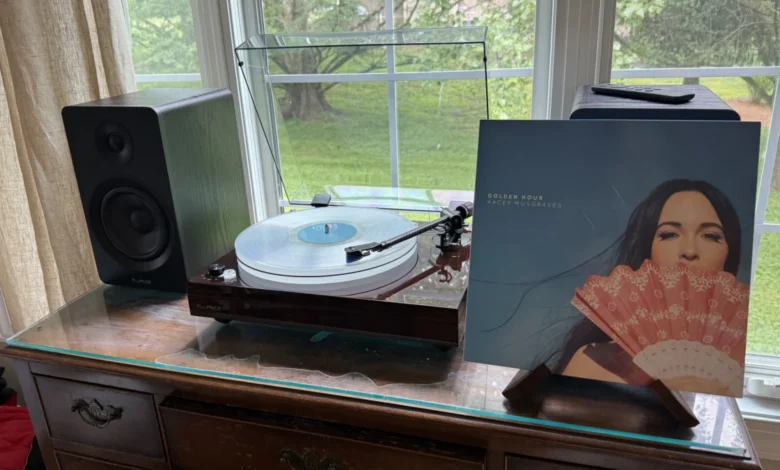
The Fluance RT87 represents a significant evolution in the Canadian audio manufacturer’s Reference Series, positioning itself as a premium "prosumer" deck designed to bridge the gap between entry-level convenience and high-end audiophile performance. Released in mid-June 2026, the RT87 is priced at $799.99 in the United States, with comparable pricing of £666.33 in the United Kingdom and AU$1,231.70 in Australia. This model arrives at a time when the global vinyl revival has shifted from a niche hobby into a multi-billion dollar industry, leading consumers to seek hardware that prioritizes sonic integrity over digital features like Bluetooth or internal preamplification.
By omitting common modern conveniences, Fluance has focused the RT87’s value proposition on its mechanical engineering and material quality. The turntable features a heavy-duty multi-layered MDF plinth, a high-density acrylic platter, and a carbon fiber tonearm. These components are designed to work in concert to minimize resonance and provide a stable platform for the high-performance cartridges offered with the unit: the Ortofon 2M Blue or the Audio-Technica AT-VM95ML. This strategic focus targets the "step-up" buyer—individuals moving away from budget-friendly, all-in-one players toward a dedicated, component-based analog system.
Technical Specifications and Design Philosophy
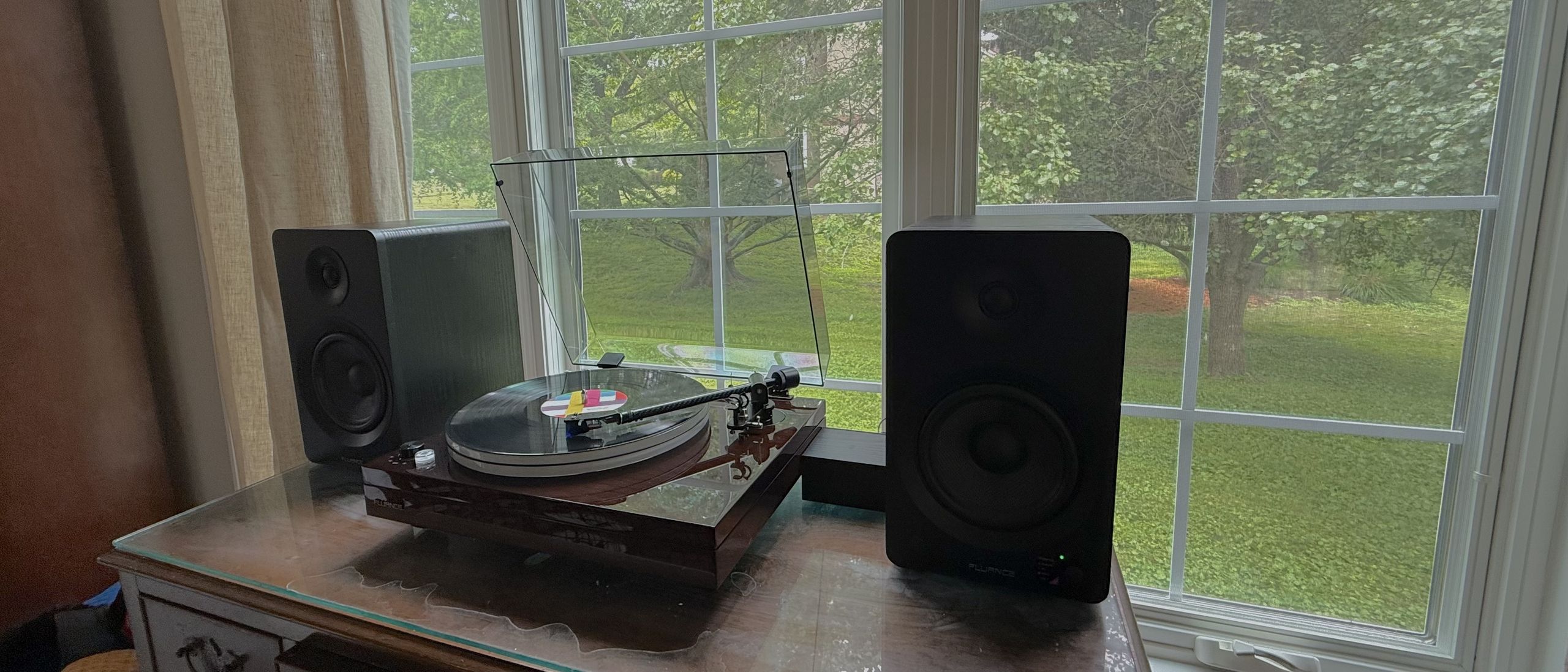
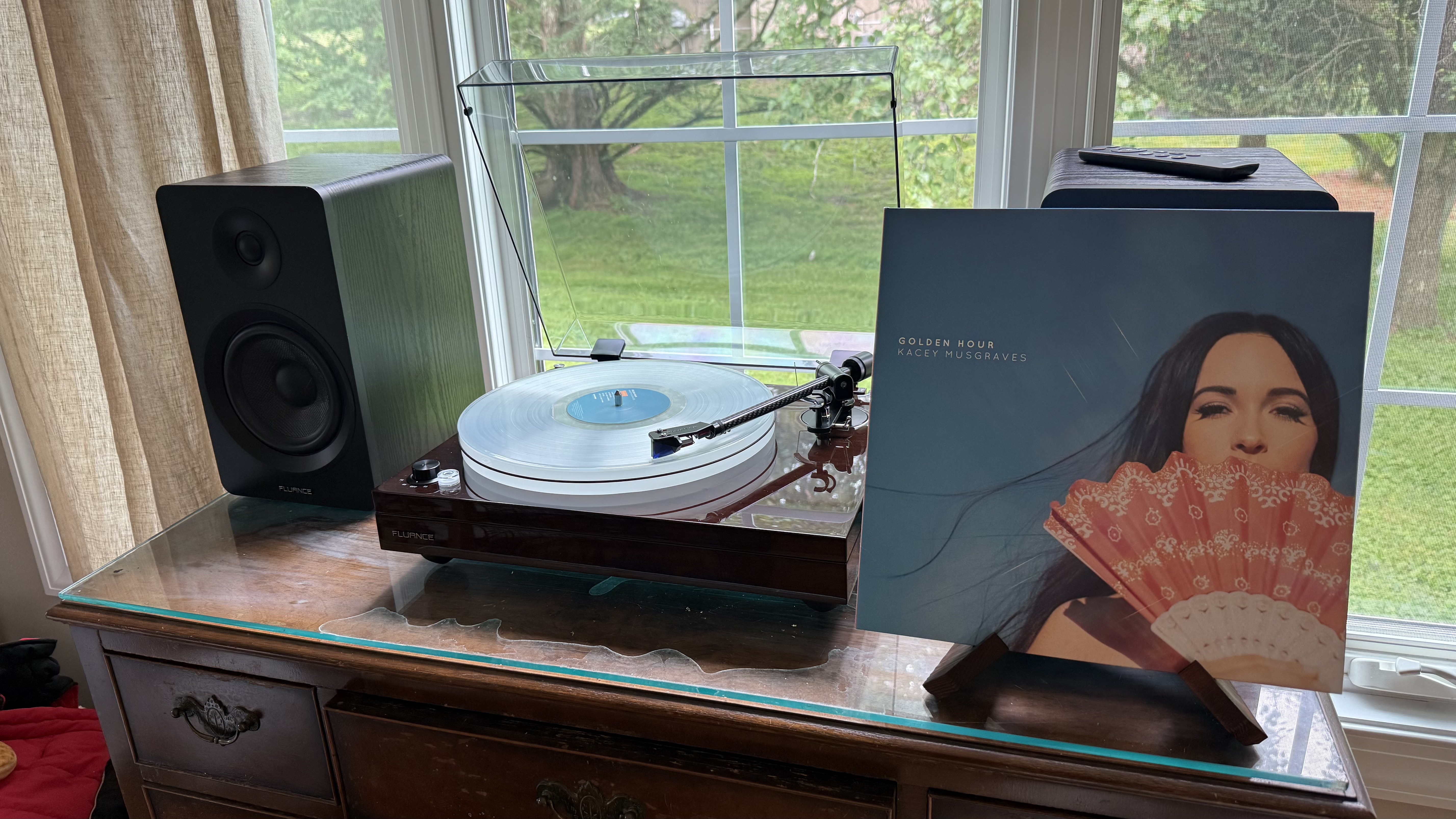
The design of the Fluance RT87 is rooted in the principle of mass-loading to combat vibration, which is the primary enemy of analog playback. The chassis is constructed from high-mass Medite MDF (Medium Density Fiberboard), which is inherently non-resonant. This results in a total unit weight of 21 pounds (9.5 kg), providing a level of stability rarely seen in sub-$1,000 turntables. The aesthetic remains consistent with the Fluance brand identity, offering high-gloss finishes in Natural Walnut, Piano Black, and Piano White.
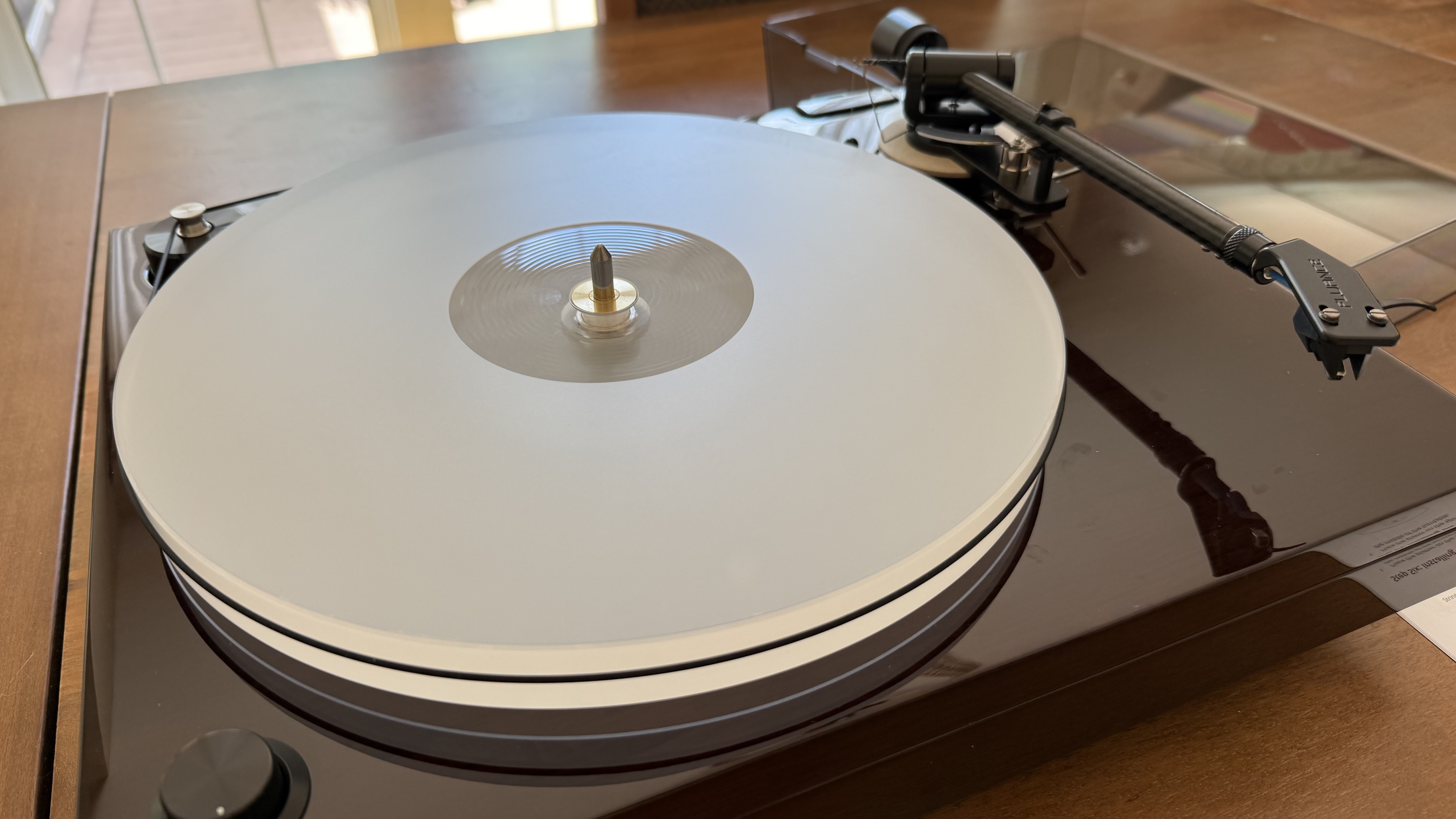
A standout feature of the RT87 is the 4.1-pound (1.85 kg) acrylic platter. Unlike traditional aluminum platters, which can "ring" and require rubber mats to dampen sound, acrylic has a density and mechanical impedance similar to the vinyl records themselves. This allows the record to be placed directly on the platter, theoretically reducing internal reflections and resulting in a clearer, more detailed soundstage. The platter is driven by a belt-drive system powered by an isolated motor, which further reduces the transmission of mechanical noise to the stylus.
The tonearm is a rigid, lightweight carbon fiber design. Carbon fiber is prized in turntable manufacturing for its high strength-to-weight ratio and its ability to dissipate energy. The tonearm includes a removable headshell, an adjustable counterweight, and a traditional anti-skate mechanism involving a weighted thread. While this setup requires more technical proficiency than a fixed-tonearm budget player, it allows for precise calibration and future cartridge upgrades.
Chronology of Setup and Operational Requirements
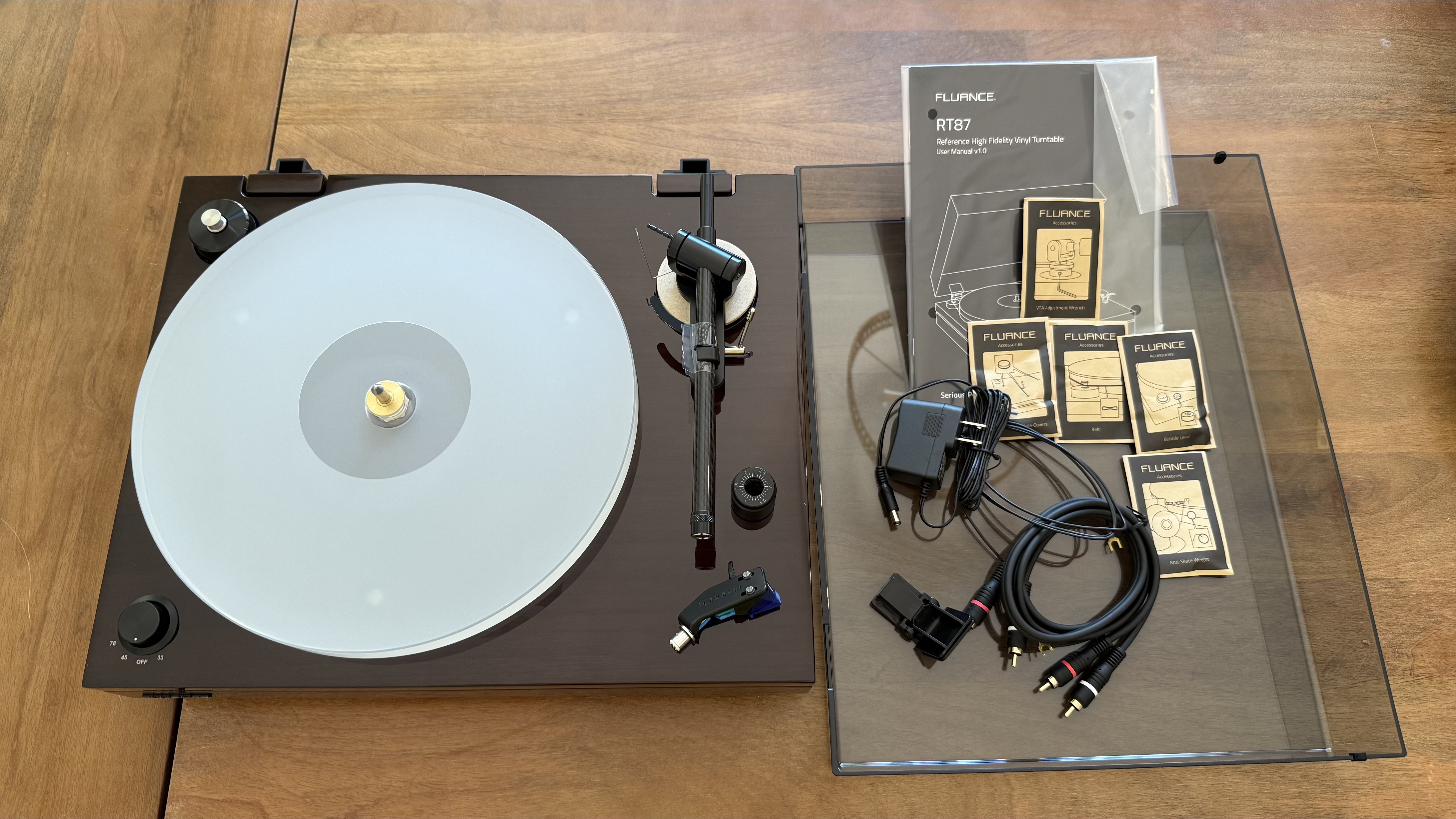
The Fluance RT87 is a fully manual turntable, meaning the user is responsible for every step of the playback process, from assembly to needle placement. The setup process is extensive and serves as an entry ritual for those pursuing high-fidelity audio. Upon unboxing, the user must install the acrylic platter, loop the drive belt around the motor pulley, and mount the chosen cartridge onto the tonearm.
Calibration is the most critical phase of the chronology. Users must utilize the included bubble level to adjust the three silicon-screwed feet, ensuring the plinth is perfectly horizontal. Following leveling, the tonearm must be balanced to achieve the correct tracking force for the specific cartridge. For the Ortofon 2M Blue, this typically requires a force of 1.8 grams. The anti-skate weight, a small lead ball on a thin nylon thread, must then be looped over the appropriate notch on the tonearm assembly to counteract the inward pull of the record grooves.
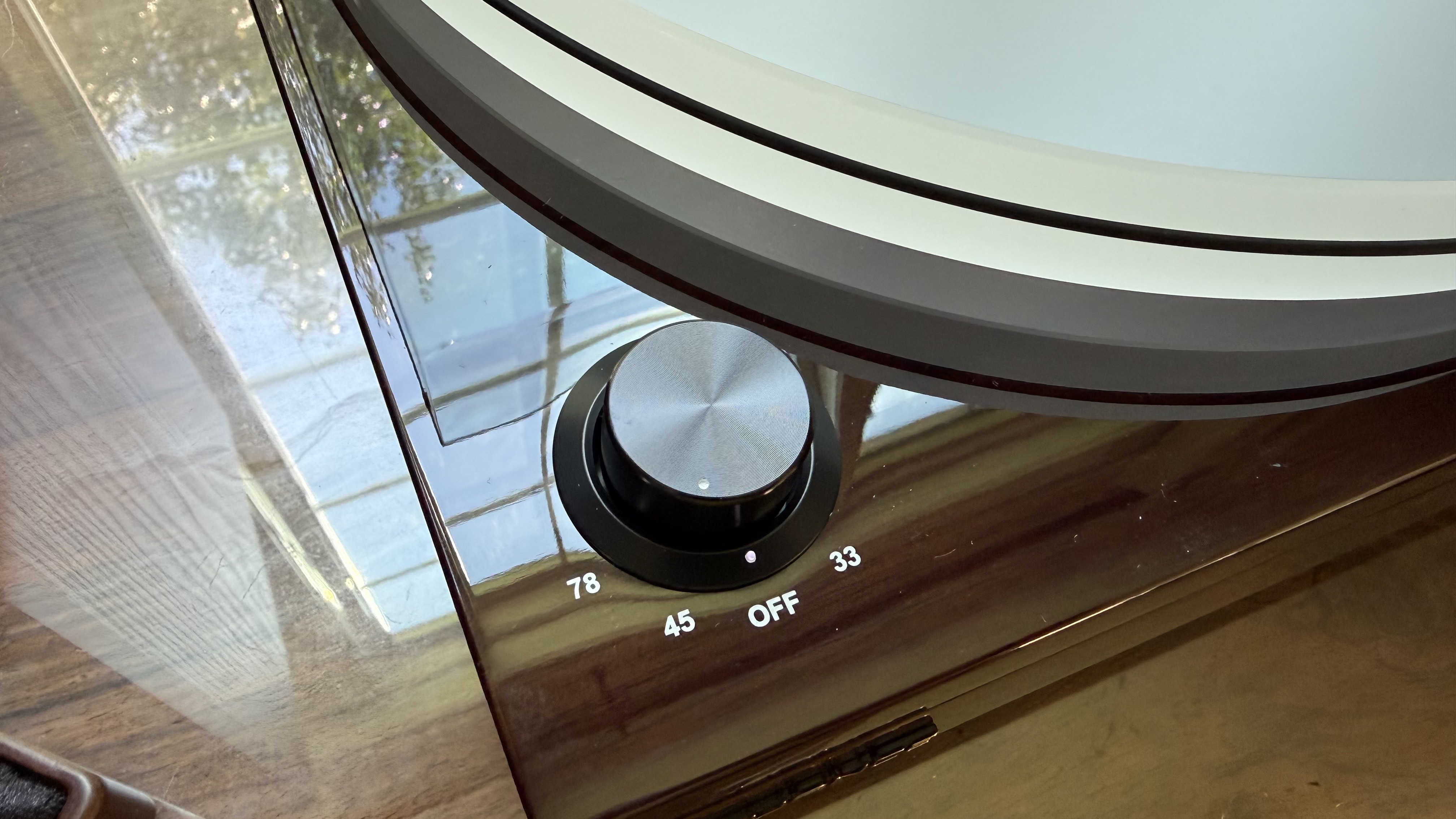
Operationally, the RT87 offers a three-speed selector (33, 45, and 78 RPM) located on the front-left corner of the plinth. This is a notable convenience, as many high-end manual turntables require the user to manually move the drive belt to a different pulley to change speeds. An auto-stop feature is included on the rear of the unit, which stops the platter rotation once the stylus reaches the lead-out groove, preventing unnecessary wear on the needle if the listener is not immediately available to lift the arm.
Audio Performance and Component Analysis
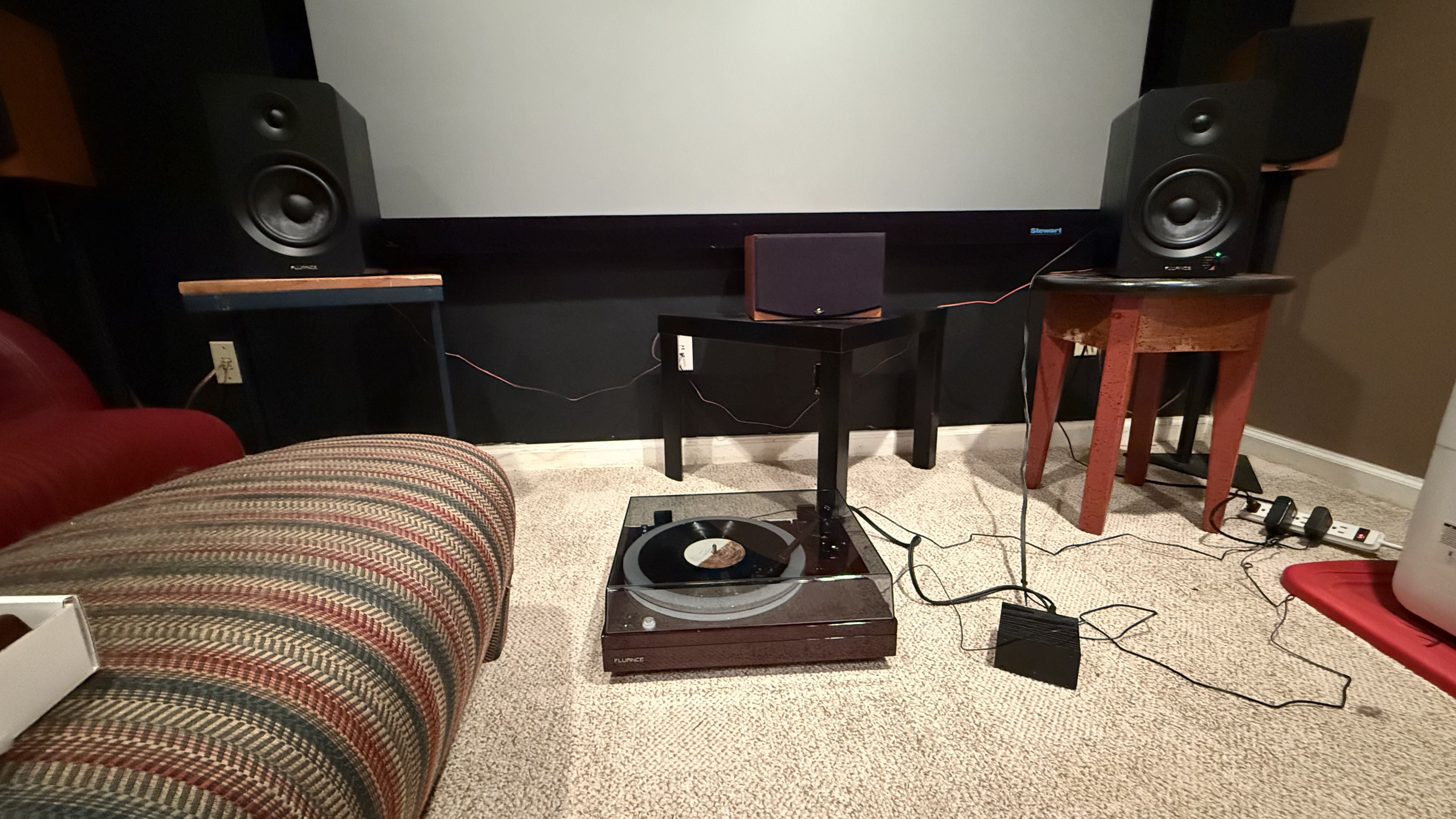
The sonic character of the Fluance RT87 is largely defined by its choice of cartridges. The Ortofon 2M Blue, featured in the primary review unit, is a significant upgrade over the bonded elliptical styli found on cheaper decks. The 2M Blue uses a "nude" elliptical diamond, meaning the entire tip is made of diamond rather than a diamond tip glued to a metal shank. This reduction in mass allows the stylus to track complex high-frequency information with greater accuracy.
In performance tests across various genres, the RT87 demonstrated a wide soundstage with precise imaging. On complex jazz arrangements, such as those found in Kamasi Washington’s "Harmony of Difference," the turntable successfully separated the various brass and percussion elements, placing them clearly within a three-dimensional space. The mid-range performance was noted for its "bloom" and warmth, particularly on vocal-heavy tracks like Kacey Musgraves’ "Slow Burn," where the analog nature of the medium provided a sense of presence often missing from compressed digital streams.
The bass response of the RT87 is described as tight and controlled rather than boomy. By using a high-mass platter and an isolated motor, Fluance has managed to lower the noise floor, allowing the subtle textures of a bass guitar or a kick drum to emerge without being obscured by mechanical rumble. Furthermore, the high headroom of the analog signal path ensures that the music remains clear and undistorted even during crescendo passages.
Market Positioning and Comparative Data
The $799.99 price point places the Fluance RT87 in direct competition with established industry stalwarts. Most notably, it competes with the Rega Planar 2 and the Pro-Ject Debut PRO. When compared to the Rega Planar 1 ($595), the Fluance RT87 offers a significantly heavier build and more sophisticated materials, such as the acrylic platter which is usually an aftermarket upgrade on other decks.
Supporting data suggests that the RT87 offers high value for money regarding its components. The Ortofon 2M Blue cartridge alone retails for approximately $189, representing nearly a quarter of the turntable’s total cost. In contrast, many competitors in this price range ship with the Ortofon 2M Red, which is a lower-tier model.
However, the lack of an internal phono preamp is a critical factor for potential buyers. While budget players like the Audio-Technica AT-LP60X or even Fluance’s own RT81 include a preamp, the RT87 requires an external unit or an amplifier with a dedicated "Phono" input. Fluance offers the PA10 Phono Preamp for $99.99 to complement the unit. This exclusion is a deliberate choice by Fluance to cater to purists who believe that internal electronics can introduce electromagnetic interference into the delicate signal from the cartridge.
Industry Implications and Broader Impact
The release of the Fluance RT87 highlights a broader trend in the consumer electronics industry: the "premiumization" of analog audio. As vinyl sales continue to grow—surpassing CD sales for the second consecutive year in 2023 and continuing that trajectory through 2025—manufacturers are finding that consumers are willing to pay more for hardware that treats the record as a serious medium rather than a retro novelty.
The RT87’s focus on manual operation and high-quality materials signals a move away from the "plastic" feel of early-2000s turntables. This shift has implications for the manufacturing sector, where there is renewed demand for high-precision mechanical parts, carbon fiber components, and specialized MDF machining.
From a lifestyle perspective, the RT87 reinforces the "slow listening" movement. The requirement for manual setup, record cleaning, and careful tonearm placement encourages a more meditative and intentional relationship with music. For the audio industry, the success of the RT87 suggests that there remains a robust market for products that do one thing exceptionally well—play records—without the need for integrated smart features or wireless connectivity.
Conclusion and Final Assessment
The Fluance RT87 is a formidable contender in the mid-range turntable market. It is built with a level of mechanical integrity that justifies its "prosumer" label, offering a heavy plinth, a superior acrylic platter, and top-tier cartridge options. While the lack of a built-in preamp and the requirement for a meticulous manual setup may deter casual listeners or those accustomed to the plug-and-play nature of digital audio, these same traits are what make the RT87 attractive to the serious enthusiast.
For the listener ready to move beyond entry-level equipment, the RT87 provides a tangible improvement in sound quality, characterized by a lower noise floor, improved tracking, and a more expansive soundstage. It stands as a testament to Fluance’s ability to deliver high-end audiophile features at a price point that remains accessible to the dedicated hobbyist. As the vinyl market matures, the RT87 is positioned as a benchmark for what a modern, serious manual turntable should be.