Google Rolls Out Neural Expressive Redesign to Gemini for macOS, Enhancing Cross-Platform AI Experience

In a significant update aligning its artificial intelligence offerings across a broader ecosystem, Google has today announced the deployment of its Neural Expressive redesign to Gemini for macOS. This rollout, accompanying the introduction of the 3.6 Flash model, marks a crucial step in standardizing the visual and interactive experience of Google’s flagship AI assistant across various devices and operating systems, ensuring a consistent and modern interface for users.
A Unified Design Vision: The Neural Expressive Language

The Neural Expressive design language, first unveiled at the highly anticipated Google I/O 2026 in May, initially debuted on Gemini applications for Android, iOS, and the web. Its arrival on the macOS application signifies Google’s continued commitment to a unified user experience (UX) across its diverse product portfolio. This design philosophy is not merely a cosmetic overhaul but a strategic move to enhance intuitiveness, improve accessibility, and solidify Gemini’s brand identity across all touchpoints.
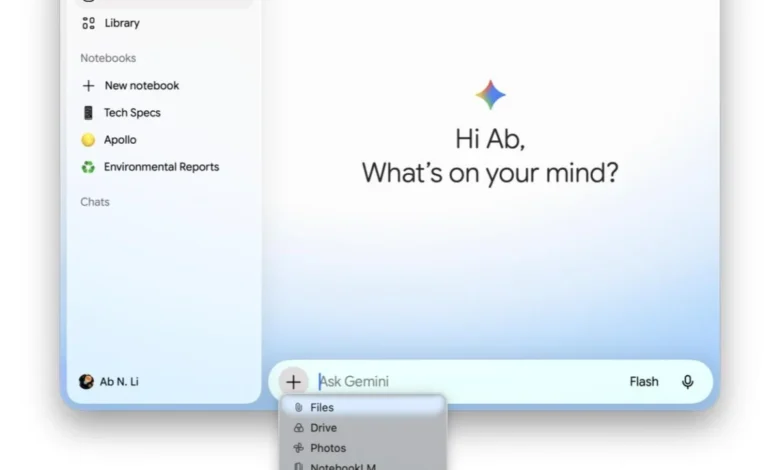
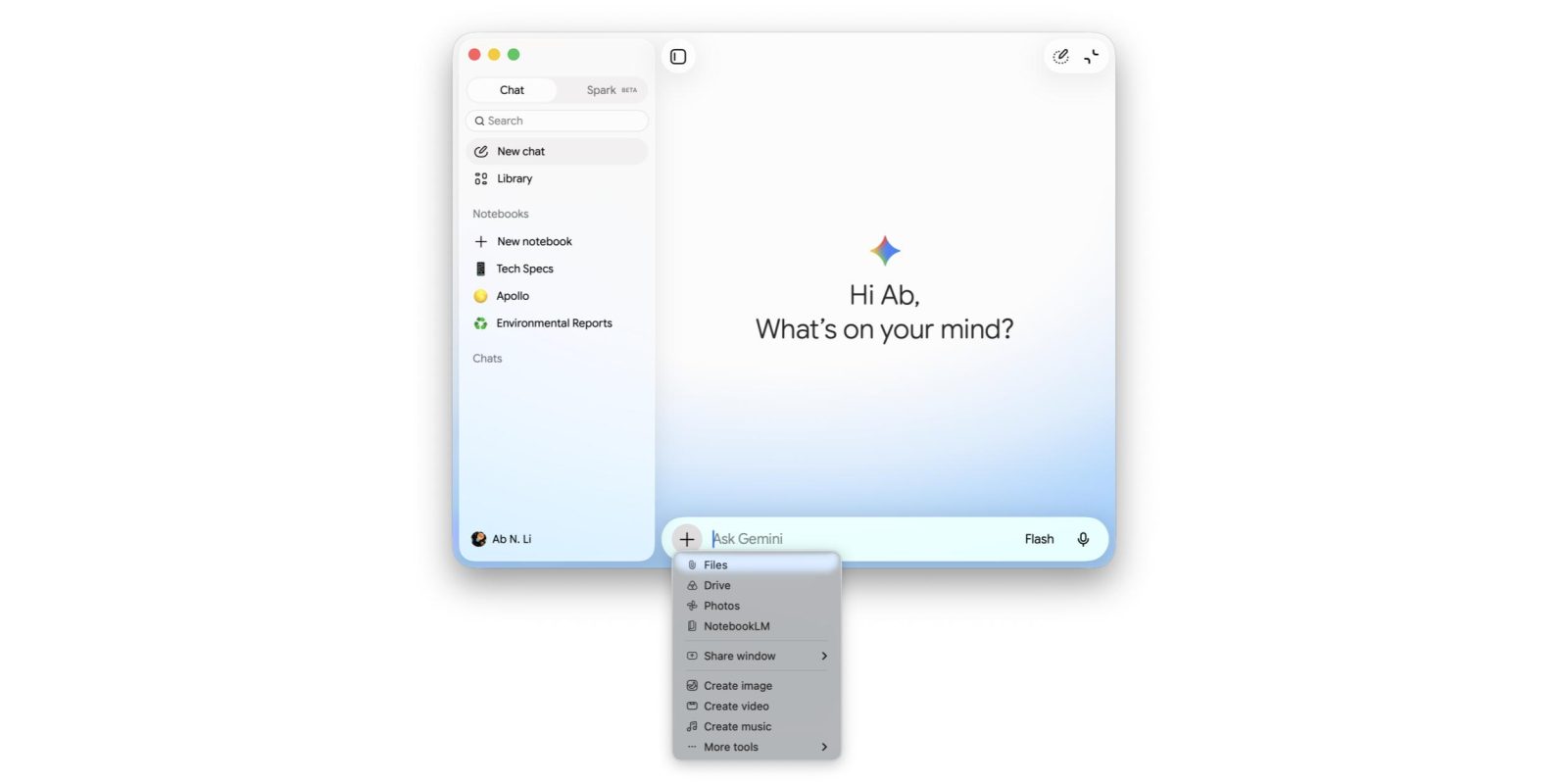
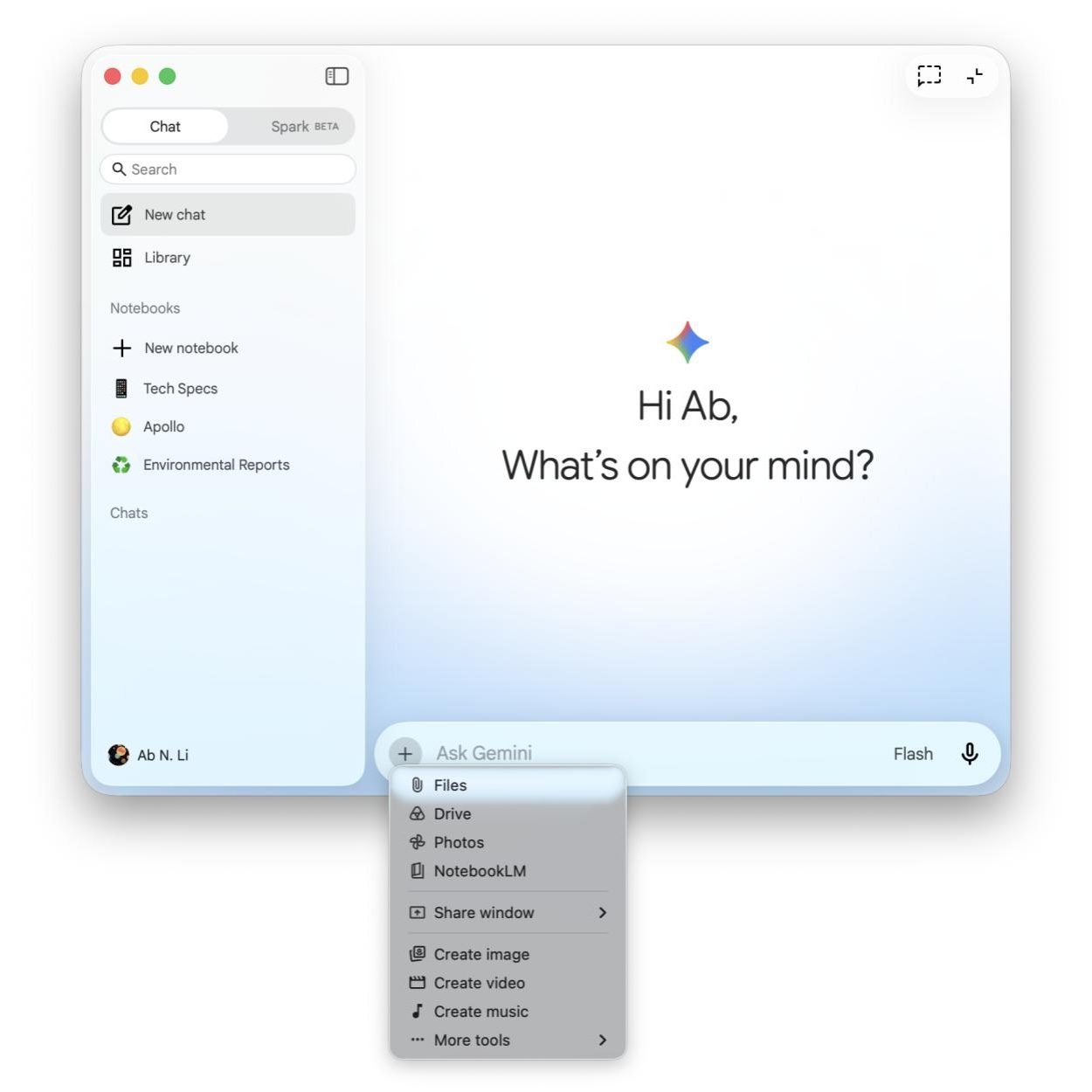
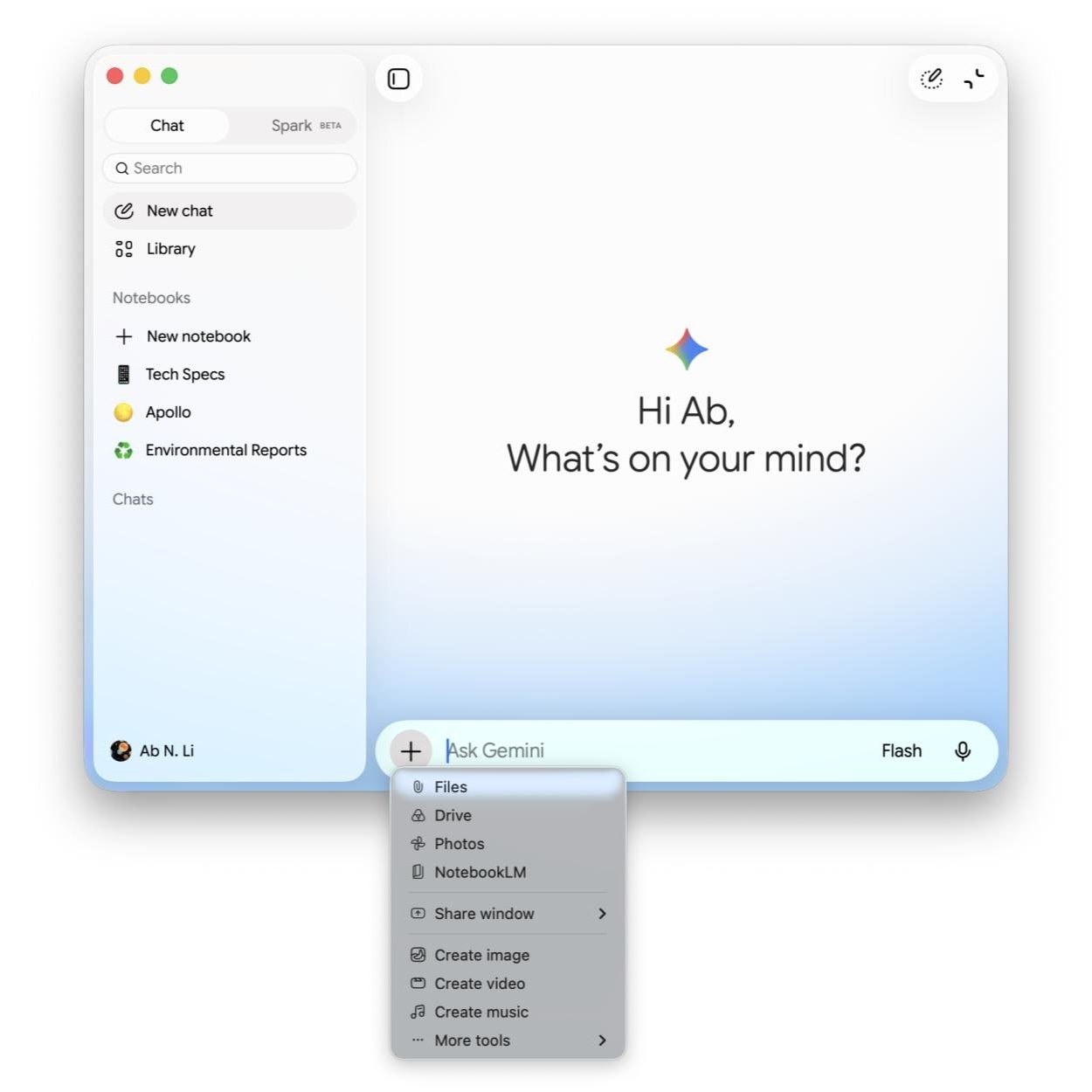
Upon launching the updated Gemini for macOS, users will immediately notice a series of refined visual elements designed to create a more cohesive and visually appealing interface. A vibrant, colorful gradient temporarily frames the prompt bar at startup, serving as a subtle yet engaging visual cue. Throughout the application, all icons have been meticulously updated to a sleek, thin outline style, contributing to a minimalist and contemporary aesthetic. The homepage, the primary interaction point for many users, features refreshed buttons for critical functions such as accessing the side panel, initiating voice input, starting a temporary chat session, and switching between the full application and mini-view modes. Notably, the full app/mini view toggle has been redesigned with a rounded form factor, adding to the overall soft and modern feel. Furthermore, the "plus" menu, which typically offers additional functionalities or content creation options, now presents new icons, ensuring visual consistency with its counterparts on other platforms.
Beyond the main interface, the navigation drawer has also undergone a transformation, adopting pill-shaped indicators to clearly denote the user’s current view. This subtle yet effective design choice enhances navigation clarity and modernizes the application’s overall look. The Settings menu, a critical area for customization and control, has similarly been updated, reflecting the Neural Expressive principles of clarity and streamlined design. This comprehensive visual refresh is delivered with version 1.86 of Gemini for macOS, underscoring Google’s iterative approach to product development and refinement.
The Evolution of Gemini’s Interface: A Chronological Perspective
The journey towards the Neural Expressive design for Gemini has been a multi-stage process, reflecting Google’s evolving strategy for its AI assistant.
- Pre-I/O 2026: Earlier versions of Gemini, across various platforms, often shared a "bottom sheet" design for their prompt boxes. This design approach aimed to unify the AI experience across the company’s ecosystem, from mobile apps to web interfaces. While offering a consistent look, Google identified opportunities for further refinement in terms of modernity, expressiveness, and platform-specific integration. An example of this older design language can still be observed in applications like the Google Health Coach.
- May 2026 – Google I/O: The annual developer conference served as the grand stage for the unveiling of the Neural Expressive design language. This marked a pivotal moment, signaling Google’s renewed focus on a more dynamic and visually engaging AI interface. The design initially rolled out to Gemini on Android, iOS, and the web, demonstrating Google’s commitment to prioritizing its core mobile and web platforms. The "Neural Expressive" moniker itself hints at an interface designed not just for utility but also for a more fluid and responsive interaction, mimicking human-like communication.
- July 2026 – Concurrent Updates: Today’s announcement is part of a broader wave of updates from Google. Alongside the Neural Expressive redesign for macOS, Google also launched the Gemini 3.6 Flash model. This model update, while distinct from the design changes, highlights Google’s continuous advancements in AI capabilities, often delivered in tandem with user interface enhancements to maximize impact and user utility.
- This Week – Android AI Mode Refinements: In a related development, Google has also rolled out the latest design for AI Mode on Android devices this week. This update features a notable change where the prompt box now appears as a floating container, moving away from its previous docked position at the bottom of the screen. This floating design offers greater flexibility and a more dynamic interaction area. Additionally, the "plus" menu and submit button in AI Mode on Android have been encapsulated in pill-shaped containers, further aligning with the broader Neural Expressive aesthetic and enhancing visual consistency across the Google AI ecosystem.
Interestingly, while Gemini for macOS now embraces the Neural Expressive design, the Gemini for Chrome side panel continues to utilize the previous design language. This suggests a phased rollout approach, where different platforms and integrations receive updates based on development cycles, testing, and strategic priorities.
The Philosophy Behind Neural Expressive: More Than Just Aesthetics
The introduction of the Neural Expressive design language extends beyond mere cosmetic changes. It embodies several core principles that Google is emphasizing in its AI strategy:
- Consistency Across Platforms: In an increasingly multi-device world, users expect a seamless experience regardless of the platform they choose. By bringing Neural Expressive to macOS, Google reinforces its commitment to providing a unified interaction paradigm, reducing cognitive load and improving user familiarity. This consistency is crucial for building user loyalty and making Gemini a default AI assistant.
- Enhanced Expressiveness and Responsiveness: The "Expressive" component of the design name suggests an interface that is more dynamic, responsive, and engaging. Visual cues like the colorful gradient and updated icons aim to make interactions feel more lively and less static, mirroring the evolving capabilities of the AI itself. As AI becomes more sophisticated, its interface must evolve to convey that sophistication and responsiveness effectively.
- Modern and Clean Aesthetics: The thin outline icons, rounded elements, and pill-shaped indicators contribute to a modern, clean, and uncluttered interface. This aligns with contemporary UI/UX trends that prioritize clarity, readability, and a sense of spaciousness, reducing visual noise and focusing user attention on the core AI interaction.
- Improved Usability and Accessibility: While often subtle, design updates like clearer navigation indicators (pill-shaped) and thoughtfully placed buttons (floating prompt box) can significantly enhance usability. By streamlining the interface and improving visual hierarchy, Google aims to make Gemini more accessible and intuitive for a wider range of users, including those with varying levels of technical proficiency.
- Strengthening Brand Identity: A distinctive and consistent design language helps solidify Gemini’s brand identity. As Google positions Gemini as a central pillar of its future, a strong visual brand is essential for differentiation in a competitive AI landscape. The Neural Expressive design helps convey Gemini as a sophisticated, modern, and user-friendly AI.
Broader Implications and Market Context
Google’s continued investment in the design and functionality of Gemini, particularly its expansion to macOS, carries significant implications for the broader technology landscape.
- Competitive Landscape: The AI assistant market is fiercely competitive, with players like OpenAI (ChatGPT), Microsoft (Copilot), and Apple’s own evolving AI initiatives vying for user attention. By providing a polished and deeply integrated experience on macOS, Google directly competes with Apple’s native offerings and ensures Gemini remains a compelling choice for users who operate within the Apple ecosystem but prefer Google’s AI capabilities. This move underscores Google’s strategy to make Gemini platform-agnostic, available and optimized wherever users might need it.
- User Adoption and Retention: A superior user interface can be a critical differentiator in driving adoption and ensuring long-term user retention. If Gemini is visually appealing, easy to use, and performs consistently across devices, users are more likely to integrate it into their daily workflows, whether for productivity, information retrieval, or creative tasks. The iterative improvements signal Google’s commitment to user satisfaction.
- The Future of AI Integration: The trend towards unified design across platforms suggests a future where AI assistants are not siloed applications but rather omnipresent, seamlessly integrated tools that adapt to the user’s context and device. Google’s Neural Expressive design is a step towards this vision, where the underlying AI intelligence is accessible through a consistent, intuitive, and visually harmonious interface, regardless of the operating system.
- Impact on Productivity and Workflow: For macOS users, the updated Gemini app could enhance productivity by offering a more streamlined and visually pleasing interface for interacting with the AI. Whether drafting emails, summarizing documents, generating ideas, or coding, a well-designed AI assistant can significantly augment human capabilities. The design refinements aim to make these interactions smoother and less distracting.
Looking Ahead: The Continued Evolution of Google’s AI Ecosystem
The deployment of the Neural Expressive redesign to Gemini for macOS, coupled with the ongoing refinements to AI Mode on Android and the introduction of advanced models like 3.6 Flash, underscores Google’s relentless pursuit of AI excellence. While the Gemini for Chrome side panel awaits its design update, the trajectory is clear: Google is committed to creating a robust, unified, and visually sophisticated AI experience across all major platforms.

This strategic emphasis on design and user experience is crucial as AI becomes increasingly embedded in daily life. A powerful AI is only as effective as its interface allows it to be. By investing in design languages like Neural Expressive, Google aims to ensure that Gemini is not just intelligent but also intuitive, accessible, and a pleasure to interact with, positioning itself strongly in the rapidly evolving landscape of artificial intelligence. The updates reflect a maturing product and a clearer vision for how Google intends to integrate its most advanced AI capabilities into the lives of millions worldwide.