Unbound The Cartography Art Book by Francesca Baerald brings the master of fantasy mapping to the physical realm in a record-breaking campaign

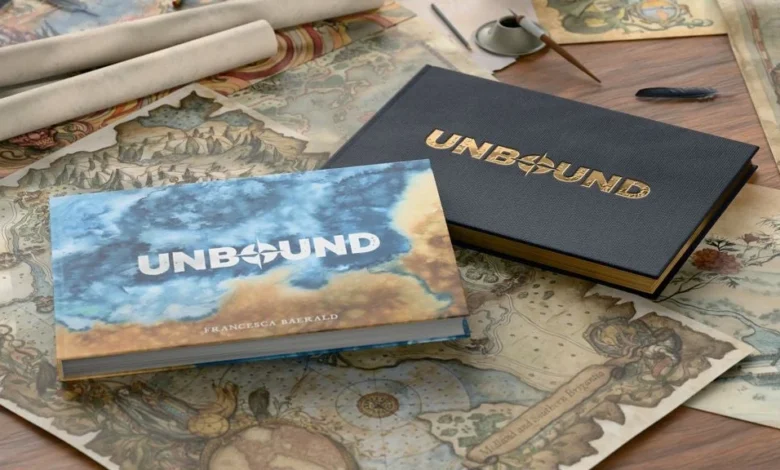
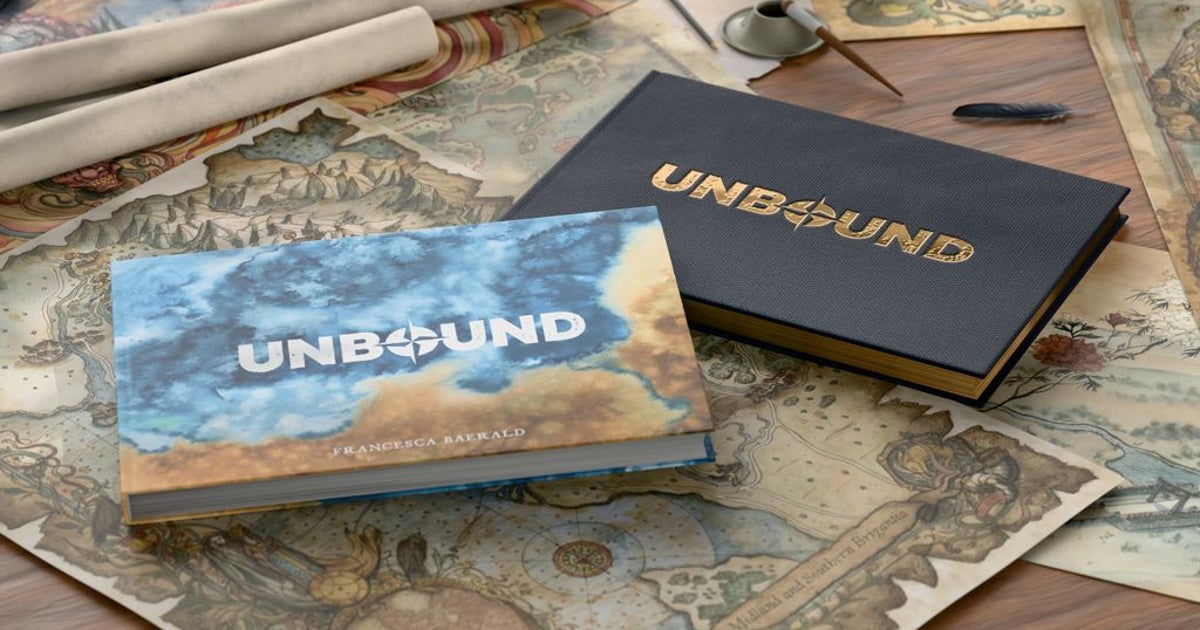
For decades, the immersive power of digital role-playing games and tabletop adventures has relied on the delicate, intricate cartography of Francesca Baerald. Her work has served as the visual backbone for some of the most iconic franchises in modern gaming, including Dragon Age, Diablo, and Dungeons & Dragons. Now, these sprawling worlds are being consolidated into a definitive physical collection titled Unbound, a massive, oversized A3 art book that has already shattered its initial crowdfunding targets on Kickstarter.
The project represents more than just a coffee-table companion; it is a celebration of the intersection between traditional fine arts and digital interactive entertainment. By compiling over 250 maps spanning Baerald’s extensive career in video games, tabletop RPGs, and graphic novels, the book offers an unprecedented look at the labor-intensive process of world-building through the eyes of one of the industry’s most respected cartographers.
A Masterclass in Crowdfunding Success
The campaign for Unbound launched with a goal of £20,000, a modest target for a production of this scale. However, the project resonated deeply with the gaming and fantasy community, surpassing its initial funding goal by more than 400 percent within its first few weeks. This rapid influx of support underscores a growing demand for high-end, physical artifacts in an increasingly digitized gaming landscape.
The book is currently listed as 99 percent complete, with the final stages of production focused on ensuring the color fidelity of the hand-painted originals. While the crowdfunding phase is still active, the sheer volume of support suggests that Unbound will be one of the most significant releases in the history of fantasy art publishing. Shipments are currently slated to begin in the summer of the coming year, providing ample time for the meticulous archival and binding process required for a work of this caliber.
The Philosophy of the Physical Map
Francesca Baerald’s methodology stands in stark contrast to the industry-standard reliance on digital design software. While most game environments are built and mapped using sophisticated CAD and vector tools, Baerald creates her works almost exclusively by hand, employing traditional watercolor techniques. This dedication to physical medium imbues her maps with a textured, organic quality that feels distinctly "lived-in," a hallmark that has made her a highly sought-after collaborator for developers like Blizzard Entertainment and BioWare.

In previous discussions regarding her creative process, Baerald has emphasized that her goal is not merely to provide players with a functional tool for navigation, but to create an invitation into a narrative space. She views the map as a "welcoming doorway," a decorative threshold that signals to the player that they are crossing from the mundane world into a realm of high fantasy. By favoring the brush over the stylus, she ensures that every mountain range, forest, and settlement carries the weight of human touch, preventing the clinical sterility that can sometimes accompany purely digital cartography.
Tiers of Production and Craftsmanship
The pricing structure for Unbound reflects the premium nature of the materials involved. The Standard Edition is priced at €150, reflecting the high cost of A3 printing and archival-grade paper. For collectors seeking a more immersive experience, a Premium Edition is available for €250.
Perhaps most impressive is the limited-run, luxury edition, priced at €2,000. This version is not mass-produced in a traditional factory setting; instead, it is hand-bound in Italy by the artisans at Bottega dei Gozzi. These binders utilize ancient, time-honored techniques to ensure the longevity of the volume, mirroring the historical aesthetics often found in the fantasy maps themselves. The existence of such a high-tier option highlights the "art-object" status that gaming memorabilia has attained in recent years, shifting from mere collectibles to fine art investments.

The Evolution of In-Game Cartography
The role of the map in gaming has shifted dramatically since the early days of text-based adventures and pixelated navigation. In modern titles like Diablo IV or the various iterations of the Warcraft universe, the map is a central component of the player experience, often serving as the interface through which players interact with vast, open worlds. Baerald’s contribution to this field has been to elevate the map from a functional UI element to a piece of world-building lore.
Historically, in-game maps were often utilitarian, designed for clarity above all else. Baerald’s influence has helped normalize the trend of "diegetic" maps—maps that exist within the lore of the world and look as though they were drawn by a cartographer living within that universe. This approach enhances the suspension of disbelief, grounding the player in the setting rather than reminding them that they are playing a software product.
Implications for the Art Publishing Industry
The success of Unbound serves as a bellwether for the broader art publishing sector within the gaming industry. It demonstrates that there is a significant, affluent audience willing to pay a premium for high-quality, physical documentation of virtual experiences. This trend has been building over the last decade, with art books for games like Elden Ring and The Legend of Zelda becoming staples of the industry’s publishing ecosystem.

However, Unbound distinguishes itself by focusing on a specific craft—cartography—rather than character design or environmental concept art. By highlighting the map, the book validates the work of specialized artists who were previously relegated to the background of game development credits. As the industry continues to professionalize and recognize the value of its peripheral contributors, projects like this will likely become more common, shifting the focus from the game engine to the human hands that draft the worlds.
The Road Ahead: Production and Distribution
With the crowdfunding phase nearing its conclusion, the focus for Baerald and her team shifts to the logistics of a global rollout. The challenge of producing an A3-sized book with complex hand-binding requirements is significant, particularly given the global supply chain pressures affecting the printing industry. However, the decision to work with specialized European artisans suggests a commitment to quality over speed.
For those interested in the project, the Kickstarter page remains the primary source for updates. It provides a transparent timeline, including the current status of the plates and the ongoing negotiations with shipping partners to ensure these oversized volumes reach backers without damage.

Broader Impact on Digital Narrative
The enduring popularity of Baerald’s work, and the enthusiastic response to this book, points to a deeper human desire for the tangible. In an era where game assets are stored in the cloud and digital storefronts can change or remove content at a moment’s notice, the act of owning a physical, printed record of a game world provides a sense of permanence.
By immortalizing her work in a format that does not require a console or a software patch, Baerald is effectively archiving the "spirit" of the games she has helped shape. This is an essential contribution to the history of interactive media. As scholars and historians begin to treat video games as a significant cultural movement of the 21st century, these physical art books will become the primary sources for future research into how these worlds were conceived and rendered.
Summary of Key Data
- Campaign Scope: The Kickstarter project for Unbound has raised over 400% of its initial £20,000 goal.
- Content Volume: The book features over 250 individual map illustrations.
- Production Techniques: The high-end editions utilize traditional Italian book-binding techniques, specifically involving the Bottega dei Gozzi workshop.
- Medium: All original maps are hand-painted in watercolor, prioritizing traditional artistic methods over digital rendering.
- Timeline: The project is 99% complete as of the latest update, with delivery scheduled for the summer of the following calendar year.
Conclusion
The Unbound project is a testament to the maturation of the gaming industry. It moves beyond the simple consumption of software and into the appreciation of the technical and artistic craft that makes modern fantasy possible. Whether for the casual fan of Dungeons & Dragons or the serious collector of high-fantasy art, the book offers a rare opportunity to own a piece of the worlds that have defined a generation of gaming. Francesca Baerald’s work remains a vital link between the old-world traditions of cartography and the new-world frontiers of digital exploration.
Related posts: