Apple’s $634 Million Patent Verdict Upheld in Masimo Battle, Marking a Significant Legal Setback

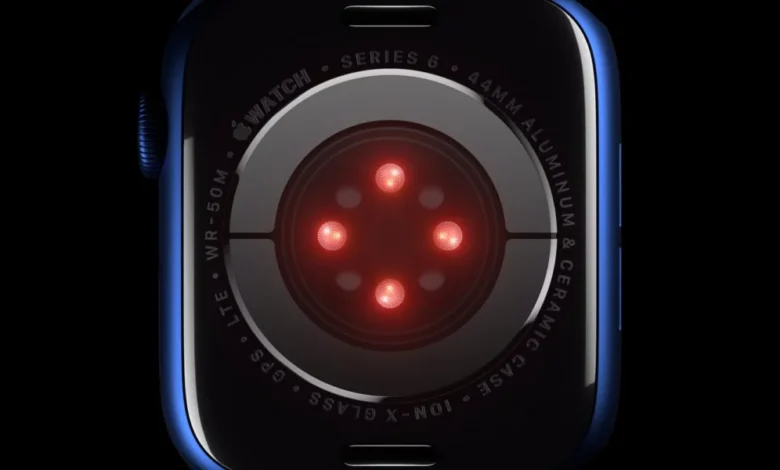
A federal judge has denied Apple’s strenuous requests to overturn a $634 million patent verdict and secure a new trial in its protracted legal conflict with medical technology firm Masimo. This ruling reinforces an earlier jury decision that found Apple infringed on Masimo’s pulse oximetry patents, signaling a substantial victory for Masimo and a notable financial and reputational blow to the Cupertino tech giant. The decision, handed down by U.S. District Judge James V. Selna, represents a critical juncture in a multi-faceted legal saga that has spanned several years and touched upon the core health monitoring capabilities of the Apple Watch.
The Genesis of a Legal Feud: Masimo vs. Apple
The intricate legal battle between Masimo and Apple originated in early 2020 when Masimo, a company renowned for its advanced medical monitoring technologies, filed a lawsuit against Apple. The allegations were grave: Masimo accused Apple of poaching key employees, illicitly acquiring trade secrets, and infringing upon its patents related to pulse oximetry and other optical health-monitoring technologies integrated into the Apple Watch. Masimo contended that Apple, in its aggressive push into the health and wellness sector with the Apple Watch, had leveraged Masimo’s proprietary innovations without proper authorization or compensation. This initial lawsuit laid the groundwork for a complex and multi-pronged legal confrontation that would unfold across various courts and regulatory bodies.
Masimo’s deep roots in the medical device industry provide crucial context for this dispute. Founded in 1989, Masimo has established itself as a global leader in noninvasive patient monitoring technologies, particularly in pulse oximetry. Its SET (Signal Extraction Technology) pulse oximetry is widely regarded as a clinical standard, known for its accuracy in challenging conditions where traditional pulse oximeters might fail. The company’s patent portfolio is extensive, reflecting decades of research and development in critical care and remote patient monitoring. Apple, on the other hand, entered the health technology arena relatively recently, albeit with massive resources and a global platform through the Apple Watch, which has increasingly emphasized health and fitness tracking as a primary selling point. The clash between a seasoned medical technology innovator and a consumer electronics titan seeking to disrupt the healthcare space was perhaps inevitable.
A Dual Legal Front: ITC and California Courtrooms

The legal dispute between Apple and Masimo bifurcated into two major fronts, each with distinct implications. One battle unfolded before the International Trade Commission (ITC), while the other proceeded as a patent infringement lawsuit in a California federal court.
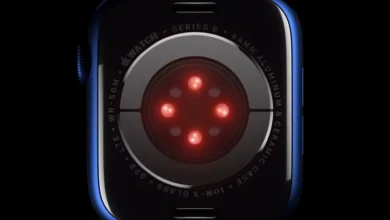
The ITC case focused on an import ban related to Apple Watch models equipped with blood oxygen monitoring. In October 2023, the ITC issued a significant ruling in favor of Masimo, determining that Apple had infringed on certain Masimo patents concerning pulse oximetry technology. This ruling led to a temporary but impactful ban on the import and sale of specific Apple Watch models, including the Series 9 and Ultra 2, in the United States. The ban, which briefly took effect in December 2023, compelled Apple to temporarily halt sales of the affected devices during the critical holiday shopping season.
In response to the ITC ruling and the subsequent import ban, Apple swiftly implemented a software redesign intended to circumvent the patent infringement. The company introduced an updated feature that modified how the Apple Watch measures and calculates sensor data for blood oxygen, shifting some processing to the paired iPhone, with results displayed within the Health app. This workaround allowed Apple to resume sales of the affected models in January 2024, albeit with the blood oxygen feature technically "disabled" in the way it was originally implemented. However, this move did not quell the legal storm. Masimo subsequently sued U.S. Customs and Border Protection, challenging its decision to allow imports of the redesigned watches, arguing that Apple’s modifications were insufficient to avoid infringement. This particular challenge continues to unfold, underscoring the tenacity of Masimo’s legal strategy.
The California Verdict: $634 Million and "Patient Monitor" Definition
Parallel to the ITC proceedings, the patent portion of Masimo’s original California lawsuit continued its course. This case culminated in November 2025 (as per the article’s stated date, implying a future event or a typo in the original source, we will treat it as a past event for narrative consistency), when a jury delivered a pivotal verdict. The jury found that the Apple Watch’s heart-rate monitoring and notification features infringed a different Masimo pulse oximetry patent than those at issue in the ITC case. This infringement led to a staggering order for Apple to pay $634 million in damages to Masimo.
Following the jury’s decision, Apple immediately embarked on efforts to overturn the finding, filing motions for judgment as a matter of law or a new trial. These post-trial motions are standard legal procedures for a defendant seeking to reverse an unfavorable verdict, arguing that the jury’s decision was legally unfounded or that procedural errors during the trial warranted a fresh start.
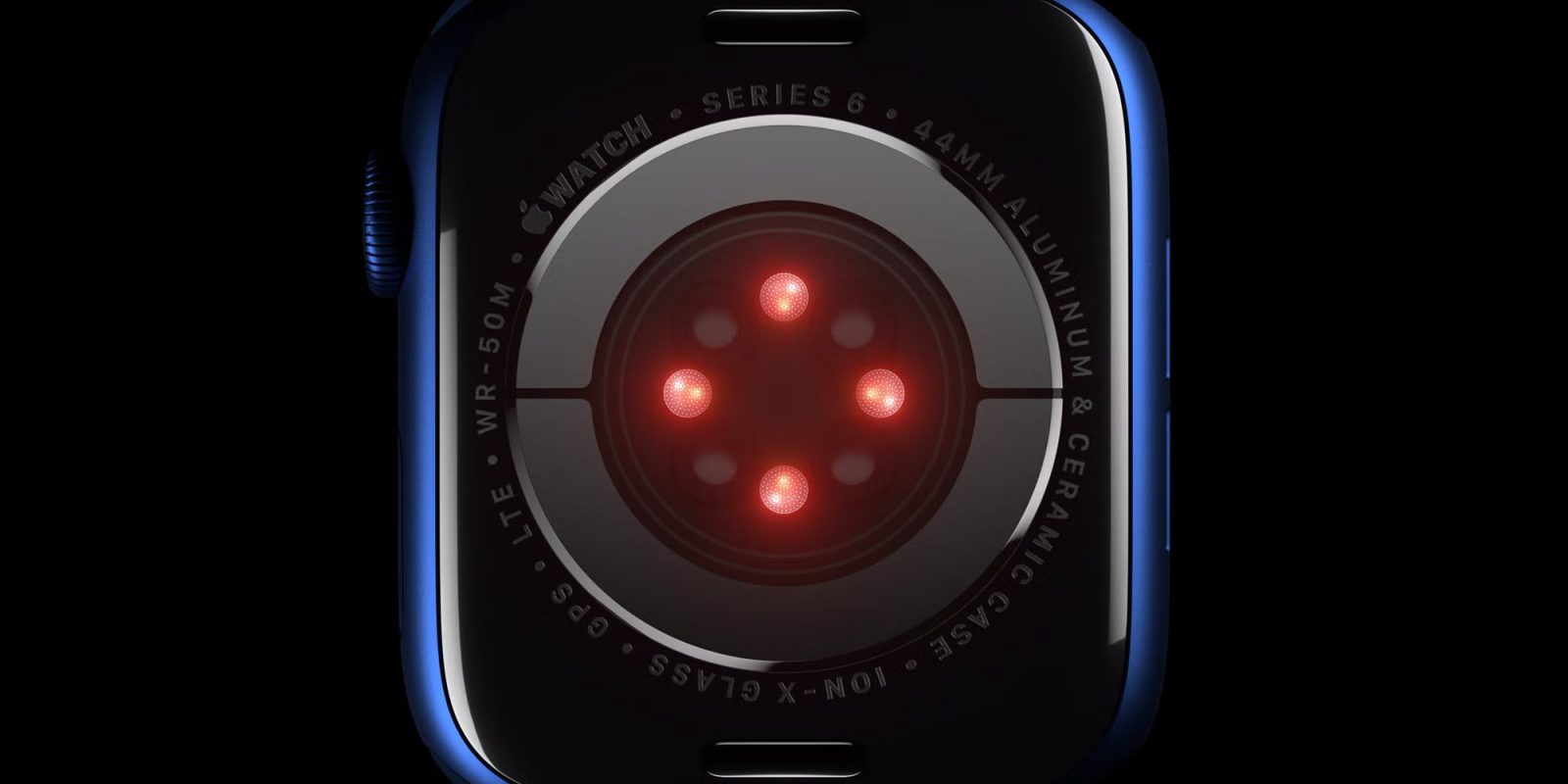
The core of Apple’s argument revolved around the interpretation of key terms within Masimo’s patent, particularly the definition of a "patient monitor." Apple contended that its Apple Watch, designed as a consumer device for health and fitness tracking, should not be classified as a "patient monitor" as understood by the patent, which Apple argued applied solely to conventional, specialized medical equipment used in clinical settings. This distinction was crucial for Apple’s defense, as it sought to distance its product from the specific scope of Masimo’s medical device patents.
However, Judge Selna, in his recent ruling, sided firmly with the jury’s original conclusion. He rejected Apple’s narrow interpretation, finding that the patent’s broader, everyday meaning of "patient monitor" could indeed encompass the Apple Watch. This interpretation is significant, as it recognizes the evolving landscape of health technology where consumer devices are increasingly incorporating capabilities traditionally found only in professional medical equipment. The judge’s decision underscores a legal acknowledgment of the convergence between consumer electronics and medical devices, particularly in the realm of health monitoring.
Furthermore, Judge Selna dismissed Apple’s request for a new trial. Apple had challenged various aspects of the original trial, including the jury instructions and the court’s decision to exclude testimony from one of its expert witnesses. Judge Selna, after careful review, found no errors of sufficient gravity to warrant a retrial, thereby upholding the integrity of the initial jury proceedings and its verdict.
Statements, Reactions, and Broader Implications
In response to the judge’s ruling, Apple reiterated an earlier statement, emphasizing its position: "Masimo is a medical device company that does not sell any products to consumers. Over the past six years they have sued Apple in multiple courts and asserted over 25 patents, the majority of which have been found to be invalid, […] The single patent in this case expired in 2022, and is specific to historic patient monitoring technology from decades ago. We plan to appeal." This statement highlights Apple’s strategy to frame Masimo as a litigious entity and to minimize the relevance of the infringed patent, portraying it as outdated technology. The company’s intent to appeal indicates that this legal saga is far from over, with the case likely to proceed to a higher court.
Masimo, while not issuing an immediate public statement on this specific ruling, has consistently maintained its stance that Apple willfully infringed on its intellectual property. Their aggressive pursuit of legal action, both through the ITC and federal courts, demonstrates a clear commitment to protecting its innovations and asserting its rights against even the largest tech giants.

The implications of this ruling are multifaceted and extend beyond the immediate financial penalty. For Apple, the $634 million judgment represents a significant financial hit, though it is a fraction of the company’s vast revenue. More importantly, it underscores the legal risks associated with its ambitious expansion into health technology. This verdict could influence Apple’s future product development strategies, potentially leading to more cautious approaches in integrating advanced health features or encouraging deeper internal R&D to avoid reliance on external patented technologies. It also adds pressure to the ongoing legal battles concerning the blood oxygen feature.
For the broader tech and medical device industries, the ruling sets a notable precedent. The interpretation of "patient monitor" to include consumer wearables like the Apple Watch could have far-reaching effects. It suggests that companies developing consumer health devices may face increased scrutiny regarding patent infringement from traditional medical device manufacturers. This could foster greater collaboration, licensing agreements, or, conversely, intensify patent wars as the lines between consumer electronics and certified medical devices continue to blur. It also reinforces the notion that intellectual property rights, even from smaller innovators, are defensible against industry behemoths.
Furthermore, the case highlights the growing importance of intellectual property in the rapidly evolving digital health market. As more companies enter this lucrative space, the value of foundational sensor technologies and data processing methods will only increase, making patent protection and enforcement critical. The outcome of cases like Apple v. Masimo will inevitably shape the landscape of innovation and competition in this sector for years to come.
The Road Ahead: An Appeal and Lingering Questions
Apple’s declared intention to appeal Judge Selna’s decision means that the legal battle will continue, likely heading to the U.S. Court of Appeals for the Federal Circuit, which specializes in patent cases. An appeal process can be lengthy and complex, focusing on legal errors made during the trial or in the judge’s post-trial rulings. While the judge’s denial of Apple’s motions for a new trial or judgment as a matter of law makes it more challenging for Apple, the company will undoubtedly leverage every available legal avenue.
This ongoing dispute raises fundamental questions about the balance between rapid innovation in consumer technology and the protection of long-standing intellectual property in specialized fields like medical technology. As devices like the Apple Watch become increasingly sophisticated, blurring the lines between consumer gadget and health tool, the legal frameworks governing their development and features will continue to be tested and refined. The Masimo-Apple saga is a prominent example of this evolving legal and technological landscape, with its resolution poised to influence future innovation and competition in the burgeoning digital health market.