Fujifilm Officially Unveils the Instax Pal 2 Compact Digital Camera with Preorders Now Open

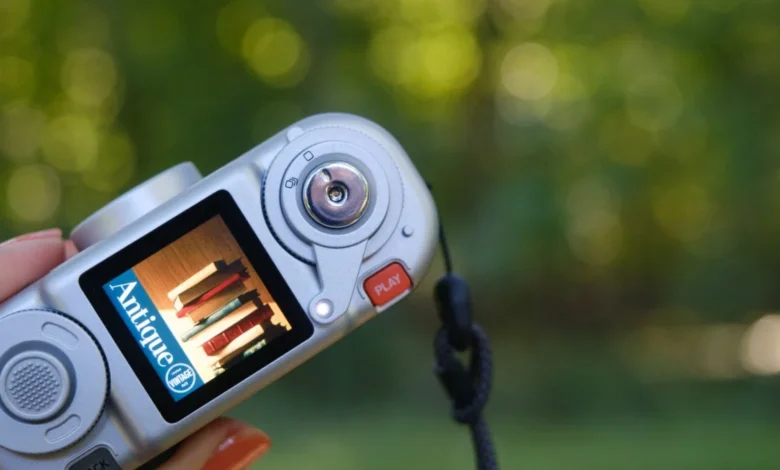
Fujifilm has officially announced the launch of the Instax Pal 2, a sequel to its unconventional, ultra-compact digital camera that eschews traditional instant film development in favor of a hybrid digital workflow. The announcement marks the latest expansion of the Instax ecosystem, which has seen a resurgence in popularity over the last decade as consumers increasingly pivot toward tactile, physical media. The Instax Pal 2 is now available for preorder in the United States, with a suggested retail price of $169.95, and in the United Kingdom, where it is priced at £144.99. Deliveries are expected to commence in late September, with the camera launching in two classic colorways: black and white.
The Evolution of the Instax Concept
To understand the significance of the Instax Pal 2, one must look back at the origins of the original Instax Pal, which debuted as a departure from Fujifilm’s core business model. For decades, the brand has been synonymous with the instant camera—a device that mechanically ejects a film sheet that develops in the hand. The original Pal, however, was marketed as a "fun-first" device that prioritized portability and digital connectivity over the immediate satisfaction of an analog print.
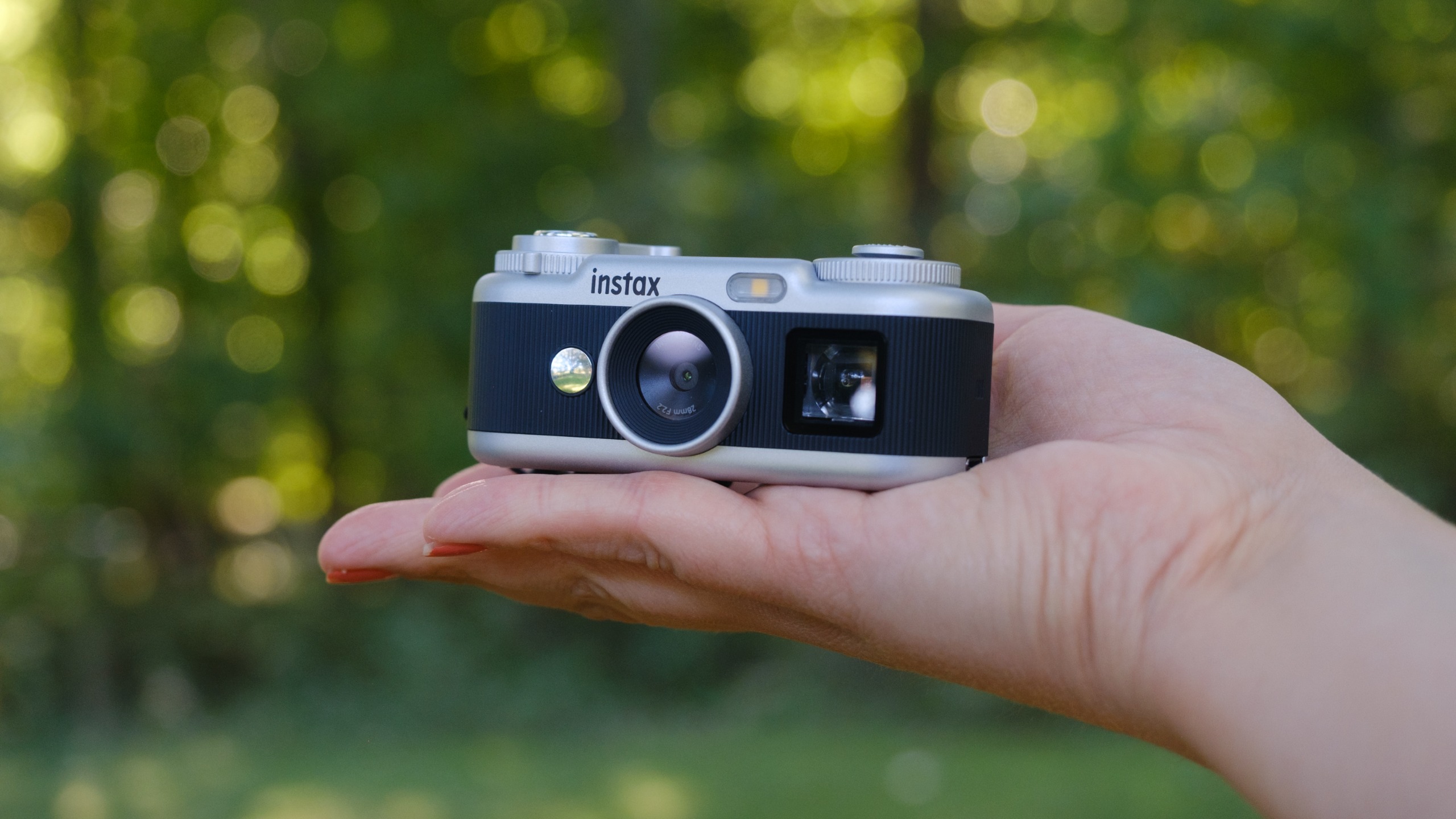
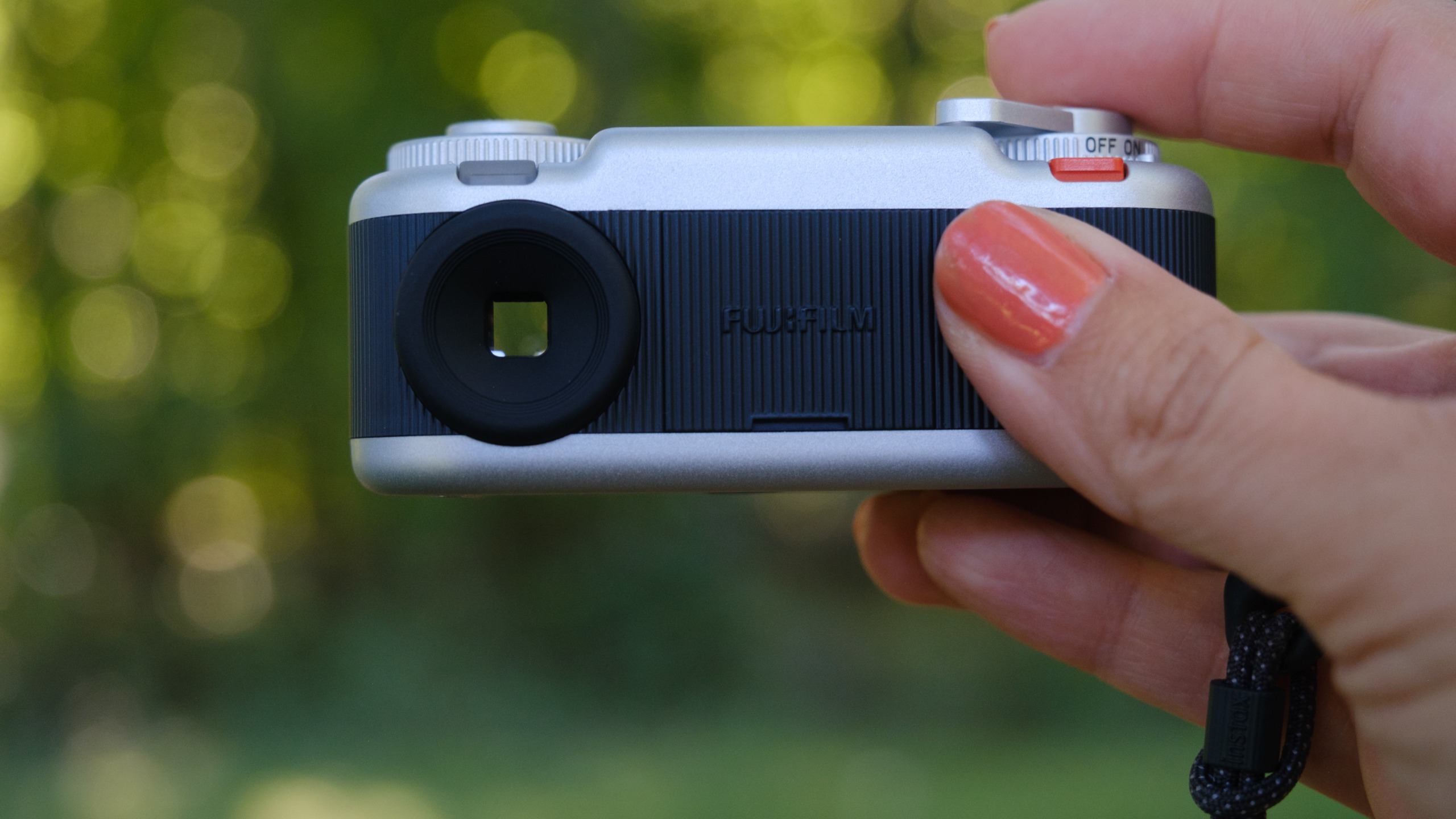
The Instax Pal 2 builds on this foundation by addressing specific feedback from the photography community. While the original iteration was criticized by some for being too simplistic, the second-generation model introduces hardware refinements that bridge the gap between a novelty gadget and a functional, albeit niche, photographic tool. The inclusion of a 1-inch LCD screen and a built-in optical viewfinder represents a significant design shift, providing users with a more tactile, traditional shooting experience that was noticeably absent from its predecessor.
Technical Specifications and Hardware Refinements
The core of the Instax Pal 2 is centered around a 1/3.06-inch CMOS sensor, paired with a 28mm-equivalent f/2.2 lens. This setup is specifically engineered for the "point-and-shoot" demographic, focusing on ease of use rather than high-end technical precision. Fujifilm has maintained a dual-resolution system, allowing users to capture images at 10MP for higher clarity or 1MP for a deliberate, lo-fi aesthetic. This feature aligns with current market trends, where younger demographics—often referred to as Gen Z—are increasingly seeking out the "retro" look characterized by early 2000s digital cameras.
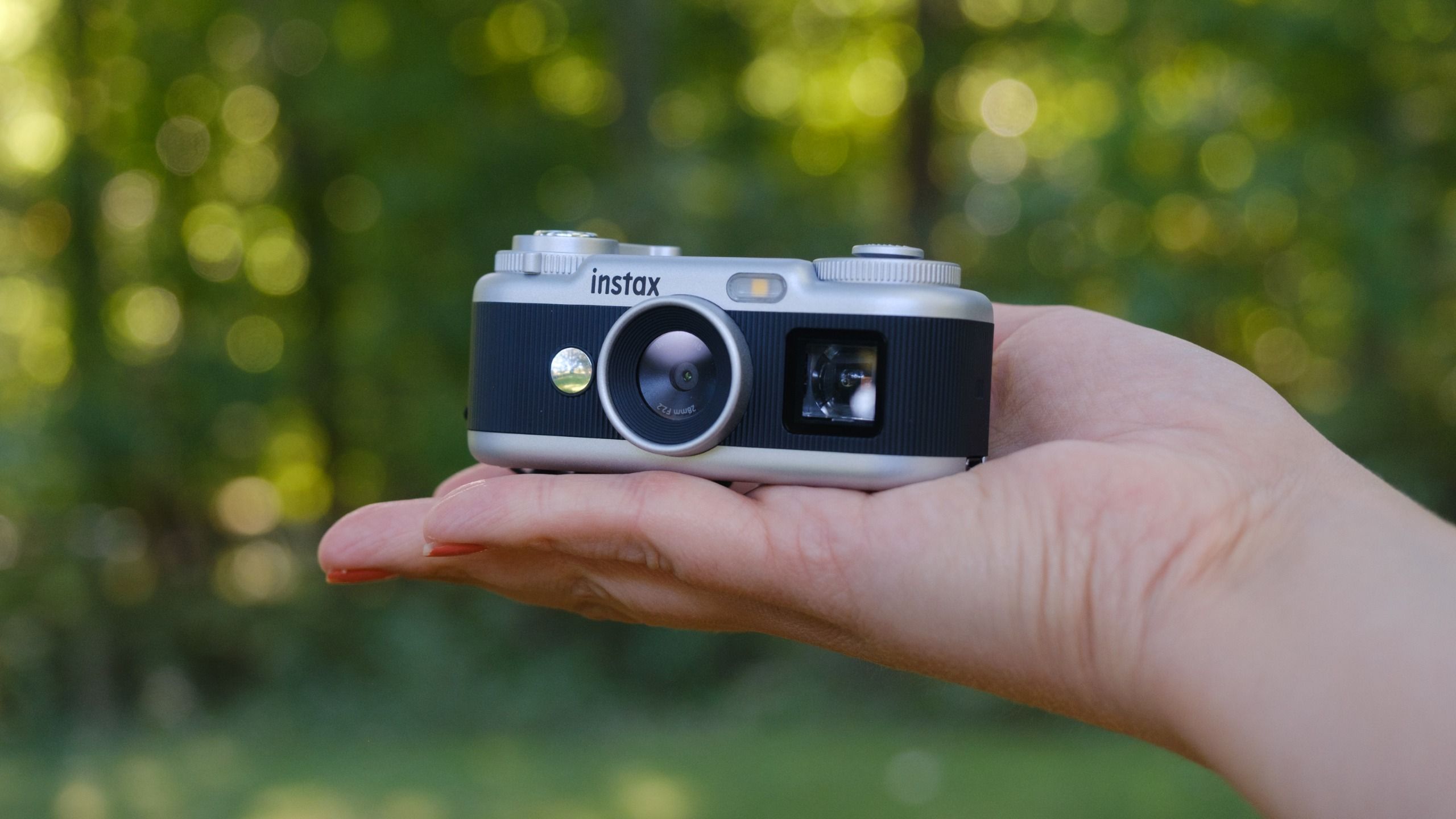
The device also offers a minimum focusing distance of approximately 80mm, which provides surprising versatility for macro-style photography. Additionally, the integration of single autofocus and face-detection technology signifies a move toward more reliable capture capabilities. Internally, the camera supports approximately 100 images in its built-in memory, with further expansion available via microSD, microSDHC, and microSDXC card slots.
Connectivity and the Hybrid Workflow
The Instax Pal 2 does not operate in a vacuum; its utility is intrinsically tied to the broader Instax Link ecosystem. By utilizing the dedicated Instax Pal smartphone application, users can transfer their digital images seamlessly. The camera is compatible with Fujifilm’s suite of portable printers, including those for the Instax Mini, Square, and Wide formats. This hybrid approach offers a distinct advantage: photographers can curate their shots on their smartphones, edit them, and choose only their favorite images to print, thereby reducing the cost and waste associated with traditional instant film.
Furthermore, the introduction of an "Instax Animation" mode offers a creative departure from static imagery. By depressing the shutter button, the camera captures a burst of 10 consecutive frames, which are then compiled into a digital flipbook-style animation. This feature reflects the industry’s shift toward short-form, motion-based content, mirroring the popularity of GIFs and social media video clips.
Broader Market Context and Industry Implications
The release of the Instax Pal 2 comes at a pivotal time for the camera industry. Market data suggests that while the professional mirrorless camera segment continues to cater to enthusiasts, there is a booming secondary market for "lifestyle" cameras. Consumers, exhausted by the clinical perfection of high-end smartphone sensors, are increasingly seeking cameras that prioritize the experience of photography over the technical output.
By pricing the device at $169.95, Fujifilm is positioning the Pal 2 as a premium lifestyle accessory rather than a utility-focused imaging device. For the company, this strategy serves a dual purpose: it creates a gateway product that introduces new users to the Instax brand and ensures a recurring revenue stream through the ongoing sale of instant film packs for its printers. This ecosystem strategy—selling the "razor" (the camera) to drive sales of the "blades" (the film)—remains one of the most successful business models in the imaging industry.
Comparison to Competing Lifestyle Cameras
The rise of the "digicam" trend has seen a surge in popularity for vintage point-and-shoots and new, simplified digital cameras like the Kodak Charmera. Fujifilm’s approach with the Pal 2 differs by offering a more robust software infrastructure. Unlike standalone budget cameras, the Pal 2 integrates directly with the existing, high-quality printing technology that has made Instax the market leader in the instant category.
The competition in the hybrid space is intensifying. Other manufacturers have experimented with digital-analog hybrids, but few have managed to achieve the same level of brand recognition as Fujifilm. By offering a device that is small enough to be worn on a keychain but capable of producing prints in three distinct sizes, Fujifilm is betting on the versatility of the Pal 2 to differentiate it from generic, lower-cost digital alternatives.
Official Positioning and User Experience
Fujifilm has emphasized that the Pal 2 is intended to be a "companion" device. In an era where smartphone cameras are technically superior to almost all pocket-sized digital cameras, the company is not marketing the Pal 2 on its sensor resolution or low-light performance. Instead, it is marketing the "process." The camera is designed to be taken to social gatherings, festivals, and travel events where carrying a bulky camera might be impractical.
The five filter themes, each containing six distinct effects, are accessible through the app, allowing users to customize their visual style before or after the shot. This emphasis on creative expression suggests that Fujifilm views the camera as a tool for digital storytelling, where the end result—be it a digital file for social media or a physical print for a wall—is secondary to the act of capturing the moment.
Future Outlook for the Instax Line
The introduction of the Pal 2 indicates that Fujifilm is committed to diversifying its instant photography portfolio. As the company continues to refine its hybrid offerings, the boundary between purely digital and purely analog photography will likely continue to blur. Industry analysts suggest that if the Pal 2 finds success, it may pave the way for even more specialized digital devices under the Instax banner.
For consumers, the choice to purchase a Pal 2 will likely come down to a preference for the "Instax aesthetic." While smartphone photography is technically superior and more efficient, the Pal 2 offers a curated, distinct, and highly portable method of image-making. As preorders continue through major retailers like Adorama, B&H, Amazon, and Jessops, the market will soon determine if this small, unconventional device can replicate the immense success of its film-based counterparts.
The combination of nostalgia-driven design, modern connectivity, and the flexibility of multiple film formats ensures that the Instax Pal 2 will occupy a unique niche in the current camera market. Whether it will become a staple for casual photographers remains to be seen, but its arrival confirms that the appetite for alternative, tactile, and highly shareable photographic experiences shows no signs of waning.