Day 1 of the 2026 Formula Sun Grand Prix Breaks Attendance Records as International Teams Take the Track at Brainerd International Raceway

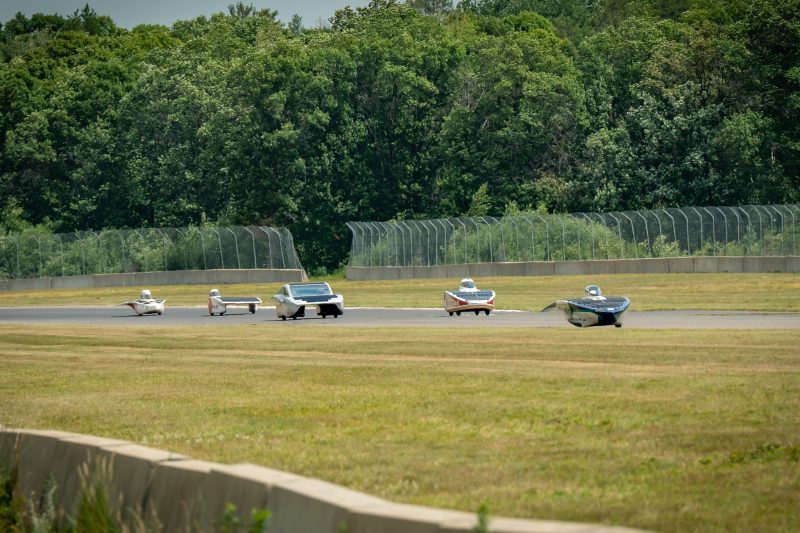
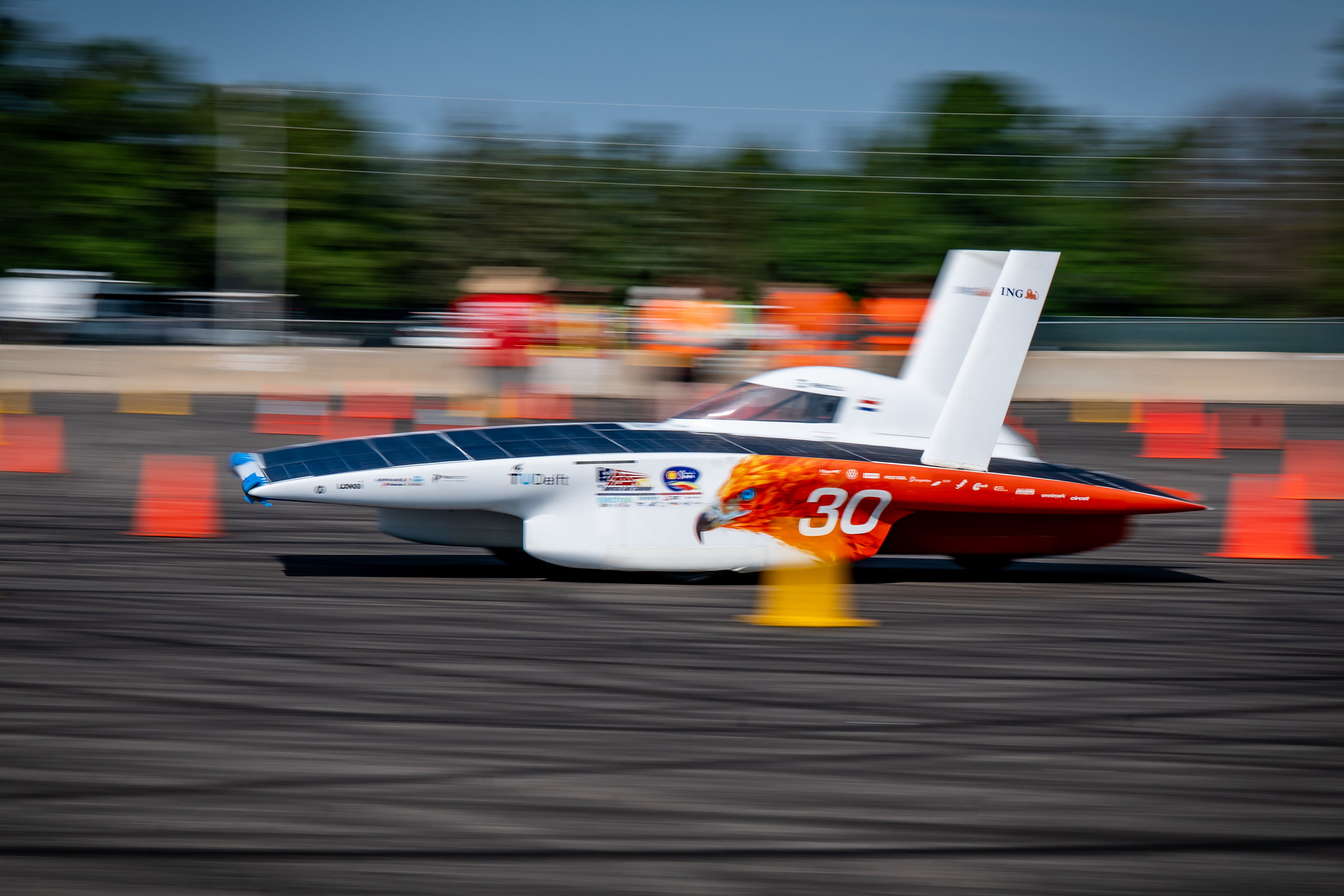
The 2026 Formula Sun Grand Prix (FSGP) officially commenced its first day of track competition at the Brainerd International Raceway in Minnesota, marking a historic milestone for the event. For the first time in the competition’s history, the race is being held on Brainerd’s renowned 3.1-mile road course, a venue traditionally associated with high-octane internal combustion engine racing and drag strips. The transition to this venue highlights the growing prominence of solar-electric vehicle technology and the increasing capabilities of student-led engineering teams.
Day one was characterized by a combination of high-stakes technical strategy and challenging environmental conditions. While the atmosphere among the participating students was one of focused enthusiasm, the weather presented immediate obstacles. Sustained crosswinds exceeding 16 mph raked across the flat Minnesota landscape, creating a complex aerodynamic environment for the lightweight, highly specialized solar vehicles. For many teams, these gusts acted as a double-edged sword: providing a tailwind on certain stretches of the track while significantly increasing drag and power consumption during head-on or lateral exposure.
Record-Breaking Participation and the Scrutineering Hurdle
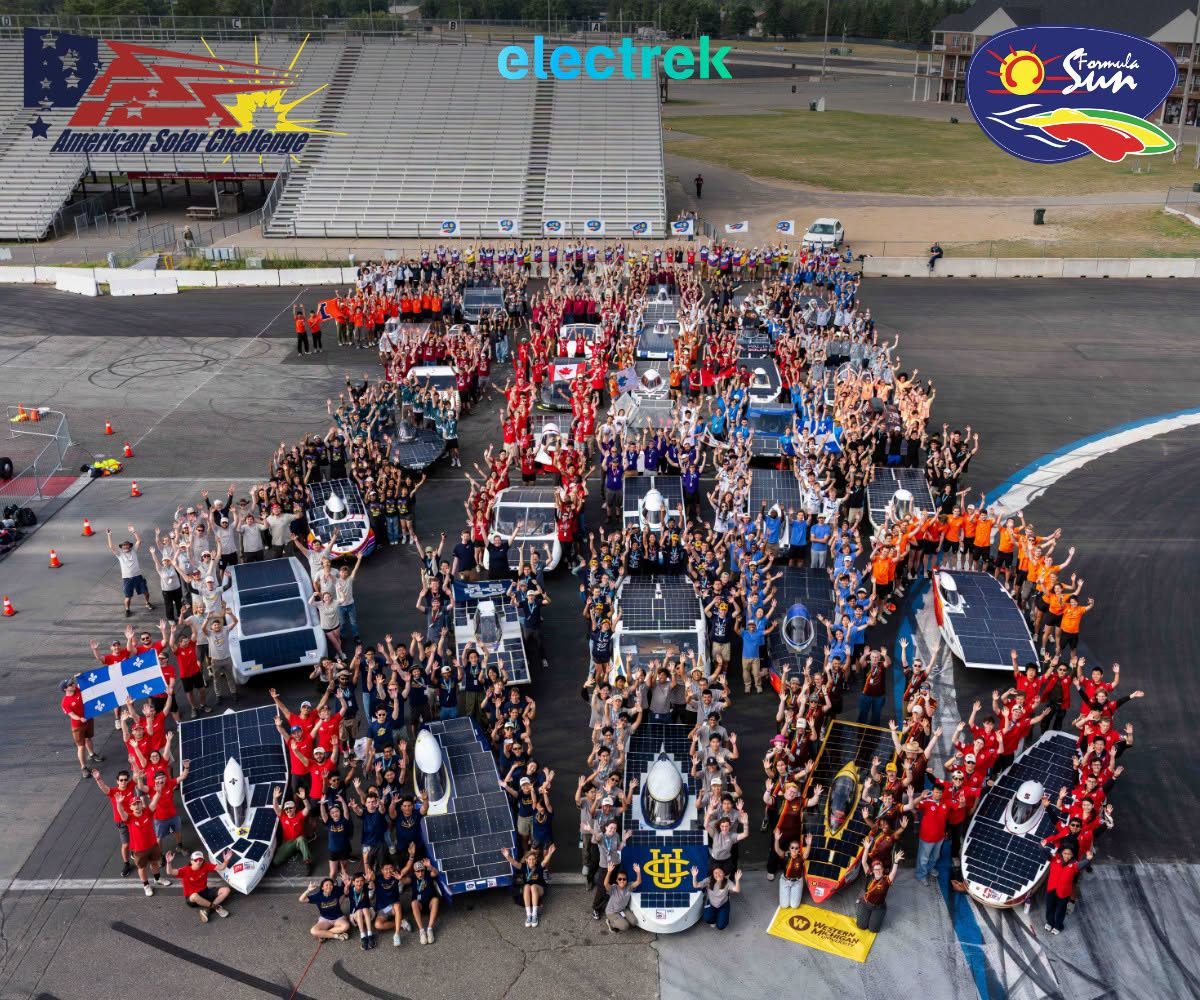
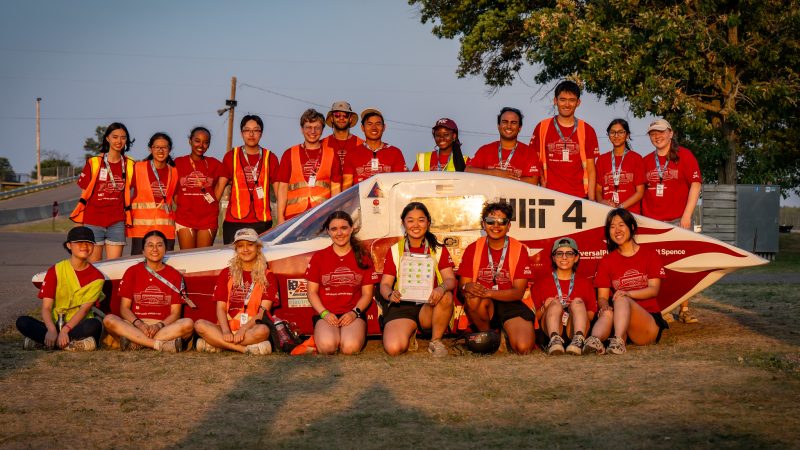
The 2026 iteration of the FSGP has set a new benchmark for participation. A record 39 teams from across the globe registered for the event, reflecting a surge in interest in renewable energy engineering and sustainable transport solutions. However, the path from registration to the starting line is notoriously difficult. Before any vehicle is permitted to enter the track, it must pass a rigorous "scrutineering" process.
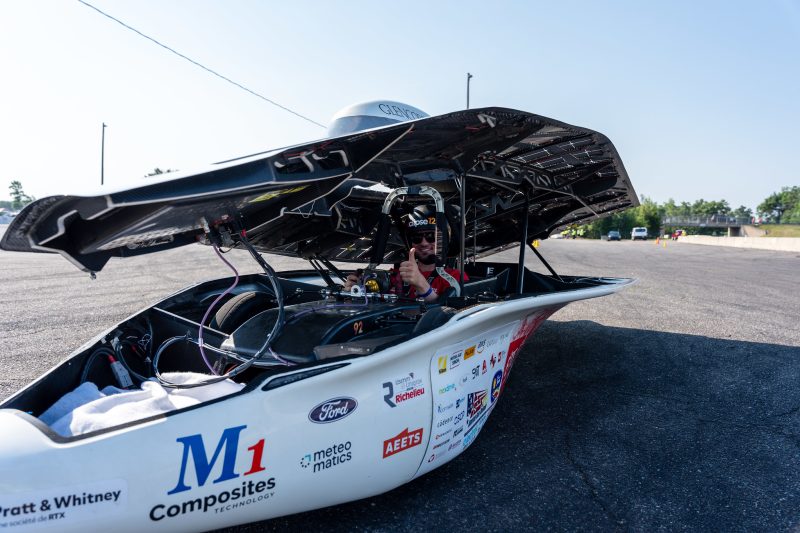
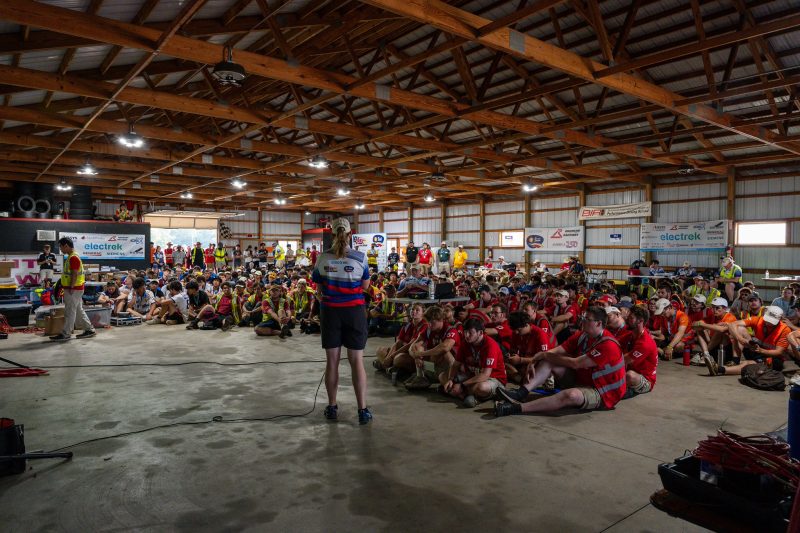
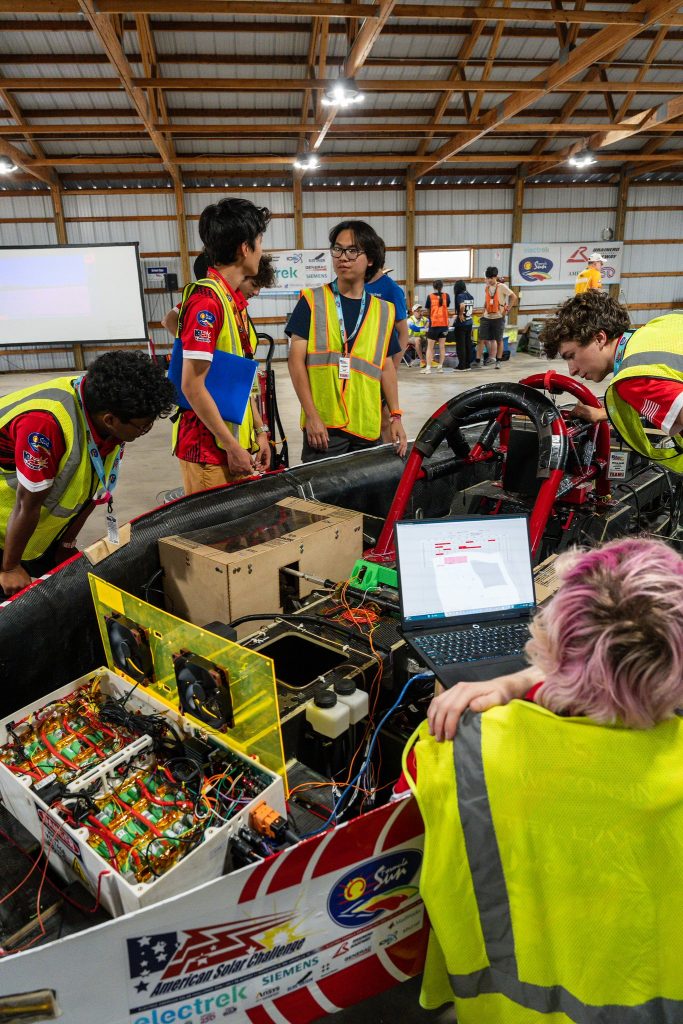
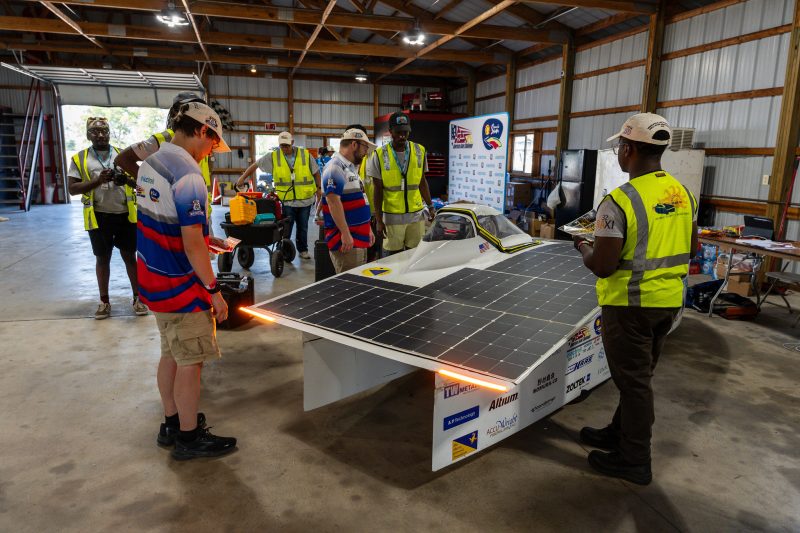
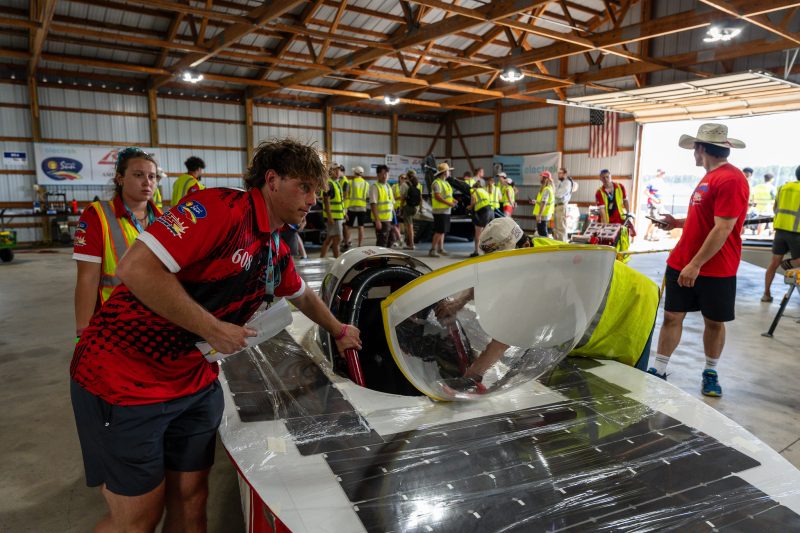
Scrutineering is a multi-day series of safety and technical inspections designed to ensure that every vehicle complies with the strict regulations of the Innovators Educational Foundation (IEF). These checks include mechanical inspections of braking and steering systems, electrical inspections of battery protection systems and solar arrays, and "dynamic" tests such as the slalom, high-speed braking, and a U-turn test. Of the 39 teams that arrived in Minnesota, only 15 successfully cleared all hurdles in time to take their positions on the starting line for the first day of racing. The remaining teams continue to work in the paddock, hoping to rectify technical discrepancies and join the field for day two or three.
An International Field of Competitors
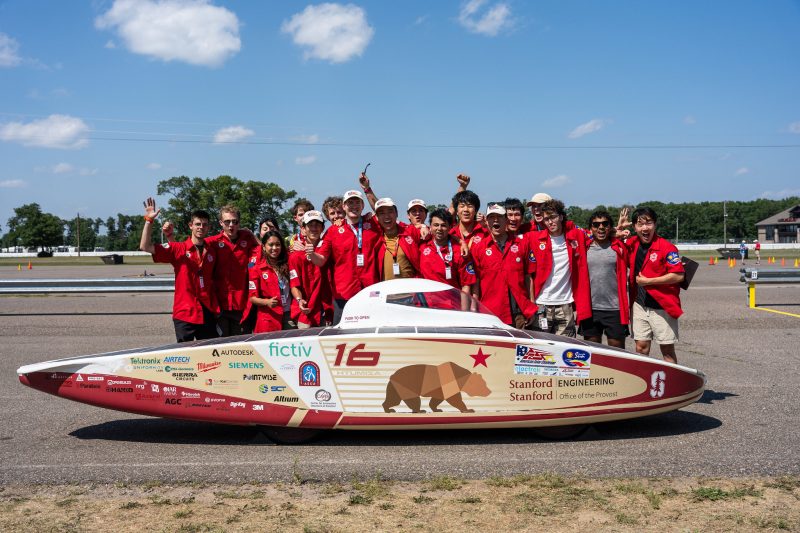
The 2026 grid is the most geographically diverse in the history of the Formula Sun Grand Prix. Traditionally dominated by North American universities, the event has evolved into a truly global competition. For the first time, the grid includes elite teams from the Netherlands and Belgium, nations with long-standing reputations for excellence in solar vehicle design, often honed at the World Solar Challenge in Australia.
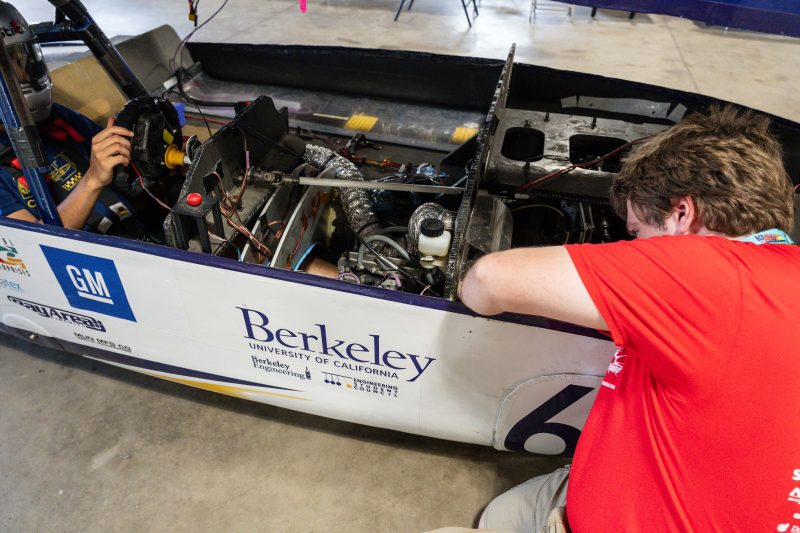
These international contenders are racing alongside established powerhouses from Canada and the United States. The presence of European teams has raised the level of competition, as these groups often bring different philosophies regarding chassis materials, solar cell integration, and energy management software. The exchange of ideas in the paddock between students from different continents remains one of the core educational objectives of the FSGP.
Performance Analysis: Single-Occupant Vehicle (SOV) Class
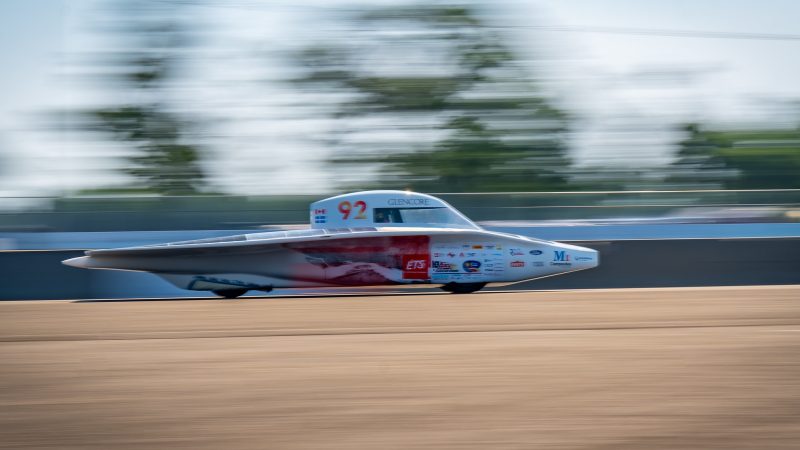
The Single-Occupant Vehicle (SOV) class, often referred to as the "Challenger" class in other solar circuits, focuses on maximizing speed and efficiency with a single driver. At the conclusion of day one, École de technologie supérieure (ÉTS), based in Quebec, Canada, emerged as the clear leader. The ÉTS team completed 112 laps of the 3.1-mile course, demonstrating remarkable consistency and mechanical reliability.
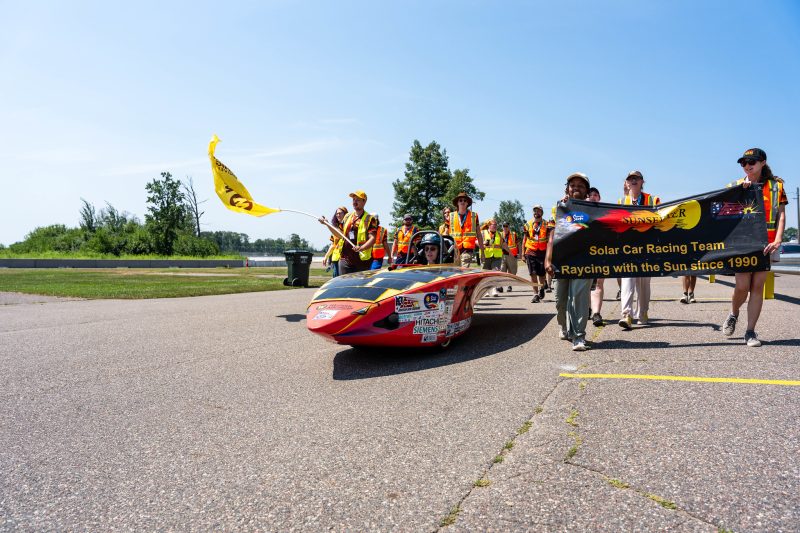
Beyond lap count, ÉTS also secured the fastest lap of the day for the SOV class, clocking in at 3:31:00. This translates to an average speed of approximately 53 mph. Achieving such speeds on a road course with corners requires not only a high-efficiency powertrain but also sophisticated suspension geometry to maintain momentum through turns. Observers noted that the ÉTS vehicle maintained a high pace even as other teams were forced to slow down to manage battery temperatures or combat the persistent wind gusts.
Performance Analysis: Multi-Occupant Vehicle (MOV) Class
The Multi-Occupant Vehicle (MOV) class, also known as the "Cruiser" class, represents a shift toward practical, consumer-oriented solar cars. These vehicles are judged not just on their speed, but on their efficiency, the number of passengers carried, and their overall "practicality."
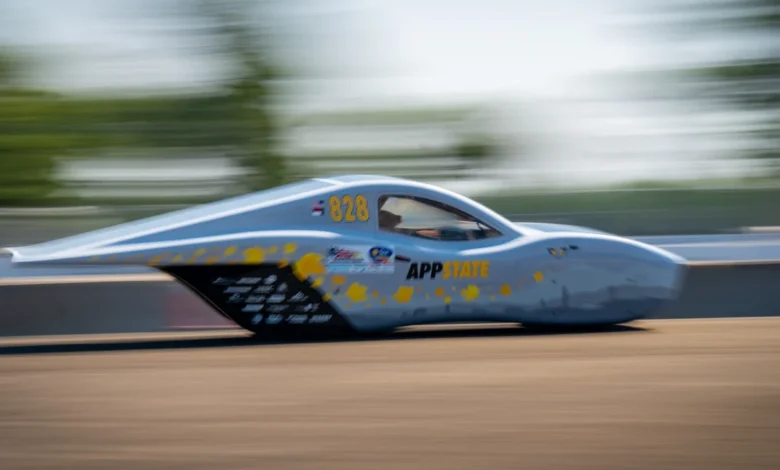
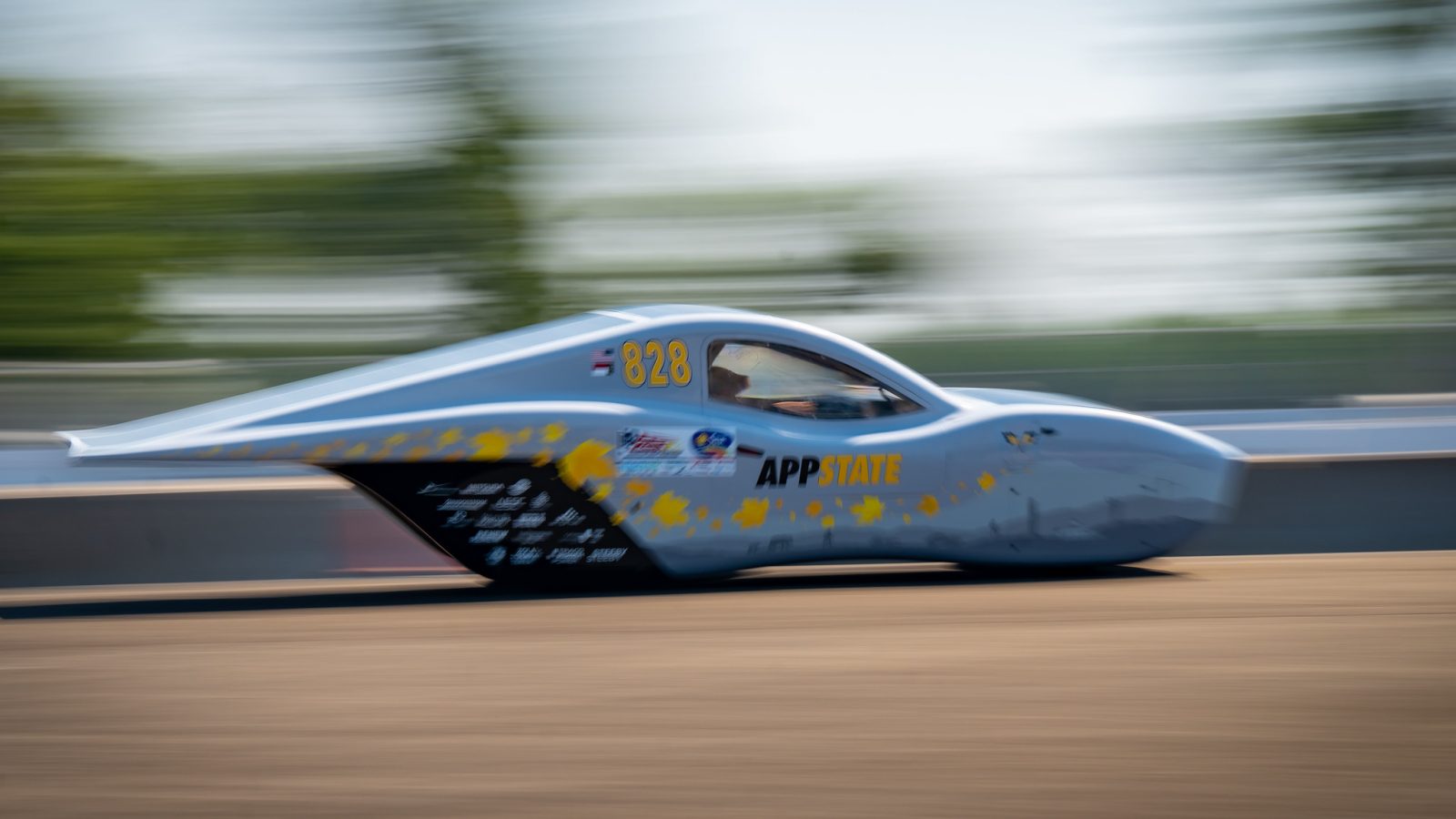
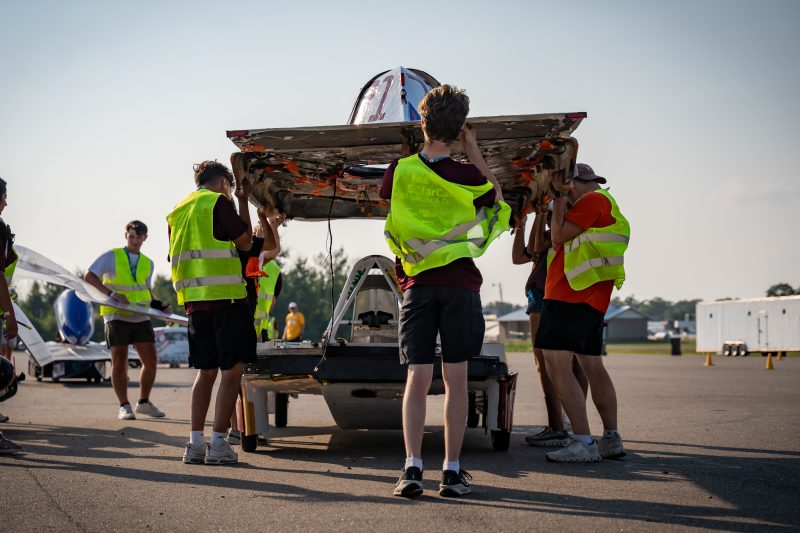
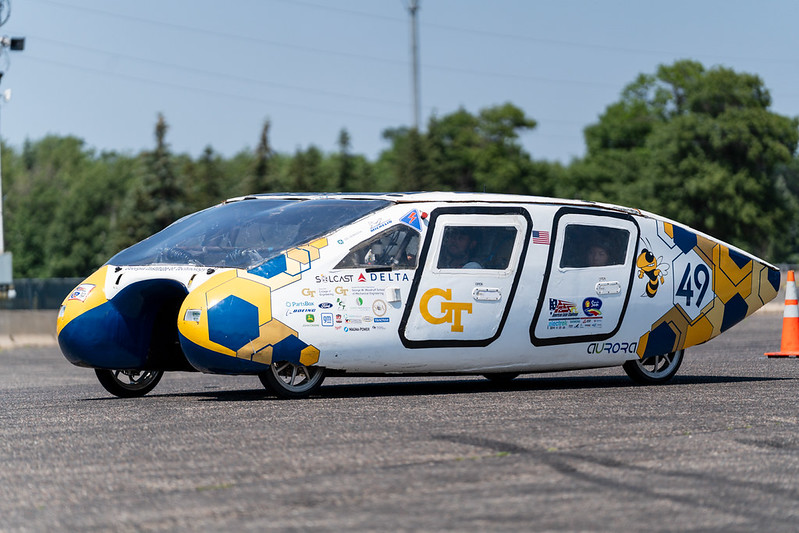
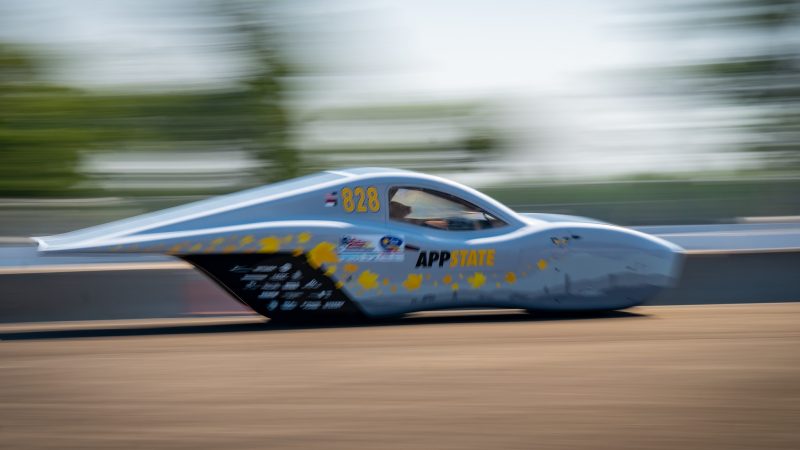
On day one, Georgia Institute of Technology (Georgia Tech) set a dominant pace in the MOV category. The team completed 77 laps, establishing a significant 22-lap lead over their nearest competitor, Appalachian State University, which finished the day with 55 laps. Massachusetts Institute of Technology (MIT) currently holds the third position in the MOV class, though they only managed to post three laps before retreating to the paddock. Technical issues appeared to hamper the MIT entry, and the team is expected to spend the night performing repairs to regain their standing on day two.
Interestingly, while Georgia Tech led in total laps, Appalachian State proved to have the higher peak performance, claiming the fastest lap in the MOV class with a time of 4:24. This was significantly quicker than Georgia Tech’s fastest lap of 5:04. This disparity suggests that while Appalachian State has a faster vehicle in short bursts, Georgia Tech’s strategy favored long-term energy conservation and reliability, which are critical in a multi-day endurance event.
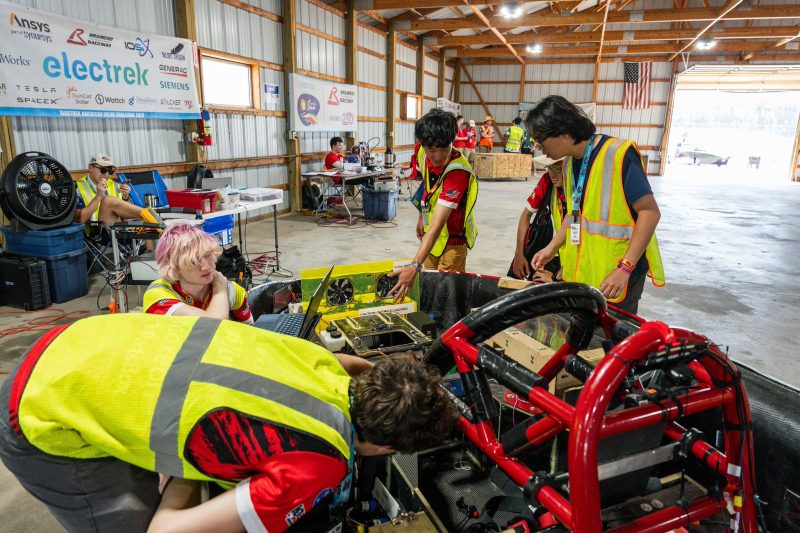
Several notable teams, including Iowa State University, the University of Minnesota, and Polytechnique Montréal, have yet to post a scoring lap. For these teams, the focus remains on passing the final stages of scrutineering or resolving early-track-session mechanical failures.
Technical Challenges: Aerodynamics and Energy Management
The 3.1-mile Brainerd course provides a unique challenge compared to previous FSGP venues. The track’s layout requires frequent acceleration and braking, which tests the efficiency of a team’s regenerative braking system. In solar racing, every watt of energy is precious; teams that can effectively capture kinetic energy during braking and store it back in the battery pack have a distinct advantage over the course of an eight-hour racing day.
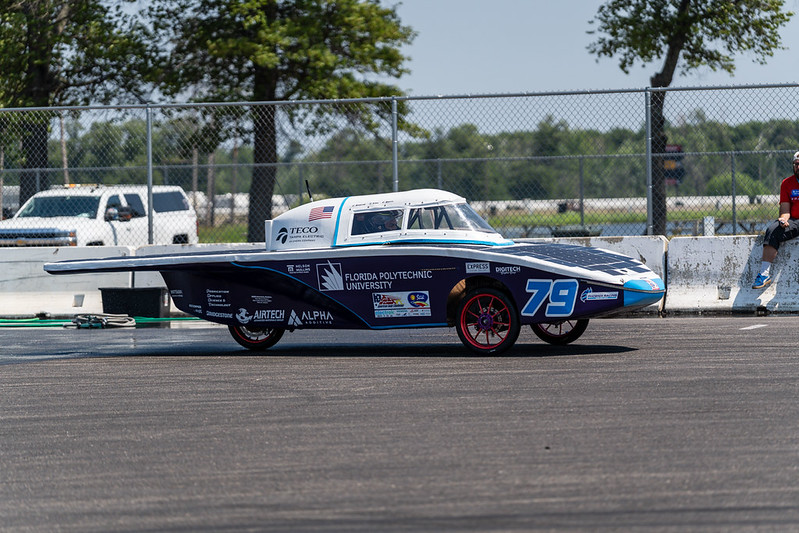
The 16-plus mph crosswinds added a layer of complexity to the energy management strategies. Solar cars are designed with extremely low coefficients of drag, but they are often sensitive to lateral winds due to their large surface areas (designed to maximize solar collection). Drivers on day one had to constantly adjust their steering to maintain a racing line, while telemetry teams in the pits monitored real-time data to decide whether to maintain speed or "ebb" to conserve energy during particularly strong gusts.
The Significance of the Venue
The move to Brainerd International Raceway is a symbolic shift for the FSGP. For decades, Brainerd has been a cathedral for internal combustion engine (ICE) performance. By hosting nearly 40 solar-powered teams, the venue is acknowledging the shifting landscape of automotive engineering.
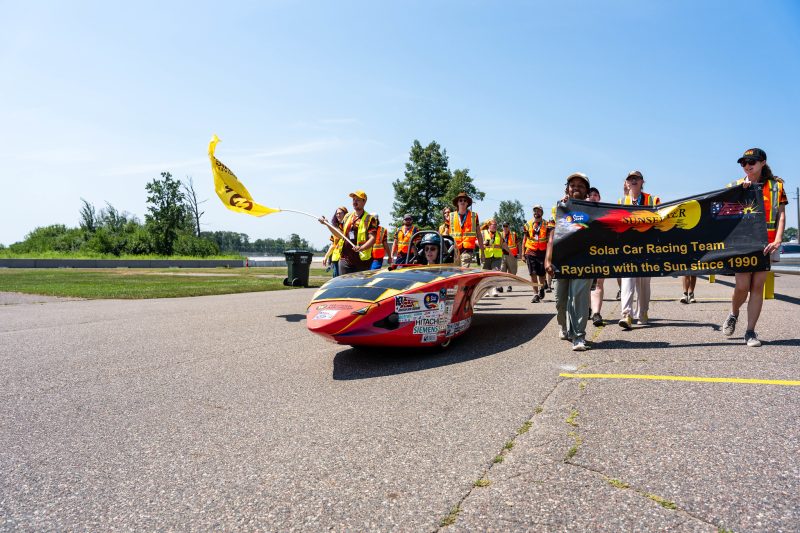
The FSGP serves as a qualifying event for the American Solar Challenge (ASC), a cross-country endurance rally that takes place following the track race. Success at Brainerd is essential, as teams must demonstrate that their vehicles can handle sustained speeds and rigorous turns before they are permitted to navigate public highways. The data gathered during these three days of track racing will inform the teams’ strategies for the thousands of miles that lie ahead in the ASC.
Educational and Industrial Implications
The Formula Sun Grand Prix is more than a sporting event; it is a high-level incubator for engineering talent. The students participating in this week’s event are responsible for every aspect of their vehicles, from carbon-fiber layup and PCB design to the development of custom Maximum Power Point Tracking (MPPT) systems that optimize the output of the solar arrays.
Industry leaders from the electric vehicle (EV) and aerospace sectors closely monitor the FSGP. It is common for recruiters from companies such as Tesla, Rivian, Lucid Motors, and SpaceX to scout participants, as the competition requires a multidisciplinary understanding of thermal management, battery chemistry, and lightweight structural design—skills that are in high demand in the modern economy.
Looking Forward to Days 2 and 3
With two full days of racing remaining before the competition concludes on Thursday, the leaderboard remains fluid. The primary goal for many teams on day two will be "lapping"—maintaining a steady pace to accumulate distance while ensuring the battery state-of-charge remains sufficient for the final day.
For the teams currently at the top of the standings, such as ÉTS and Georgia Tech, the challenge will be to maintain their mechanical integrity. For the teams still in the paddock or those with low lap counts like MIT, the next 24 hours will be a race against time to troubleshoot hardware and software issues. As the weather forecast for the remainder of the week suggests a potential softening of the winds, average speeds may increase, potentially allowing for new lap records to be set on the Brainerd course.
The 2026 Formula Sun Grand Prix continues to demonstrate that the future of automotive technology is being written by the students of today, powered by the very star they race under. Stay tuned for further updates as day two of the competition unfolds.