Endtroducing and the sonic revolution of 1996: How DJ Shadow redefined the architecture of hip-hop

On 13 September 1996, the global music landscape suffered a profound shock when Tupac Shakur, arguably the most visible and volatile figure in gangsta rap, succumbed to injuries sustained in a drive-by shooting in Las Vegas. His death served as a grim punctuation mark for a genre that had, throughout the early 1990s, become increasingly defined by the intersection of lyrical nihilism, corporate pressure, and real-world violence. The tragedy cast a long shadow over the industry, fueling intense debate regarding the sociopolitical cost of the "East Coast vs. West Coast" rivalry that had dominated hip-hop headlines for years.
Just three days later, on 16 September 1996, a release emerged that seemed to exist in a completely different dimension. DJ Shadow, the professional moniker of Northern California producer Josh Davis, released his debut studio album, Endtroducing….. While the mainstream music press was consumed with the mourning of Shakur and the frantic search for his assailants, those who listened to the inaugural playback of Davis’s project were greeted not by the aggressive, drum-machine-heavy aesthetic of contemporary G-funk, but by a sprawling, melancholic, and deeply introspective soundscape.
The Architecture of an Avant-Garde Masterpiece
At the time of its release, the prevailing production methodology in hip-hop relied heavily on the "loop"—taking a short, recognizable breakbeat or sample and repeating it as a foundation for vocalists. Davis, however, utilized the Akai MPC60 MKII sampler to engage in what could be described as musical archaeology. He did not simply loop; he sculpted.
Endtroducing….. holds the distinction of being recognized by the Guinness Book of World Records as the first album to be composed entirely of sampled sounds. This technical achievement was not merely a gimmick; it was a fundamental shift in how producers approached the concept of an "original" composition. By weaving together disparate fragments—ranging from heavy metal riffs by Metallica to the atmospheric jazz-fusion of David Axelrod—Davis created a tapestry that sounded entirely coherent, despite being constructed from thousands of isolated, pre-existing audio artifacts.
A Chronology of Crate-Digging
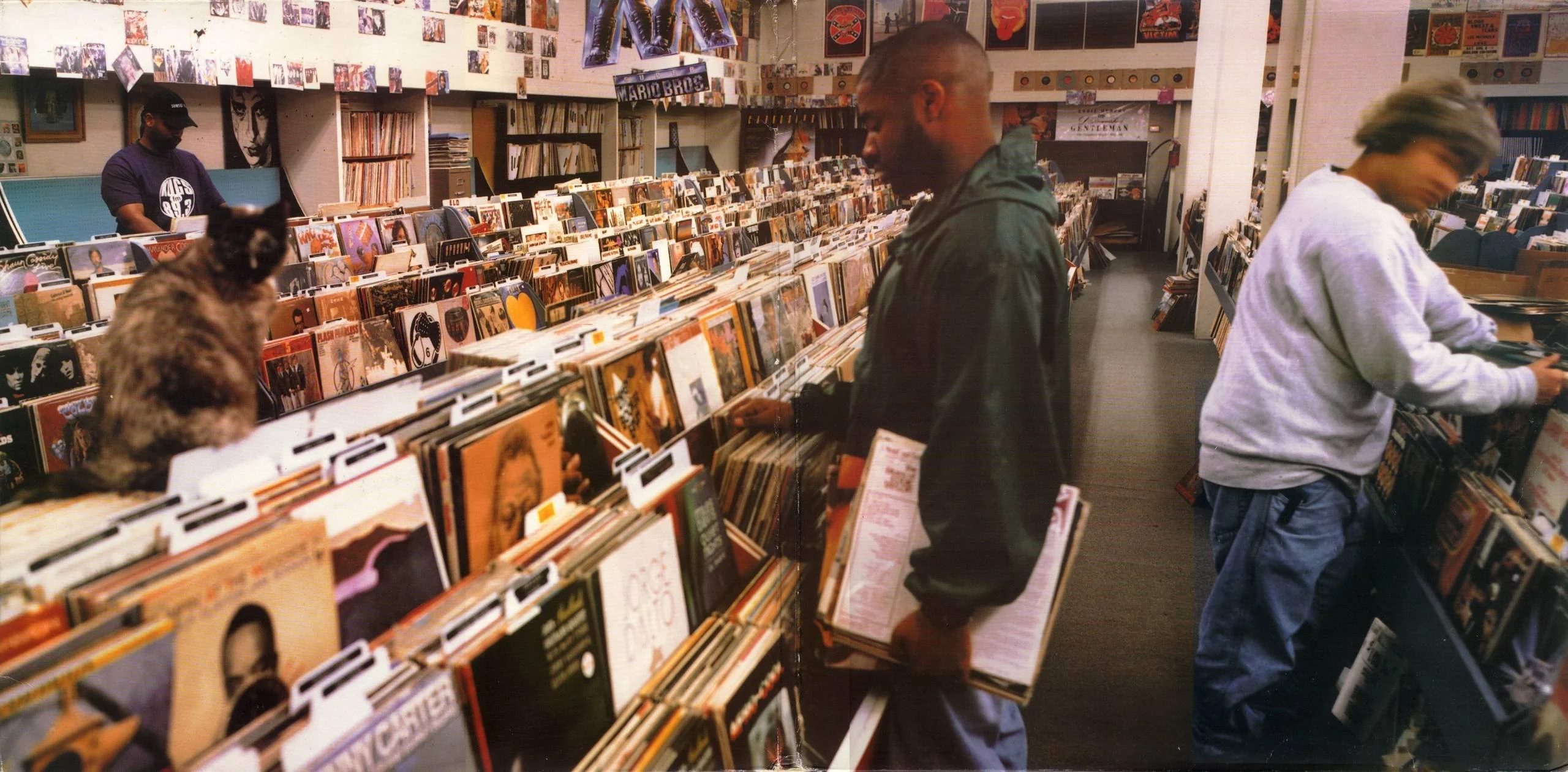
The genesis of the album is intrinsically tied to the culture of "crate-digging," the obsessive practice of scouring obscure vinyl bins for overlooked audio gold. A significant portion of the album’s DNA was sourced from Rare Records, a brick-and-mortar shop in Sacramento that appears on the album’s iconic cover.
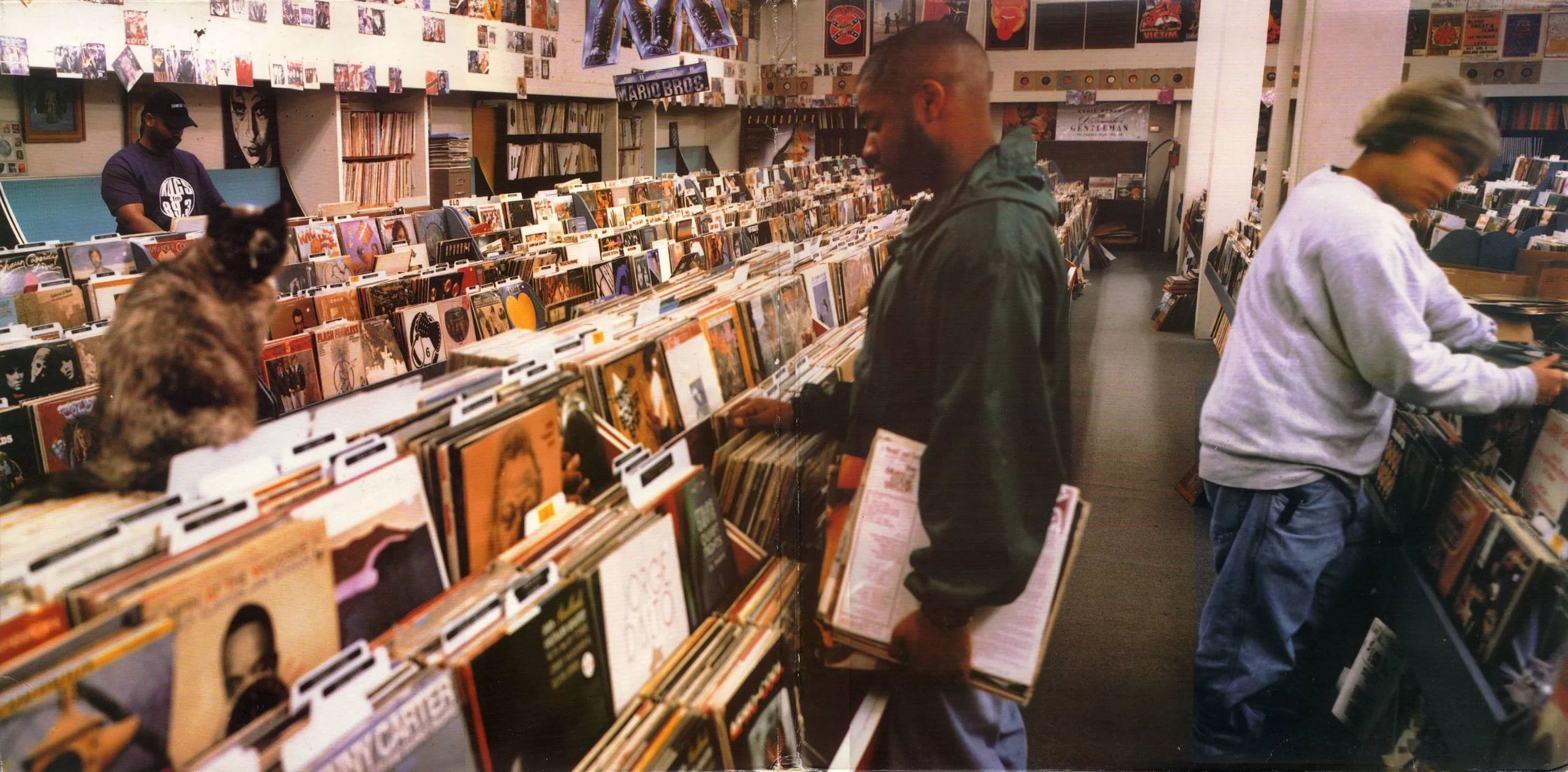
The timeline of the album’s creation spanned several years of meticulous assembly. Unlike the high-budget studio sessions that defined the rap industry in 1996, Davis worked in relative isolation. His collection of records, estimated at the time to be in the tens of thousands, served as his primary instrument.
- 1993–1995: Davis produces various singles and EPs for the Mo’ Wax label, refining the "instrumental hip-hop" sound.
- 1996 (Early): Finalizing the tracklist and sequencing for the debut album.
- 16 September 1996: Global release of Endtroducing….. through Mo’ Wax.
- Post-1996: The album gains critical momentum, eventually being cited by publications like Rolling Stone and Pitchfork as one of the most influential electronic/hip-hop records of the decade.
Technical Analysis: A Test for High-Fidelity Systems
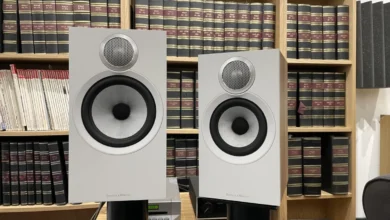
For audio enthusiasts, Endtroducing….. remains a benchmark for testing the dynamic range and resolution of hi-fi systems. The production is characterized by dense, layered textures that require significant equipment clarity to resolve without descending into sonic mud.
"Building Steam With a Grain of Salt" is a prime example of this complexity. It integrates piano motifs from Jeremy Storch’s "I Feel a New Shadow"—a track so obscure that its creator lacks a biographical entry in major encyclopedic databases. The track features a ghostly, choir-like vocal sample underpinned by a stuttering drum pattern that demands a fast, responsive transient response from loudspeakers.
On "The Number Song," the listener is tasked with distinguishing a subtle, drone-like atmospheric bed from the sudden, aggressive entrance of brass sections. "Changeling" tests the lower-frequency limits of a system with its muscular basslines and expansive, space-age synthesizers. The track "Stem/Long Stem" offers a cinematic quality that bridges the gap between traditional hip-hop beats and orchestral score writing, a testament to Davis’s ability to manipulate mood through frequency modulation and spatial placement.
Cultural Implications and the Post-1996 Landscape
The release of Endtroducing….. in the immediate wake of Tupac Shakur’s death provided a necessary, if unintentional, counter-narrative. It demonstrated that hip-hop could be introspective, instrumental, and atmospheric without sacrificing its rhythmic integrity. While the industry was mourning the loss of its most prominent voice, Davis was proving that the genre’s future could be found in the synthesis of its past.
The album’s influence cannot be overstated. It essentially codified the genre of "trip-hop" or "instrumental hip-hop," paving the way for a generation of producers—from RJD2 to Madlib—to treat the sampler as a studio-in-a-box. By stripping away the vocal ego of the rapper, Davis allowed the listener to focus on the architecture of the sound itself.
Reflections on the Legacy
Looking back, the title Endtroducing….. feels prophetic. Davis stated at the time that the album felt like the conclusion of a specific chapter in his early creative development. In reality, it was a seismic shift.
The album’s emotional centerpiece, "Midnight in a Perfect World," encapsulates this legacy. By sampling David Axelrod’s "The Human Abstract," Davis created a sound that felt simultaneously rooted in the 1970s and projected into the future. It was a melancholy, hopeful, and entirely original composition that stood in stark contrast to the dominant rap tropes of the mid-90s.
As we analyze the trajectory of electronic music and hip-hop over the three decades since its release, the significance of Endtroducing….. remains undiminished. It was a record that asked, through the medium of thousands of other records, what hip-hop could be if it were allowed to be an art form of pure sound.
The implications for the industry were clear: the democratization of production equipment, combined with an exhaustive knowledge of music history, could result in a masterpiece that challenged the status quo. For DJ Shadow, the "end" of that initial chapter was merely the beginning of a legacy that transformed the way we listen to, collect, and sample music. Even today, on a high-quality audio system, the record remains a vivid, living document of a turning point in modern music history—a reminder that in the right hands, the past can be reassembled into a future that nobody had previously imagined.
Related posts: