OLED iPad mini 8 debuting this week: Here’s what’s coming, and how much it’ll cost

A New Era for Display Technology
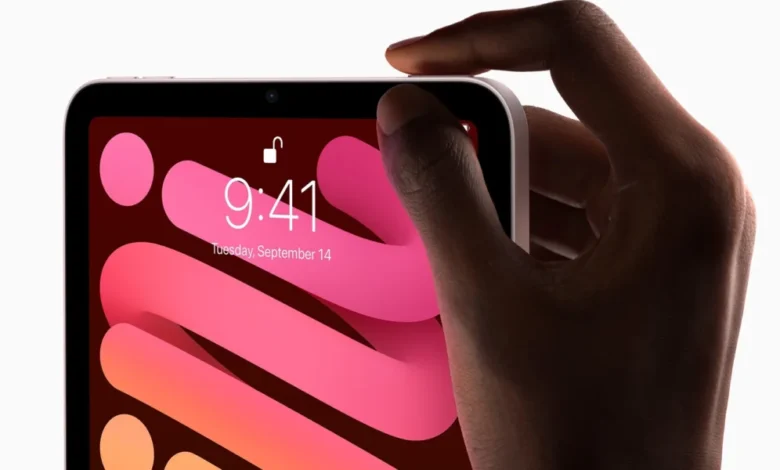
The most prominent change coming to the iPad mini is the integration of an OLED display. While the high-end iPad Pro models currently utilize the sophisticated Tandem OLED architecture—which stacks two panels to achieve extreme brightness and longevity—the new iPad mini is expected to adopt a more conventional OLED panel. Despite the lack of tandem technology, this transition represents a substantial upgrade from the traditional LCD panels used in previous iterations. Users can expect significantly deeper blacks, a wider color gamut, and improved contrast ratios that align the device with the visual quality of current-generation iPhones.
Industry analysts remain divided on the inclusion of ProMotion, Apple’s marketing term for a 120Hz variable refresh rate. Currently, the iPad mini remains locked at a 60Hz refresh rate, a point of criticism for power users who have grown accustomed to the fluid scrolling and responsive animations found on Pro-tier devices. While the shift to OLED is confirmed by various supply chain reports, it remains unclear if Apple will introduce the hardware overhead necessary to support ProMotion. Should Apple choose to maintain the 60Hz standard, it would likely be a calculated decision to preserve battery life and maintain price segmentation between the mini and the more expensive iPad Pro series.
The A20 Pro: Unlocking On-Device AI
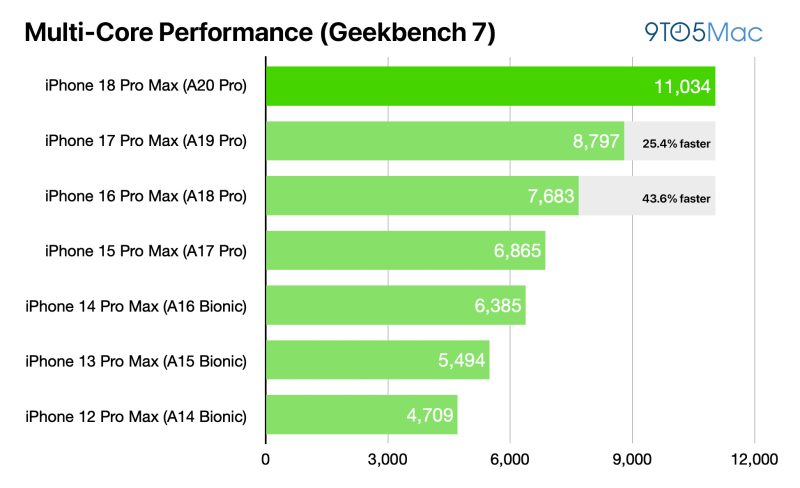
Under the hood, the upcoming iPad mini is set to receive the A20 Pro chip. This represents a significant leap from the 3nm A17 Pro chip found in the current model. The jump to the A20 Pro architecture is largely driven by the memory requirements of Apple’s expanding suite of on-device artificial intelligence features. The move to 12GB of unified memory is a critical hardware upgrade; it provides the necessary overhead to run complex Large Language Models (LLMs) locally, rather than relying exclusively on cloud-based processing.
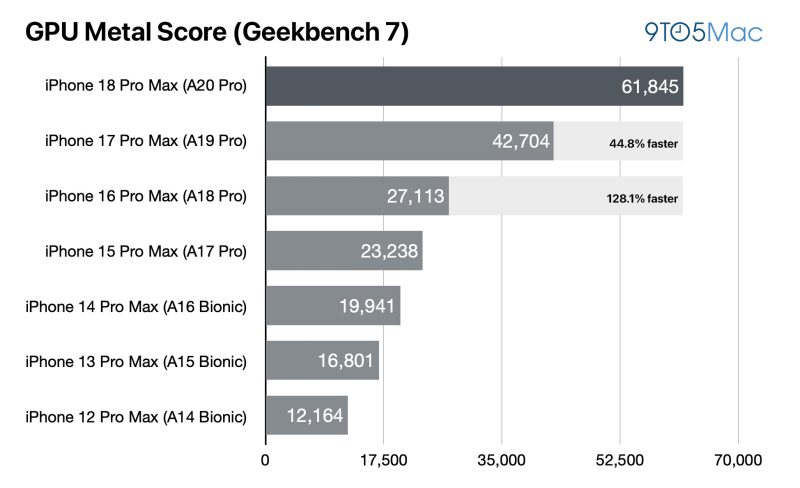
This transition has immediate implications for the user experience, particularly regarding Siri and other voice-driven interfaces. By processing requests locally, the iPad mini will see reduced latency and enhanced privacy, as sensitive data remains on the device. Furthermore, internal benchmarks suggest that the A20 Pro will offer a roughly 60% improvement in multi-core CPU performance and an impressive 166% increase in GPU capabilities compared to the current A17 Pro. This performance trajectory ensures that the device remains viable for several years of software updates and demanding applications, including advanced creative software and high-fidelity gaming.
Chronology of the iPad mini Lineup
The history of the iPad mini is one of long, quiet periods punctuated by radical shifts in form factor. The initial model launched in 2012, setting the standard for the "small tablet" category. However, the product line spent years in relative obscurity until 2021, when Apple unveiled a complete industrial design overhaul, removing the physical home button and introducing the modern, flat-edged aesthetic.
- 2012: Original iPad mini launches, establishing the 7.9-inch form factor.
- 2019: The fifth-generation iPad mini introduces Apple Pencil support but retains the legacy chassis design.
- 2021: A major redesign occurs, featuring an 8.3-inch display, USB-C connectivity, and the removal of the Touch ID home button in favor of a top-button sensor.
- 2024: A minor internal refresh keeps the form factor consistent while updating the internal chipset to the A17 Pro.
- 2026 (Upcoming): The introduction of OLED display technology, the A20 Pro chip, and IP-rated water resistance.
This timeline demonstrates that Apple’s hardware cycle for the mini has historically been much slower than the flagship iPad or iPhone lines. The 2026 update is therefore viewed by analysts as a "super-cycle" release, intended to incentivize current owners of the 2021 model to upgrade to a machine that is significantly more capable of handling modern generative AI workloads.
Water Resistance and Durability
One of the most notable engineering advancements in this iteration is the push toward water resistance. Although the specific IP rating has not yet been disclosed, sources indicate that Apple is re-engineering the casing and speaker modules to prevent water ingress. This represents a technical challenge for the compact device, as the internal components are tightly packed, leaving little room for the seals typically found in larger, more spacious tablets. If successful, the new iPad mini would become the first iPad in Apple’s history to carry an official water-resistance rating, expanding its utility in diverse environments ranging from kitchens to outdoor field use.
Economic Implications and Market Positioning
The most contentious aspect of this upcoming release is the rumored price hike. According to reports from Bloomberg’s Mark Gurman, the base price for the new iPad mini could start at $799—a $200 premium over the current $599 starting price. This pricing strategy suggests that Apple is repositioning the iPad mini from a "budget" entry-point into the tablet ecosystem toward a "premium compact" category.
This shift presents a potential dilemma for the consumer. While the technological upgrades are objectively impressive, the increased price point moves the device into direct competition with older, larger iPad Air models or even entry-level MacBook Air units on the secondary market. The value proposition will depend entirely on how effectively Apple communicates the benefits of the 12GB of RAM and the A20 Pro chip for AI-centric workflows. If the base storage remains at 128GB, the price hike may be met with resistance; however, if Apple includes a 256GB base configuration, the sting of the $799 entry price may be mitigated for prospective buyers.
Broader Impact and Industry Analysis
The move to integrate high-end silicon and OLED technology into a device with an 8-inch screen profile highlights a broader industry trend: the "professionalization" of small devices. As software becomes more complex and AI features move to the edge, the hardware requirements for even the smallest devices have risen significantly.
From an environmental and lifecycle perspective, this transition is also significant. By providing 12GB of RAM and an A20 Pro chip, Apple is future-proofing the device against the inevitable bloat of future operating systems. This suggests that the company expects this specific model to remain in active circulation for at least five to seven years.

Market observers note that this strategy is also a defensive move. With the rise of increasingly capable foldable smartphones, the "mini-tablet" category has faced existential pressure. By packing professional-grade internals into a compact frame, Apple is effectively creating a niche that cannot be replicated by foldables, which often struggle with thermal management and sustained performance when compared to a dedicated, thin-chassis tablet.
Ultimately, the upcoming iPad mini is shaping up to be a hardware powerhouse. While the potential price increase will be a point of discussion for many, the combination of a vibrant OLED panel, significant memory upgrades for AI, and the introduction of water resistance marks this as the most substantial update to the product line since its inception. Apple is betting that there is a significant segment of the market that prioritizes portability above all else but refuses to compromise on the raw processing power required for the next generation of computing.
Related posts: