Sony WF-C510 wireless earbuds offer surprising audio performance at a record low price of twenty-eight pounds

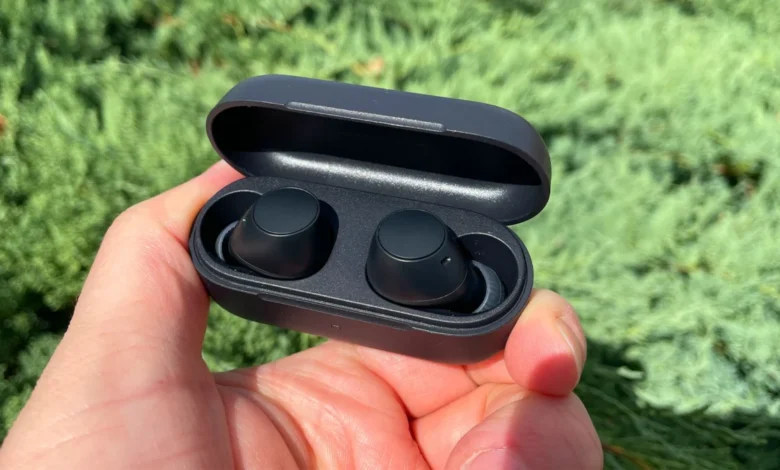
The consumer audio market has long been characterized by a stark divide between high-end flagship models and entry-level alternatives. While premium wireless earbuds from industry leaders like Apple and Bose often command prices exceeding two hundred pounds, a new development has highlighted the increasing technical capability of budget-tier hardware. The Sony WF-C510, currently available at the price point of £28 via major retailers such as Amazon, has emerged as a significant case study in how manufacturers are narrowing the performance gap between budget and premium segments.
Chronology and Market Positioning
Sony’s history in the personal audio sector is rooted in decades of innovation, stretching back to the introduction of the Walkman in 1979. In the modern era of True Wireless Stereo (TWS) earbuds, the company has consistently leveraged its expertise in digital signal processing to maintain market share across all price brackets.
The WF-C510 was introduced as a successor to earlier budget models in the WF-C series, designed to replace older iterations with refined ergonomics and updated connectivity features. Over the past twelve months, the retail price of these earbuds has seen a steady decline, moving from their initial launch MSRP to the current sub-thirty-pound threshold. This downward trend in pricing is reflective of a broader industry shift, where economies of scale and the maturation of Bluetooth component manufacturing allow for higher-quality hardware to be produced at a lower unit cost.
Technical Specifications and Performance Data
The WF-C510 represents a calculated balance between cost-cutting measures and essential feature sets. Despite the budget-oriented price tag, the technical specifications include several features previously reserved for mid-range products.
- Battery Endurance: The earbuds provide approximately 11 hours of continuous playback on a single charge. This figure is particularly notable when compared to industry averages, where many entry-level buds struggle to surpass the six-to-eight-hour mark.
- Connectivity: The inclusion of Bluetooth Multipoint—the ability to maintain simultaneous connections with two source devices—is a significant inclusion. This allows users to transition audio output between a smartphone and a laptop without the need for manual re-pairing, a feature that significantly enhances workflow efficiency.
- Durability: The hardware carries an IPX4 rating, certifying resistance against splashes of water and sweat. This makes the unit viable for fitness applications and outdoor use, effectively broadening its utility beyond sedentary listening.
- Acoustic Profile: Internal testing suggests the WF-C510 maintains a sonic signature consistent with Sony’s "house sound," which emphasizes rhythmic precision and balanced frequency response. While the build materials—primarily lightweight, tactile plastics—reflect the budget nature of the product, the internal drivers demonstrate an ability to handle complex musical arrangements without significant distortion.
Contextual Analysis of the Budget Audio Segment
The emergence of high-performing budget earbuds is part of a broader macroeconomic trend in consumer electronics. As global inflation pressures influence household spending, consumers are increasingly seeking value-driven alternatives to premium flagship devices.
Industry analysts observe that the "good enough" threshold for consumer electronics has shifted upward. Features like noise cancellation (or ambient modes), reliable Bluetooth 5.x connectivity, and long-lasting battery life, which were considered luxuries five years ago, are now becoming standard requirements for market entry.
For Sony, the strategy behind the WF-C510 appears to be one of market saturation. By capturing the entry-level demographic, the company creates a pipeline for brand loyalty. A user who has a positive experience with a £28 pair of earbuds is statistically more likely to upgrade to a mid-range or flagship Sony model when they eventually seek features like active noise cancellation or high-resolution audio codecs (such as LDAC).
Official Responses and Industry Outlook
While Sony has not released a specific press statement regarding the recent price reduction, the company’s product roadmap has consistently signaled a focus on "democratizing" high-quality audio. Representatives for major retail platforms have noted that the WF-C510 consistently ranks among the top-selling items in the "headphones" category, driven by a high volume of positive consumer sentiment and professional reviews.
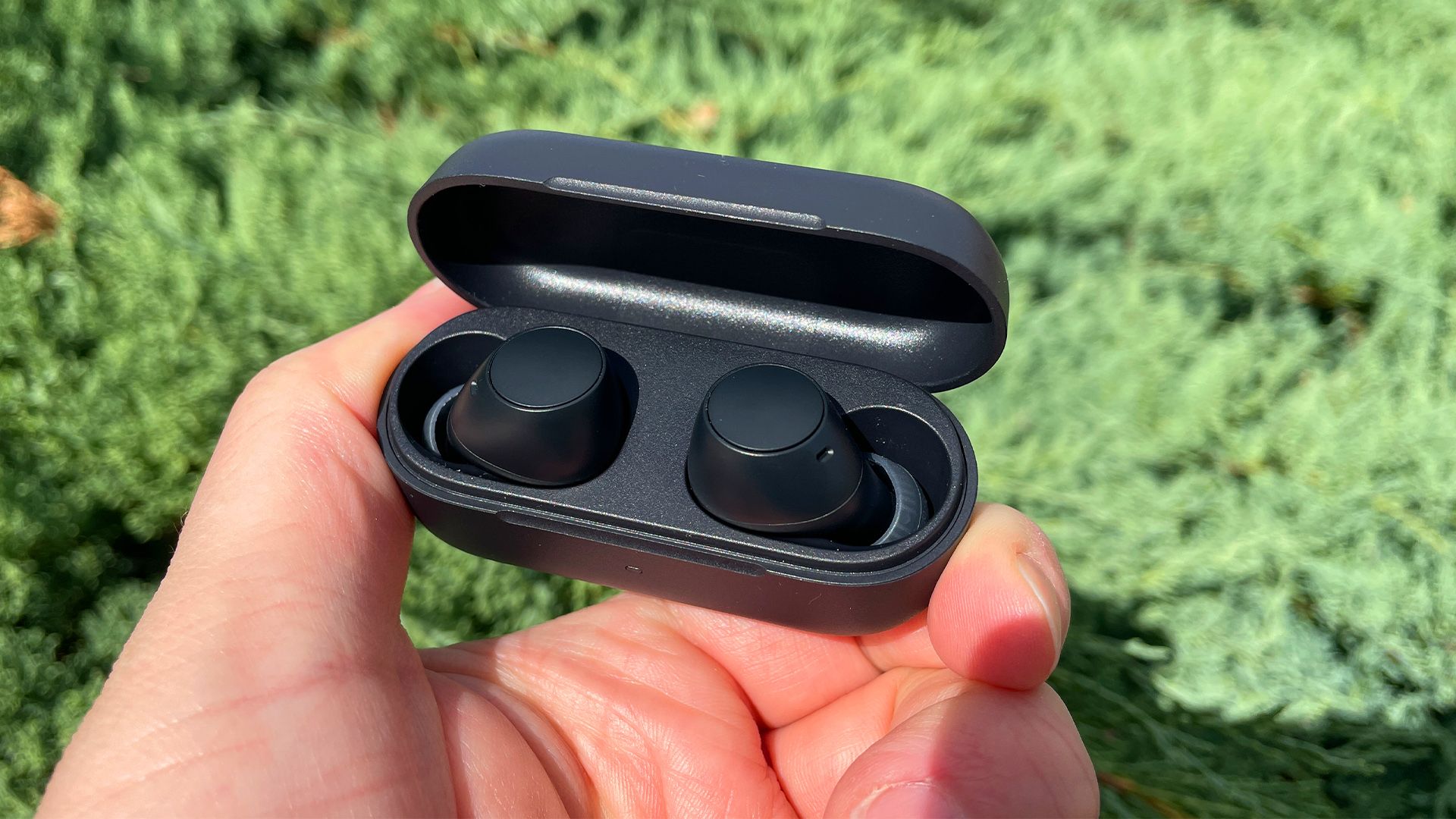
The current price drop is widely viewed as a tactical promotion, yet it highlights the compression of the audio market. When a product achieves a level of performance that satisfies even critical, audiophile-adjacent reviewers, the value proposition of significantly more expensive alternatives is increasingly scrutinized.
Broader Implications for the Electronics Industry
The implications for the broader electronics industry are twofold. First, there is the issue of "e-waste." As products become cheaper, the incentive for manufacturers to create repairable or long-lasting hardware can diminish. While the WF-C510 is lauded for its performance, the long-term sustainability of budget-tier TWS hardware remains a concern for environmental advocates. The compact nature of these devices makes battery replacement difficult, often leading to the entire unit being discarded once the internal power cell degrades.
Second, the competitive pressure on mid-tier audio manufacturers is intensifying. Companies that previously occupied the £50–£100 price bracket are finding it increasingly difficult to differentiate their products from lower-cost models that offer comparable features. This "race to the bottom" in terms of pricing forces companies to innovate through software—such as proprietary app ecosystems, advanced equalization tools, or integrated AI features—to provide value beyond the hardware itself.
The Role of Software in Hardware Longevity
A critical component of the WF-C510’s success is its integration with the Sony Headphones Connect application. By allowing users to customize their sound profile via an equalizer, Sony enables a level of personalization that is often missing from generic budget earbuds. This software-hardware synergy allows the user to mitigate some of the inherent limitations of the smaller drivers found in the WF-C510, effectively extending the lifespan of the product by allowing it to adapt to different musical genres and personal preferences.
Comparative Analysis: Budget vs. Flagship
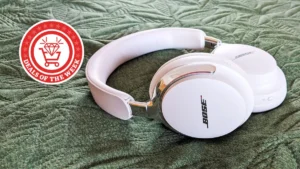
When comparing the WF-C510 to a flagship model like the Bose QuietComfort Ultra, the distinctions become clear. The flagship models provide superior active noise cancellation (ANC), more advanced spatial audio processing, and premium materials such as aluminum or high-grade composites. However, in terms of pure, baseline audio fidelity—the ability to play music clearly and accurately—the gap is not always proportional to the price difference.
For the average consumer, the diminishing returns of high-end audio gear are becoming more apparent. The WF-C510 provides, by some metrics, 70 to 80 percent of the experience of a flagship set of buds for roughly 10 percent of the cost. This creates a compelling argument for the budget sector, especially for users who prioritize utility and reliability over brand prestige or niche audiophile features.
Conclusion and Future Forecast
The Sony WF-C510 serves as a benchmark for what is possible in the modern era of mass-produced audio electronics. As connectivity standards continue to evolve and chipsets become more efficient, it is likely that the performance floor for all wireless earbuds will continue to rise.
For the consumer, the current market climate is arguably the most favorable in history. The availability of high-quality audio at a sub-thirty-pound price point ensures that accessibility to good sound is no longer restricted to those with significant disposable income. Whether these devices act as a bridge to higher-end products or as a long-term solution for daily listening, they represent a significant victory for consumer value.
As manufacturers look toward the next generation of devices, the challenge will remain the same: how to maintain this level of performance while addressing the growing necessity for sustainable design and circular economy principles. For now, however, the WF-C510 remains a testament to the power of engineering to deliver quality at scale, solidifying its place as a staple in the current wireless headphone landscape.