Tesla Reopens Next-Generation Roadster Reservations Requiring Steep $50,000 Deposits Ahead of Upcoming Waco Event

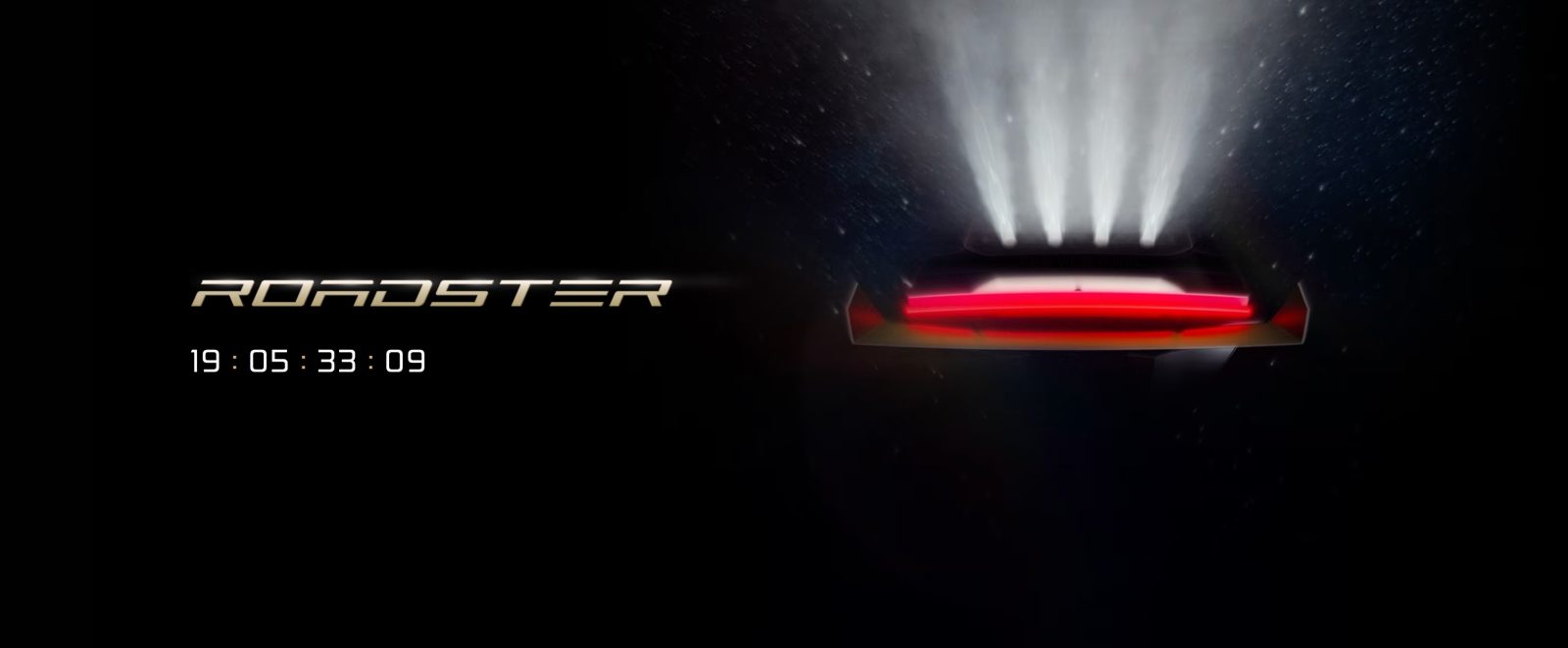
Nearly nine years after initially unveiling the next-generation Tesla Roadster to the public, American electric vehicle manufacturer Tesla has officially reopened reservations for the high-performance sports car. Prospective buyers are once again being asked to commit a substantial financial deposit of $50,000, even as the company prepares to showcase a production-intent version of the vehicle at an upcoming exclusive launch event near Waco, Texas, scheduled for October 1.
The resurrection of the reservation portal marks a controversial milestone for a vehicle that has faced nearly a decade of continuous delays, missed production deadlines, and shifting corporate priorities. While enthusiasm among dedicated automotive enthusiasts and Tesla loyalists remains high, industry analysts and long-standing reservation holders are approaching the renewed fundraising push with a heavy dose of skepticism, recalling the prolonged wait times and administrative hurdles faced by the initial wave of depositors.
Financial Structure of the New Reservation Process
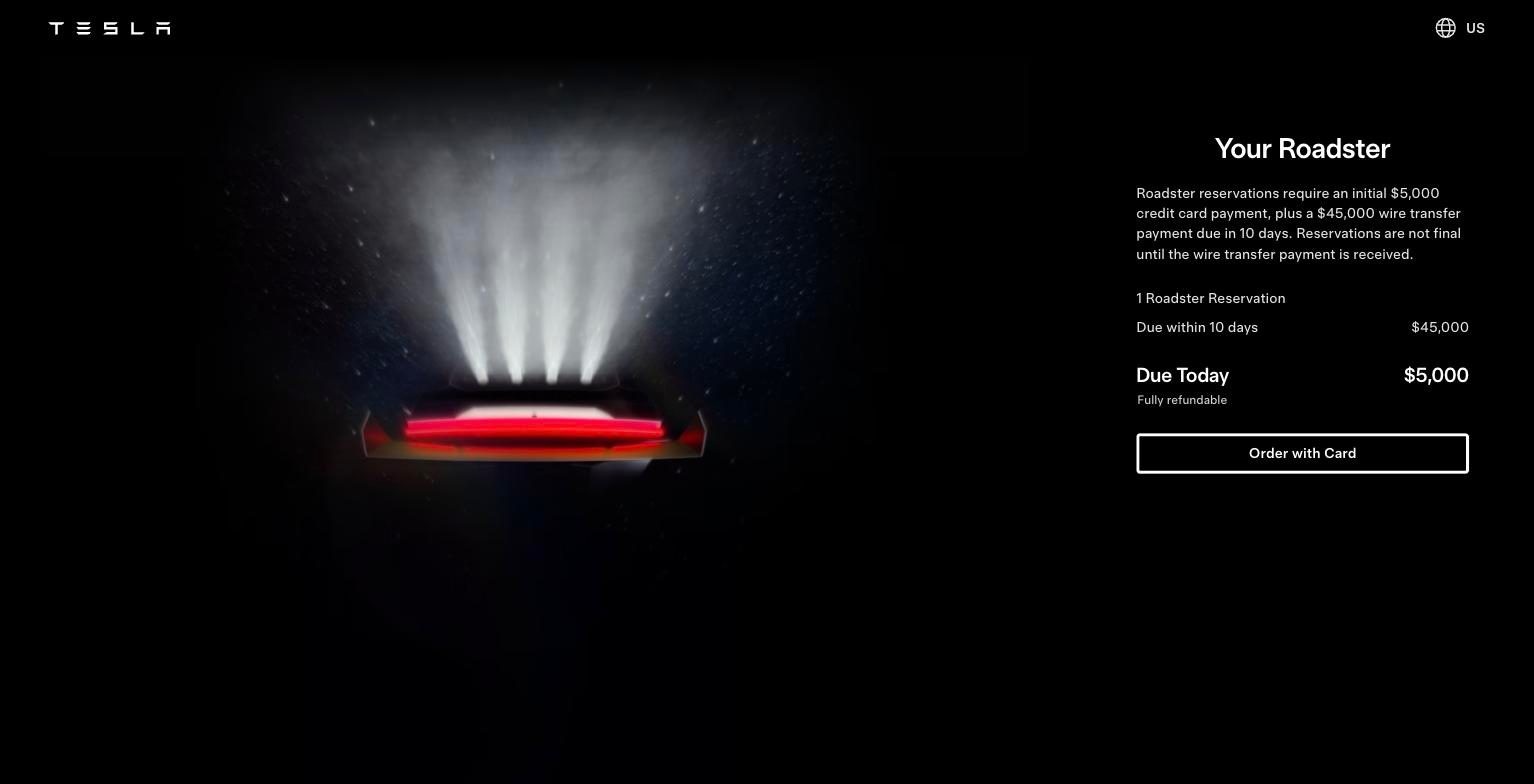
The updated reservation mechanism deployed by Tesla requires a structured two-step payment process designed to secure a spot in the production queue. According to the live reservation portal, interested buyers must first submit a $5,000 payment via credit card. Tesla explicitly designates this initial transaction as "fully refundable."
However, this initial payment is merely a placeholder. Within ten calendar days of placing the initial credit card charge, prospective buyers are required to complete a wire transfer for the remaining $44,000, bringing the total mandatory deposit to $50,000. Corporate policy dictates that the reservation is not formally recognized, processed, or locked into the build queue until the large wire transfer has officially cleared into Tesla’s accounts. This stringent financial requirement closely mirrors the conditions established during the vehicle’s original debut, shifting significant upfront capital from consumers to the automaker years before assembly lines begin turning out customer-ready units.
A Chronology of Delays: The Long Road Since 2017
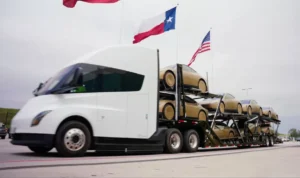
To fully understand the weight of the new reservation round, it is necessary to examine the protracted timeline of the next-generation Roadster project. The vehicle was first revealed as a surprise "one more thing" during the launch event for the Tesla Semi in Hawthorne, California, in November 2017. At that time, CEO Elon Musk captivated the audience by driving the low-slung sports car out of the back of a semi-trailer, boasting unprecedented performance specifications that challenged the established elite of the supercar industry.
During the 2017 unveiling, Tesla established two distinct tiers for prospective owners. The standard reservation required the same $50,000 deposit currently being requested. Meanwhile, a high-end "Founders Series" tier demanded the full purchase price of $250,000 upfront, locking in early build slots for the first 1,000 units produced. At the time of the reveal, Musk boldly promised that the Roadster would enter full-scale production by the year 2020.
That self-imposed deadline came and went without a single production-spec Roadster reaching a customer driveway. Over the subsequent six years, the production timeline was pushed back on at least eight separate occasions. Competing engineering priorities—including the intense development cycles required to scale the Model Y, launch the Cybertruck, and build out global manufacturing capacity in Shanghai, Berlin, and Austin—consistently forced the Roadster to the back burner.
The prolonged silence surrounding the vehicle eventually took a toll on customer relations. Over the past two years, prominent early reservation holders, including technology commentator Marques Brownlee, publicly documented significant friction when attempting to reclaim their tied-up capital. Reports surfaced indicating that while automated systems occasionally refunded smaller sums, recovering the full breadth of early deposits required navigating layers of customer service hurdles. Similarly, prominent tech figures like OpenAI CEO Sam Altman reported experiencing communication roadblocks when attempting to cancel their long-standing reservations.
Ambitious Performance Claims and New Design Language
Tesla’s upcoming October 1 event near Waco is billed as the definitive moment where the company will clarify the vehicle’s final pricing structure, detailed technical specifications, and realistic manufacturing timelines. Musk has spent much of the past year utilizing social media and public appearances to generate anticipation, most notably teasing an experimental collaboration with aerospace manufacturer SpaceX.
According to statements made by company leadership, high-end variants of the Roadster may feature SpaceX-designed cold gas thrusters integrated into the chassis. Musk has asserted that these compressed-air thrusters will dramatically alter the physics of vehicle handling, potentially allowing the sports car to hover or execute maneuvers previously impossible for traditional passenger automobiles. However, industry experts note that the initial stunt vehicles utilizing these systems will likely serve as non-street-legal demonstration prototypes intended for closed-course exhibitions rather than everyday consumer use.
When originally announced in 2017, the Roadster boasted jaw-dropping specifications: a zero-to-sixty acceleration time of under 1.9 seconds, a quarter-mile time of 8.8 seconds, a top speed exceeding 250 miles per hour, and an unprecedented 620-mile range powered by a 200 kWh battery pack. The projected base price at that time was set at $200,000.

Recent teaser campaigns and design updates indicate that the vehicle has also undergone cosmetic revisions to align with Tesla’s newer design language. The updated aesthetic incorporates sharper, more angular styling cues reminiscent of the Cybertruck and the company’s planned autonomous robotaxi fleet, alongside a prominent, full-width exterior light bar.
Market Sentiment and Independent Predictions
Despite the high-voltage marketing campaign, independent financial markets and prediction platforms reflect widespread caution regarding Tesla’s ability to meet its newly implied delivery windows. On decentralized prediction markets such as Polymarket, trading contracts predicting the successful delivery of a customer-ready Roadster by the end of 2026 consistently hover below five percent. Contracts extending the deadline through the course of 2027 see slightly higher confidence, trading around sixty-one percent probability, though overall market liquidity remains relatively thin.
Automotive analysts point out that while Tesla has demonstrated an exceptional ability to scale high-volume consumer vehicles like the Model 3 and Model Y, ultra-low-volume halo cars occupy a fundamentally different economic and operational space. Developing complex aerodynamic chassis, bespoke carbon-fiber body panels, and experimental propulsion systems requires diverting specialized engineering talent away from core revenue-generating product lines.

Implications for the Electric Vehicle Landscape
The decision to reopen reservations without an established manufacturing date highlights a unique business strategy characteristic of Tesla’s corporate history: leveraging consumer enthusiasm and non-dilutive capital to help finance long-term research and development.
For the broader electric vehicle market, the Roadster represents a fascinating test case in consumer patience and brand loyalty. While legacy luxury automakers like Porsche, Ferrari, and Lotus are rapidly expanding their own high-performance electric vehicle portfolios—such as the Porsche Taycan and upcoming electric hypercars—Tesla’s absence in the ultra-luxury sports car segment has left a noticeable vacuum.
Whether the October 1 event in Waco will finally provide the concrete validation that reservation holders have awaited for nearly a decade remains to be seen. Until physical keys are handed over to paying customers on public roads, the next-generation Tesla Roadster will likely remain one of the most anticipated, and most delayed, promises in automotive history.