The Current State of Consumer Technology: Navigating the Intersection of Innovation and Societal Impact

The technology sector currently finds itself at a significant crossroads, characterized by an unprecedented surge in artificial intelligence capabilities, a saturated hardware market, and a growing public discourse regarding the long-term societal effects of modern digital integration. As consumers are inundated with rapid-fire product releases and abstract AI promises, the fundamental question arises: which pieces of technology are genuinely fostering a positive impact on daily life, and which are merely contributing to the noise of an increasingly digital-first society?
The Evolution of Modern Wearables: A Case Study in Utility
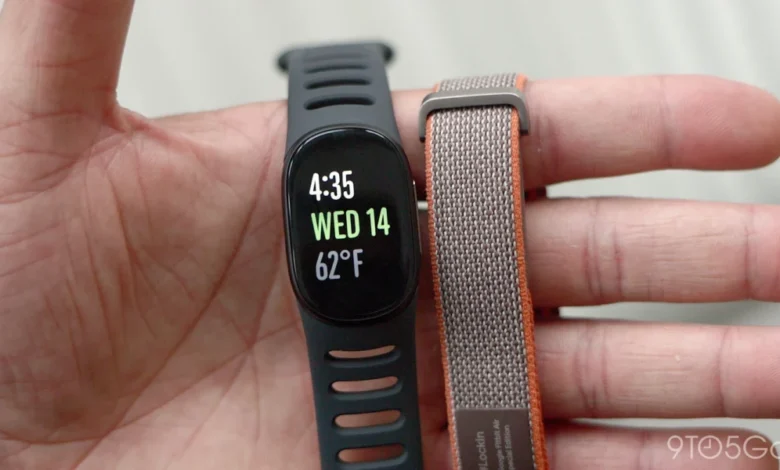
The recent developments in the wearable technology market, exemplified by the latest iterations of devices such as the Fitbit series, highlight the industry’s shift from basic activity tracking to sophisticated, data-driven health monitoring. Over the past decade, wearable tech has transitioned from a niche hobbyist category to a central component of preventative healthcare.
Market data from the last quarter indicates that the wearable device industry is projected to reach a valuation exceeding $100 billion by 2026. This growth is driven by the integration of advanced biometric sensors capable of monitoring blood oxygen levels, heart rate variability, and sleep architecture. However, as these devices become more capable, they also raise complex questions regarding data privacy and the psychological impact of constant self-quantification. The challenge for manufacturers is to balance the utility of "actionable insights" with the potential for "health anxiety" among users.
Chronology of Technological Integration
To understand the current sentiment in the tech landscape, one must look at the timeline of digital encroachment:
- 2010–2015: The Mobile Era. The ubiquity of smartphones fundamentally altered human communication, turning every individual into a node in a global, always-on network.
- 2016–2020: The Smart Home and Wearables Boom. Technology began to move from our pockets into our living rooms and onto our wrists, shifting the focus from social interaction to environmental and physiological monitoring.
- 2021–2023: The Remote Work Shift. The global pandemic accelerated the adoption of collaboration software and high-speed connectivity, blurring the lines between domestic space and corporate oversight.
- 2024–Present: The Generative AI Paradigm. We have entered an era where software no longer just responds to input but generates content, creates imagery, and predicts user needs, leading to both excitement regarding productivity and apprehension regarding human autonomy.
Data-Driven Perspectives on Tech Consumption
Recent surveys conducted by major research institutions suggest a widening gap between tech adoption and user satisfaction. While 82% of consumers report that they cannot imagine their lives without modern digital tools, nearly 45% report feeling "digital fatigue." This paradox—where users depend on technology but feel exhausted by its presence—is the defining feature of the current technological zeitgeist.
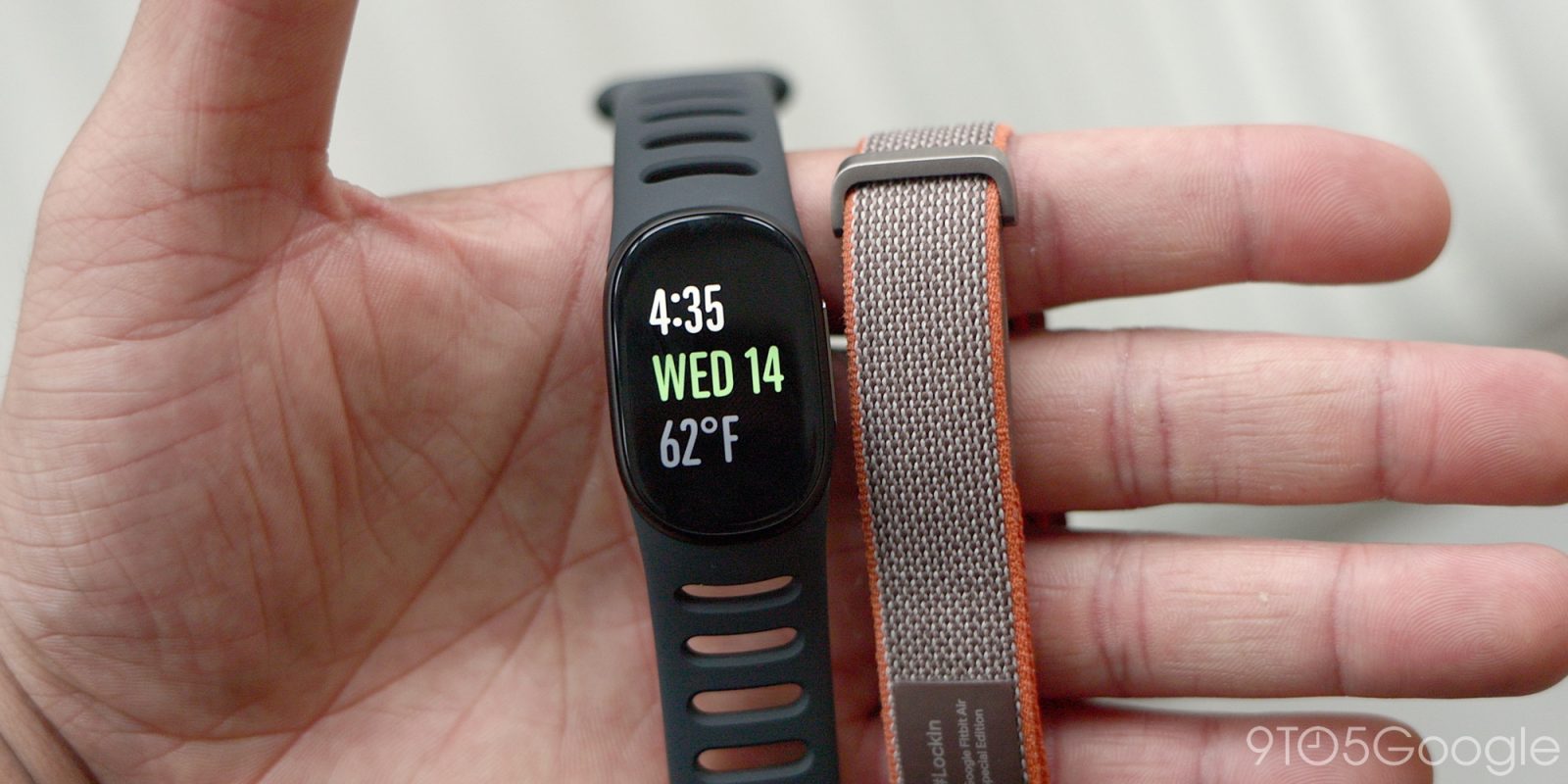
In the wearable sector specifically, internal analytics from major tech firms show that while "feature density" (the number of sensors and apps on a device) has increased by 40% over the last three years, user engagement with non-essential features has stagnated. This suggests that consumers are seeking simplicity and reliability over complexity. The trend indicates that the next phase of consumer hardware will likely prioritize "invisible technology"—devices that provide value without requiring constant interaction or maintenance.
Official Industry Responses and Strategy
Industry leaders have acknowledged the growing tension between innovation and social wellbeing. At recent investor conferences, executives from firms like Google, Apple, and Fitbit have pivoted their messaging toward "intentional computing." This strategy emphasizes the importance of focus modes, screen-time management, and the ethical use of artificial intelligence to minimize distractions rather than maximize them.
"The goal is not to keep the user glued to the screen," stated a spokesperson for a leading wearable manufacturer during a recent product briefing. "The goal is to provide the data necessary for the user to make an informed decision and then return to their real-world environment." This shift in rhetoric represents an attempt to mitigate the criticism that Big Tech companies are intentionally designing platforms to be addictive.
The Broader Societal Implications
The implications of this transition are far-reaching. As AI becomes embedded in everything from our watches to our search engines, the definition of "user experience" is being redefined. We are moving from a model where the user controls the tool to a model where the tool anticipates the user. While this offers immense efficiency—such as detecting a health anomaly before the user feels symptoms—it also poses a risk to individual agency.
The social fabric is being tested by the speed of these developments. Educational institutions are grappling with the use of AI in classrooms, labor markets are shifting as automation renders certain tasks obsolete, and regulatory bodies are struggling to keep pace with the legislative needs of a digital-first economy. The "weird place" that tech occupies is, in reality, a space of transition. We are currently in the "growing pains" phase of an technological revolution that is as significant as the Industrial Revolution, yet occurring at a speed that allows for little time to reflect on the consequences.
Analysis: What Drives Current Happiness?
When consumers are asked what technology makes them happy, the answer rarely involves the latest abstract AI algorithm. Instead, it consistently points to tools that solve tangible problems:

- Connectivity that bridges distances: Video conferencing and instant messaging remain the most highly valued tools for maintaining social capital.
- Health and Safety: Devices that offer peace of mind, such as fall detection or heart rate monitoring, are consistently ranked as the most "essential" purchases.
- Creative Enablement: Tools that allow for personal expression, such as high-quality cameras or creative software, rank high in satisfaction scores.
The disconnect occurs when technology attempts to solve problems that don’t exist, or when it tries to monetize attention through algorithmic manipulation. The happiness derived from technology is fundamentally linked to the degree of control the user retains over their digital environment.
Future Outlook and Conclusion
As we look toward the remainder of the decade, the focus of the tech industry must shift from raw performance to human-centric design. The "Fitbit Edge" versus "Fitbit Air" debates that dominate enthusiast forums are symptomatic of a deeper desire for hardware that fits seamlessly into a life that is already crowded with digital noise.
The success of future technologies will not be measured by their processing power or the sophistication of their neural networks, but by their ability to provide genuine, measurable value without eroding the quality of the user’s offline experience. The industry is currently at a turning point where it must decide whether to continue down the path of maximum engagement or pivot toward a model of sustainable, helpful, and respectful technology.
As it stands, the consumer remains the ultimate arbiter. By choosing to engage with technology that serves them and setting boundaries with those that do not, the public is currently shaping the next iteration of the digital landscape. Whether the future is one of seamless integration or necessary digital distancing remains to be seen, but the trajectory will undoubtedly be defined by the intersection of our human needs and the tools we choose to build for them.