The Secret to Cinematic Immersion: Why Cohesion Defines the Modern Surround Sound Experience

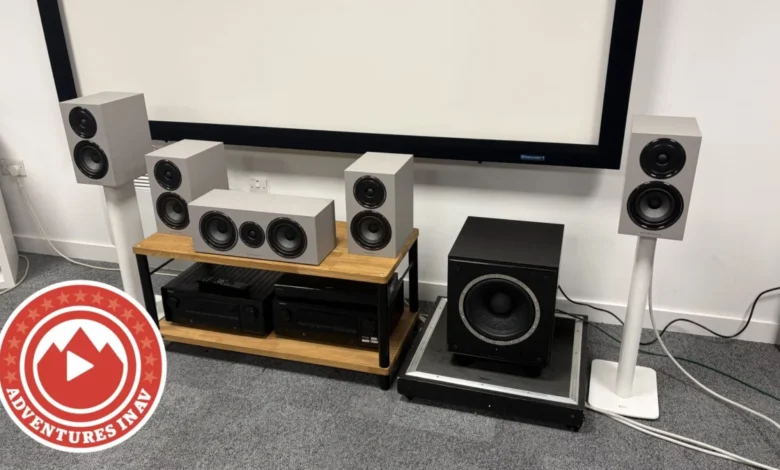
The year 2026 has emerged as a landmark period for home cinema enthusiasts, characterized by a resurgence in the development and release of high-performance surround sound speaker packages. Throughout the year, industry leaders—including Wharfedale, KEF, Paradigm, Dali, and Q Acoustics—have introduced new iterations of their multichannel systems, prompting a rigorous evaluation process within the audio-visual industry. While the convenience of the modern soundbar remains a dominant force in the consumer electronics market, a critical analysis of current testing cycles reveals that dedicated, multi-speaker surround sound systems continue to provide an unparalleled level of sonic immersion.
The fundamental challenge in evaluating these systems lies in a singular, elusive quality: acoustic cohesion. As reviewers and engineers spend hundreds of hours monitoring performance across diverse media—ranging from high-octane blockbusters like F1: The Movie to the atmospheric tension of Blade Runner 2049 and the character-driven narratives of Sinners and Thunderbolts—a consensus has emerged. The difference between a transformative cinematic experience and a disjointed one rests entirely on the manufacturer’s ability to maintain a consistent sonic signature across all channels.
The Anatomy of Acoustic Cohesion
In the context of multi-channel audio, cohesion refers to the seamless transition of sound as it moves through the acoustic space. A perfectly calibrated system acts as a singular organism; when a sound effect pans from the front-left speaker to the rear-surround, the listener should experience no shift in tonal character, frequency response, or "weight."
When this cohesion fails, the "cinematic bubble" is punctured. Often, manufacturers attempt to reduce costs or physical footprints by utilizing smaller, less capable drivers in surround channels compared to the front-stage speakers. This creates a phenomenon where the rear speakers, despite being correctly positioned, announce their presence by sounding "thin" or "brittle" in comparison to the front L/R channels. This creates a distinct auditory gap that distracts the viewer, effectively reminding them that they are sitting in a room with disparate speakers rather than inhabiting the world of the film.
Case Study: The Benchmark of Consistency
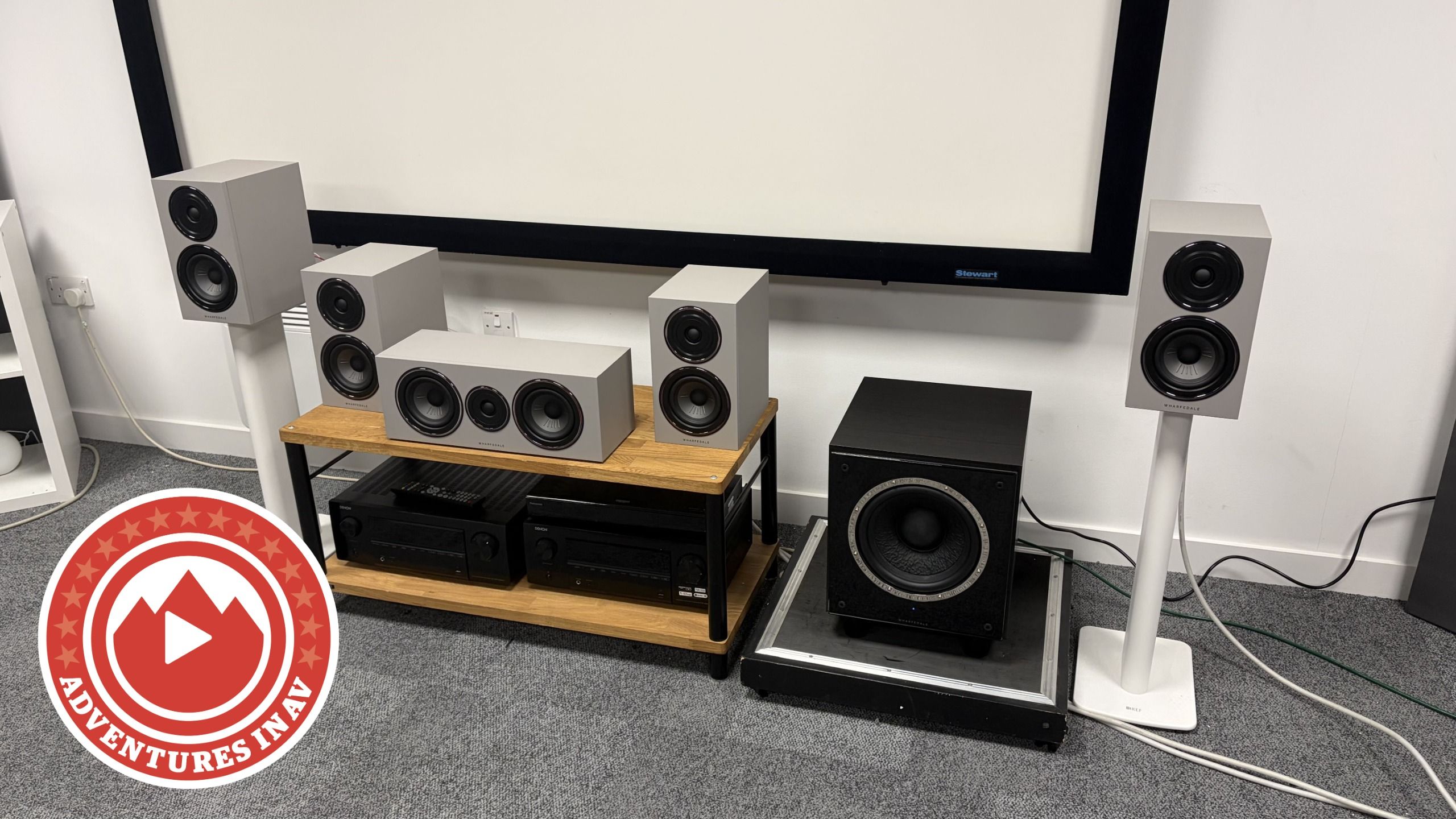
The industry standard for achieving this balance is currently exemplified by the Wharfedale Diamond 12.1i 5.1 Home Cinema Package (HCP). Recognized with a prestigious What Hi-Fi? Award in 2026, the system serves as a practical demonstration of design philosophy.
By utilizing identical Wharfedale Diamond 12.1i units for both front and surround positions, the system ensures a 100 percent match in driver technology. The 12.1Ci center channel, which serves as the anchor for dialogue and primary on-screen action, integrates the same 25mm woven polyester dome tweeter and 13cm mid/bass drivers found in the satellites. This uniformity eliminates the risk of tonal shift. When a score transitions across the room or dialogue moves across the soundstage, the listener hears a singular, unified acoustic performance.
The Complexity of Component Matching
Achieving such consistency is not merely a matter of using identical components; it is a complex engineering feat that requires careful consideration of cabinet volume, port tuning, and crossover design. The Paradigm Premier v2 5.1 system provides a cautionary tale in this regard. While the system demonstrates exceptional cohesion between its channels—matching drivers effectively and maintaining a consistent sonic character—it highlights that cohesion alone is not the sole metric for success.
The Paradigm system, while technically unified, is often criticized for a "hard-edged" sonic profile that lacks the natural warmth required for long-form listening. This underscores a vital reality in the audio market: while manufacturers must prioritize channel matching, they must also balance that consistency with a tonal profile that is pleasing and non-fatiguing. A system that is perfectly cohesive but fundamentally unpleasant to listen to will struggle to gain market traction, regardless of how well its channels blend.
The Role of the Front-Stage Hierarchy
The front left and right speakers occupy a privileged position in any 5.1 or 7.1 setup. Data suggests that these two channels are responsible for approximately 70 percent of the total audio output in standard film mixes, handling the vast majority of soundtracks, atmospheric effects, and dynamic transitions. Consequently, the front-stage speakers act as the "standard-bearer" for the entire system.
The center channel’s primary responsibility, meanwhile, is the reproduction of dialogue and critical on-screen sound effects. Because the center channel is physically localized to the screen, any discrepancy between its performance and the performance of the front-left and front-right speakers becomes immediately apparent to the human ear. The industry has moved toward a model where the center channel is treated as the "heart" of the system, often over-engineered to ensure that it can keep pace with the larger front speakers.
Market Trends and Consumer Implications
As we move through the latter half of 2026, several trends are defining the surround sound landscape:
- Driver Standardization: Manufacturers are increasingly favoring the use of identical driver arrays across all five main channels, even if it requires larger, more expensive satellite cabinets.
- Price-to-Performance Ratio: Budget-conscious systems are moving toward "matched" satellite sets where the center channel is a horizontal version of the bookshelf speaker, rather than a separate, proprietary design.
- Room Correction Integration: With the rise of advanced room-correction software (such as Dirac Live or Audyssey MultEQ XT32), even systems with minor tonal discrepancies can be "tuned" to sound more cohesive. However, engineers maintain that hardware-level cohesion remains superior to digital correction.
Conclusion: The Future of Immersion
The pursuit of the "cinematic bubble" remains the primary driver of the high-end audio market. As home displays move toward 8K resolution and HDR, the audio industry is under increased pressure to match that level of detail. The findings of 2026 underscore a definitive shift: consumers are no longer satisfied with disparate, uncoordinated speaker sets.
The success of systems like the Wharfedale Diamond 12.1i 5.1 HCP highlights that the future of home cinema lies in total integration. As manufacturers continue to refine their designs, the focus will undoubtedly remain on the interplay between front and rear channels. For the consumer, the takeaway is clear: when shopping for a surround sound package, the most critical specification is not the wattage or the frequency range, but the consistency of the components. A system that speaks with one voice will always outperform a collection of superior, but mismatched, parts.
As we look toward 2027, it is expected that this focus on "cohesive design" will become the default industry standard, further narrowing the gap between the professional dubbing stage and the domestic living room. The technology is rapidly maturing, and for those seeking the ultimate home theater experience, the return to dedicated, cohesive, multi-speaker systems is not just a trend—it is a necessary evolution.