After nearly half a decade, the small, next-gen OLED TVs I’ve been waiting for are finally here

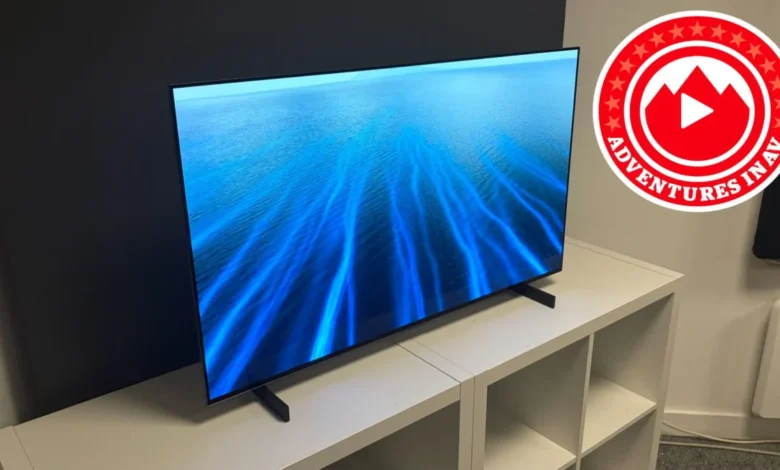
As the industry approaches the highly anticipated What Hi-Fi? Awards 2026, the editorial and testing teams have concluded a rigorous evaluation process focused on the latest advancements in display technology. Central to this year’s assessment is the performance of compact OLED (Organic Light-Emitting Diode) televisions, a category that has transitioned from a niche enthusiast offering to a mainstream contender for both home cinema and high-performance desktop computing.
The Shift Toward Compact High-Performance Displays
For years, the television market was dominated by a "bigger is better" philosophy, with 55-inch and 65-inch panels serving as the standard for living room viewing. However, the introduction of 42-inch and 48-inch OLED panels by major industry players—most notably LG, Samsung, and Panasonic—has fundamentally altered the landscape.
This shift is driven by a convergence of demand from two distinct demographics: apartment-dwelling cinephiles limited by physical space and competitive gamers seeking the low-latency, high-contrast advantages of OLED in a monitor-sized package. The technical appeal of these smaller panels lies in their pixel density. Because the same number of pixels (3840 x 2160 for 4K resolution) is packed into a smaller surface area, these TVs exhibit superior sharpness and perceived detail compared to their larger counterparts, making them exceptionally well-suited for near-field viewing.
Chronology of OLED Miniaturization
The development of the compact OLED market can be traced back to the industry’s strategic expansion between 2021 and 2026:
- 2021-2022: The emergence of the LG C2 series established a new benchmark, proving that premium OLED technology could be successfully downscaled to a 42-inch form factor without sacrificing processing power or input capabilities.
- 2023-2024: Market maturation saw the refinement of panel brightness and heat dissipation technologies. Competitors like Samsung and Panasonic began to aggressively enter the space, introducing QD-OLED technology to the 48-inch segment.
- 2025-2026: The current cycle has focused on software optimization, AI-driven upscaling, and the integration of advanced gaming features, such as variable refresh rates (VRR) and ultra-low latency modes, becoming standard across the compact range.
Performance Analysis of the 2026 Class
Testing conducted during the 2026 awards cycle indicates that the divide between "desktop monitors" and "living room TVs" has all but vanished. The latest iterations of the LG C-series and Samsung S-series demonstrate significant improvements in peak luminance and color volume.
Industry data suggests that the 2026 models utilize more efficient organic compounds, which directly addresses the historical challenges of screen burn-in and brightness limitations in smaller chassis. When compared to the previous generation, such as the LG C5, the new C6 demonstrates a marked increase in refined picture processing. This is evidenced by more nuanced shadow detail and a more balanced color palette, which prevents the oversaturation that occasionally plagued earlier OLED iterations.
Technical Implications for Gamers and Cinephiles
For the gaming sector, these compact OLEDs represent a generational leap. With the upcoming release of highly anticipated titles such as the next installment of the Call of Duty franchise and the long-awaited Grand Theft Auto VI, the demand for high-refresh-rate, high-contrast displays is at an all-time high.
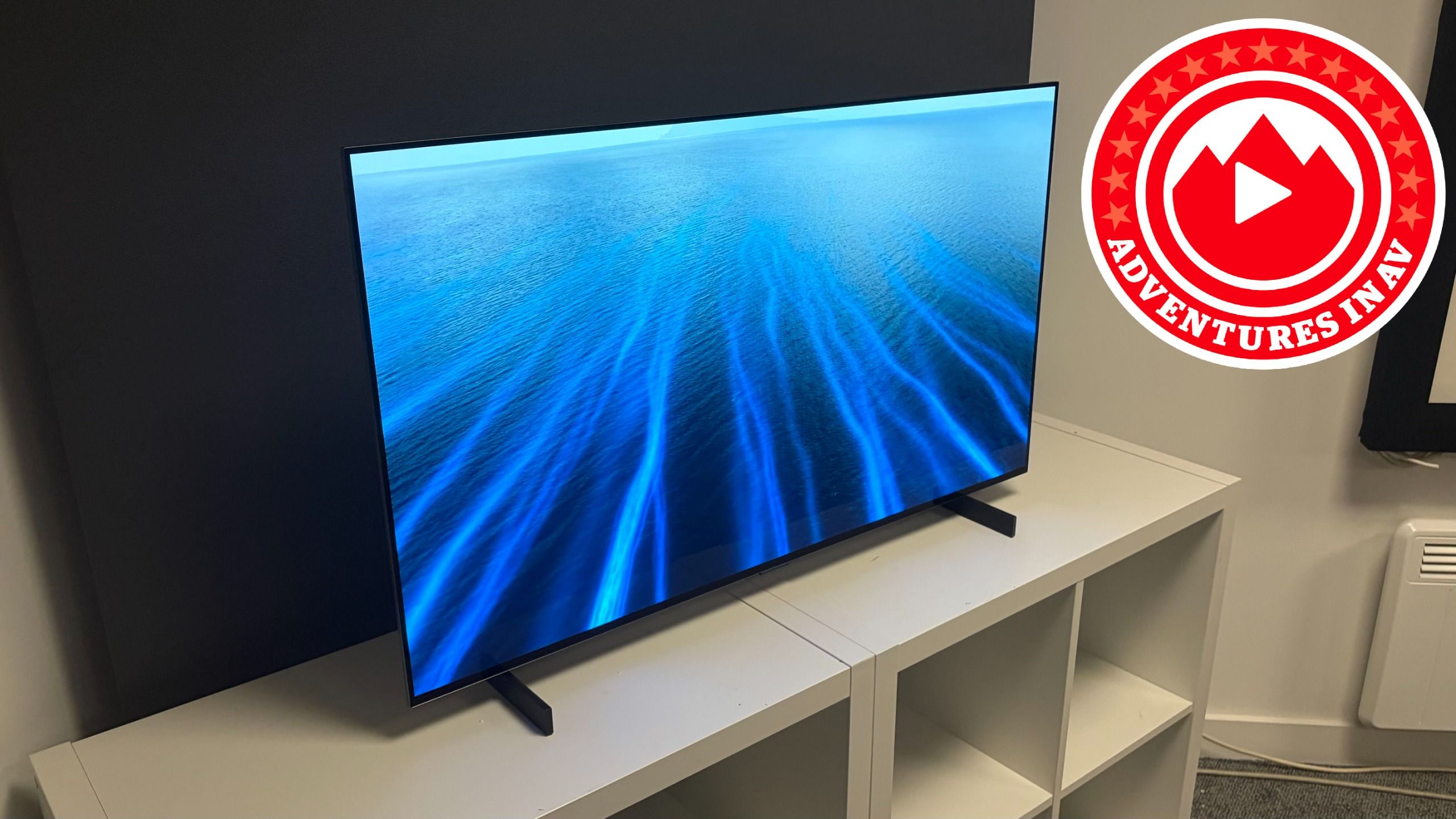
The integration of HDMI 2.1 across the entire compact range allows for 4K resolution at 120Hz or 144Hz, providing a competitive edge in fast-paced shooters. Furthermore, the "infinite contrast" inherent to OLED—where each pixel emits its own light—ensures that dark environments in modern games are rendered with true black levels that LCD or QLED screens simply cannot replicate.
From a cinematic perspective, the ability to maintain these performance metrics at 42 or 48 inches means that users no longer have to compromise on picture quality if they do not have the wall space for a 65-inch panel. The uniformity of the image, combined with superior viewing angles, ensures that even when sitting at a desk or in a small home office, the viewer experiences a consistent, high-fidelity image.
Market Trends and Economic Factors
The pricing structure of these devices remains a critical factor for consumers. Historically, smaller OLED panels commanded a premium price, sometimes matching or exceeding the cost of larger models due to manufacturing complexities. However, as production yields have improved and supply chains have stabilized, the cost gap has narrowed significantly.
Despite this, market analysts observe that consumers remain sensitive to the "Black Friday" and holiday sale cycles. There is a clear pattern of "wish-listing" behavior, where potential buyers monitor these units for months, waiting for the price to drop into a specific range. While the performance-per-dollar ratio of a 42-inch OLED is arguably the highest in the current TV market, the perception of these units as "luxury" items persists.
Official Perspectives and Future Outlook
While specific award winners remain confidential until the official 2026 What Hi-Fi? ceremony, the consensus among technical reviewers is that the current crop of compact OLEDs are no longer "compromised" versions of their larger siblings. They are, in fact, flagship-grade displays.
Representatives from major manufacturers have consistently emphasized that the compact OLED segment is now a top priority for research and development. The goal for 2027 and beyond is expected to be further advancements in "MLA" (Micro Lens Array) technology to boost brightness even further, and the potential integration of even higher refresh rates to cater to the burgeoning eSports market.
Conclusion
The trajectory of the compact OLED market serves as a microcosm for the broader television industry: a focus on precision, efficiency, and versatility. As these displays continue to blur the lines between television, monitor, and gaming interface, they provide a compelling solution for a wide range of consumers. Whether for the immersive experience of a high-budget film or the technical demands of competitive gaming, the 42- and 48-inch OLEDs of 2026 stand as a testament to the progress of display engineering.
For the average consumer, the message is clear: the barrier to entry for top-tier visual performance is lower than ever, and the physical constraints of a smaller living space no longer necessitate a trade-off in quality. As the industry moves toward the next year of product development, the standard set by this year’s compact OLEDs will undoubtedly serve as the foundation for future innovations in home cinema technology.