Oura Files Fresh Lawsuit Against Competitor Ultrahuman Over Smart Ring Patents, Threatening U.S. Comeback

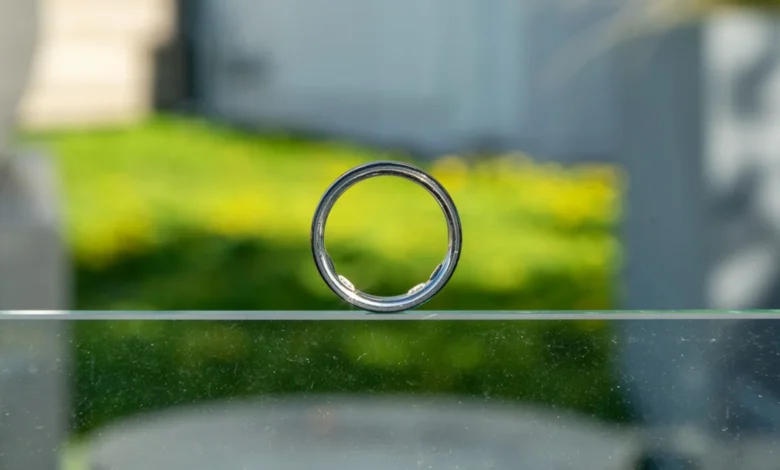
The legal battle heating up the global smart ring market has reached a critical juncture. Wearable technology pioneer Oura has initiated a fresh lawsuit against its prominent rival, Ultrahuman, alleging that the newly launched Ultrahuman Ring Pro infringes upon multiple proprietary design and internal component patents. The legal action, filed in late October, marks a significant escalation in an ongoing multi-year intellectual property war between the two companies. It also directly threatens Ultrahuman’s strategic efforts to re-establish a foothold in the lucrative United States consumer market following prior regulatory hurdles and import restrictions.
According to legal filings and industry reports, Oura’s latest complaint targets core hardware elements within the Ring Pro. Specifically, Oura claims that Ultrahuman has misappropriated its patented configurations for curved internal batteries, specialized circuit boards, magnet arrangements, and internal sensor layouts. This aggressive legal posture underscores the high stakes in the rapidly expanding smart ring industry, where minute improvements in miniaturization, power efficiency, and biometric accuracy can dictate market dominance.
The Timing of the Patent Assertion and Legal Strategy
What has drawn particular scrutiny from industry analysts and legal experts is the precise timing of Oura’s latest intellectual property maneuver. Oura was officially granted the specific internal-component patent referenced in the lawsuit—United States Patent No. 12,769,363—on October 20. Just two days later, on October 22, Oura formally filed its lawsuit against Ultrahuman in federal court.
This rapid-fire execution highlights a calculated legal strategy. By securing the patent and immediately leveraging it against a direct competitor’s flagship product, Oura is attempting to choke off the distribution of a device designed to bypass earlier trade barriers. An Oura spokesperson did not mince words when discussing the motivations behind the filing, issuing a public statement emphasizing a recurring pattern.
"Ultrahuman has a history of copying Oura’s innovations, as demonstrated by the 2025 ITC ruling against the company," the Oura spokesperson stated. "Ultrahuman introduced a redesigned ring but failed to address continued infringement of Oura’s patents."
In addition to seeking a permanent injunction to halt the sale and distribution of the infringing devices, Oura is pursuing substantial monetary damages. The company aims to recover financial compensation for what it characterizes as unauthorized commercial use of its heavily researched and protected hardware architecture.
Ultrahuman’s Response and U.S. Market Resilience
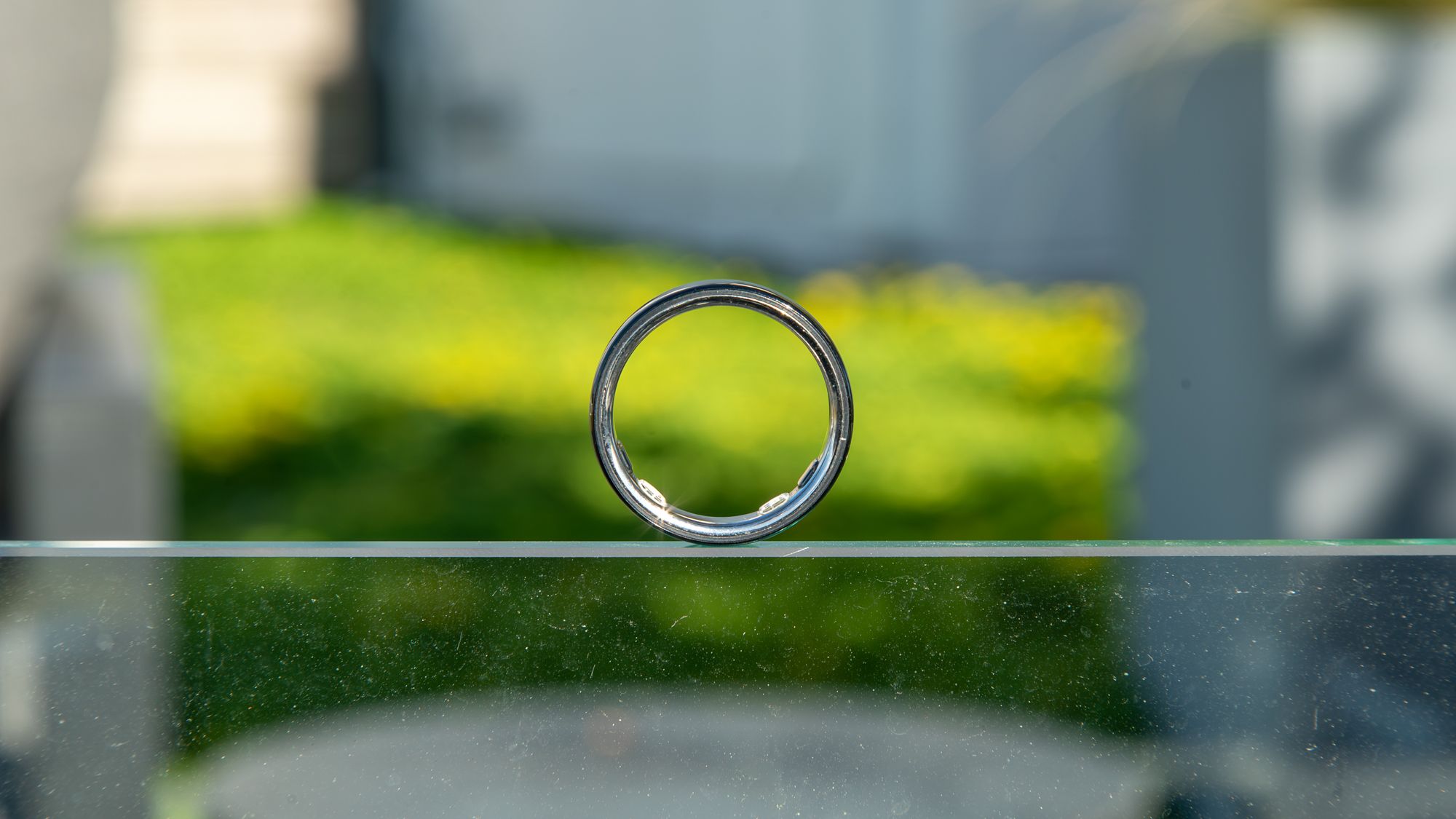
Ultrahuman leadership has firmly pushed back against the allegations, framing the lawsuit as an aggressive corporate maneuver designed to stifle lawful competition rather than a genuine defense of pioneering technology.
Mohit Kumar, co-founder and Chief Executive Officer of Ultrahuman, addressed the timing of the lawsuit in statements to technology media. Kumar pointed out the striking proximity between the issuance of Oura’s patent and the filing of the complaint, noting that Oura deliberately chose to assert fresh patents freshly minted just forty-eight hours prior to initiating legal proceedings.
Despite the mounting legal pressure, Kumar confirmed that the current litigation has not resulted in any immediate judicial injunctions or temporary restraining orders halting sales. Consequently, the Ultrahuman Ring Pro remains available for purchase by consumers in the United States. For Ultrahuman, keeping the Ring Pro accessible to American buyers is vital. The device represents the company’s primary vehicle for a major U.S. market comeback, especially given that past import bans had severely constrained the brand’s availability and domestic growth trajectory.
A History of Escalating Retaliation: The Timeline of Conflict
The current courtroom showdown is merely the latest chapter in a protracted corporate rivalry that has spanned several years, characterized by tit-for-tat legal filings, technological leapfrogging, and distinct philosophical differences regarding software business models.
The chronology of this feud reveals a steady escalation of hostility:
- Early Developments: As smart rings transitioned from niche fitness trackers into mainstream consumer health devices, Oura established early dominance with its flagship iterations, backed by heavy investments in sleep tracking, recovery metrics, and proprietary biometric algorithms.
- 2025 International Trade Commission (ITC) Proceedings: Oura successfully pursued regulatory actions against Ultrahuman, culminating in a 2025 ITC ruling that disrupted Ultrahuman’s import capabilities and forced the company to temporarily alter its market strategy and hardware designs.
- Mid-2025 Counter-Offensive: Refusing to remain on the defensive, Ultrahuman launched its own legal counter-offensive against Oura. Ultrahuman filed a lawsuit accusing Oura’s Ring 4 of infringing upon its own patented smart ring technologies. Specifically, Ultrahuman targeted Oura over advanced sleep-tracking frameworks, circadian rhythm optimization tools, and specialized women’s health monitoring features, claiming it had pioneered those specific software implementations.
- Late 2025 to 2026: While navigating legal battles, both companies continued aggressive feature rollouts. Ultrahuman introduced its "PowerPlugs" ecosystem, a structural differentiator from Oura’s recurring subscription model, offering advanced features without locking them behind a monthly paywall. Furthermore, Ultrahuman positioned its legal defense not merely as protection of intellectual property, but as a crusade to champion open health data and highlight international innovation—specifically aiming to showcase Indian technological advancements on the global stage.
- October 2026: Oura secures Patent No. 12,769,363 and immediately files its latest infringement lawsuit targeting the newly debuted Ultrahuman Ring Pro, seeking both financial damages and a block on U.S. sales.
Divergent Business Models and Ecosystem Expansion
Beyond patents and hardware specifications, the Oura-Ultrahuman rivalry highlights a fundamental philosophical schism within the wearable tech industry: hardware monetization versus software-as-a-service (SaaS) subscription models.
Oura has long anchored its long-term revenue strategy in a mandatory monthly subscription model. Users who purchase an Oura Ring must pay a recurring fee to access the full depth of their historical health analytics, trend insights, and advanced recovery scores. This steady stream of service revenue has provided Oura with substantial capital reserves to fund research, development, and aggressive legal enforcement of its intellectual property portfolio.

Conversely, Ultrahuman has championed a zero-paywall philosophy for its core metrics. Through its modular software framework, known as PowerPlugs, users can access advanced data streams and health insights without committing to a compulsory subscription fee. By lowering the total cost of long-term ownership, Ultrahuman has sought to capture cost-conscious consumers who grow fatigued by subscription fatigue across modern consumer electronics.
Furthermore, Ultrahuman has aggressively expanded its functional ecosystem to enhance the value proposition of the Ring Pro. In late 2026, the company forged a strategic partnership with HealthEx, enabling users to seamlessly integrate their official clinical and medical records directly into the Ultrahuman application. This integration allows individuals to cross-reference continuous smart ring biometric trends with laboratory-grade medical histories, generating actionable insights that can be brought directly to healthcare providers. Additionally, Ultrahuman rolled out a sixty-second "Heart Scan" feature for the Ring Pro, designed to deliver rapid, point-in-time snapshots of cardiovascular status.
Broader Industry Implications and Market Outlook
The ongoing legal warfare between Oura and Ultrahuman carries significant implications for the broader wearable technology landscape. As smart rings rapidly eclipse traditional smartwatches in popularity—primarily due to their lightweight form factors, multi-day battery lives, and discreet aesthetic designs—the market has transformed into a high-stakes battlefield.
For consumers, these intense legal skirmishes create an atmosphere of uncertainty. Intellectual property injunctions can disrupt supply chains, alter product availability overnight, and stall software support if hardware components must be redesigned under judicial pressure. If Oura succeeds in securing a broad preliminary injunction against the Ultrahuman Ring Pro, it could severely stunt Ultrahuman’s U.S. market share and embolden established market leaders to aggressively target other emerging competitors.
Conversely, if Ultrahuman successfully defends its hardware architecture or leverages its open-ecosystem strategy to maintain consumer momentum, it could set a powerful precedent for challenger brands attempting to break into markets dominated by well-funded incumbents. Patent law in the consumer electronics sector often acts as a double-edged sword: while it protects foundational research and rewards innovation, it can also be deployed defensively to erect insurmountable barriers to entry.
As the legal teams prepare their arguments for the federal court proceedings, both companies continue to press forward with product updates and marketing campaigns. For now, the Ultrahuman Ring Pro remains on shelves, but the shadow of Oura’s newly minted patent looms large over the company’s ambitions for American market expansion. The ultimate resolution of this dispute will likely reshape the competitive boundaries of the smart ring industry for years to come.