Commanders Shepard Speak Out: Jennifer Hale and Mark Meer React to BioWare’s Shuttering Amid Corporate Consolidation

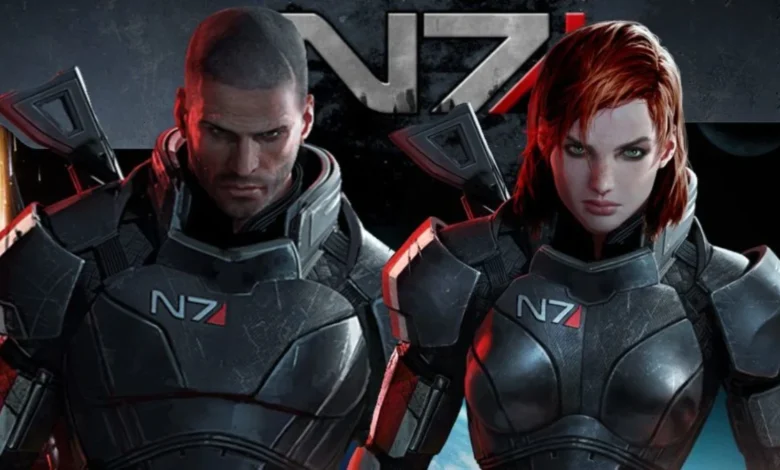
The recent closure of legendary video game developer BioWare has sent shockwaves through the interactive entertainment industry, prompting emotional public responses from the iconic voices behind its most celebrated franchise. Jennifer Hale and Mark Meer, the celebrated voice actors who brought Commander Shepard to life across the critically acclaimed Mass Effect trilogy, addressed fans and industry stakeholders during an October 21 Instagram Live broadcast. Their reflections shed light on the human cost of corporate consolidation, the deep cultural roots BioWare planted in its Canadian hometown, and the uncertain future facing beloved intellectual properties in an era dominated by private equity acquisitions.
The broadcast arrived in the wake of mounting turmoil surrounding BioWare’s parent company, Electronic Arts (EA), and broader market shifts characterized by aggressive corporate restructuring. As veteran pillars of the gaming community, Hale and Meer offered contrasting yet complementary perspectives on the studio’s legacy—Hale focusing on the macroeconomic forces dismantling traditional development houses, and Meer emphasizing the profound local and communal loss experienced in Edmonton, Alberta.
A Legacy Forged on the Canadian Prairies
To understand the magnitude of BioWare’s closure, industry observers must look back at the studio’s foundational role in shaping modern role-playing games (RPGs). Founded in Edmonton in 1991 by medical graduates Dr. Ray Muzyka and Dr. Greg Zeschuk, BioWare evolved from a modest software developer into a global powerhouse. Titles such as Baldur’s Gate, Star Wars: Knights of the Old Republic, Dragon Age, and Mass Effect redefined narrative pacing, character-driven storytelling, and player choice in digital entertainment.
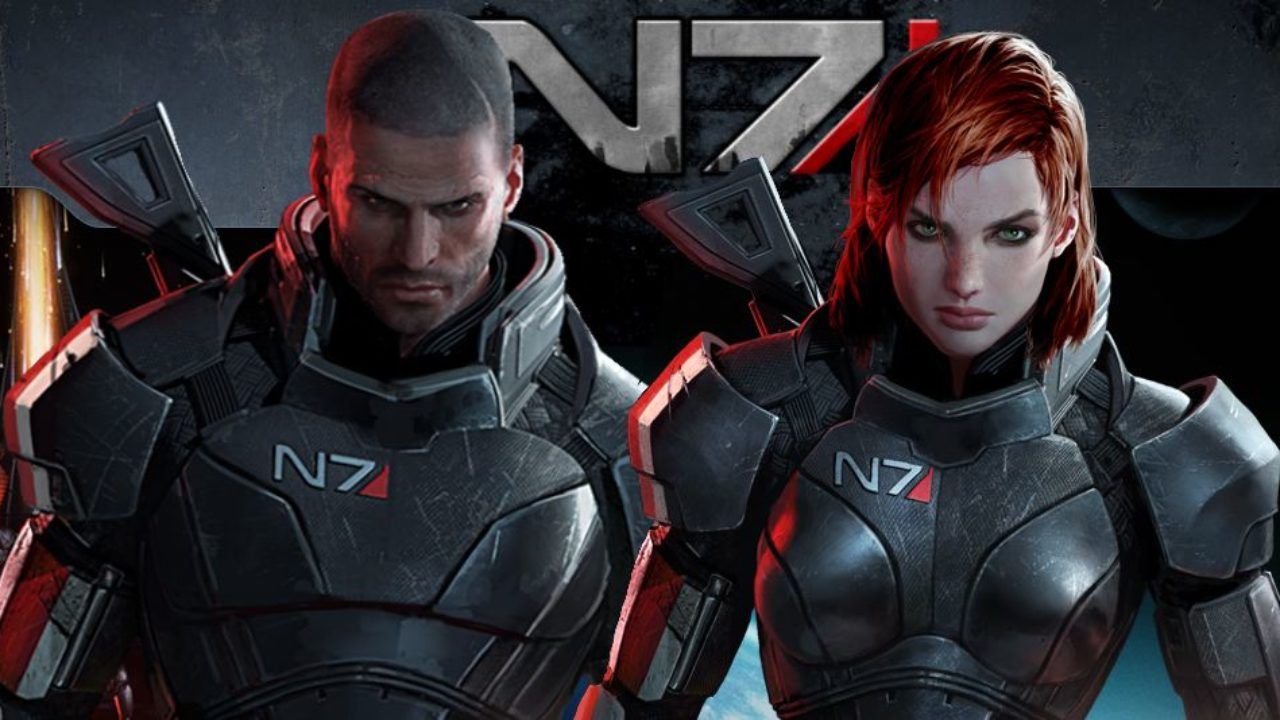
For Meer, who anchored the Mass Effect series as the default male Commander Shepard, the studio’s collapse resonates far beyond corporate balance sheets. Rooted deeply in Edmonton’s local theater and improv community, Meer highlighted how BioWare served as an economic and cultural anchor for Western Canada.
"It is very sad news… It is a massive loss for Edmonton, for Canada, and for the video game industry in general," Meer stated during the broadcast, noting the emotional toll the news has taken on local artists, developers, and loyal fans. Despite the studio’s physical closure, Meer assured the community that the spirit of Mass Effect endures through its fanbase. He confirmed that community-driven celebrations, including the annual N7 Day festivities and plans for the upcoming 20th-anniversary milestone of the original Mass Effect release in 2006, will proceed independently of corporate backing.
Macroeconomic Pressures and the Private Equity Landscape
While Meer mourned the localized cultural impact, Jennifer Hale—widely recognized as one of the most prolific and influential voice actors in video game history—focused her critique on the structural vulnerabilities of contemporary game development. Hale pointed directly to the shifting ownership paradigms that have defined the industry in recent years, highlighting how acquisitions by private equity firms and sovereign wealth entities often prioritize short-term profit margins over creative stewardship.
"I feel weirdly hopeful, and I can’t explain why. I feel for the employees who are suddenly unemployed. That is the number one thing on my mind. Those beautiful team members who are looking for a new home," Hale expressed.

Reflecting on the broader trend of industry consolidation, where mega-corporations absorb smaller entities only to face internal implosion, Hale criticized the lack of creative alignment between high-level financiers and the artistic communities producing the games. She mused on the possibility that corporate entities, driven exclusively by financial metrics, might eventually divest themselves of classic intellectual properties to maximize short-term capital recovery, potentially allowing new owners or independent coalitions to rescue dormant franchises.
However, industry analysts note that the path from corporate divestment to independent revival is fraught with logistical and financial hurdles. Crowdfunding models, while historically successful for mid-tier independent titles like Pillars of Eternity or Wasteland 2, require substantial auxiliary investments to match the production budgets required for AAA-tier sci-fi epics. Furthermore, historical precedent suggests that large publishers often sit indefinitely on foundational intellectual properties without utilizing them—a fate exemplified by EA’s decades-long dormancy of the Ultima series, which fundamentally shaped both Western and Japanese RPG design before fading from the public consciousness under poor stewardship.
Industry-Wide Implications and the Search for Sustainable Models
The shuttering of BioWare is part of a broader, alarming trend across the interactive entertainment sector. Over the past several years, macroeconomic pressures, rising development costs, over-expansion, and aggressive private equity maneuvers have led to massive layoffs, studio closures, and the cancellation of numerous projects across major publishers. Industry data indicates that tens of thousands of video game developers have lost their jobs globally since 2023, raising serious questions about the long-term sustainability of the current corporate studio model.
Analysts observing the crisis have pointed out the inherent fragility of tying historic, culturally significant creative studios to publicly traded conglomerates or private equity firms focused strictly on quarterly returns. When corporate parents experience financial contraction, the specialized, long-term development cycles required to build intricate narrative RPGs are often the first to be sacrificed.

Calls for systemic reform have surfaced among political and cultural figures. Notably, recent discussions in Canada have involved regional politicians advocating for governmental intervention or cooperative buyout structures to help displaced BioWare employees retain local infrastructure and intellectual property rights. Yet, industry experts view such interventions as extraordinary exceptions rather than viable industry-wide solutions.
The Path Forward for Fans and Creators
As the dust settles on BioWare’s operational chapter, the immediate focus remains on the displaced workforce—hundreds of engineers, writers, artists, and designers who now find themselves navigating a volatile job market. For these professionals, the dispersion of talent may ultimately plant the seeds for new independent studios, a phenomenon historically observed following major corporate contractions in the tech and entertainment sectors.
Meanwhile, the cultural legacy built by Hale, Meer, and the thousands of developers who passed through BioWare’s doors remains secure in the hearts of the global gaming community. As Hale aptly noted, while corporate iterations of development studios may rise and fall, the profound emotional connections forged between players and virtual worlds cannot be easily undone by private equity restructuring.
Whether future leadership or benevolent capital intervention will ever restore franchises like Mass Effect and Dragon Age to their former glory remains an open question. For now, the global fanbase, alongside legendary voice talents like Hale and Meer, stands ready to preserve and celebrate a defining era of interactive storytelling—proving that the cultural impact of pioneering game development outlives the corporations that housed them.