Bose QuietComfort Headphones (2nd Gen) Review: Premium Audio Meets Familiar Flaws

The landscape of over-ear wireless audio continues to evolve rapidly, yet few brands command the legacy recognition of Bose Corporation. Following a three-year gap since the debut of the standard post-QC 35 II line in 2023—and trailing the high-end Ultra series by a year—Bose has officially released the Bose QuietComfort Headphones (2nd Gen). Priced at $359 / £299 / AU$549.99, these headphones occupy a fiercely contested middle ground in the premium audio market. They aim to deliver flagship-tier sound quality and active noise cancellation (ANC) without demanding the ultra-premium price tag of the QuietComfort Ultra Gen 2. However, rigorous, multi-week testing across various travel environments reveals a product characterized by breathtaking acoustic performance offset by surprising build quality compromises and feature limitations.
Background Context and Evolution of the QuietComfort Line
For decades, Bose has been synonymous with active noise cancellation, pioneering the technology for commercial aviation before dominating the consumer audio market. While the company frequently directs its most cutting-edge engineering toward its "Ultra-suffix" flagships, the standard QuietComfort tier remains the volume driver for everyday commuters, office workers, and casual listeners.
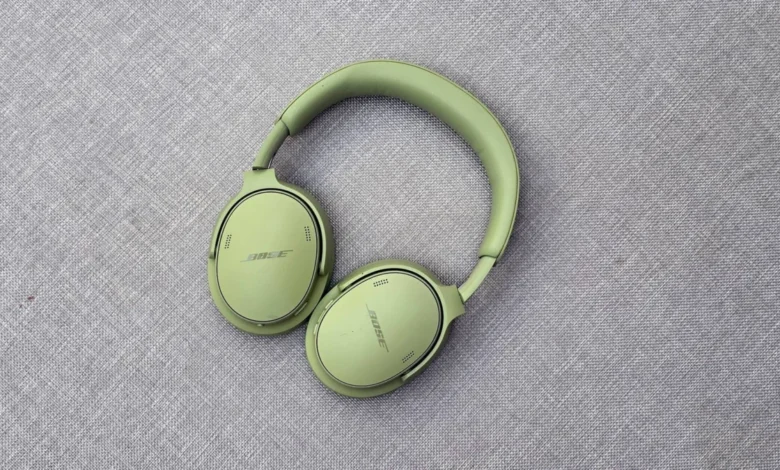
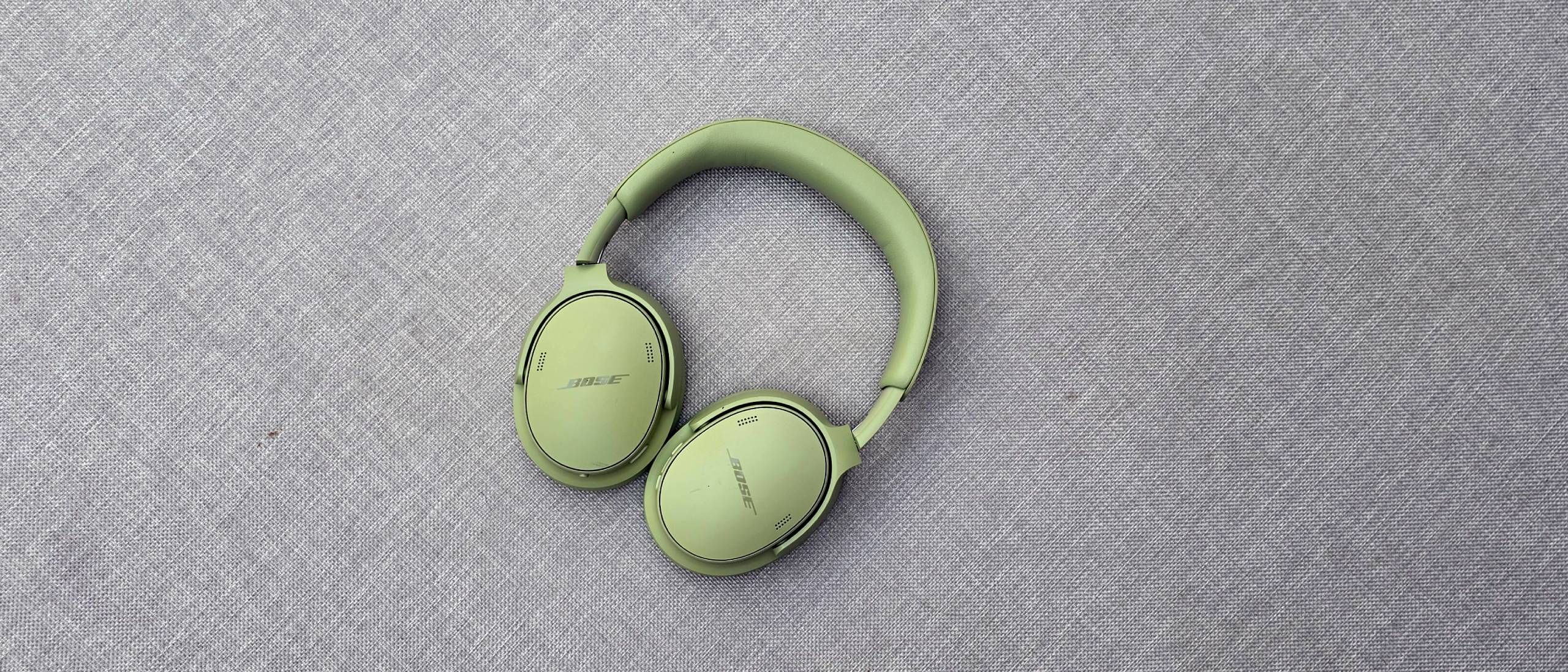
The launch of the second-generation model on August 6, 2026, represents an incremental update rather than a total reinvention. Positioned significantly below the $449 / £449 / AU$699 starting price of the Ultra Gen 2, the standard Gen 2 variant targets cost-conscious audiophiles who prioritize core acoustic delivery over advanced spatial tracking bells and whistles. Available in five distinct color options—black, white, mauve, mint, and green—the package includes a protective carrying case, a USB-C to USB-C cable, and a USB-C to 3.5mm analog wire to facilitate wired listening sessions.
Design and Build Quality: Comfort Versus Structural Concerns
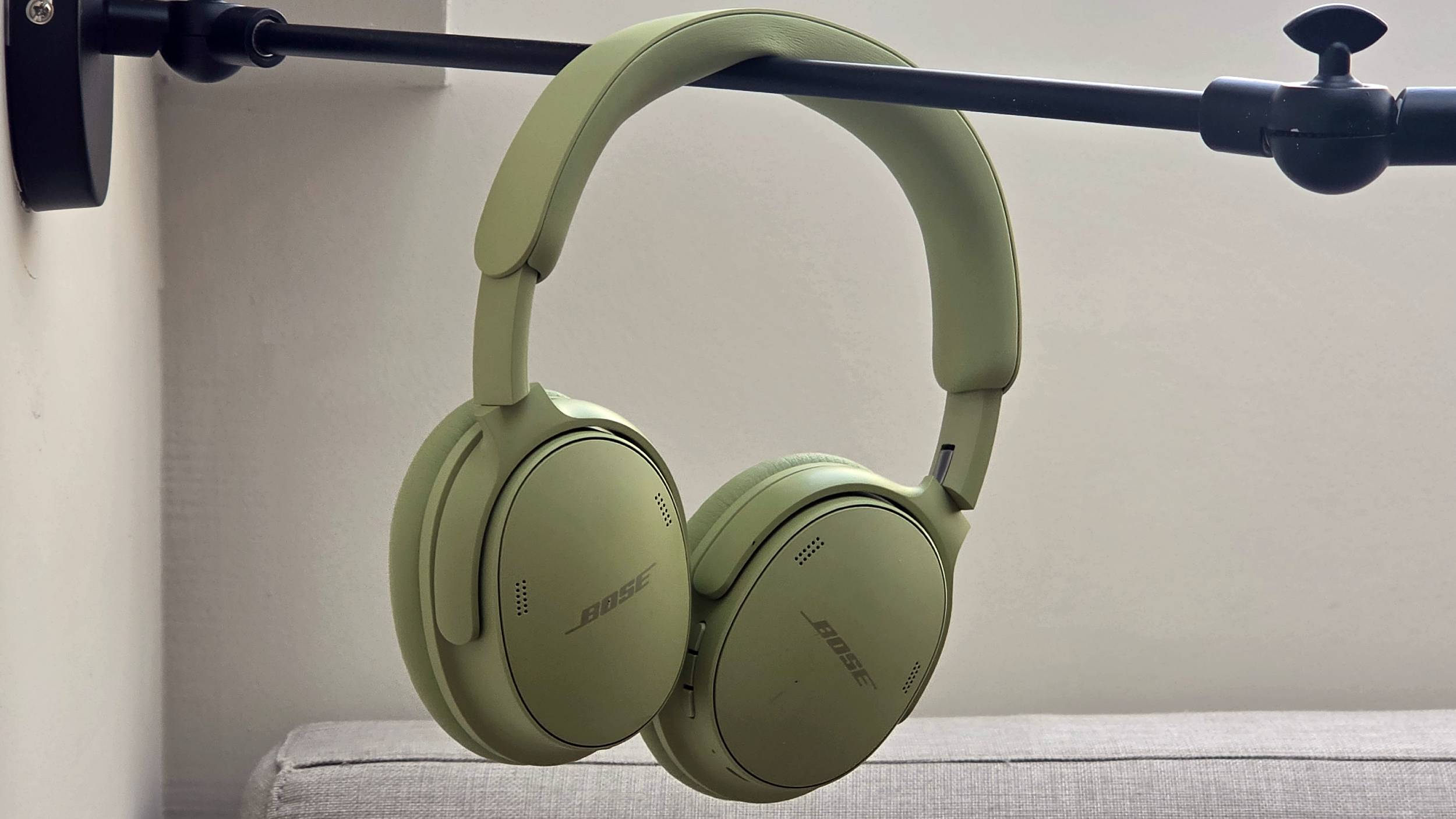
At first glance, the Bose QuietComfort Headphones (2nd Gen) closely resemble their predecessors while introducing subtle aesthetic refinements. The mechanical hinges and retractable headband arms are now more seamlessly integrated, and the padding along the headband displays a cleaner transition into the chassis, successfully eliminating the somewhat crude, prototype-like appearance of older iterations.
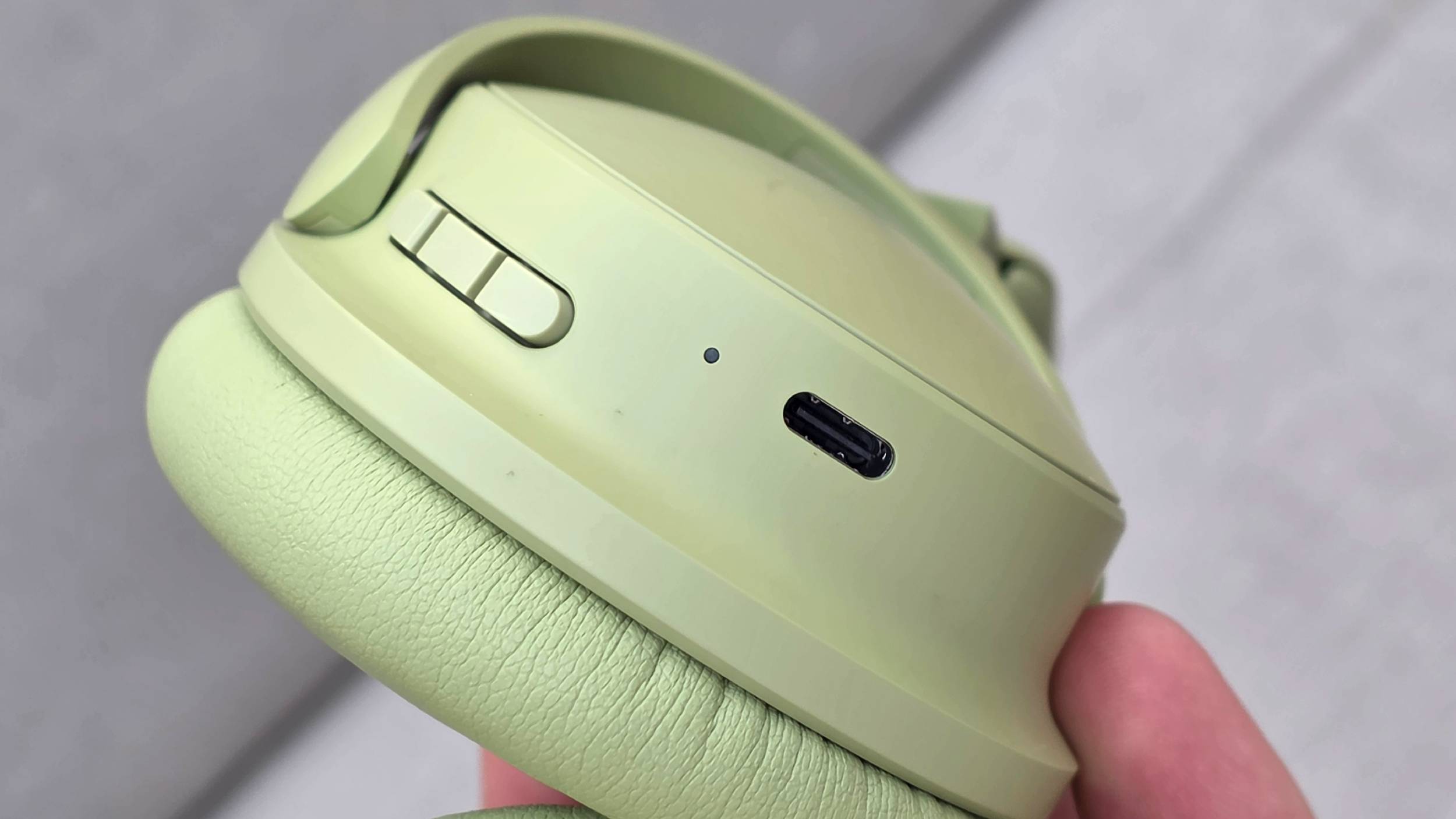
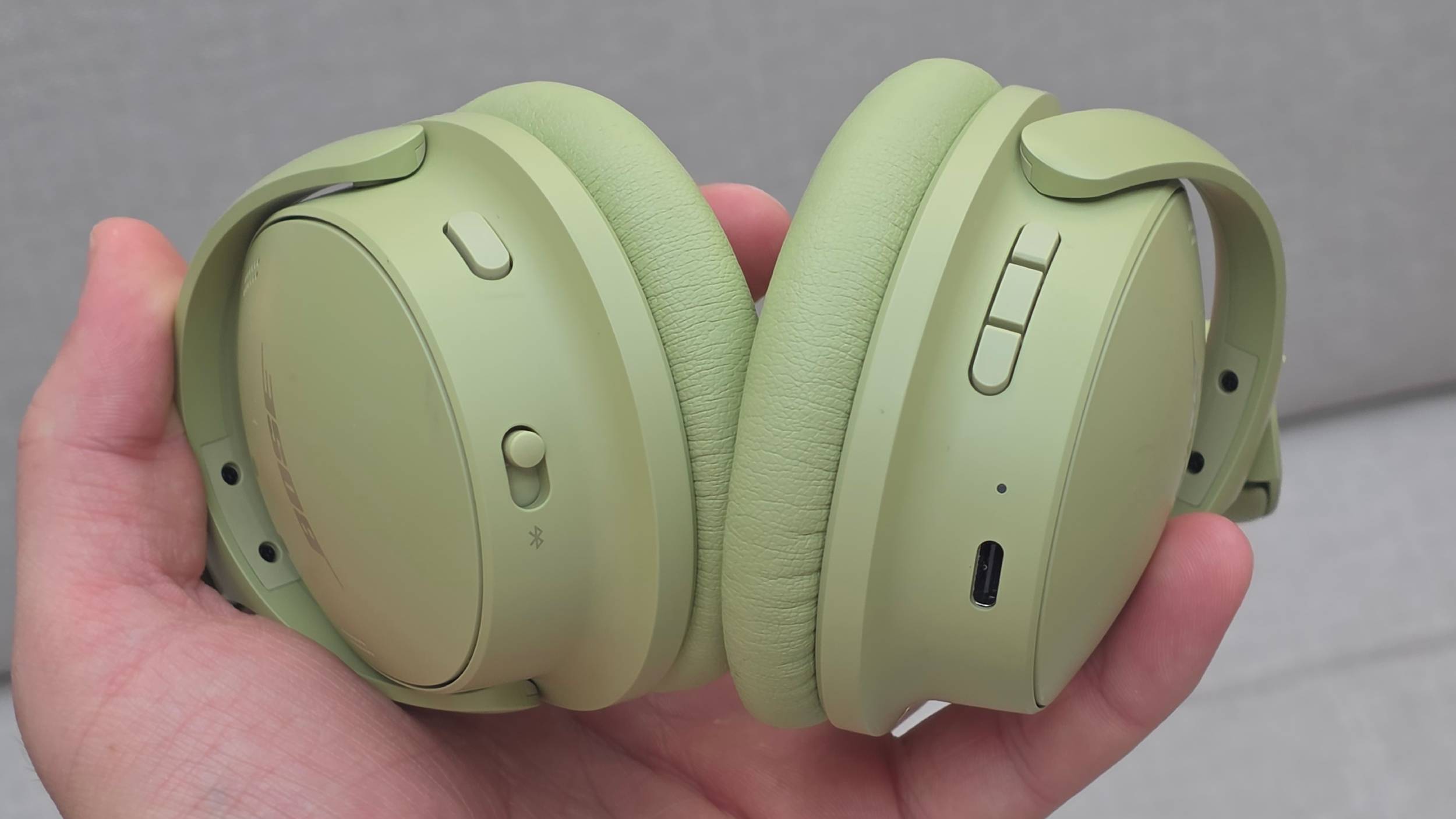
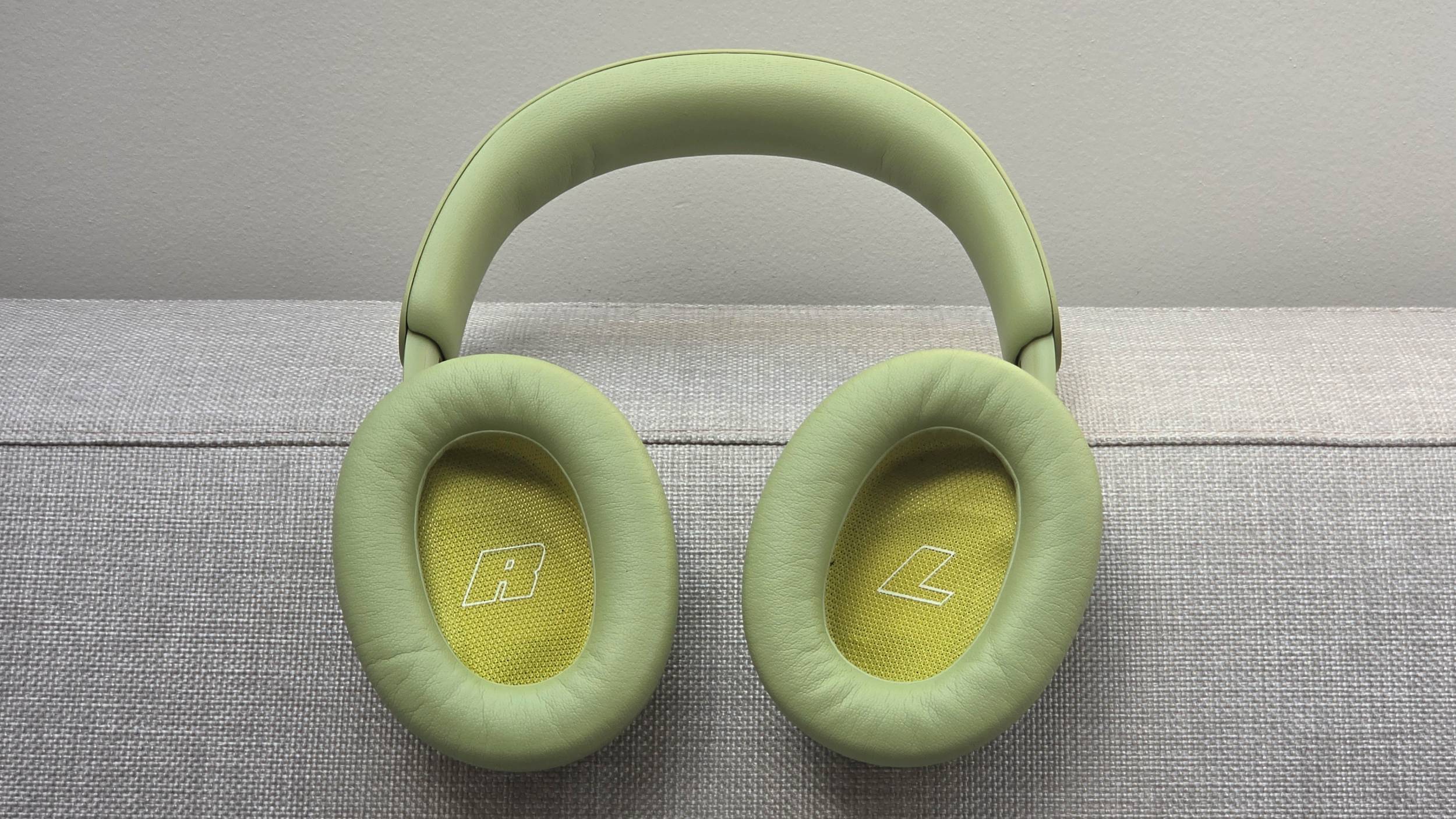
Weighing in at 241 grams, the headphones feel exceptionally light during extended listening sessions. Bose continues to excel in ergonomics, utilizing soft protein leather for the ear cushions and headband padding. Users can wear the device for hours on end without experiencing cranial fatigue, ear pinching, or localized discomfort. Physical controls are similarly well-executed: the right ear cup houses distinct volume and playback buttons with tactile ridges, while the right edge features a dedicated shortcut button and a physical power slider. This physical switch allows users to instantly turn the headphones on or off without holding down a multi-function button, a welcome design choice in an industry increasingly dominated by touch-capacitive controls.
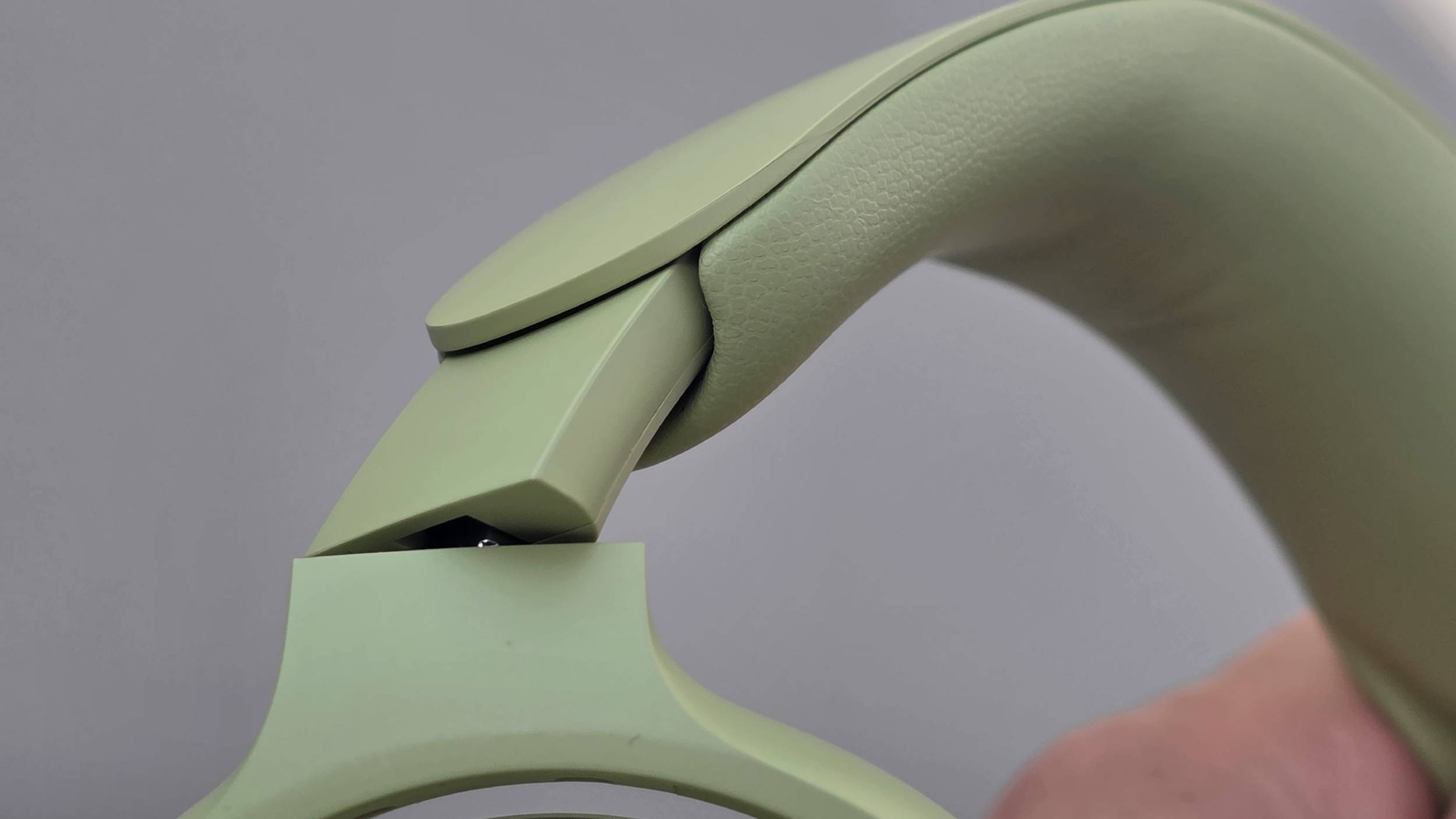
Despite these ergonomic victories, the structural integrity of the Gen 2 model raises eyebrows, particularly given its $350-plus price point. Handling the device reveals unexpected rattles within the ear cups, visible seams between components, and a concerning degree of flex in the headband. When held strictly by the band, unsupported sections of the chassis exhibit a loose, floppy tendency. While these structural quirks did not result in functional failures during intensive multi-week testing—comprising multiple commercial flights, train commutes, and urban walks—they place the build quality noticeably behind half-priced competitors in the current market.
Audio Performance: V-Shaped Brilliance and Sonic Fidelity
While the physical build invites criticism, the acoustic performance of the Bose QuietComfort Headphones (2nd Gen) is nothing short of exceptional. Although Bose has not officially detailed the specific technical specifications of the internal drivers—the previous generation utilized a 40mm transducer—the resulting sound profile requires little justification.
Out of the box, the headphones deliver a vibrant, engaging V-shaped sound signature. Treble frequencies are crisp, sharp, and rich in detail, allowing listeners to discern subtle string tremolos and high-register tones frequently glossed over by rival hardware. Meanwhile, the bass is robust, energetic, and tightly controlled, ensuring low-end frequencies provide substantial punch without muddying the broader mix.
For instance, tracks such as Fitz and the Tantrum’s Man on the Moon highlight the hardware’s capability to drive powerful vocals and dynamic basslines with absolute clarity. Similarly, energetic pop productions benefit immensely from the expansive soundstage. As is typical with V-shaped tuning, midrange frequencies occasionally take a backseat; harmonic guitar accompaniments, piano lines, and lower-tenor backing vocals can feel slightly recessed compared to the sparkling highs and driving lows.
The accompanying Bose Music app provides an equalizer for user adjustments, but its utility is severely restricted. The custom EQ offers only a 3-band control scheme alongside four basic presets, providing far less granular customization than what is routinely found in competing products costing a fraction of the price.
Features, Battery Life, and Active Noise Cancellation
Beyond core acoustic performance, the feature set of the QuietComfort Gen 2 presents a mixed value proposition. Battery life is rated at a modest 24 hours with active noise cancellation enabled. In 2026, this metric falls well behind industry benchmarks, with numerous over-ear competitors offering double or even triple that endurance on a single charge. Recharging the internal battery via the USB-C port requires approximately three hours. Notably, the USB-C port now supports direct digital audio transmission, offering a high-fidelity wired connection that partially compensates for the absence of a dedicated analog 3.5mm headphone jack on the device body itself.
Active Noise Cancellation (ANC), historically Bose’s crown jewel, is competent yet imperfect. Promoted to match the noise-attenuation capabilities of the Ultra Gen 2, testing across commercial aircraft cabins and noisy rail networks revealed that while the headphones effectively suppress broad background drone, they lack absolute isolation. Low-frequency engine hums occasionally bleed through into the audio mix, signaling that competing manufacturers have successfully narrowed—and in some cases surpassed—Bose’s historical lead in noise suppression.
The proprietary Immersive Audio feature fares significantly better. Unlike spatial audio modes from rival brands that often feel gimmicky, Bose’s implementation creates a natural, expansive soundstage. Users can select between "Still" and "Motion" modes; the "Still" setting particularly shines, dynamically shifting the acoustic center as the listener moves their head, thereby enhancing movie-watching and music-streaming experiences without causing sensory fatigue.
Market Implications and Competitive Landscape
When evaluating the Bose QuietComfort Headphones (2nd Gen) through the lens of market value, prospective buyers must weigh acoustic excellence against feature omissions. At $359 / £299 / AU$549.99, the device demands a high financial commitment that sits awkwardly between mid-range alternatives and ultra-premium flagships.
Direct competitors offer stark contrasts. The Anker Soundcore Space 2, for instance, retails at roughly half the price while matching Bose’s comfort levels and ANC efficacy, though it falls short in raw audio fidelity. Conversely, the Sony WH-1000XM6 commands a slightly higher price point while delivering superior battery longevity, deeper app customization, and industry-leading feature integration.
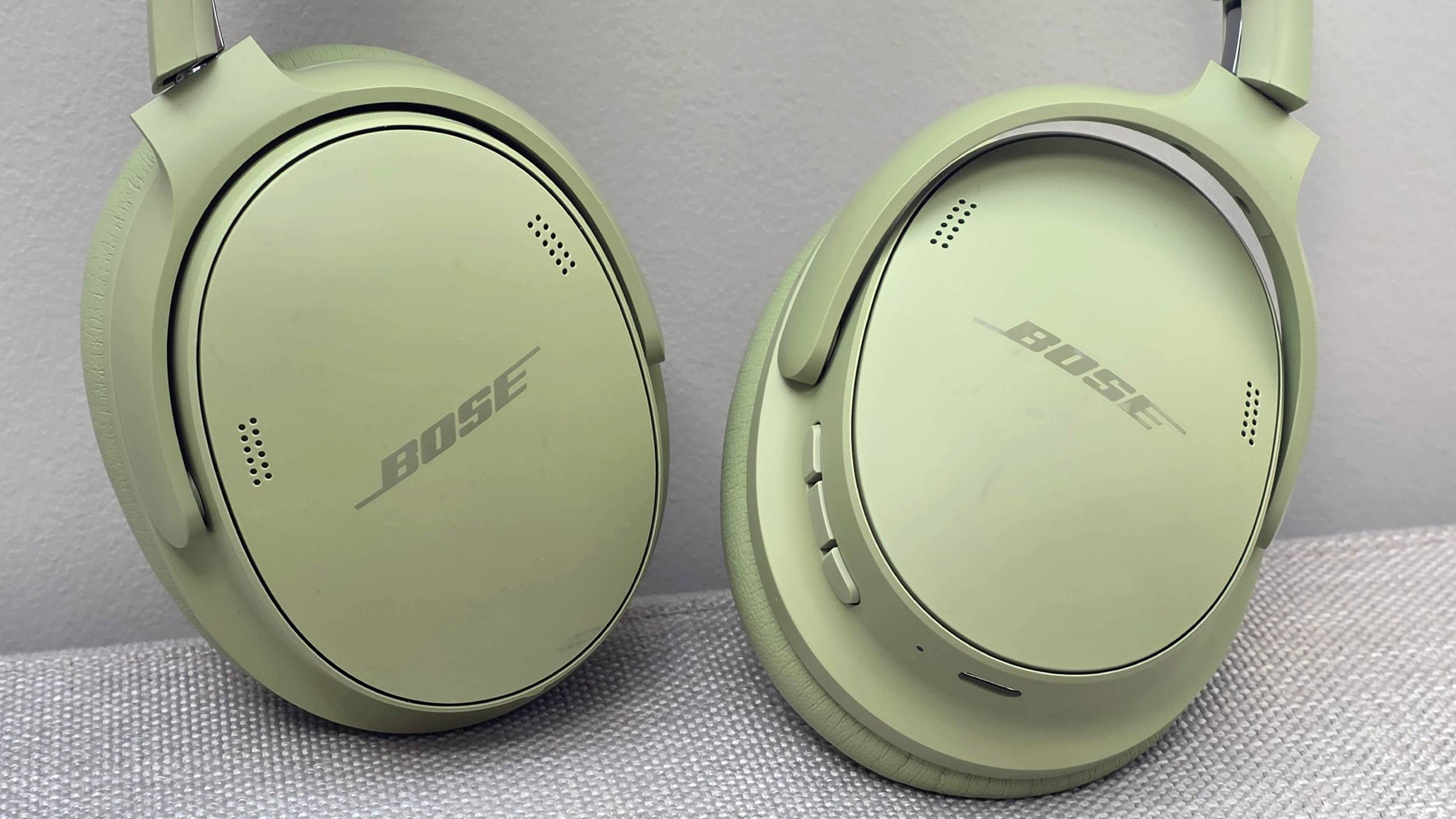
Ultimately, the Bose QuietComfort Headphones (2nd Gen) secure a four-star rating strictly on the merits of their superior sound reproduction and supreme physical comfort. For consumers who prioritize plug-and-play musical enjoyment and long-term wearability over robust battery life and extensive app controls, these headphones represent a compelling purchase—particularly if acquired during promotional retail discounts. However, at full MSRP, they serve as a reminder that even industry titans must modernize their build standards and feature sets to justify top-tier pricing.