Apple TV 4K 4th Generation Launch Highlights New Quad-HomePod Surround Sound Capabilities and Evolving Home Cinema Integration

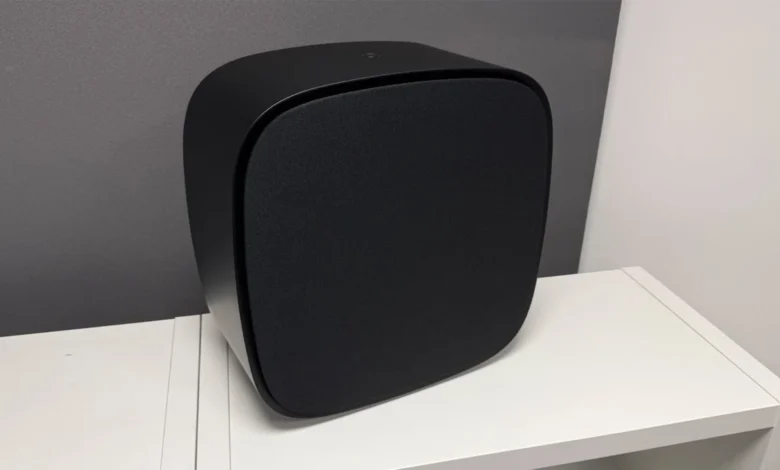
The technology landscape for home entertainment witnessed a significant shift with the recent announcement of the Apple TV 4K 4th Generation. While the latest iteration of Apple’s flagship streaming device arrives with updated internal hardware and refined processing capabilities, its most notable technical evolution lies in its expanded audio ecosystem. Specifically, the device introduces the ability to synchronize four HomePods to create a wireless Dolby Atmos surround sound environment, signaling a strategic move by Apple to further integrate its hardware ecosystem into the high-end home theater market.
A Chronology of the Apple TV Evolution
The trajectory of the Apple TV 4K series has been defined by incremental but impactful upgrades. Since the introduction of the original Apple TV 4K in 2017, the platform has steadily moved from being a simple content aggregator to a central hub for high-fidelity audio and video.
In 2021, Apple solidified its focus on the "Apple ecosystem" approach, emphasizing tight integration between the TV streaming box and the HomePod speaker line. The 2022 release brought the A15 Bionic chip, which significantly improved performance and paved the way for more sophisticated spatial audio processing. Now, the 4th Generation model aims to bridge the gap between casual streaming and a dedicated home cinema experience, directly challenging modular sound systems from established audio giants like Sony and Sonos.
Technical Specifications and Multi-Speaker Configuration
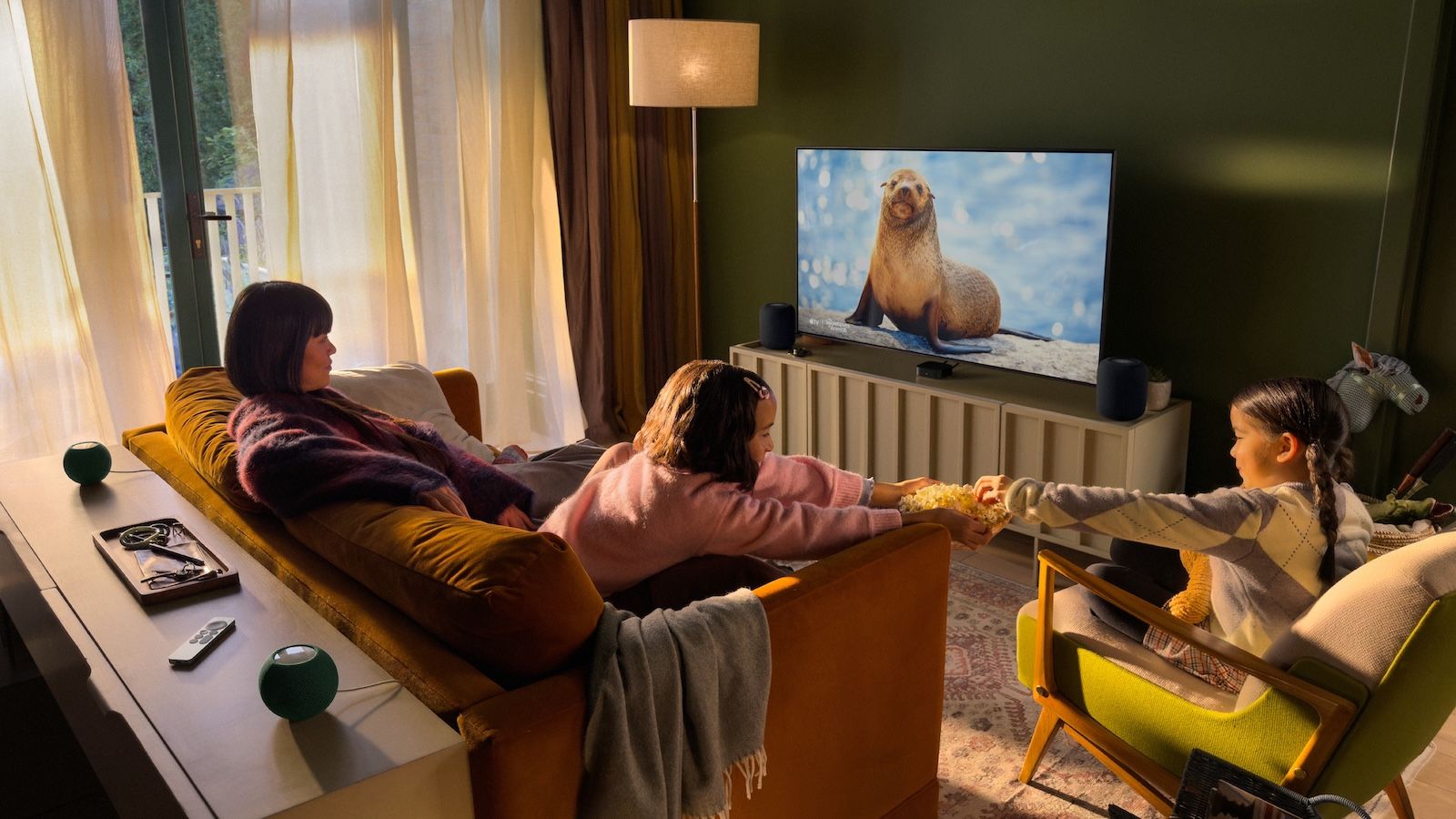
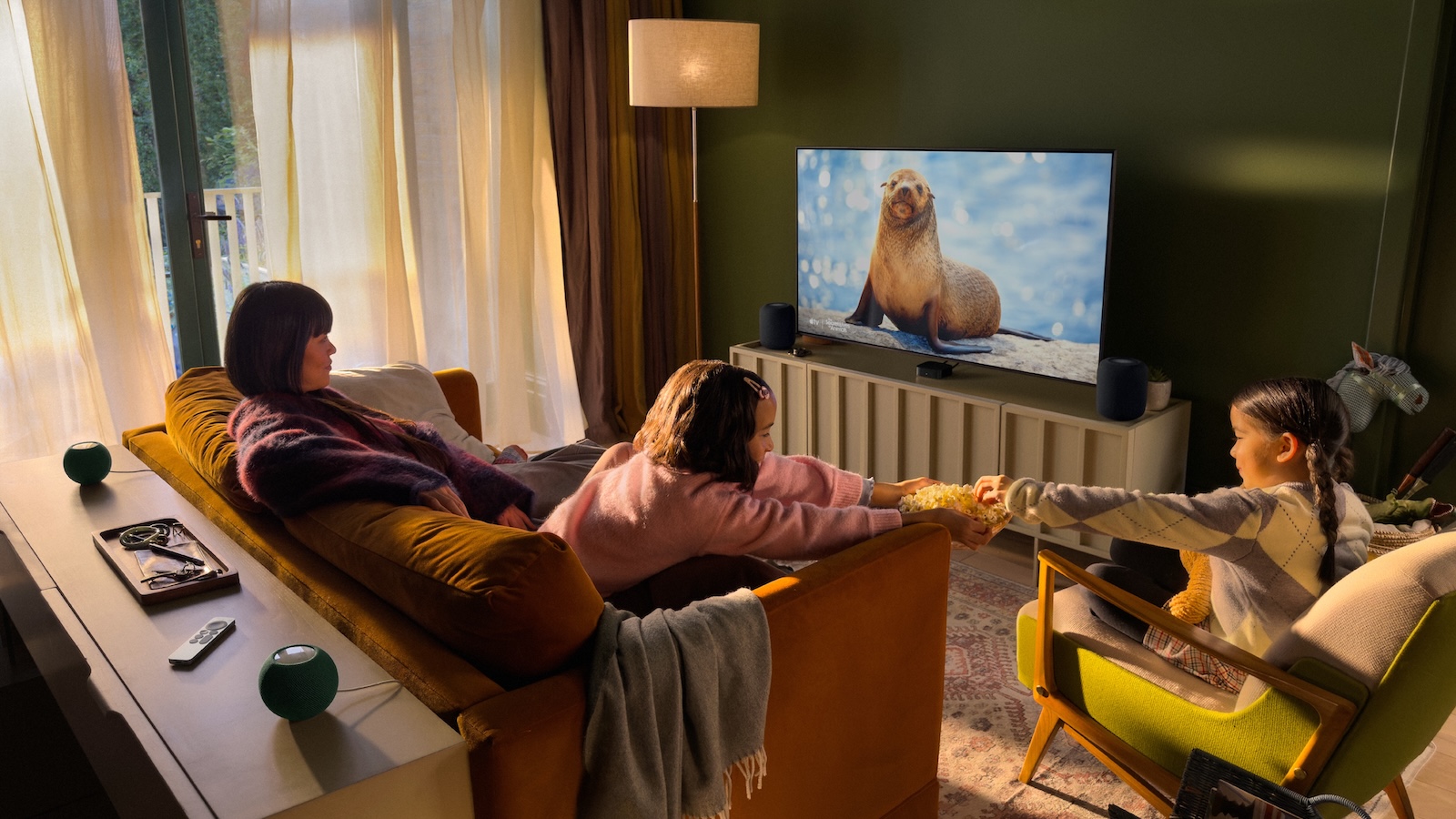
The core feature of the new Apple TV 4K is its sophisticated audio-routing capability. The system allows users to configure a multi-speaker array that supports Dolby Atmos, the industry standard for immersive, object-based sound. The configuration is flexible, enabling users to "mix and match" speakers to a degree, provided the front and rear pairs maintain consistency.
The supported configurations include:
- Four full-sized HomePod 2 units for maximum output and frequency response.
- Four HomePod Mini units for a compact, lower-footprint spatial audio experience.
- A hybrid setup utilizing two HomePod 2 units as the primary front channels, complemented by two HomePod Mini units positioned as rear surrounds.
This modularity is designed to cater to varying room sizes and consumer budgets. By leveraging the internal sensors of the HomePod line—which perform automatic acoustic room correction—the system calibrates the soundstage dynamically. This eliminates the traditional need for manual equalization and complex wiring, which has historically been a barrier for entry-level home theater enthusiasts.
The Missing Piece: The Subwoofer Dilemma
Despite the advancements in spatial audio, industry analysts and audiophiles have pointed to a glaring omission: the lack of a dedicated wireless subwoofer. While the HomePod 2 possesses a high-excursion woofer capable of impressive low-end frequencies for its size, it cannot replicate the physical displacement or the sub-bass impact of a dedicated subwoofer unit.
In professional home cinema setups, the "LFE" (Low-Frequency Effects) channel is essential for the visceral experience of film, particularly in the action and sci-fi genres. The current HomePod-based system attempts to fold these frequencies into the speakers themselves, which, while clean, lacks the depth of a dedicated unit like the Sonos Sub 4 or the LG Sound Suite’s modular bass component.
The absence of a proprietary Apple subwoofer raises questions regarding the company’s product roadmap. Some industry experts suggest that Apple’s reliance on its existing hardware lineup is a deliberate choice to maintain aesthetic minimalism and setup simplicity. Others argue that if Apple intends to capture the serious home cinema demographic, it must eventually address the requirement for an dedicated, externalized low-frequency solution.
Market Context and Competitive Positioning
The home cinema market is currently dominated by two distinct philosophies: the traditional wired AV receiver setup and the newer, modular wireless trend. Apple’s approach aligns with the latter, competing directly with systems such as the Sony Bravia Theatre Quad and various offerings from the Sonos ecosystem.
Apple’s primary advantage is the "walled garden" effect. The seamless pairing of the Apple TV 4K with HomePods creates a user experience that is arguably more intuitive than competing wireless sound systems, which often require dedicated third-party apps, complex firmware updates, and disparate hardware protocols.
However, this convenience comes at a premium. A quad-speaker setup requires a significant financial investment, often surpassing the cost of high-quality, dedicated soundbars that include a dedicated subwoofer. This pricing strategy places the Apple TV 4K and its speaker array in a luxury tier, where consumers expect a comprehensive, top-tier audio performance.
Future Implications and Potential Partnerships
The recent trend of collaboration within the tech industry suggests that Apple may be willing to explore unconventional paths to improve its ecosystem. The recent partnership between Apple and LG regarding smart home interoperability has led some to speculate on the potential for cross-brand hardware compatibility.
While it remains an "un-Apple" move to allow third-party audio devices to integrate directly into its proprietary soundstage, the integration of an external, third-party subwoofer could be the key to unlocking the full potential of the current system. If Apple were to open its software environment to allow certified subwoofers from companies like Sonos or LG to act as a "Sub" channel within the Apple Home architecture, it would instantly make the Apple TV 4K a dominant force in the living room.
Conversely, if Apple chooses to remain strictly proprietary, the company faces the challenge of developing a standalone, high-performance subwoofer. Given the six-year gap between the original HomePod and the HomePod Mini, the development cycle for new hardware under Apple’s current leadership remains cautious.
Analysis of Consumer Impact
For the average consumer, the 4th Generation Apple TV 4K represents a refined, albeit expensive, upgrade. The benefits are clear for those already invested in the Apple ecosystem: the system provides a high-quality, cable-free audio solution that fits into a modern home without the clutter of traditional wiring.
However, for the home cinema purist, the system remains a "near-miss." The soundstage provided by four HomePods is undeniably capable and benefits from Apple’s advanced computational audio, yet it stops short of providing the full-range frequency response required for a true cinematic experience.
As we look toward the future, the success of this quad-speaker experiment will likely dictate Apple’s future investments in audio hardware. Should the configuration see high adoption rates among users, it could serve as the catalyst for the development of a dedicated Apple-branded subwoofer or the establishment of a wider, third-party certification program for home theater peripherals.
Conclusion
The Apple TV 4K 4th Generation is more than just a streaming device; it is a statement of intent. By enabling a four-speaker surround sound configuration, Apple is attempting to redefine the living room experience as one of simplicity and integration. While the system currently lacks the deep-bass punch that a dedicated subwoofer would provide, the performance of the speakers themselves is a testament to the effectiveness of Apple’s computational audio.
For now, the device occupies a unique space in the market, appealing to those who value the ease of use and design consistency that only Apple can provide. Whether it will expand into a fully realized, cinema-grade audio system or remain a premium lifestyle solution will depend on how the market responds to the current configuration and whether Apple chooses to address the persistent demand for a dedicated low-frequency channel. The technology is present, the ecosystem is primed, and the home theater market is watching closely to see if Apple’s next move will be to complete the package.
Related posts: