World of Warcraft: Forever players in Australia and New Zealand are struggling to get sunlight, and not for the usual MMO reasons

The Mechanics of the Disconnect
The core of the issue lies in the architectural design of the game’s mega-server infrastructure. World of Warcraft: Forever utilizes a synchronized day/night cycle that dictates lighting conditions based on the server’s local time, rather than the player’s individual local time. While this creates a sense of shared community—where the entire server experiences a sunset simultaneously—it assumes a level of geographical homogeneity that does not exist in a globalized gaming market.
Oceania players connect to local data centers to ensure low latency and a smooth, responsive gameplay experience. Despite this technical local connection, these data centers are tethered to the North American (NA) mega-server clock. Because the North American time zones are drastically offset from those in the Southern Hemisphere, the alignment is essentially inverted. For a player in Sydney or Auckland, the game’s "prime time" daylight hours occur while the player is either at work, school, or asleep. Conversely, when the average Oceania player logs in for their evening recreation, the in-game world is locked into the late-night or early-morning hours of the North American time zone.
A Chronology of the Community Protest
The frustration began almost immediately following the game’s launch. Within 48 hours of the servers going live, community forums and social media platforms, particularly Reddit, saw an influx of complaints from the Oceania region. The sentiment quickly moved from confused inquiry to organized advocacy.
On the second day of the game’s availability, Reddit user Playful_Artichoke981 initiated a daily posting campaign, vowing to highlight the issue until Blizzard Entertainment acknowledged the discrepancy or offered a technical solution. This campaign acted as a lightning rod for the community, drawing in thousands of upvotes and hundreds of testimonials from players who felt their visual experience of the game was being compromised.
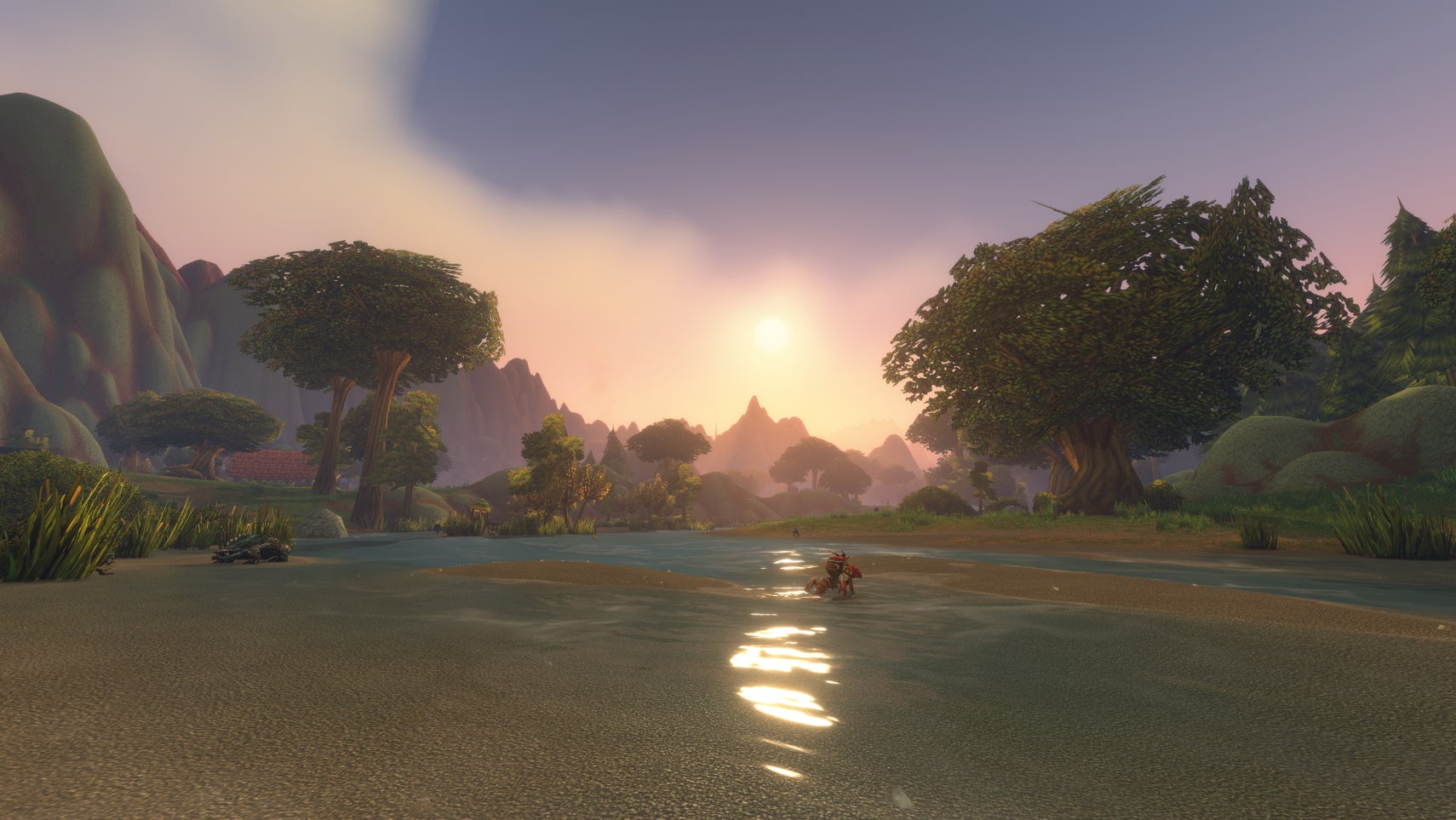
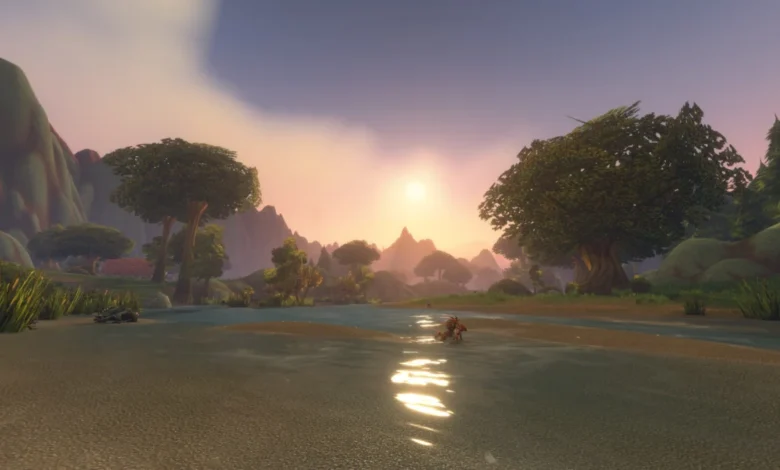
Throughout the first week, the discourse expanded beyond simple frustration. Players began cataloging the specific "loss" of content—the inability to enjoy the aesthetic beauty of the game’s landscapes, such as the Shadowfan Keep or the lush, river-laden valleys that require daylight to be fully appreciated. By the end of the first week, the campaign had shifted from a request for a "fix" to a request for a localized or rotating cycle, arguing that the current system effectively gates off the visual artistry of the game for a significant portion of the global player base.
Supporting Data and Demographic Impact
The player base for World of Warcraft: Forever is global, yet the concentration of Oceania players remains a significant enough segment that their concerns are statistically relevant to the game’s health. While Blizzard has not released the specific split of their concurrent user base, industry estimates suggest that Oceania players represent a consistent, high-engagement demographic.
Data from the launch week indicates that the "peak" concurrent player count for the game hit historic highs, yet the engagement metrics for the Oceania region showed a distinct "trough" during the hours that would typically be prime time for the region. Many users have noted that they are choosing to log out during the late evening hours simply because the lack of sunlight makes it difficult to navigate terrain or enjoy the visual fidelity of the game’s assets.
The implication here is twofold: user retention and brand sentiment. While a day/night cycle may seem like a cosmetic issue, in an immersive MMORPG, visual environment is a primary driver of player investment. When a large contingent of players is forced to play in a perpetual state of in-game twilight or darkness, the overall quality of their product experience is objectively lower than that of their North American or European counterparts.
Technical and Philosophical Hurdles
From a technical perspective, Blizzard faces a dilemma regarding server architecture. The "mega-server" model is designed to facilitate large-scale social interaction, cross-realm grouping, and a unified economy. Decoupling the day/night cycle from the server clock would require a significant overhaul of how the game handles environmental states. If a player in an Oceania time zone were to see "daytime" while their party member from North America saw "nighttime," it could cause desynchronization issues in lighting-based quest triggers or environmental interactions.

However, industry experts suggest that modern game engines are increasingly capable of handling local, client-side environmental rendering. The challenge for Blizzard is not necessarily technical feasibility, but rather the philosophy of a "shared world." The company has historically prioritized a unified experience, where all players see the same world at the same time. Breaking this unity could be perceived as a deviation from the core "World of Warcraft" experience, which is built on the premise of a singular, evolving reality.
Official Responses and Future Implications
As of the latest update, Blizzard Entertainment has remained silent regarding the specific request for a localized day/night cycle. Inquiries sent by industry outlets, including Eurogamer, have yet to yield a formal statement. This silence is not unusual for the developer during the immediate "post-launch" window, where the primary focus is typically on server stability, bug fixes, and balancing the economy.
However, the pressure is mounting. The longevity of a title like World of Warcraft: Forever depends heavily on its ability to satisfy the demands of a diverse, global audience. If the developer ignores the Oceania request, it risks alienating a loyal fan base that has supported the franchise for decades. If they do decide to act, they may look toward a "regional-local" synchronization, where the in-game clock is offset by a fixed number of hours for Oceania servers, or they may implement an optional "client-side" lighting toggle that allows players to choose their own cycle.
The Broader Impact on the MMO Genre
The situation serves as a case study for the modern MMO launch. As games move away from fragmented regional servers toward globalized, high-capacity mega-servers, the "one-size-fits-all" approach to environmental design is increasingly showing its age. Developers in the future will likely need to account for the physical reality of their players more proactively.
For now, the players in Oceania continue to log in, often finding themselves in the dark. Their campaign, led by individuals like Playful_Artichoke981, serves as a reminder that even in a digital world, the passage of time and the presence of light remain essential human needs—even for virtual adventurers. Whether Blizzard will choose to bend the sun to the will of its players or maintain the rigidity of its current server clock remains the primary point of contention as the game enters its first month of operation. The resolution of this issue will likely set a precedent for how the studio handles regional concerns in its future projects, marking a pivotal moment in the ongoing relationship between the developer and its global community.