Tesla Roadster Teases Major Design Overhaul Ahead of Long-Awaited October Reveal

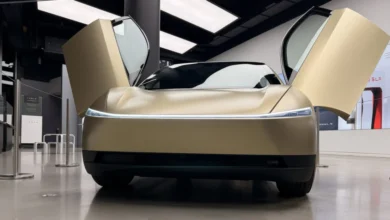
Tesla concluded its high-profile Semi event in Nevada this past Thursday with a strategic, high-stakes teaser that has reignited global interest in the long-delayed next-generation Roadster. As the event drew to a close, Tesla engineering executive Lars Moravy took the stage to present a brief video clip, signaling that the production version of the supercar will deviate significantly from the prototype unveiled nearly nine years ago. The teaser, which was subsequently shared on the company’s official X account, featured a dramatic sequence of a trailer opening to reveal a glowing white front light bar—a definitive departure from the dual-pod headlamp configuration seen on the 2017 concept.
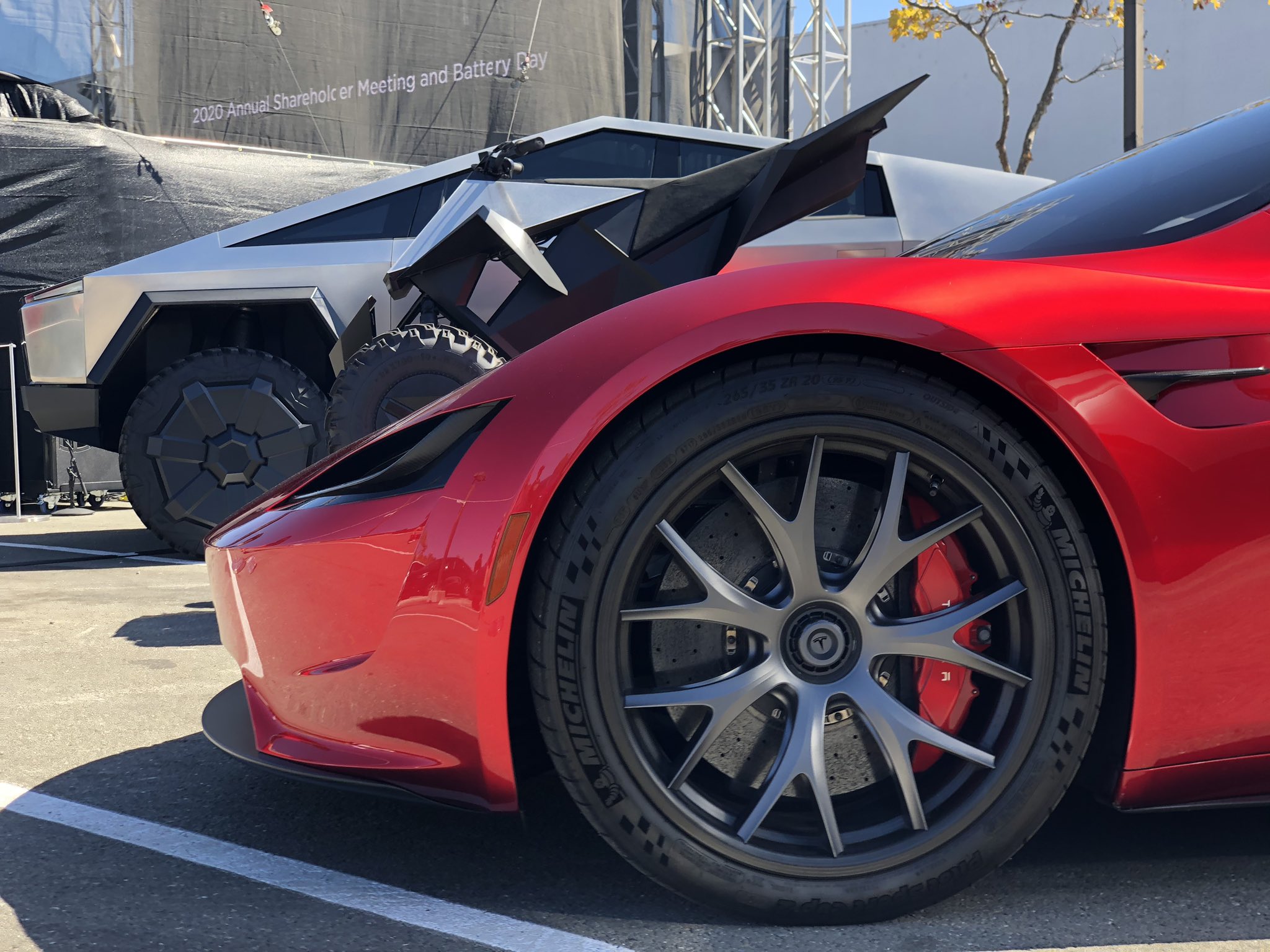
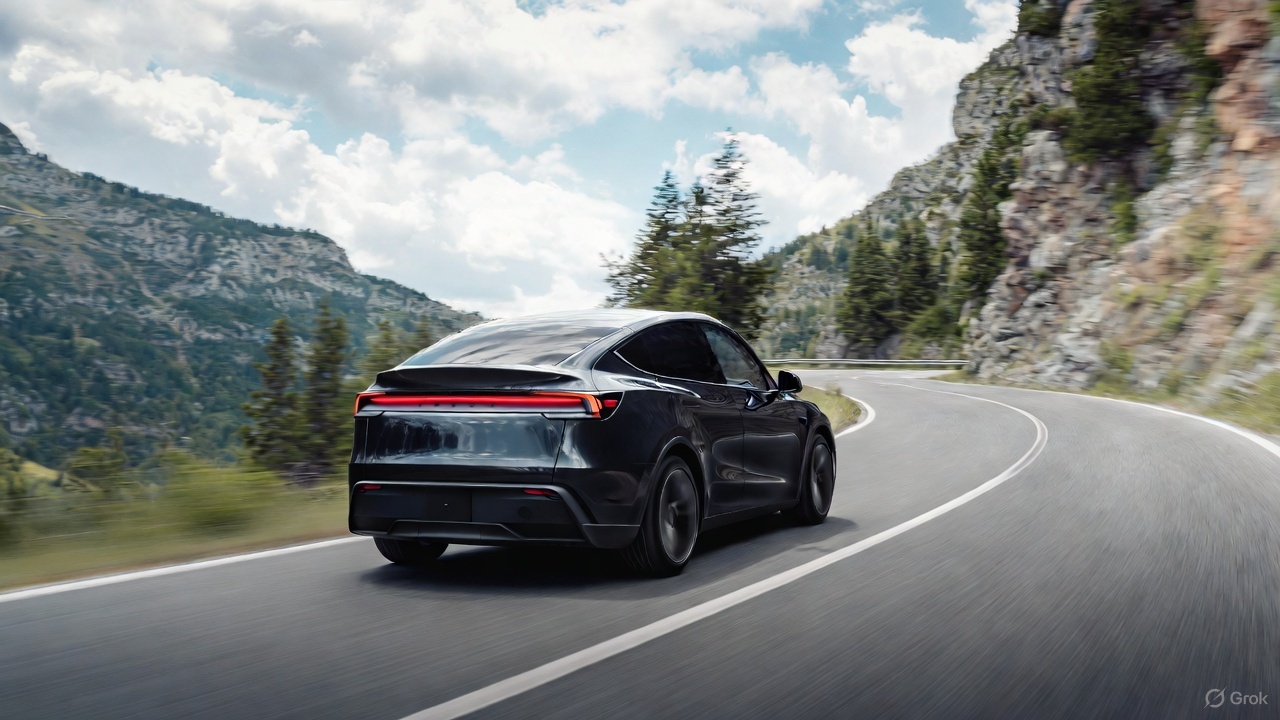
This visual update aligns the Roadster with the contemporary "Cyber" design language pervasive across Tesla’s current product lineup, including the Cybertruck, the Cybercab, and the refreshed Model Y. The brief nine-second clip concluded with the ominous, yet highly anticipated, text: "See you next week."
A Nine-Year Journey: The Evolution of a Concept
The Roadster’s path to production has been one of the most protracted in automotive history. First revealed in November 2017 during the original Tesla Semi unveiling in Hawthorne, California—where a prototype famously rolled out of a trailer—the vehicle was initially promised for a 2020 release. At the time, Tesla’s performance benchmarks were staggering: a 0 to 60 mph acceleration time of 1.9 seconds, a range exceeding 620 miles, and a top speed surpassing 250 mph.
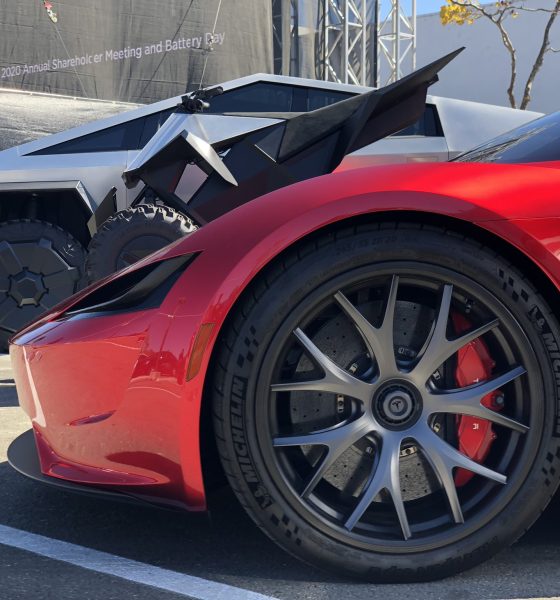
However, the project faced repeated delays as Tesla prioritized the mass-market Model 3 and Model Y, as well as the industrial-scale challenges of the Cybertruck and the Semi. As of late 2026, the company has indicated that the Roadster is slated for production at Gigafactory Texas, with a timeline currently pushed no earlier than 2027. For the thousands of reservation holders who have waited since 2017, the upcoming October 1 event in Waco, Texas, represents the first substantive update on pricing, final specifications, and concrete manufacturing targets.
The Waco Event and the SpaceX Connection
The choice of location for the upcoming reveal is far from coincidental. Waco is situated approximately 20 minutes from the SpaceX McGregor rocket test site. This proximity is fueling speculation regarding the long-rumored "SpaceX Package," which Elon Musk has previously teased as an option that would incorporate cold gas thrusters into the vehicle. Musk has suggested this technology could provide significant performance boosts, including enhanced acceleration and, in extreme theoretical scenarios, brief periods of flight.

Adding weight to these rumors, the Federal Aviation Administration (FAA) has implemented a temporary flight restriction (TFR) covering a 1.5-nautical-mile radius around the McGregor facility from September 18 through October 2, reaching altitudes of up to 10,000 feet. Such restrictions are standard procedure for high-profile aerospace tests, suggesting that the October 1 event may include a live, high-octane demonstration of the car’s unique propulsion capabilities.
Financial Commitment and Reservation Status
In a move that signals Tesla’s confidence in the impending production phase, the company recently reopened the reservation process. Interested buyers are now required to make an initial $5,000 payment via credit card, followed by a $45,000 wire transfer within 10 days. This $50,000 commitment, made without an official final MSRP for the vehicle, underscores the high level of demand and brand loyalty surrounding the Roadster.

Industry analysts note that this aggressive financial structure serves two purposes: it filters out non-serious interest and provides Tesla with an influx of capital to finalize the engineering and tooling required for the Texas production line.
Broader Context: Tesla’s 2026 Technological Landscape
The focus on the Roadster comes at a pivotal time for Tesla, as the company navigates a complex technological and regulatory environment. Concurrent with the Roadster buzz, Tesla is dealing with a significant delay in the European Union regarding the rollout of its Full Self-Driving (FSD) Supervised software.

The European Commission’s Technical Committee on Motor Vehicles (TCMV) has postponed a decisive vote on an EU-wide authorization for FSD, pushing the earliest possible decision to December. While seven member states, including the Netherlands, Belgium, and Denmark, have already approved the system, a bloc-wide mandate requires a qualified majority. Tesla faces a challenging safety-case presentation, as major markets like France and Germany remain hesitant, citing concerns over speed-limit compliance and the reliance on company-reported fleet data.
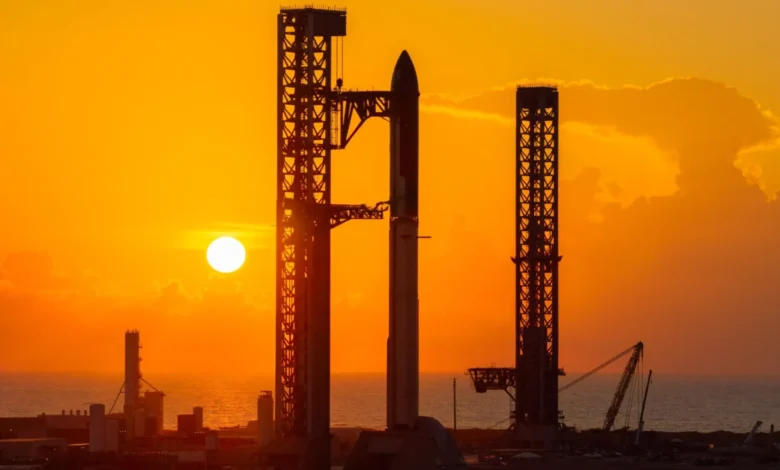
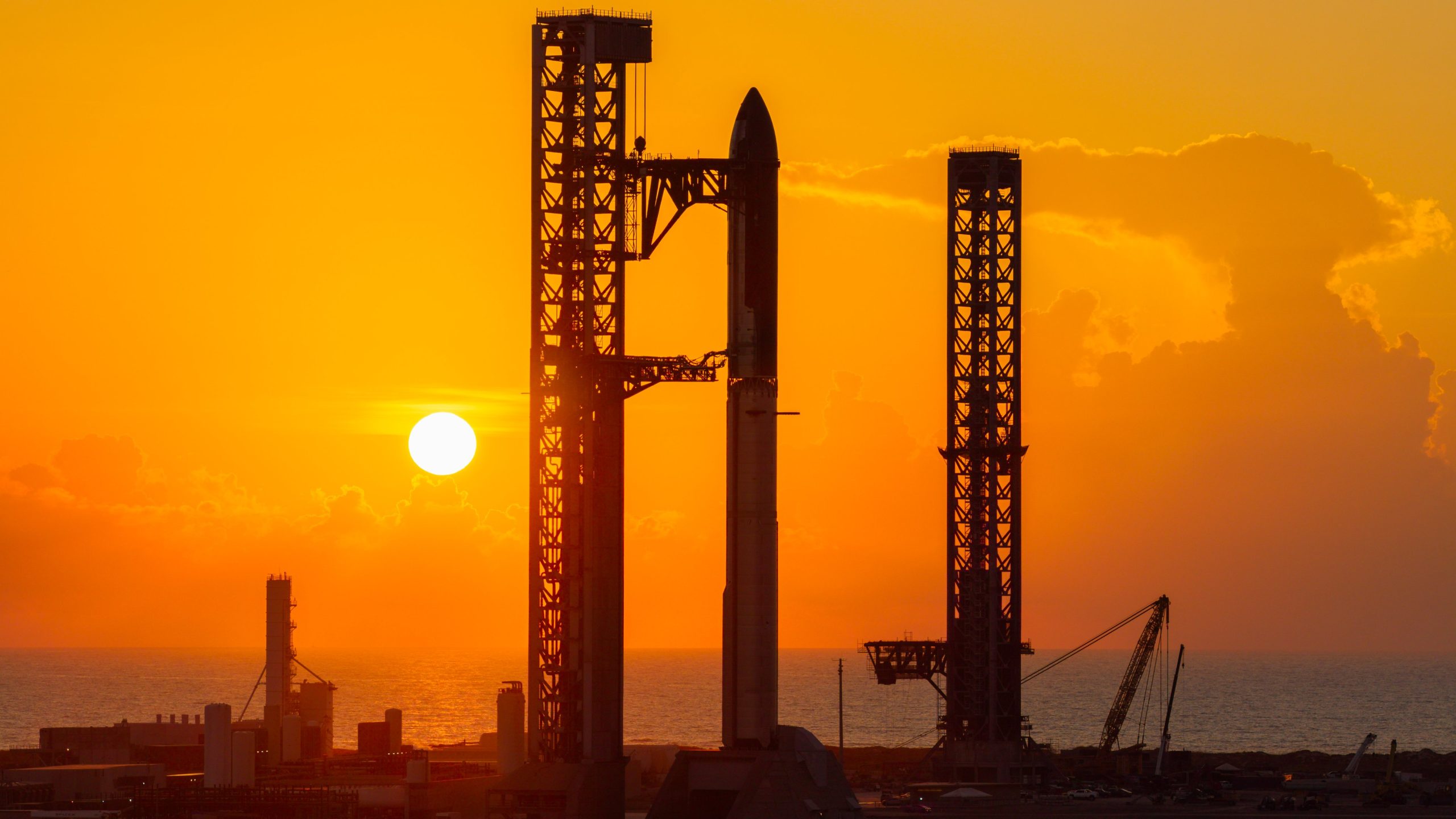
Meanwhile, SpaceX—Tesla’s sister company—is preparing for Flight 14 of the Starship megarocket, scheduled for September 28. This mission is critical for the future of orbital computing and satellite deployment. With 26 V3 Starlink satellites on board, this flight represents the first time Starship will attempt to reach true orbit and stay there, rather than performing a suborbital "hop." This mission is intrinsically linked to the broader Musk-led vision of integrating high-level AI into space infrastructure, a field where Google has also recently begun to compete by launching its own TPU-equipped satellites on SpaceX rideshare missions.
Implications and Strategic Outlook
The convergence of these events—the Roadster launch, the push for FSD in Europe, and the evolution of Starship—illustrates the sheer scale of the challenges currently faced by Elon Musk’s companies. The Roadster is not merely a halo car; it is a demonstration of the company’s ability to integrate advanced aerospace materials and propulsion into a consumer product.
If the October 1 event succeeds in providing a clear roadmap for production, it will serve to alleviate the growing skepticism among long-term investors regarding the company’s ability to deliver on "vaporware" promises. However, the stakes are high. The automotive landscape of 2026 is vastly different from 2017; the competitive field for electric supercars has grown, with legacy manufacturers and new startups alike releasing high-performance EVs.
For Tesla, the Roadster represents the ultimate test of its engineering culture: the ability to return to a project after nearly a decade of institutional growth and deliver a product that still feels like the future. Whether the light bar and the rumored thrusters are enough to maintain the brand’s dominance in the hyper-performance sector will be decided on the tarmac in Texas next week. The company’s ability to balance these high-tech milestones—from the streets of Waco to the orbital paths of Starship—will likely define its valuation and market position for the remainder of the decade.
Related posts: