The Rise of Pre-Owned Chinese Electric Vehicles Poses a New Challenge for Western Automakers

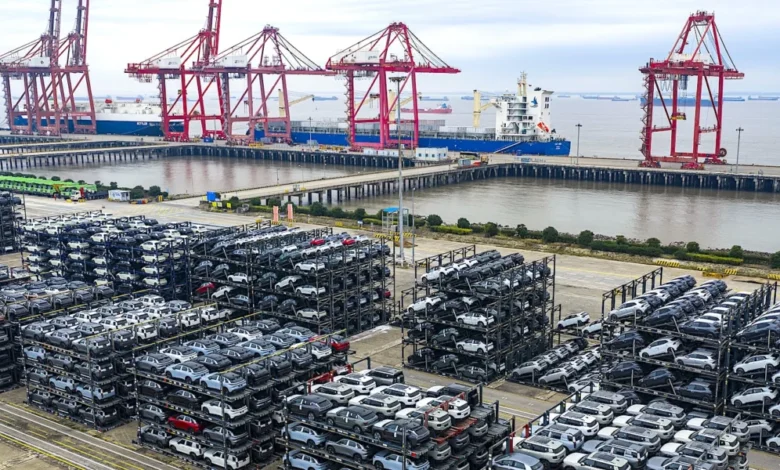
The global automotive landscape is undergoing a profound structural shift as geopolitical tensions, shifting consumer demands, and aggressive technological advancements reshape the electric vehicle market. While traditional Western legacy automakers have leaned heavily on protectionist trade policies, tariffs, and import caps to insulate their domestic markets from a wave of affordable Chinese battery-electric vehicles (BEVs), a significant loophole has emerged. European and Canadian consumers, increasingly squeezed by rising vehicle costs linked to global fuel price volatility and macroeconomic pressures, have discovered a thriving alternative: pre-owned electric vehicles imported directly from China. Offering advanced technology, near-new condition, and price points up to 40% lower than original manufacturer suggested retail prices (MSRPs), these used imports are bypassing the stringent tariff walls designed to protect legacy brands.
Background Context: Trade Barriers and Market Pressures
For years, Western governments have attempted to safeguard domestic automotive manufacturing sectors from the rapid ascendance of Chinese competitors. Companies such as BYD, Geely, and Zeekr have rapidly scaled production, developing advanced battery technology, sophisticated autonomous driving software, and high-energy-efficiency architectures that often outpace those of established European and North American legacy brands. In response, policymakers in Brussels and other Western capitals implemented aggressive defensive measures. The European Union, for instance, introduced punitive import duties on new battery-electric vehicles manufactured in China, with tariffs climbing as high as 45.3% for specific brands. Similar protective frameworks and quotas have been contemplated or enacted across various Western jurisdictions to limit the influx of low-cost new energy vehicles.
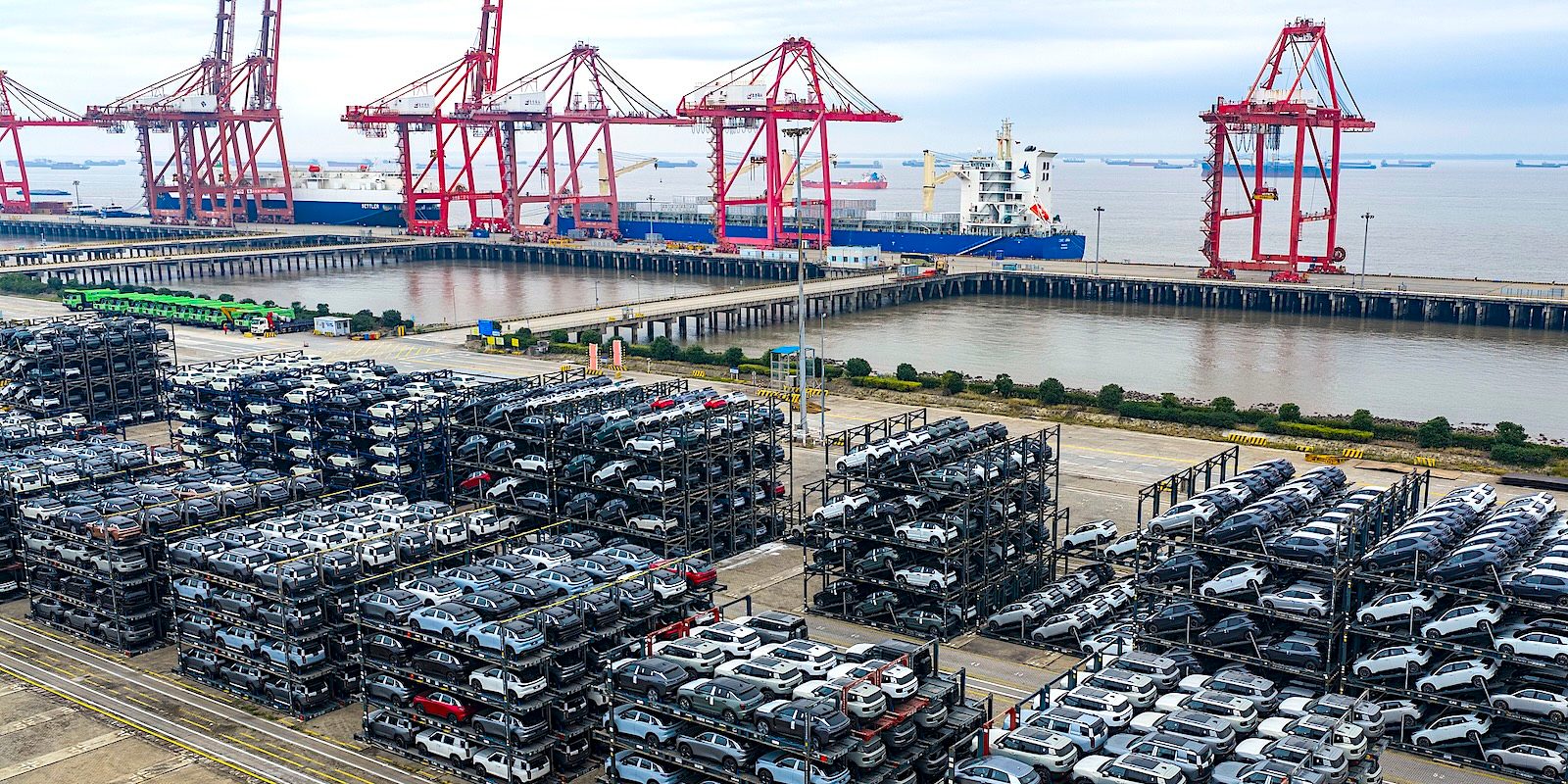
However, these protective tariffs have inadvertently created a dual-tier market. While new Chinese BEVs face prohibitive surcharges that diminish their cost advantage, pre-owned vehicles exist in a regulatory gray area. Because these cars have already been registered and utilized abroad before export, they are frequently exempt from the steep tariffs levied specifically on new BEV imports. Furthermore, as hybrid import caps and stringent new-vehicle quotas tighten the availability of fresh inventory in Europe, buyers and independent exporters have pivoted decisively toward the pre-owned sector to satisfy pent-up demand for affordable, high-tech electrification.
Surging Demand and Exponential Growth Statistics
Data compiled by international vehicle importers and exporters, including platforms such as China EV Marketplace (CEVM), highlight the rapid acceleration of this trend. Pre-owned vehicle shipments destined for European Union customers surged by an extraordinary 280% year-over-year, driving cumulative sales to approximately 7,900 units through the third quarter. Industry executives note that this trajectory is unlikely to slow down as long as price disparities persist between domestic European offerings and imported alternatives.
Jakub Gerál, Chief Operating Officer of CEVM, emphasized the strategic pivot occurring within the secondary export market during a recent industry briefing. Tariffs have undeniably dampened the commercial momentum for new Chinese BEVs among European buyers, and anticipated hybrid import caps are expected to exert similar downward pressure on plug-in hybrid electric vehicle (PHEV) sales. Because pre-owned automobiles remain largely insulated from these specific supplementary BEV tariffs and regulatory quotas, export operations are increasingly concentrating their resources on fulfilling the secondary market demand.

Inventory Dynamics and the Mechanics of the Secondary Market
The mechanics driving the pre-owned Chinese EV trade rely on a unique convergence of hyper-fast technological iteration within China and a domestic consumer culture that places a premium on vehicle novelty. China’s automotive ecosystem moves at a relentless pace, with manufacturers frequently releasing updated software iterations, enhanced battery chemistry, and completely redesigned models within months of a previous generation’s launch. Consequently, Chinese consumers often trade in vehicles while they are still in pristine condition, possessing exceptionally low mileage.
Export inventory platforms routinely list thousands of pre-owned electric vehicles featuring modern cockpits, advanced driver-assistance systems, and batteries showing minimal degradation, often with as little as 6,000 kilometers on the odometer. Because of the rapid depreciation schedules fueled by constant domestic model refreshes, these vehicles are acquired in Shanghai and other major Chinese automotive hubs at deep discounts. When exported to Europe and Canada, their final retail prices average roughly 40% below their original Chinese list prices. This pricing structure undercuts even the most affordable domestic economy EVs available in Western showrooms, rendering them immensely attractive to cost-conscious consumers navigating high inflation and interest rates.
Implications for Legacy Automakers in Europe and North America

The arrival of low-mileage, technologically advanced used EVs from China presents a severe strategic dilemma for legacy automakers in Europe and North America. Traditional brands such as Volkswagen, which has faced significant domestic operational challenges, plant restructuring discussions, and steep cost-reduction mandates, are already struggling to manufacture profitable mass-market electric vehicles locally. The presence of a secondary import pipeline supplying vehicles with superior technology at a fraction of the cost threatens to erode whatever market share legacy brands retain in the entry-level and mid-tier segments.
Industry analysts note that consumer behavior in the electric vehicle sector heavily favors long-term adoption once the transition is made. Historical data consistently demonstrate that the vast majority of motorists who transition to electric mobility do not revert to internal combustion engine vehicles, regardless of fluctuating macroeconomic narratives or fuel market dynamics. As consumers grow accustomed to the low operating costs, quiet operation, and digital integration characteristic of modern EVs, their demand for affordable options intensifies. When regulatory frameworks attempt to artificially restrict the supply of new affordable vehicles, market forces inevitably find alternative pathways—in this case, through the burgeoning global trade of pre-owned luxury and economy electric vehicles.
Broader Economic and Regulatory Outlook
The rapid expansion of the used Chinese EV trade underscores a fundamental challenge for modern trade policy: legislation and regulatory frameworks frequently struggle to keep pace with globalized market demand and rapid technological evolution. Tariffs designed to protect regional manufacturing bases may successfully restrict direct factory-to-showroom pipelines, but they simultaneously stimulate secondary markets that exploit regulatory exemptions.

As international logistics networks mature and specialized exporters scale their operations to streamline compliance, shipping, and title transfer processes across borders, pre-owned Chinese electric vehicles are poised to secure a permanent foothold in Western secondary automotive markets. For policymakers, the phenomenon signals the need for a comprehensive reassessment of industrial strategy—shifting the focus from defensive tariff barriers toward enhancing the domestic manufacturing competitiveness, supply chain efficiency, and technological innovation of Western automotive industries. Until legacy automakers can independently bridge the affordability gap for mass-market consumers, alternative import channels will continue to thrive, fundamentally altering the competitive dynamics of the global electric vehicle transition.