NHTSA Proposes Cyan External Lighting Standard to Identify Autonomous Vehicles on US Roads

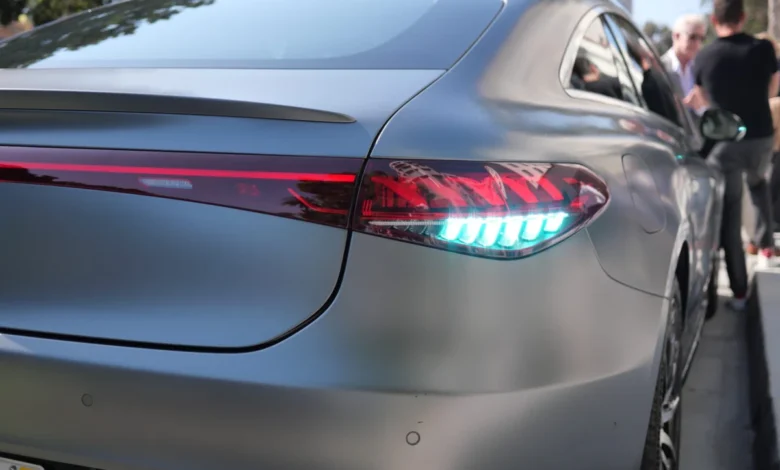
The National Highway Traffic Safety Administration has formally proposed a sweeping update to federal vehicle safety regulations that would introduce standardized cyan-colored exterior lighting to identify vehicles operating in automated driving modes. Released in a draft proposal by federal regulators, the initiative addresses a growing operational challenge for law enforcement, emergency responders, and the general public: distinguishing between human-operated automobiles and fully autonomous machines navigating public thoroughfares without a human driver behind the wheel.
As autonomous vehicle technology transitions from closed-course testing to commercial deployment across major metropolitan areas nationwide, standardizing communication protocols has emerged as a critical regulatory priority. The proposed rule seeks to establish a uniform visual indicator that clarifies a vehicle’s operational status instantly, reducing uncertainty during traffic stops, accident responses, and routine roadway interactions.
The Genesis of Autonomous Vehicle Identification
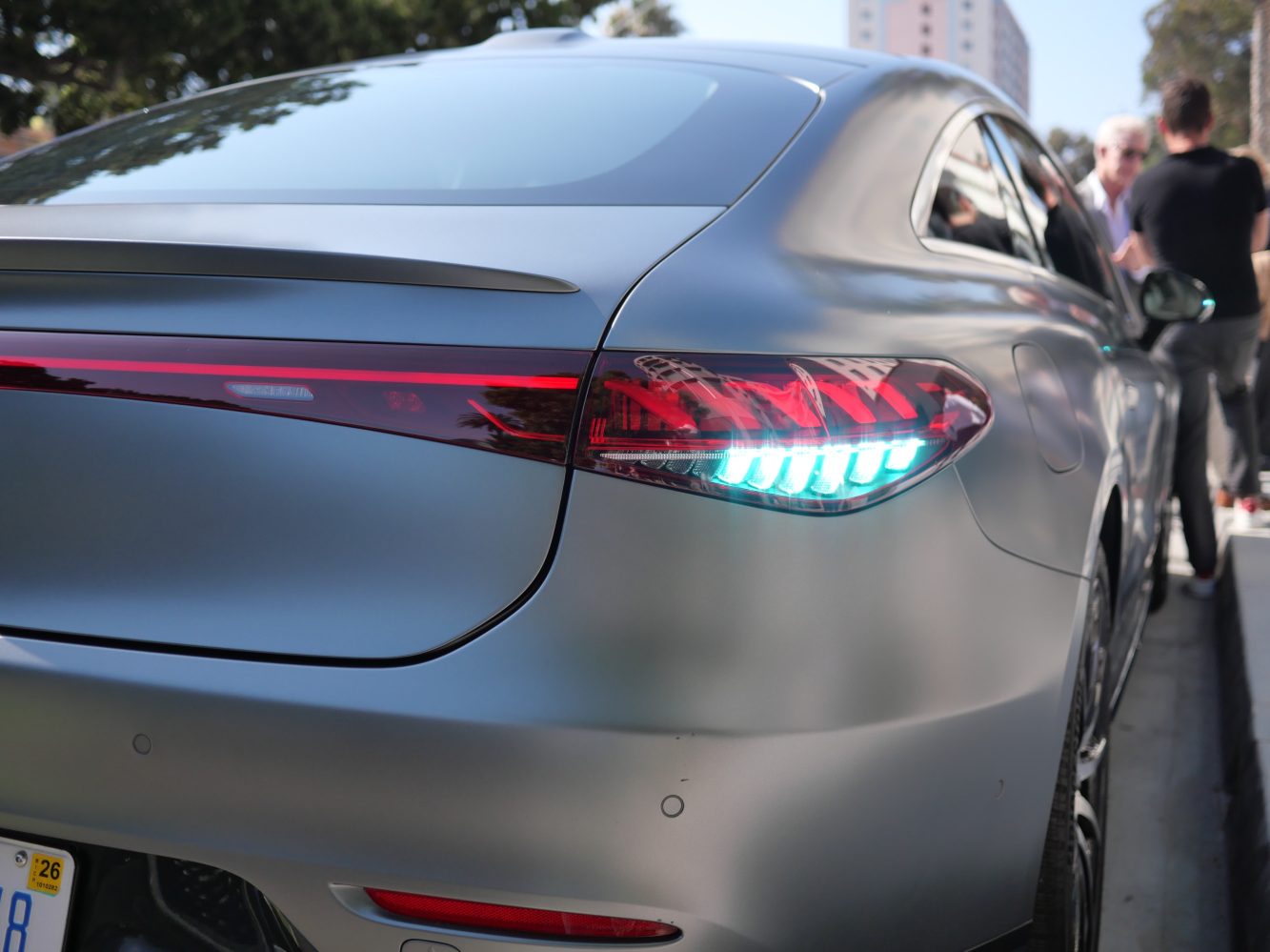
The rapid expansion of driverless mobility services and advanced driver-assistance systems across United States roadways has fundamentally altered the traffic landscape. While commercial robotaxis operated by companies like Waymo and Cruise have become familiar sights in cities such as San Francisco, Phoenix, and Austin, private passenger vehicles equipped with advanced automated systems are also entering the consumer market.
This evolution has exposed a critical gap in traffic safety infrastructure: the absence of a universally recognized signal indicating that an artificial intelligence system, rather than a human operator, is controlling a vehicle’s acceleration, braking, and steering. For emergency personnel, approaching an unoccupied vehicle presents immediate ambiguity. First responders must rapidly determine whether an empty driver’s seat indicates a vehicle operating safely under algorithmic control, or whether an incapacitated or ejected occupant requires immediate medical rescue. Similarly, law enforcement officers conducting traffic enforcement need a reliable, unmistakable method to verify autonomous operation before approaching a vehicle.
To resolve these challenges, the NHTSA’s draft notice of proposed rulemaking establishes specifications for exterior optical signals. Under the framework, automakers would be permitted to equip vehicles with cyan lamps that illuminate exclusively when the automated driving system is actively engaged.
From Industry Concept to National Standard
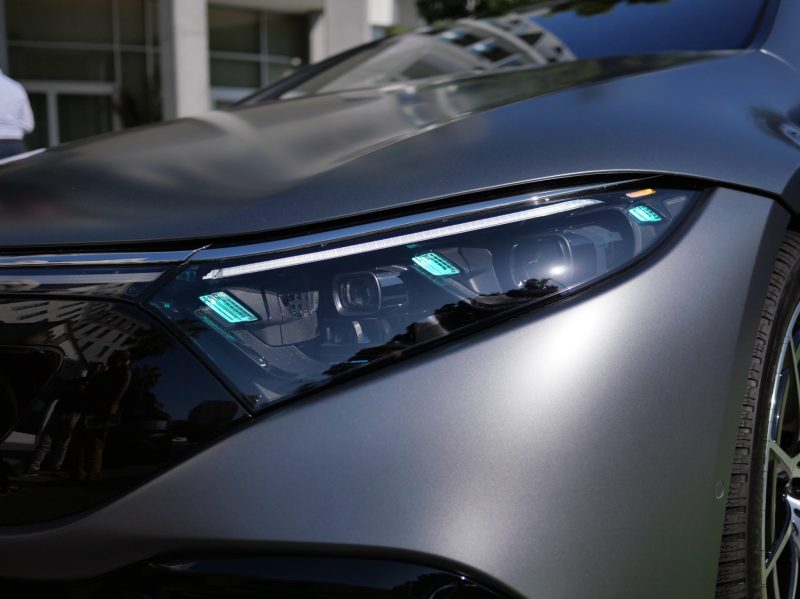
The concept of utilizing cyan lighting as an operational marker for automated vehicles originated in the private sector. Mercedes-Benz pioneered the approach alongside the commercial introduction of its DRIVE PILOT system. Recognized as the first SAE Level 3 conditionally automated system legally authorized for public road use in the United States, DRIVE PILOT allows drivers to legally disengage from the driving task under specific operating conditions, transferring full legal liability for vehicle control to the manufacturer.
Following extensive testing programs conducted in California and Nevada over a multi-year period, Mercedes-Benz petitioned federal regulators to consider standardizing cyan illumination for Level 3 and higher automated systems. The Society of Automotive Engineers subsequently evaluated the proposal and endorsed the use of cyan—a distinct hue positioned between blue and green on the visible light spectrum—to prevent confusion with existing emergency vehicle red, blue, and amber lighting.
The NHTSA’s newly published draft regulation reflects these industry findings, proposing an amendment to Federal Motor Vehicle Safety Standard No. 108, which governs lamps, reflective devices, and associated equipment. While the proposed standard stops short of making cyan lighting immediately mandatory for all manufacturers, it establishes clear federal guidelines for automakers choosing to implement the technology.
Technical Specifications and Global Alignment
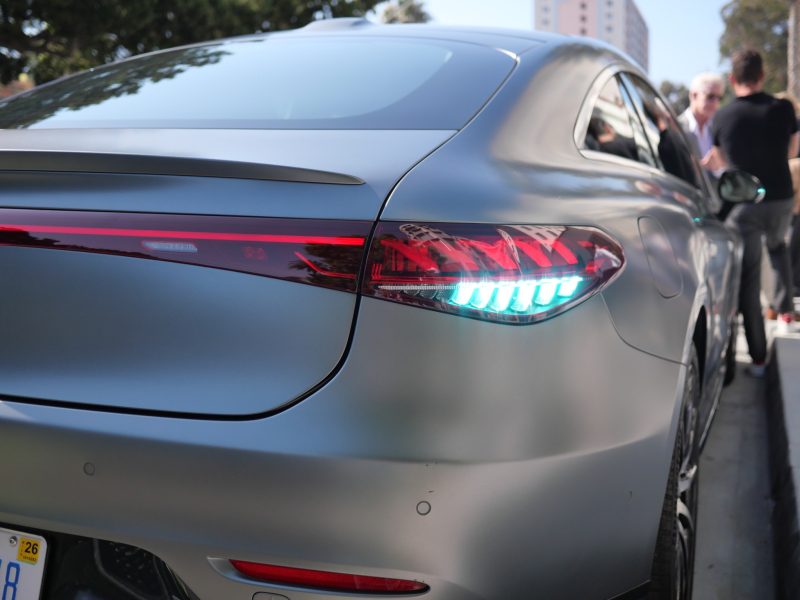
Under the parameters outlined in the NHTSA draft, any optional cyan lighting system must adhere to strict operational constraints to prevent confusion and ensure visibility. The regulatory text specifies that the lamps must activate automatically and simultaneously when the automated driving system assumes full control of the vehicle. Conversely, the lights must deactivate immediately upon any transition back to manual human operation, and they must remain dark whenever a human driver retains responsibility for the driving task.
Furthermore, the proposal dictates that the exterior markers must be positioned to ensure visibility from multiple angles—including the front, sides, and rear of the vehicle—and mounted at a minimum height of 15 inches above the roadway surface. This multi-point configuration is designed to ensure that pedestrians, cyclists, and surrounding motorists can identify the vehicle’s autonomous status regardless of their relative position.
The United States is not alone in addressing the need for standardized automated vehicle signaling. International regulatory bodies are moving in parallel to prevent a fragmented patchwork of state and national rules. Earlier in the week, regulatory authorities in China released a parallel draft standard proposing the adoption of uniform rules for automated driving lights. Set to take effect in 2028, the Chinese standard similarly recommends turquoise or cyan lighting to identify automated vehicles, urging domestic and international automakers to transition away from proprietary lighting configurations in favor of a unified global standard.
Modernizing Federal Motor Vehicle Safety Standards
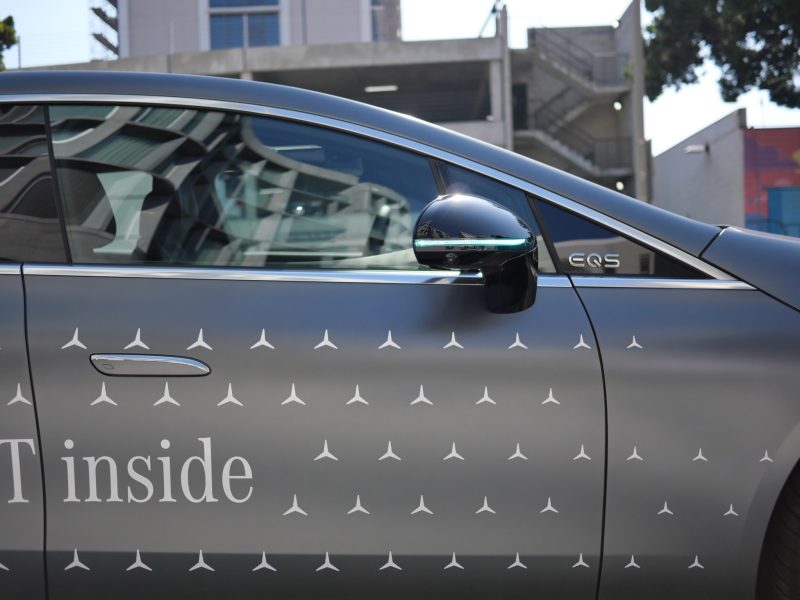
Beyond exterior illumination, the NHTSA draft addresses necessary structural flexibilities within existing Federal Motor Vehicle Safety Standards. Historically, federal rules were written with the explicit assumption that every motor vehicle would feature a human driver, a mechanical steering wheel, foot pedals, and traditional dashboard instrumentation.
As manufacturers design purpose-built autonomous vehicles—such as robotaxis lacking steering wheels and manual controls—strict adherence to legacy standards has created regulatory hurdles. The newly proposed rules introduce targeted exemptions and modernizations. For example, legacy regulations mandate that vehicle turn signals must automatically cancel and return to a neutral position after a steering wheel completes a turn beyond a designated threshold. Because fully autonomous vehicles may lack conventional steering columns, the proposed updates eliminate this requirement for vehicles engineered without driver-operated steering controls. Additional modifications provide greater design flexibility for headlamp placement and internal cabin displays, acknowledging the fundamentally different architecture of autonomous transport platforms.
Industry Implications and Future Outlook
The introduction of the NHTSA draft rule carries significant implications for the automotive sector. Because the proposed standard designates cyan lighting as optional rather than compulsory, automakers must perform cost-benefit analyses to determine whether to incorporate the hardware during production cycles. However, industry analysts note that the marginal cost of adding LED hardware is exceptionally low, and early federal recognition of the standard strongly signals that mandatory requirements could follow as autonomous fleets scale.

By establishing a formalized pathway in federal regulation, the NHTSA has initiated a 30-day public comment period, logged under docket NHTSA-2026-1519 at official government portals. During this window, automakers, safety advocates, municipal governments, and technology developers will submit formal feedback concerning the technical feasibility, safety efficacy, and implementation timelines of the proposed rules.
As regulatory bodies in the United States and abroad harmonize their standards for automated mobility, the transition toward a mixed-fleet transportation ecosystem enters a new phase. Standardizing visual communication protocols represents a foundational step in integrating autonomous technology safely into the public right-of-way, ensuring that humans and machines share roadways with clarity, predictability, and mutual understanding.