Panasonic releases significant firmware updates for Lumix S-series cameras while users remain expectant for advanced autofocus integration.


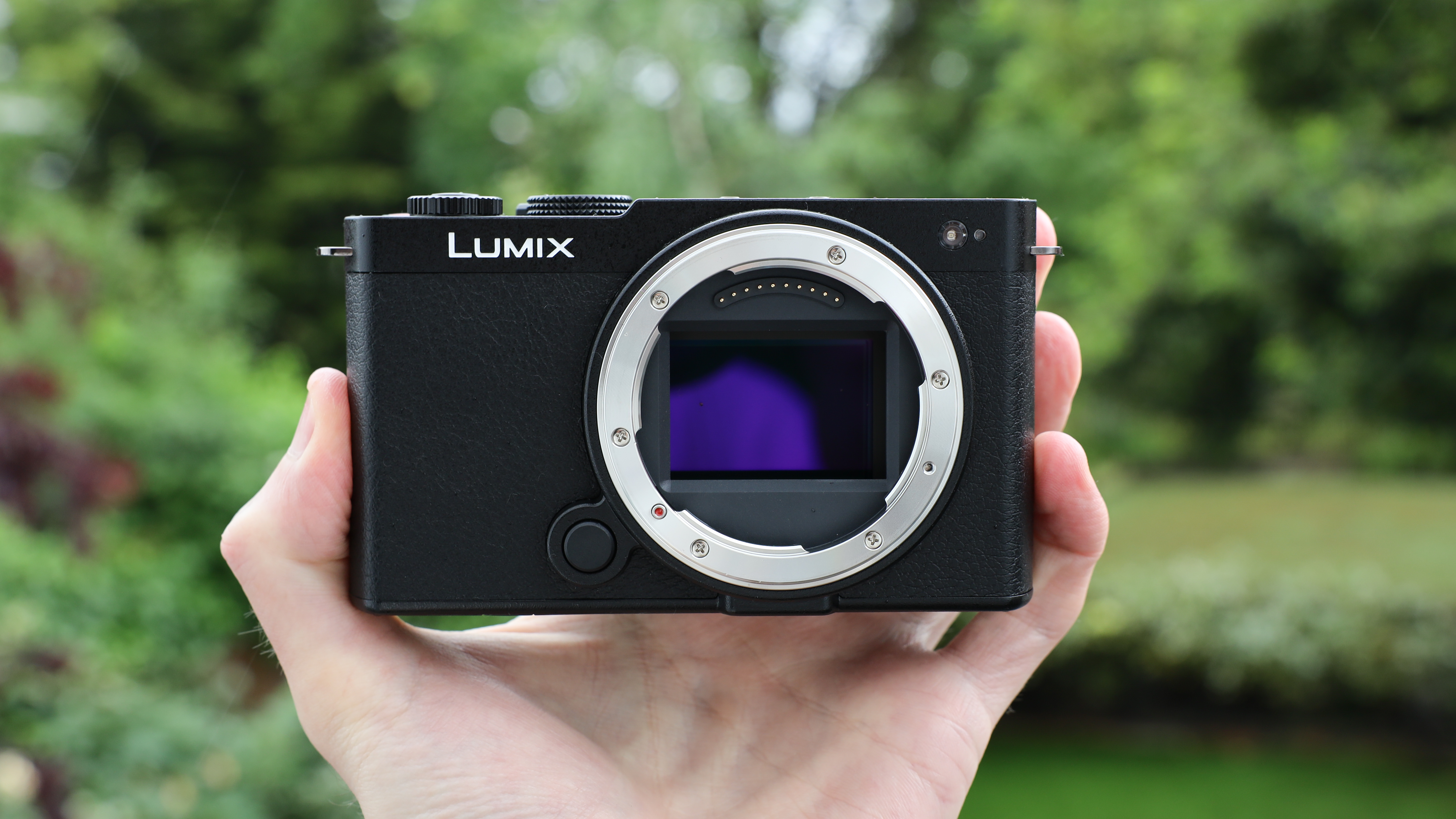
Panasonic has officially rolled out a comprehensive suite of firmware updates targeting its high-performance Lumix S-series lineup, specifically encompassing the Lumix S1II, S1RII, S1IIE, and the compact Lumix S9. These updates represent the latest phase in the manufacturer’s ongoing commitment to post-purchase support, a strategy that has distinguished the brand in the competitive full-frame mirrorless market. While the updates address critical technical concerns and enhance workflow efficiency, particularly for video production and flash photography, a notable gap remains regarding the cross-platform integration of the company’s most advanced autofocus algorithms.
Chronology of Firmware Development
The trajectory of Lumix firmware support has been characterized by consistent, incremental improvements. In May 2025, Panasonic introduced the proprietary Urban Sports Autofocus (AF) algorithm, a technological advancement designed to provide superior subject tracking in complex, high-motion environments. Since that release, the user base has closely monitored subsequent software patches for evidence of this algorithm migrating to the more portable Lumix S9 platform.
The current update, which arrives roughly 16 months after the initial debut of the Urban Sports AF, focuses on refining the operational stability of the flagship S1II series and optimizing the connectivity and codec capabilities of the S9. The iterative nature of these updates reflects Panasonic’s practice of providing lifecycle support that extends well beyond the initial point of sale, a practice increasingly expected by professional and enthusiast photographers alike.

Technical Enhancements and Performance Fixes
The firmware update for the Lumix S1II, S1RII, and S1IIE series directly addresses a long-standing issue reported by professional users: latency during flash photography. Previously, photographers operating in high-pressure environments, such as event and wedding photography, noted inconsistencies in shutter release responsiveness when utilizing external TTL (Through-The-Lens) flash units. By optimizing the communication protocol between the camera body and the external strobe, this update aims to normalize burst shooting performance.
For the Lumix S9, the focus has shifted toward videography and workflow integration. The inclusion of new modes for the MP4 (Lite) codec provides content creators with greater flexibility in managing file sizes without sacrificing the essential quality required for modern social media and digital platforms. Additionally, the camera now benefits from deeper integration with the Lumix Flow application, allowing for a more seamless transition between the field and the editing suite.
The Evolution of the Lumix Lab Ecosystem
Central to the user experience is the Lumix Lab application, which has been upgraded to version 3.1.1. This update introduces significant improvements to the management of Lookup Tables (LUTs). Previously, users navigating the expansive, community-driven LUT libraries often faced a fragmented experience. The new update allows for advanced filtering and batch downloading, effectively streamlining the color-grading workflow.
By facilitating the organization of these digital assets, Panasonic is acknowledging the shift toward mobile-first content creation, where the ability to quickly apply consistent, professional-grade aesthetic looks is a high priority for its target demographic. This development underscores the brand’s pivot toward an integrated ecosystem where the camera, the smartphone app, and the post-processing software function as a unified production chain.

Implications of Missing Feature Parity
Despite the technical advancements, the omission of the Urban Sports AF algorithm from the Lumix S9 has drawn attention to the challenges of feature parity in modular camera systems. The Urban Sports AF, which excels at maintaining focus on erratic subjects, is widely considered a benchmark in current autofocus performance.
From an engineering perspective, the integration of advanced AF algorithms requires substantial processing overhead. While the S9 shares the high-quality sensor technology found in the S-series, it is designed with a more compact architecture and power-efficiency constraints. Whether the absence of this feature is due to hardware limitations within the S9’s processing engine or a deliberate segmentation of features remains a subject of discussion within the photography community.
Industry analysts suggest that as computational photography becomes increasingly reliant on real-time processing, manufacturers will face ongoing pressure to balance feature deployment across their product lines. For Panasonic, maintaining a reputation for "listening to the community" while managing the technical realities of different camera tiers will be critical in the coming fiscal quarters.
Broader Market Context
The professional camera market has undergone a significant transformation over the last decade, with firmware updates becoming a primary tool for product differentiation. Unlike the film era, where a camera’s capabilities were fixed at the point of manufacture, today’s digital devices are essentially computers that can be improved over time.
Panasonic’s strategy of frequent updates provides several key advantages:
- Product Longevity: By extending the utility of older bodies, the manufacturer fosters long-term brand loyalty.
- Competitive Response: Rapid deployment of features allows the company to react to emerging trends in video creation and subject tracking.
- Data-Driven Development: Monitoring user feedback through the Lumix Lab ecosystem provides the company with empirical data on how features are being utilized in real-world scenarios.
Analysis of Future Expectations
As the camera market continues to prioritize video-centric features and automated assistance, the demand for firmware that bridges the gap between hardware performance and software intelligence will only grow. The recent updates to the S-series and the S9 demonstrate that while core hardware is essential, the "software-defined camera" is now the industry standard.
For the professional community, the focus remains on reliability. The fixes provided for the S1II flash responsiveness are a clear indicator that Panasonic prioritizes the feedback of working professionals. However, the sustained interest in the Urban Sports AF suggests that users are also looking for the "trickle-down" of advanced software features to smaller, more portable camera formats.
Looking forward, it is anticipated that Panasonic will continue to refine its firmware release schedule. The company’s transparency regarding these updates serves to build trust, even when specific feature requests remain unfulfilled. As the brand navigates the intersection of traditional optics and modern computational processing, the success of its future hardware releases will likely depend on its ability to provide a consistent, high-performance experience across its entire product ecosystem.

Conclusion
The latest updates to the Lumix line confirm that Panasonic remains a proactive player in the digital imaging space. By addressing critical bugs for its flagship series and enhancing the mobile workflow for its compact models, the company continues to provide value to a diverse range of photographers. While the absence of certain advanced autofocus features in the entry-level full-frame range continues to be a point of contention for some, the overall trajectory of these updates signals a robust and responsive development cycle. Photographers using the S1II, S1RII, S1IIE, and S9 are encouraged to update their firmware to ensure their systems are optimized for the latest production requirements and compatibility standards. As the technology matures, the industry will watch closely to see how Panasonic balances the deployment of its most advanced algorithmic capabilities against the hardware requirements of its increasingly varied product portfolio.
Related posts: