Google Pixel 11 Pro XL vs. Pixel 10 Pro XL: Navigating the 2026 Smartphone Landscape

Anticipation is building for the unveiling of the Google Pixel 11 family, with the Pixel 11 Pro XL slated to debut on August 12, 2026. This launch will once again present consumers with a pivotal decision: invest in the latest technological advancements or opt for the still-robust and potentially more cost-effective predecessor, the Pixel 10 Pro XL. In an era marked by steadily increasing technology prices, 2026 is poised to be a particularly compelling year for considering a year-old flagship, especially given rumors suggesting the Pixel 11 Pro XL might feature evolutionary rather than revolutionary changes over its predecessor. This comprehensive comparison aims to equip prospective buyers with all the necessary information to make an informed choice between these two premium Google devices.
Design and Aesthetic Evolution: The Advent of Pixel Glow
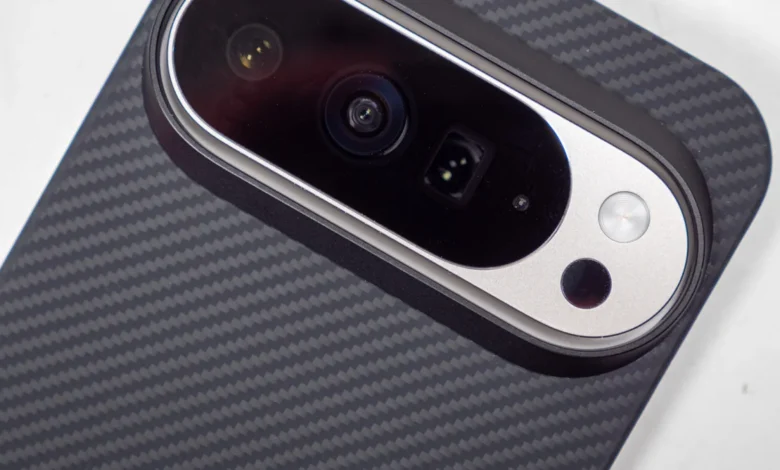
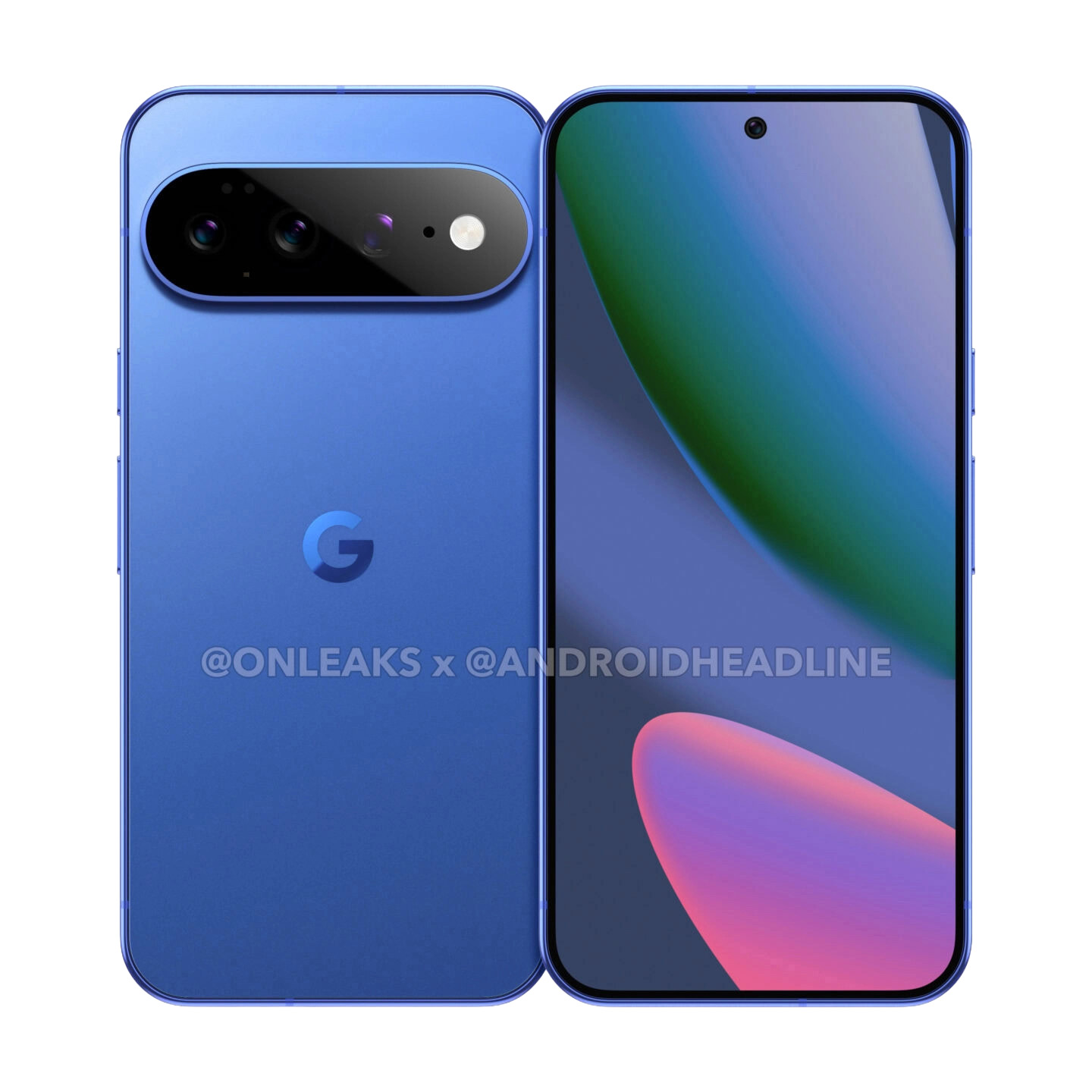
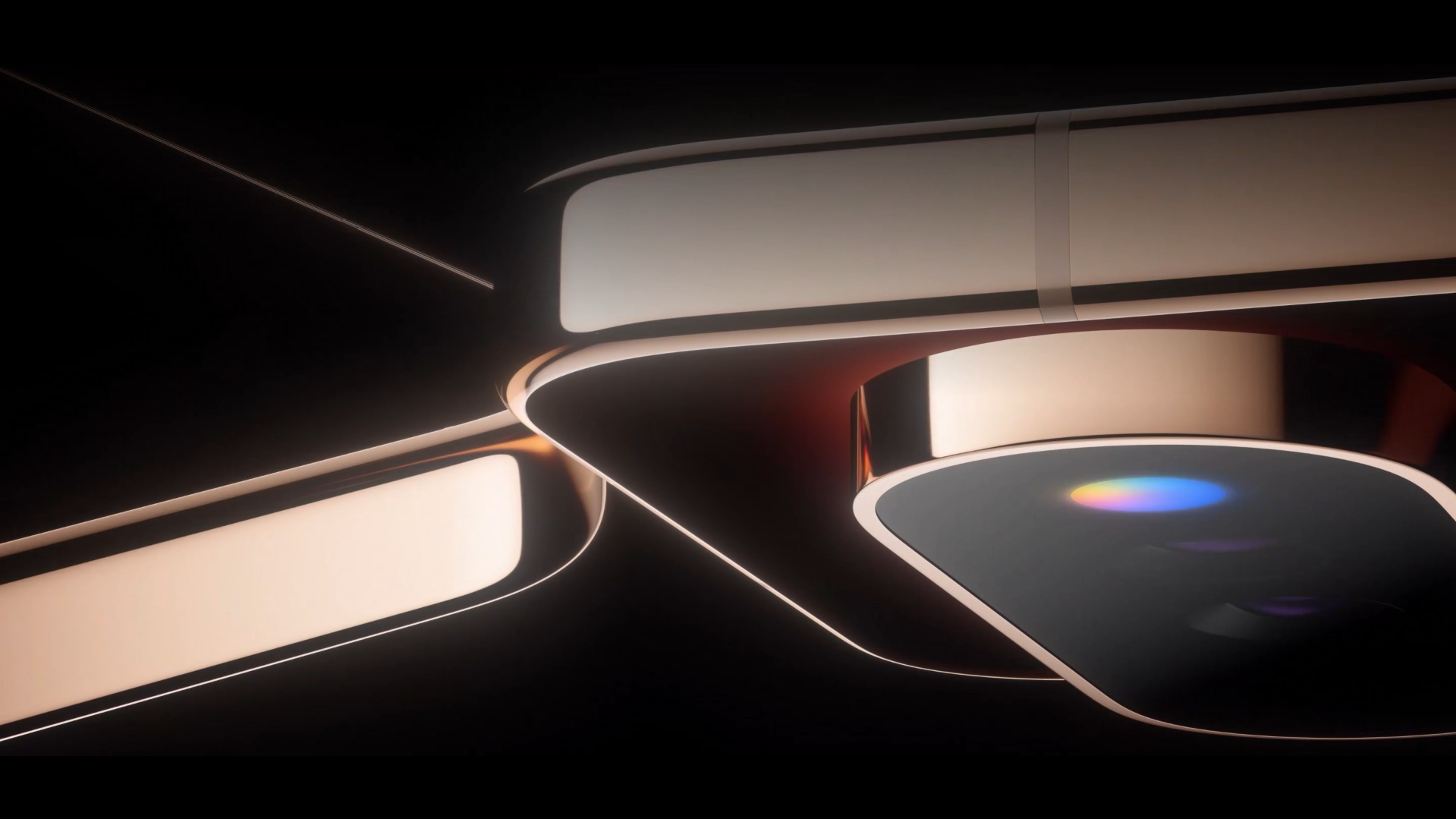
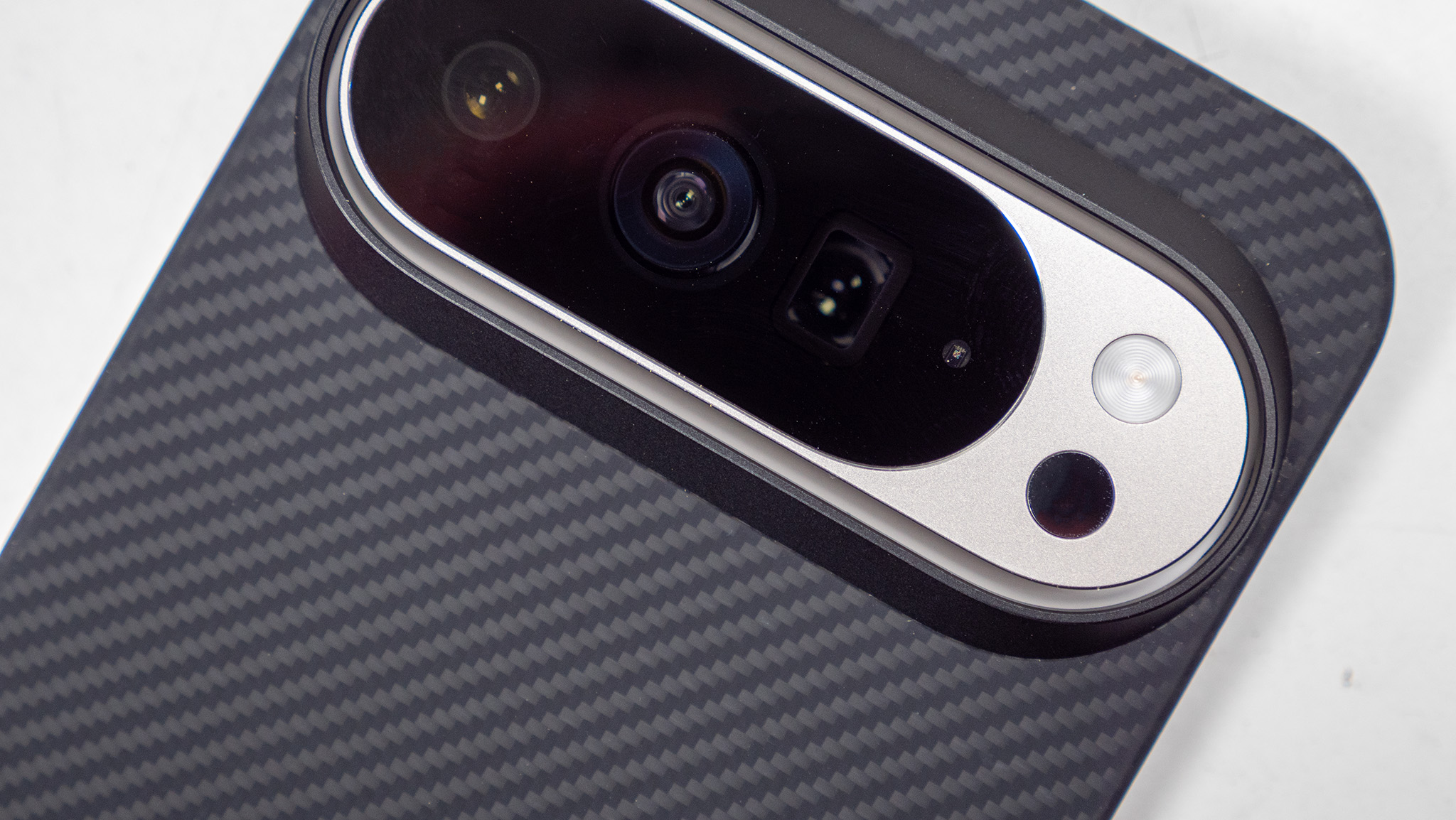
At first glance, the Pixel 10 Pro XL and the upcoming Pixel 11 Pro XL are expected to share a largely similar aesthetic, maintaining Google’s distinctive design language. However, a significant visual differentiator is set to emerge with the Pixel 11 Pro XL: the introduction of "Pixel Glow." This innovative LED feature is rumored to be integrated around the camera island on the device’s rear, likely within the camera flash unit. Early leaked renders and insights from accessory manufacturers, such as Thinborne, reveal a subtle lip around the camera module where this multi-colored LED glow is expected to emanate.
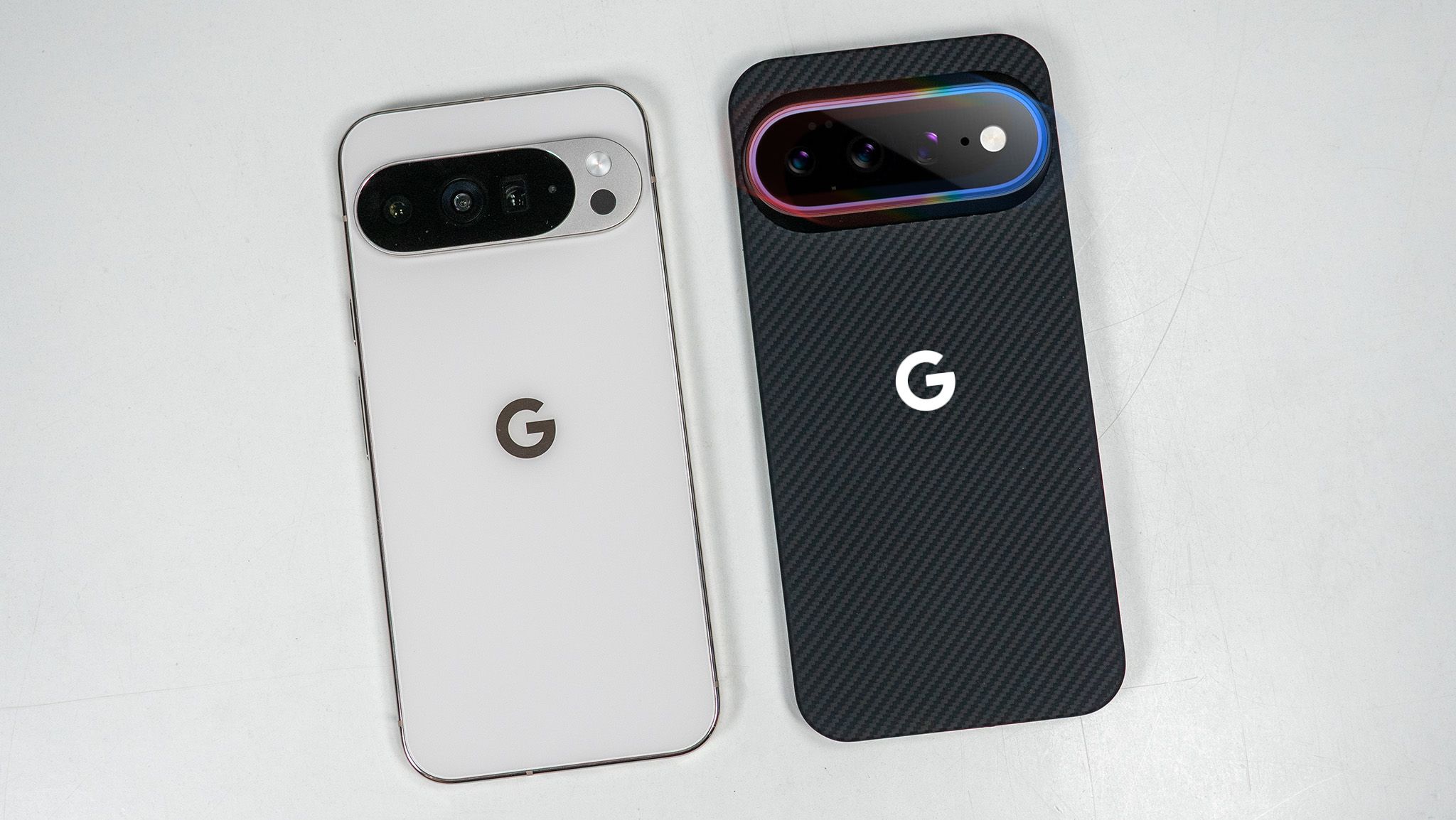
The implementation of Pixel Glow suggests Google might be drawing inspiration from the likes of Nothing’s Glyph Interface, which uses patterned LEDs for notifications and interactions. For the Pixel 11 Pro XL, this could translate into a sophisticated system where the camera bar illuminates in various patterns and colors to signal incoming notifications, provide visual feedback during interactions with Google’s AI assistant, Gemini, or even respond to specific in-app activities. This feature, if executed effectively, would not only provide a unique visual identity for the Pixel 11 Pro XL but also enhance user interaction through ambient, non-intrusive alerts, setting it apart from competitors in a visually subtle yet impactful way.
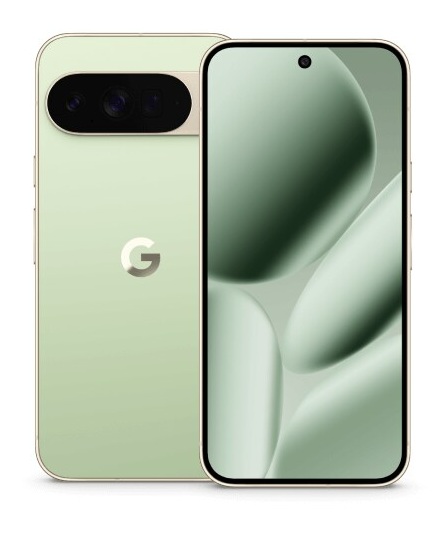
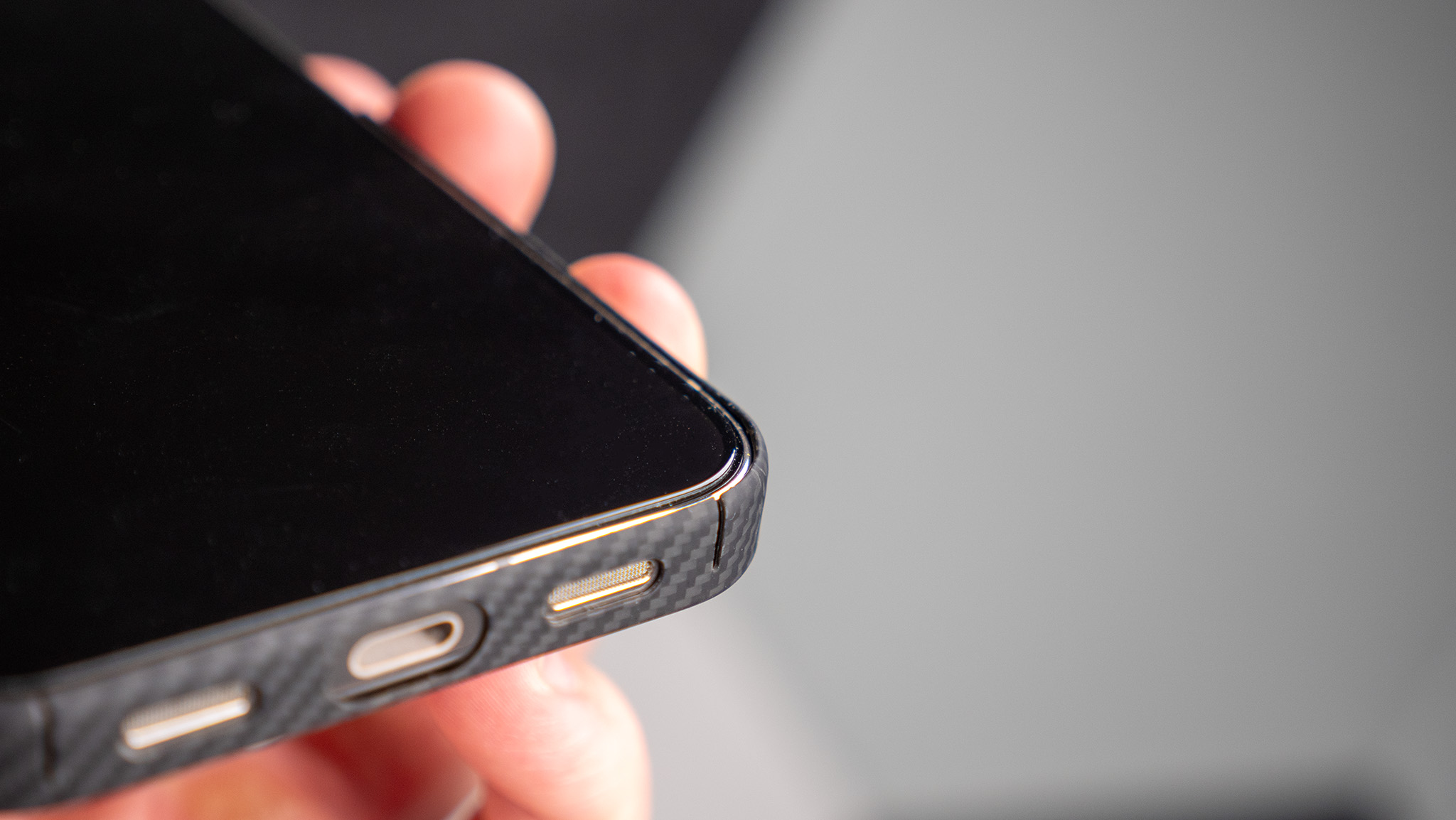
Beyond Pixel Glow, minor design refinements are anticipated. Reports indicate subtle alterations in microphone placement and a slight downward shift of the power and volume buttons on the Pixel 11 Pro XL. These changes, while minor, contribute to ergonomic improvements and distinguish the newer model. Both devices are expected to maintain a premium build quality, featuring the industry-standard IP68 rating for dust and water resistance, ensuring durability against everyday elements. The dimensions of the Pixel 11 Pro XL are rumored to remain consistent with its predecessor at 162.8 x 76.6 x 8.5 mm, with the weight yet to be confirmed but likely similar to the Pixel 10 Pro XL’s 232 grams.
Regarding display technology, both the Pixel 10 Pro XL and the Pixel 11 Pro XL are expected to feature a 6.8-inch Super Actua QHD+ OLED display with a 120Hz refresh rate. While a significant resolution or size bump is not anticipated for the 2026 model, the Pixel 11 Pro XL may receive a slight increase in peak brightness. This incremental enhancement would improve outdoor visibility and enhance the viewing experience for HDR content, aligning with broader industry trends for flagship smartphones. Google has also consistently focused on display accessibility, introducing features like "Comfort Filters" and the "sensitive eyes" option for Pulse Width Modulation (PWM) dimming. PWM dimming, a technique used by OLED screens to control brightness, can cause flicker that is noticeable and uncomfortable for some users. It is hoped that the Pixel 11 Pro XL will see further improvements in its PWM dimming rate at lower brightness levels, offering a more comfortable viewing experience for a wider range of users.
Another notable continuity across both models is the expected inclusion of built-in MagSafe-compatible Pixelsnap magnets. This feature, first introduced in earlier Pixel iterations, allows users to leverage a growing ecosystem of magnetic accessories without needing a specialized case. This provides convenience for wireless charging, car mounts, and other modular accessories, aligning with the increasingly popular magnetic attachment standards seen in the smartphone market.
Under the Hood: Performance, Efficiency, and Connectivity
The most substantial upgrades in the Pixel 11 Pro XL are expected to reside in its internal architecture, specifically its new processor and modem, promising unprecedented efficiency and performance for a Pixel device. The Pixel 11 Pro XL is rumored to be powered by the Tensor G6, Google’s next-generation custom silicon. This chip is expected to be manufactured on an advanced 2nm process node. The transition to a 2nm process signifies a major leap in semiconductor technology, allowing for a higher density of transistors, which translates directly into improved power efficiency and increased processing power. Industry analysts project that the Tensor G6 could deliver performance gains of approximately 15% in daily usage scenarios compared to the Tensor G5 in the Pixel 10 Pro XL. More critically, the new manufacturing process, combined with architectural enhancements, is anticipated to yield a significant 20-30% improvement in overall power efficiency.
This efficiency boost is further complemented by a rumored shift to a new MediaTek modem within the Pixel 11 Pro XL. FCC filings have previously hinted at Google’s collaboration with MediaTek for its modem technology, suggesting a strategic move to optimize connectivity. A more efficient modem is crucial for modern smartphones, as 5G connectivity (supporting both sub-6GHz and mmWave bands), Wi-Fi 7, and Ultra-Wideband (UWB) capabilities are significant power consumers. The combination of the Tensor G6 and the new MediaTek modem is projected to translate into substantial real-world battery life improvements, addressing a common area of feedback for previous Pixel generations.
Speaking of battery life, the Pixel 11 Pro XL is expected to feature a slightly larger battery capacity of 5,000mAh, a modest increase from the Pixel 10 Pro XL’s 4,870mAh. When coupled with the anticipated 20-30% efficiency gains from the Tensor G6 and MediaTek modem, this minor bump in capacity is expected to deliver a genuinely noticeable improvement in endurance, potentially allowing the device to comfortably last a full day, even for heavy users. Charging capabilities are also expected to remain competitive, with 45W wired charging and 25W wireless Qi2 charging. The adoption of the Qi2 wireless charging standard is particularly noteworthy, as it promises enhanced efficiency and broader compatibility with a growing ecosystem of wireless chargers.
For mobile gamers and users demanding high graphical fidelity, the Pixel 11 Pro XL is poised to offer a significant upgrade. Google is reportedly integrating a newer PowerVR GPU that is compatible with Vulkan 1.4. Vulkan is a modern, low-overhead graphics API that allows developers greater control over hardware, leading to more optimized and visually stunning gaming experiences. With Vulkan 1.4 support, the Pixel 11 Pro XL will be better equipped to handle demanding mobile games, offering smoother frame rates, enhanced graphical effects, and a more immersive gaming environment compared to its predecessor. This focus on GPU performance indicates Google’s intent to make the Pixel line more attractive to the gaming community, which has traditionally leaned towards devices with Snapdragon chipsets.
Both devices are expected to offer generous RAM and storage configurations, with options for 12GB or 16GB of RAM and internal storage capacities of 256GB, 512GB, or 1TB. This ensures ample headroom for multitasking, future applications, and extensive media libraries. The Pixel 11 Pro XL, like its predecessor, is also expected to adopt an eSIM-only strategy in the U.S. market, streamlining connectivity and potentially freeing up internal space.
Imaging Prowess and Software Experience
Google’s Pixel phones have long been celebrated for their exceptional computational photography, often delivering results that defy their raw sensor specifications. The Pixel 11 Pro XL is expected to continue this tradition, though the hardware specifications for its camera system appear largely consistent with the Pixel 10 Pro XL. Both models are rumored to feature a triple-camera array on the rear: a 50 MP main wide sensor with an f/1.7 aperture, a 48 MP ultrawide lens with an f/1.7 aperture, and a 48 MP periscope telephoto lens offering 5x optical zoom with an f/2.8 aperture. The front camera is also expected to remain a robust 42 MP with an f/2.2 aperture.
While the megapixel count might not change, Google’s strength lies in its software processing and the capabilities of its Tensor chip’s Neural Processing Unit (NPU). The Tensor G6 in the Pixel 11 Pro XL is expected to further enhance image processing algorithms, leading to improvements in areas such as low-light performance, dynamic range, and detail retention. A critical area for improvement identified in the Pixel 10 Pro XL was the telephoto camera, which was described as "strangely unreliable." Google will hopefully address these inconsistencies in the Pixel 11 Pro XL, ensuring that the telephoto lens delivers consistent, high-quality results across various lighting conditions.
Another persistent challenge for Pixel phones has been video recording quality. While the Pixel 10 Pro XL saw substantial improvements, it still lags behind rivals like Apple and Samsung, particularly in terms of dynamic range, stabilization in challenging conditions, and overall cinematic quality. The enhanced processing power of the Tensor G6 and a potentially optimized image signal processor (ISP) could bridge this gap, allowing the Pixel 11 Pro XL to offer more competitive video capture capabilities, including improved subject tracking, better low-light video, and more robust electronic stabilization. New AI-powered camera features are also a strong possibility, leveraging the G6’s advanced machine learning capabilities for more intelligent scene recognition, enhanced photo editing tools, and perhaps even dynamic effects integrated with Pixel Glow.
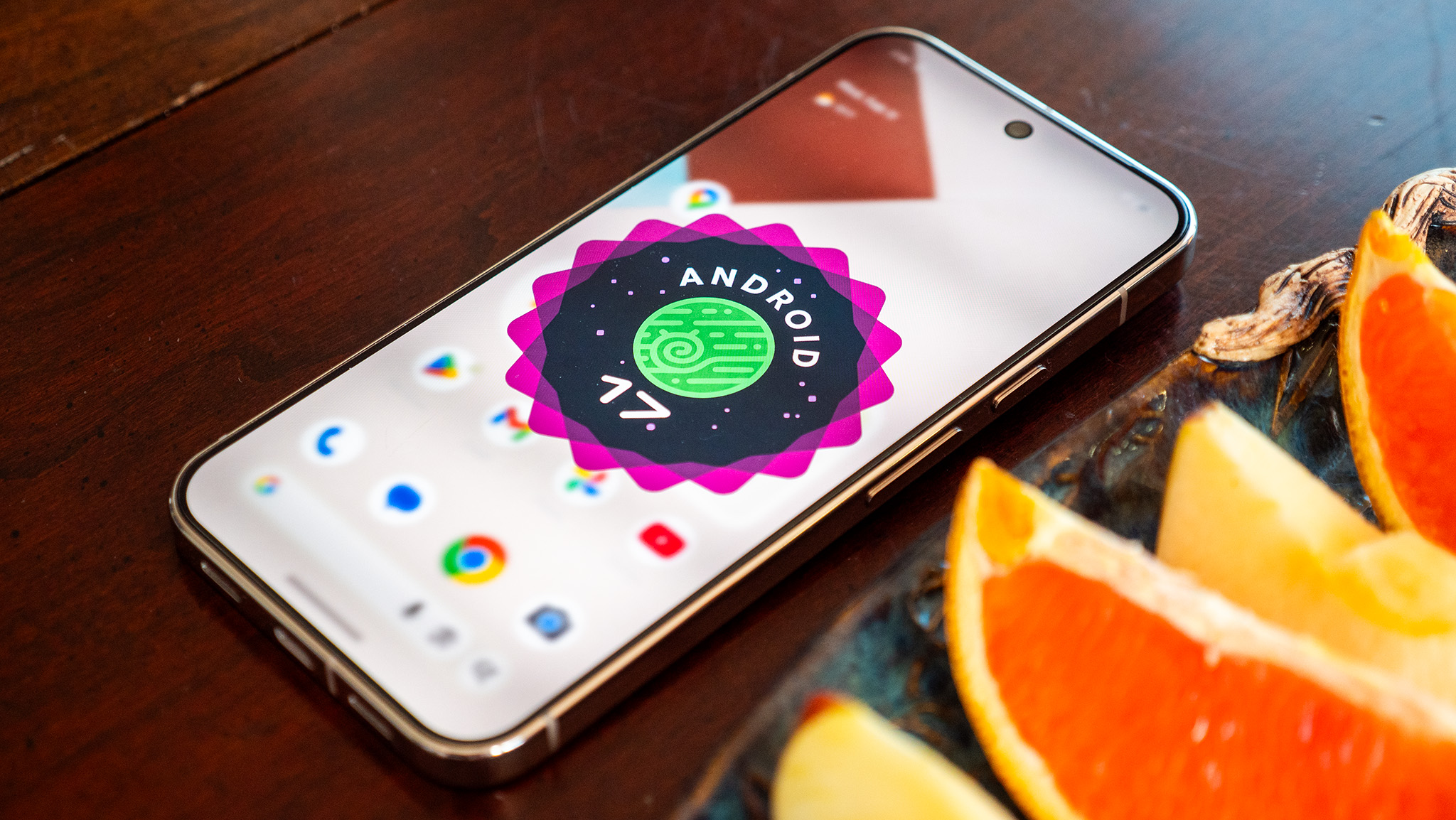
On the software front, the Pixel 11 Pro XL will launch with Android 17, Google’s latest operating system. The Pixel 10 Pro XL, having launched with Android 16, will be eligible for an upgrade to Android 17, ensuring its software longevity. Google is known for its consistent "Pixel Drop" updates, which deliver new features and improvements quarterly. While these updates are highly anticipated and provide continuous value, Google’s recent history has been marred by instances of "buggy updates" and "major problems," including lingering graphics issues and touchscreen complaints. This inconsistent quality control has, at times, cast a shadow over Google’s otherwise commendable software support. For the Pixel 11 Pro XL, ensuring a stable and reliable software experience from launch will be paramount to rebuilding user confidence.
Despite these occasional hiccups, Google generally excels at bringing new, exclusive features introduced on its latest hardware to older Pixel phones over time. This means that while Pixel 11 Pro XL users may enjoy certain AI-powered functionalities or Pixel Glow integrations exclusively at launch, Pixel 10 Pro XL users can typically expect to receive many of these innovations through subsequent Pixel Drop updates. This commitment to backward compatibility ensures that even a year-old Pixel remains a relevant and feature-rich device. The deeper integration of Gemini AI, Google’s advanced conversational AI, will undoubtedly be a central theme for both devices, with the Tensor G6 likely offering even faster and more nuanced on-device AI processing.
Market Dynamics and Consumer Choice: An Evolving Landscape
The decision between the Pixel 11 Pro XL and the Pixel 10 Pro XL in 2026 is heavily influenced by broader market trends, particularly the sustained rise in smartphone prices. As flagship devices push into higher price brackets, the value proposition of a slightly older, discounted flagship becomes increasingly attractive. Given the rumored incremental nature of the Pixel 11 Pro XL’s upgrades in design and display, coupled with significant internal performance and efficiency improvements, the Pixel 10 Pro XL presents a compelling case as a "best buy" for budget-conscious consumers.
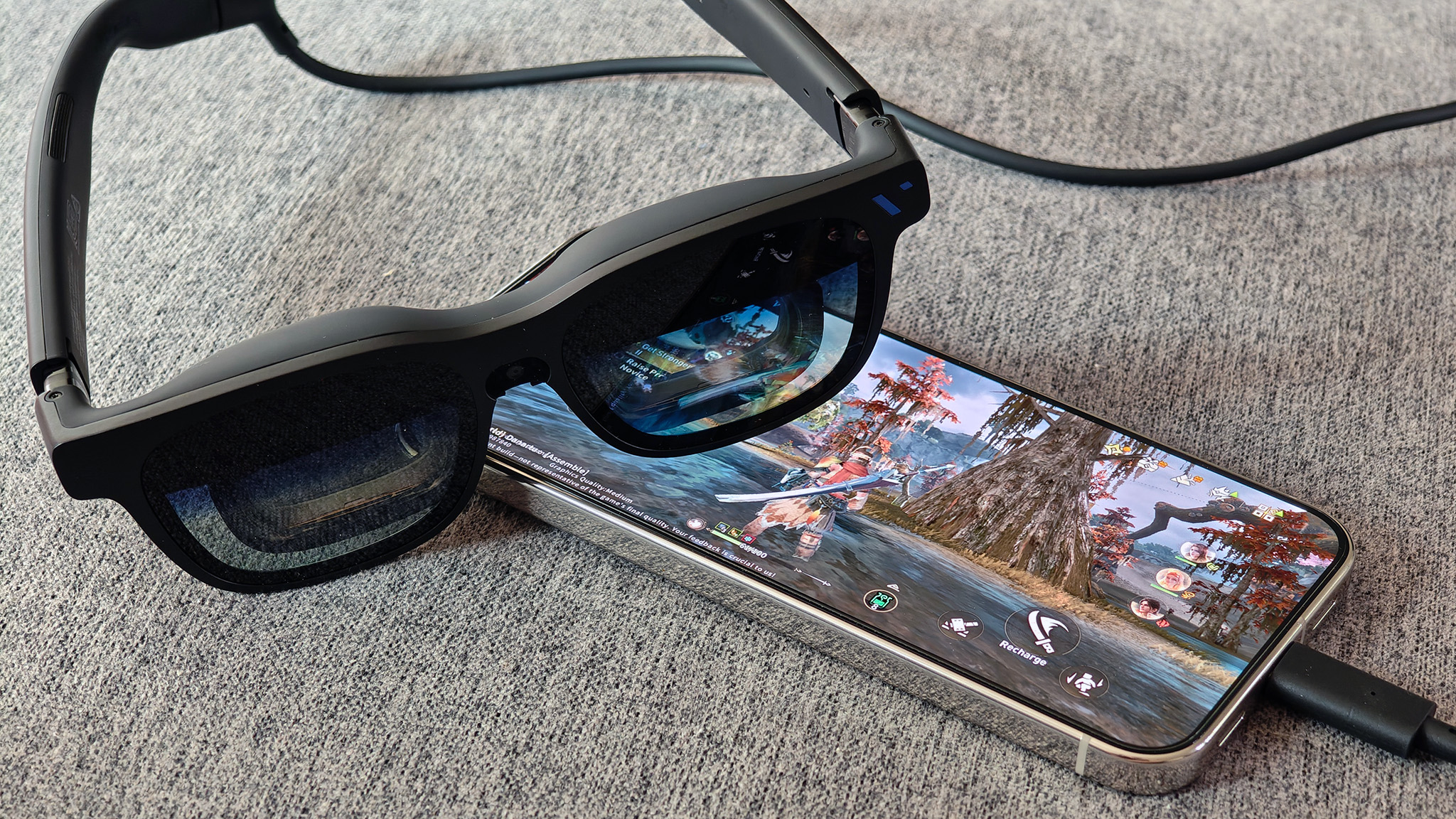
For users who prioritize having the absolute latest technology, the Pixel 11 Pro XL’s advancements in processing power (Tensor G6’s 2nm process), enhanced gaming GPU (Vulkan 1.4 compatible PowerVR), significantly improved power efficiency, larger battery, and the distinctive Pixel Glow feature will be strong motivators for an upgrade. These improvements cater to power users, mobile gamers, and those who demand the fastest AI processing capabilities.
However, for a substantial segment of the market, the Pixel 10 Pro XL still offers a premium experience that remains highly competitive. Its Tensor G5 processor is still robust, its camera system is excellent (despite past telephoto quirks), its display is top-tier, and its design is aesthetically current. The ability to save a significant amount of money by purchasing a year-old device, either new at a reduced price or second-hand, makes it an exceptionally strong contender. The fact that Google typically extends many software features to older models further sweetens the deal for the Pixel 10 Pro XL.
Conclusion: Navigating the Upgrade Path
The Google Pixel 11 Pro XL is poised to deliver a refined and more efficient Pixel experience, building upon the solid foundation of its predecessor. Its anticipated Tensor G6 processor, with its 2nm manufacturing process, promises not only a noticeable bump in performance but also a substantial leap in power efficiency, directly translating to improved battery life. The new PowerVR GPU with Vulkan 1.4 support will delight mobile gamers, while the innovative Pixel Glow LED system adds a unique aesthetic and functional dimension.
Yet, the Pixel 10 Pro XL remains a formidable device. It continues to offer a premium design, a brilliant display, a highly capable camera system (which Google will likely continue to refine via software updates), and the powerful Tensor G5 chip. In a year where smartphone prices are projected to continue their upward trajectory, the financial savings associated with purchasing the Pixel 10 Pro XL could make it the more sensible choice for many consumers.
Ultimately, the decision hinges on individual priorities. For those who demand the absolute cutting edge, who value every incremental gain in performance, efficiency, and who are eager to embrace new features like Pixel Glow, the Pixel 11 Pro XL will undoubtedly be the preferred choice. However, for the majority of users seeking a top-tier Android experience without the premium price tag, the Pixel 10 Pro XL, especially with potential deals and its continued software support, represents an exceptional value proposition. It offers a near-flagship experience that will remain relevant and powerful for years to come, proving that sometimes, last year’s best can still be this year’s smartest buy.