Why Ergonomics and Physical Handling Remain Critical for Wildlife Photography Success

Wildlife photography is widely recognized as one of the most demanding and competitive genres in the digital imaging landscape. While the industry has spent the last decade obsessed with the mantra that smaller is better—a transition largely fueled by the mirrorless camera revolution—professional wildlife photographers are increasingly finding that the push toward miniaturization has reached a point of diminishing returns. As sensor technology, burst rates, and autofocus sophistication continue to break new ground, the physical interaction between the photographer and their equipment has become the primary bottleneck for capturing fleeting, high-stakes moments in the field.
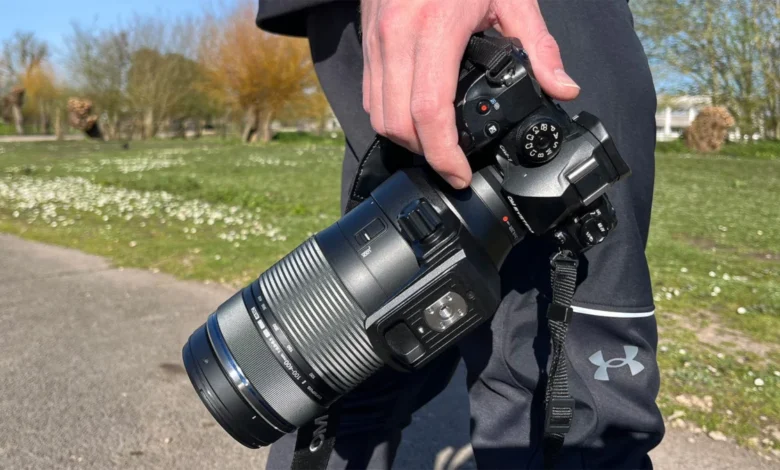
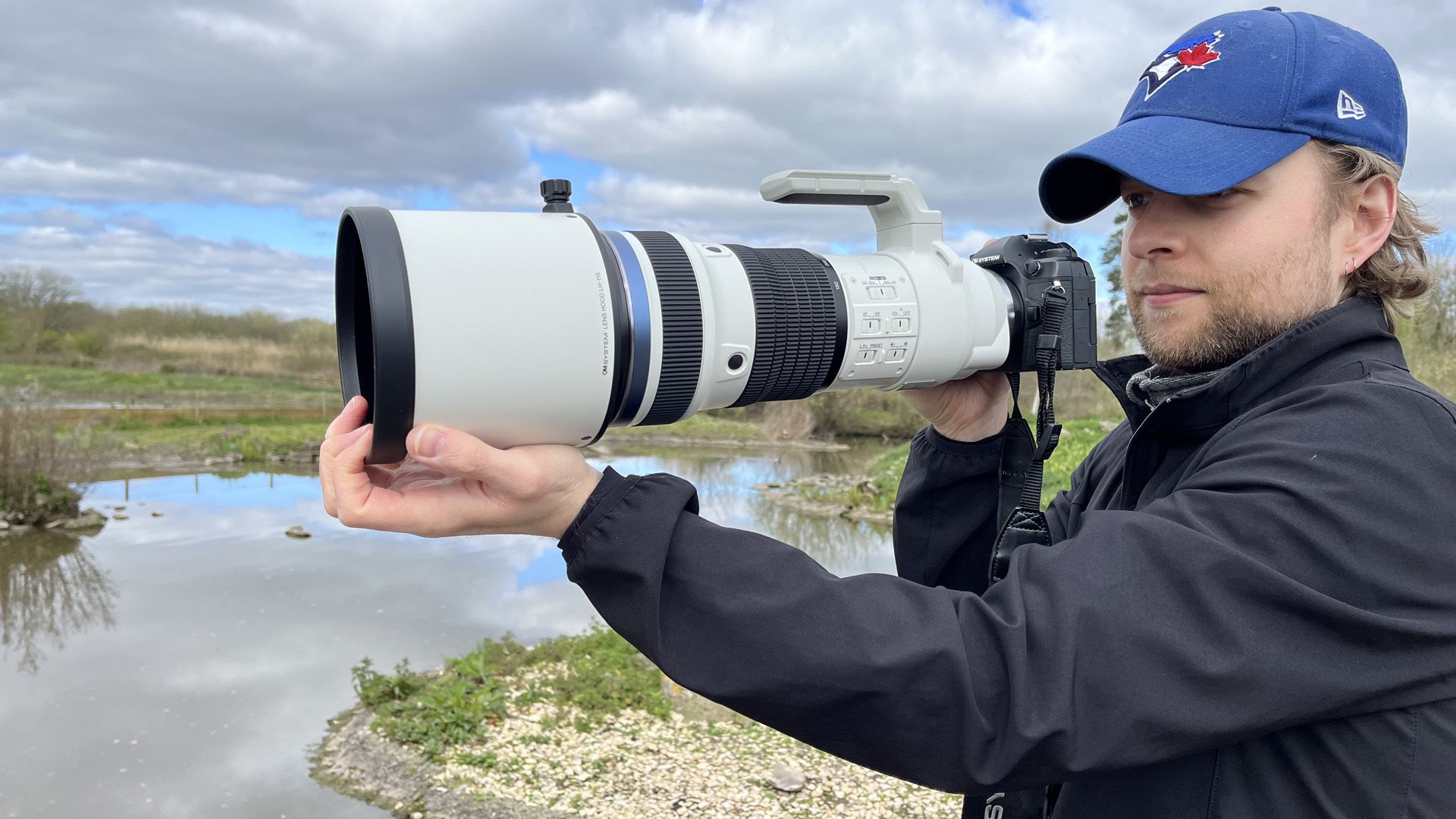
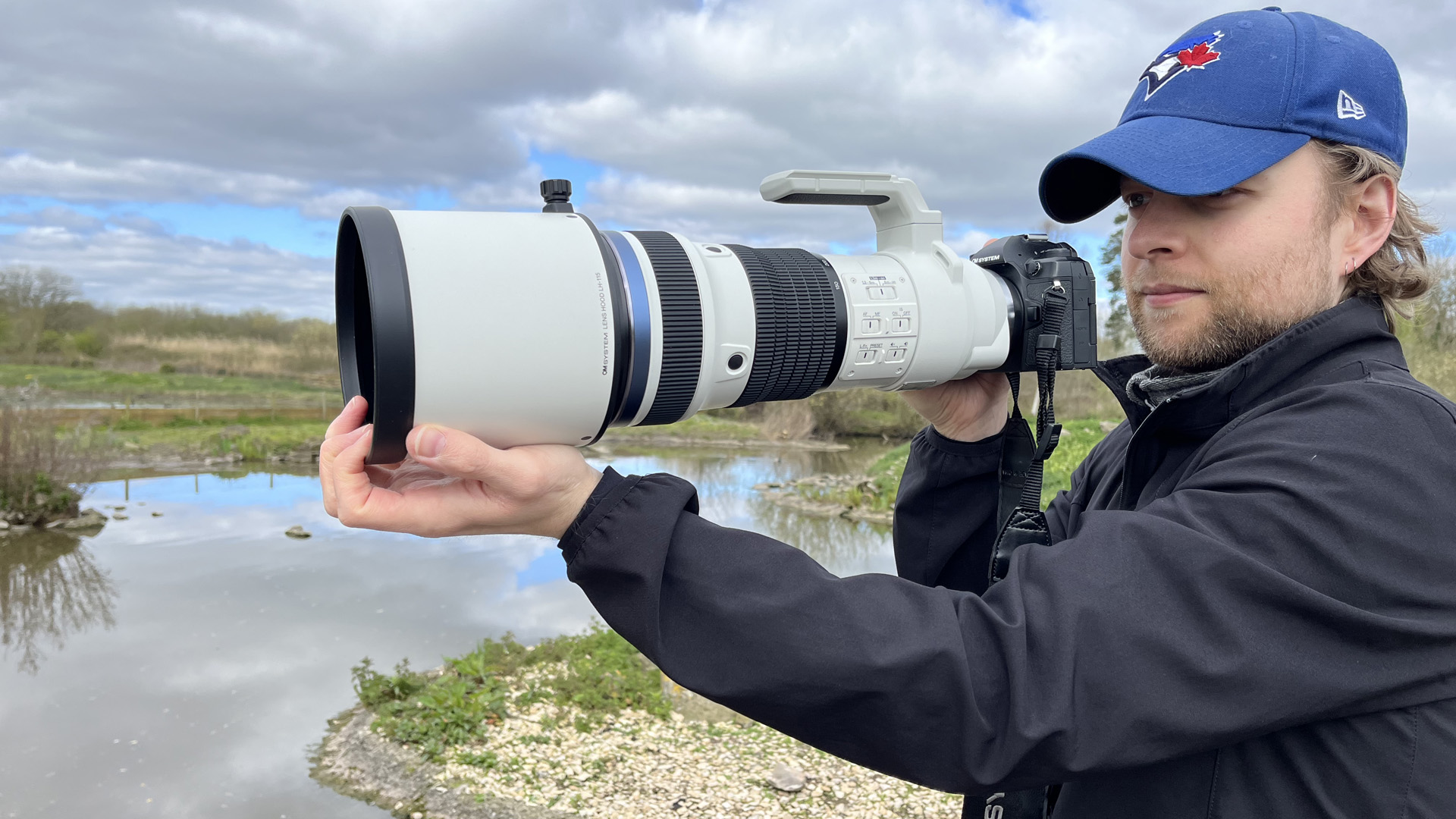
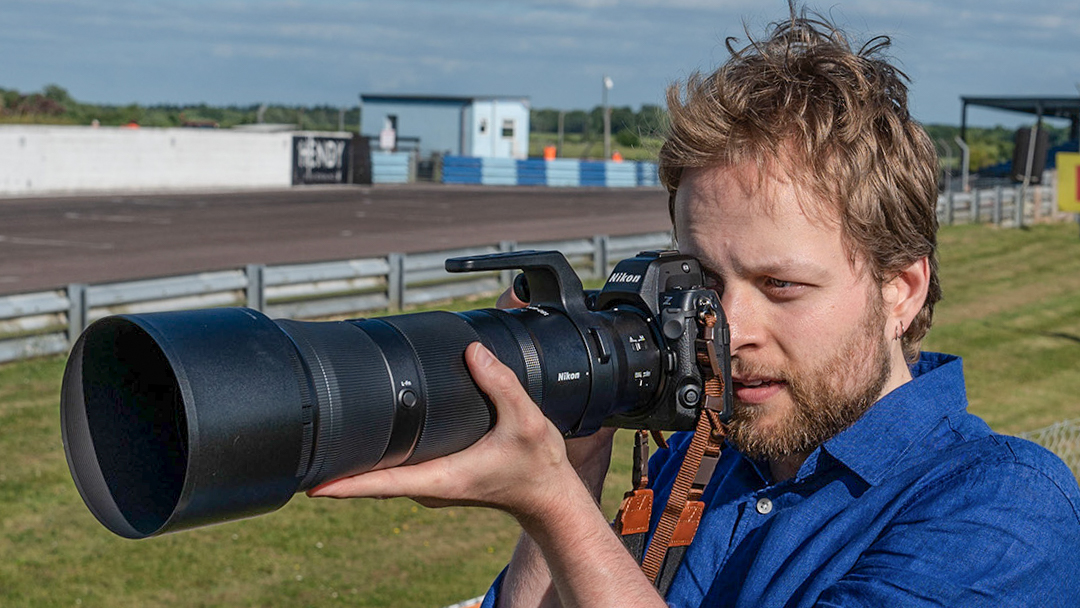
The core conflict in modern wildlife photography lies in the mismatch between high-performance, long-telephoto lenses and the increasingly compact bodies designed for street or travel photography. When a 600mm or 800mm prime lens is mounted onto a sub-compact camera body, the center of gravity shifts drastically toward the front. This top-heavy configuration creates significant strain on the photographer’s wrists and arms, reducing the stability required for handheld shooting and increasing fatigue during long sessions in the field.
The Evolution of Camera Design and Its Impact on Field Work
The shift toward compact mirrorless systems was initially driven by consumer demand for portability and a desire to move away from the bulkier DSLR systems of the early 2000s. However, the requirements of wildlife photography have remained anchored in traditional physics. Capturing a bird in flight or a predator in motion requires a camera that acts as a stable platform for heavy glass.
In the mid-2010s, the industry saw the rise of the "prosumer" mirrorless segment, where bodies were intentionally shrunk to appeal to vloggers and travel enthusiasts. Cameras such as the Panasonic Lumix S9 or the Fujifilm X-E series exemplify this trend, offering incredible image quality and high-speed processing in packages that weigh significantly less than their predecessors. While these cameras are engineering marvels for general photography, their application in wildlife settings often reveals a lack of physical purchase. A deep, sculpted grip is not merely an aesthetic choice; it is a functional necessity for maintaining a firm hold on a camera while tracking a subject through a viewfinder for extended periods.
Balancing Act: The Importance of Weight and Equilibrium
For professionals, the weight of the camera body serves a vital purpose: counterbalancing the long, front-heavy lenses necessitated by wildlife subjects. When a photographer uses a lens with a significant focal length, the weight distribution must be managed to allow for smooth panning and precise focusing.
Data from recent field tests suggest that photographers utilizing bodies with integrated vertical grips or larger, deeper chassis report higher success rates in tracking erratic subjects. This is attributed to two factors: better weight distribution and the placement of physical controls. When a camera body is too small, the buttons and dials are inevitably crowded, increasing the likelihood of accidental adjustments during the heat of the action. Conversely, larger bodies, such as the Nikon Z9 or the Canon EOS R1, utilize their surface area to provide dedicated, tactile controls for ISO, shutter speed, and aperture, allowing the photographer to make adjustments by feel without ever taking their eye away from the viewfinder.
Chronology of the Shift: From DSLR to Mirrorless Maturity
The transition to mirrorless was initially met with skepticism from the wildlife community, who feared that the loss of optical viewfinders and the reduction in body size would compromise performance.
- 2018-2020: The early mirrorless phase saw manufacturers focusing heavily on weight reduction. Many wildlife photographers found these early models difficult to use with professional "super-telephoto" glass, often requiring external battery grips just to make the cameras feel usable.
- 2021-2023: A pivot occurred as camera manufacturers recognized the specific needs of the wildlife and sports segments. The introduction of cameras like the OM System OM-1 and the Nikon Z8 marked a return to "purpose-built" ergonomics—cameras that retained the technological advantages of mirrorless systems while reintroducing the robust, grippy form factors that professionals demanded.
- 2024 and Beyond: The current landscape represents a maturity phase. Manufacturers are now segmenting their product lines more clearly: ultra-compact models for the lifestyle market and heavy-duty, ergonomically-optimized bodies for the professional and serious enthusiast wildlife market.
Technical Requirements for Modern Wildlife Setups
A professional wildlife setup must address several non-negotiable criteria. First, the balance point of the lens-camera combination must remain close to the user’s hands. Second, the button layout must be customizable. In wildlife photography, the "back-button focus" technique and the ability to toggle between subject-detection modes are essential. If these functions are buried in a menu system—a common issue in smaller cameras—the opportunity to capture a shot is often lost.
Furthermore, the integration of weather sealing and robust build materials, such as magnesium alloy, is more feasible in larger, thicker chassis. These components are essential for photographers working in extreme environments, from tropical wetlands to freezing arctic tundras. The internal space within these larger bodies also allows for larger batteries, which are critical when shooting in cold conditions where power efficiency drops.
Analysis of Current Market Implications
The divergence in camera design has created a clear divide in the photography market. Enthusiasts who prioritize travel and versatility are well-served by the current trend toward smaller sensors and bodies. However, those dedicated to wildlife, birding, and sports photography are finding that the "flagship" models—the ones that prioritize size and weight for the sake of ergonomics—remain the gold standard.
Industry experts note that as sensor resolution continues to climb, the demand for stable, shake-free capture is increasing. Micro-vibrations, which are negligible on wide-angle shots, become glaringly obvious at 600mm. A camera that fits the hand perfectly and absorbs some of the vibration through its own mass is objectively superior for this use case. Consequently, the trend of the last few years has seen a "re-bulking" of high-end camera bodies, which now feature more pronounced grips and better-spaced buttons, effectively correcting the ergonomic deficiencies of the early mirrorless era.
The Role of Customization in Field Performance
Beyond the physical shell, the software architecture of modern wildlife cameras is increasingly designed to complement the hardware. Custom function buttons (Fn buttons) placed strategically around the lens mount and the shutter button allow photographers to switch between subject-detection modes (e.g., Eye-AF for birds vs. mammals) instantly.
This level of customization, combined with the physical ergonomics of larger, well-balanced bodies, transforms the camera from a mere recording device into an extension of the photographer’s intent. For the wildlife professional, the camera is not just a tool for capturing light; it is a piece of equipment that must endure long hours of observation, immediate reactions to rapid movement, and the physical rigors of the outdoors.
Conclusion: Finding the Right Tool for the Subject
While the allure of a small, lightweight camera is undeniable for the casual shooter, the specific requirements of wildlife photography necessitate a return to substance over size. The most effective setups for this genre remain those that prioritize a deep grip, a balanced weight distribution that complements long telephoto lenses, and a layout that allows for rapid, blind operation of critical settings.
As the technology continues to advance, the industry appears to be settling into a realization that there is no "one size fits all." For the wildlife photographer, the "best" camera is not the smallest or the lightest, but the one that offers the most consistent, ergonomic, and reliable interface between the photographer’s vision and the natural world. By understanding these physical constraints, photographers can make more informed decisions, moving away from the marketing hype of miniaturization and toward the practical utility required to succeed in the field.