Apple Releases watchOS 27.2 and visionOS 27.2: Major Siri AI Upgrades and Apple Music Rebrand Lead the Latest Software Deployments

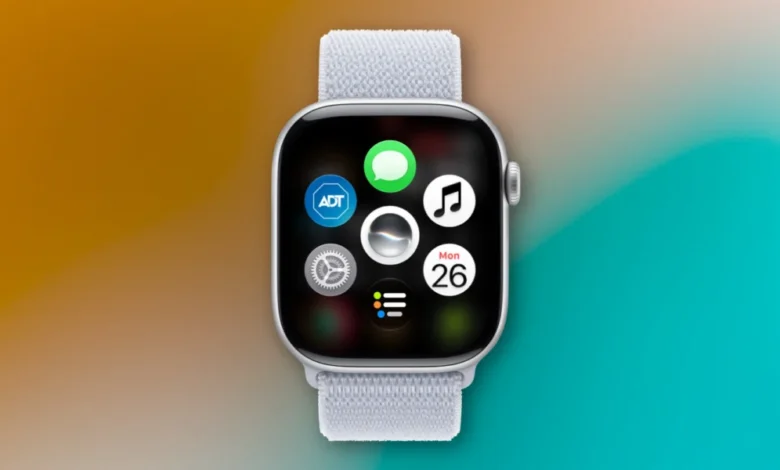
Apple has officially commenced the global rollout of watchOS 27.2 for compatible Apple Watch models, arriving concurrently with visionOS 27.2 for the Apple Vision Pro and a broader suite of ecosystem updates. This minor-version update carries substantial functional enhancements, headlined by significant expansions to Apple’s on-device and cloud-integrated Siri artificial intelligence framework. Alongside the AI capability extensions, the update introduces a comprehensive aesthetic overhaul for the Apple Music application, aligning watchOS and visionOS with Apple’s newly unveiled corporate design language and branding identity for its premier audio streaming platform.
The release of watchOS 27.2 follows a standard post-major-release development cycle, arriving roughly two months after the initial deployment of the watchOS 27 platform. Users seeking to update their devices must first ensure their paired iPhone has been successfully upgraded to iOS 27.2. Once the host device is running the corresponding software version, the watchOS update can be initiated directly through the dedicated Watch application on iOS by navigating to General, followed by Software Update. Industry analysts recommend ensuring the Apple Watch is placed on its magnetic charger and maintains a minimum battery charge of fifty percent to prevent interruptions during the installation process.
Expanding Siri AI Capabilities Across Global Markets
The most consequential addition in watchOS 27.2 is the functional upgrade and linguistic expansion of Siri AI. When Apple initially launched the watchOS 27 platform, advanced Siri artificial intelligence features were restricted exclusively to United States English. This limitation constrained the utility of the voice assistant’s more complex contextual awareness, predictive computing, and generative capabilities for international consumer bases.
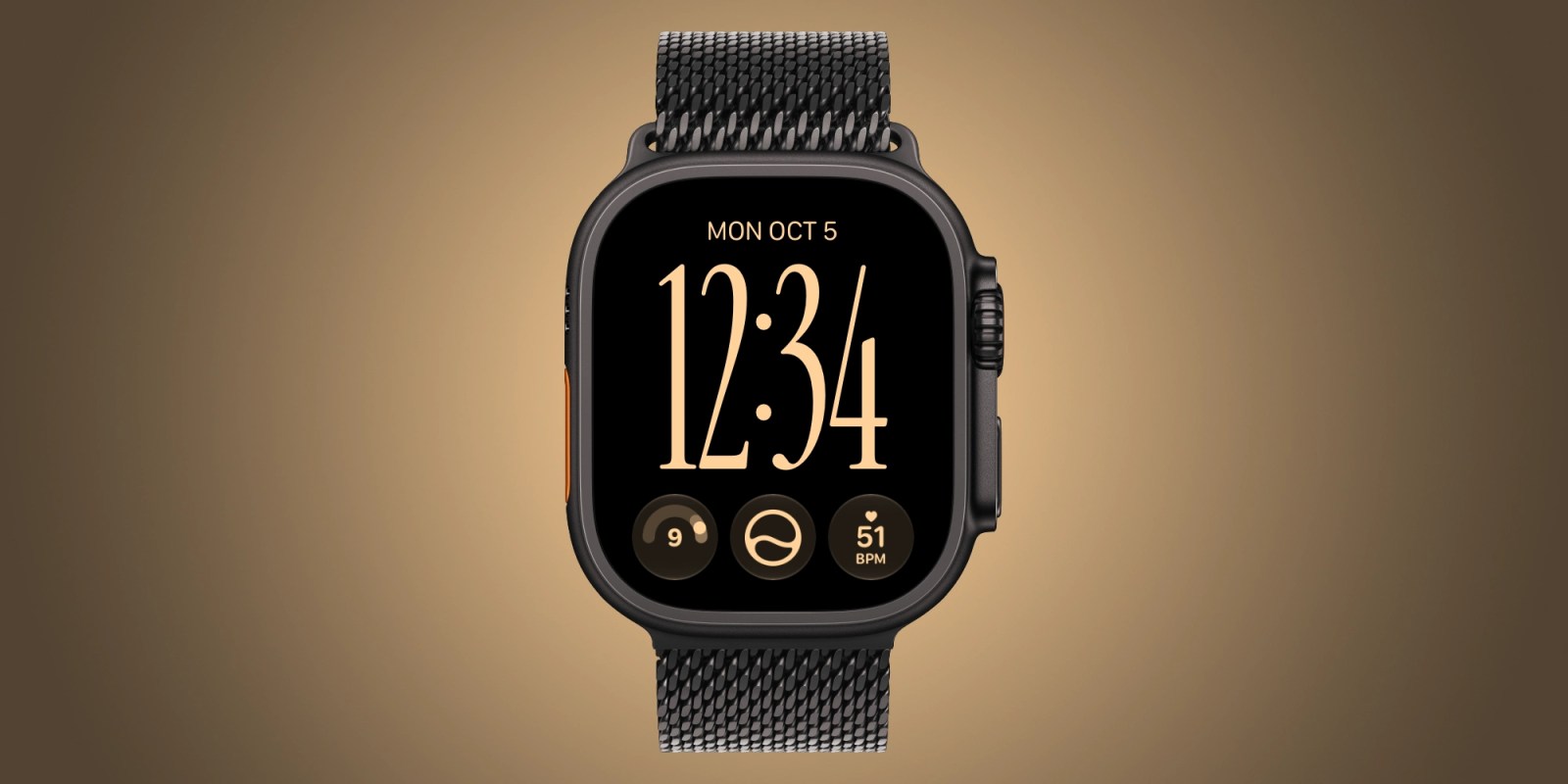
With the deployment of watchOS 27.2 and the corresponding visionOS 27.2 update, Apple has formally broadened the linguistic scope of its proprietary AI architecture. While the foundational framework debuted with localized limitations, this software iteration marks a critical milestone in bringing advanced voice-activated intelligence to a wider international audience. The expansion addresses persistent consumer demand for localized natural language processing, enabling users in designated regions to interact with their wearable devices using native phrasing, regional idioms, and localized dialects without encountering comprehension bottlenecks.
From a technical perspective, integrating complex AI models onto constrained hardware architectures like the Apple Watch requires a delicate balance between local processing power and cloud-based computation. The expansion of supported languages indicates that Apple’s engineering teams have successfully optimized their server-side large language models (LLMs) and on-device neural engine allocations to handle the specific phonetic and grammatical nuances of the newly included languages. Industry experts note that this rollout is a critical step in Apple’s broader strategy to democratize its proprietary AI tools across its entire hardware ecosystem, ensuring parity between iOS, iPadOS, macOS, and the wearable product line.
Apple Music Visual Rebrand Hits Wearables and Spatial Computing
Beyond under-the-hood artificial intelligence improvements, watchOS 27.2 and visionOS 27.2 introduce a striking visual departure for one of Apple’s most prominent native applications. Following a corporate rebrand unveiled by Apple earlier in the month—highlighting a new design philosophy centered around sound-inspired visual motifs—the Apple Music application has received a comprehensive stylistic overhaul.
For years, the Apple Music icon has been instantly recognizable by its vibrant, gradient-heavy red aesthetic. However, the latest update completely replaces this traditional imagery. The iconic red background has been dropped in favor of a stark, minimalist black-and-white visual identity. This change is not merely skin-deep; the broader user interface within the watchOS and visionOS Apple Music apps has transitioned toward a more restrained, monochrome design language.
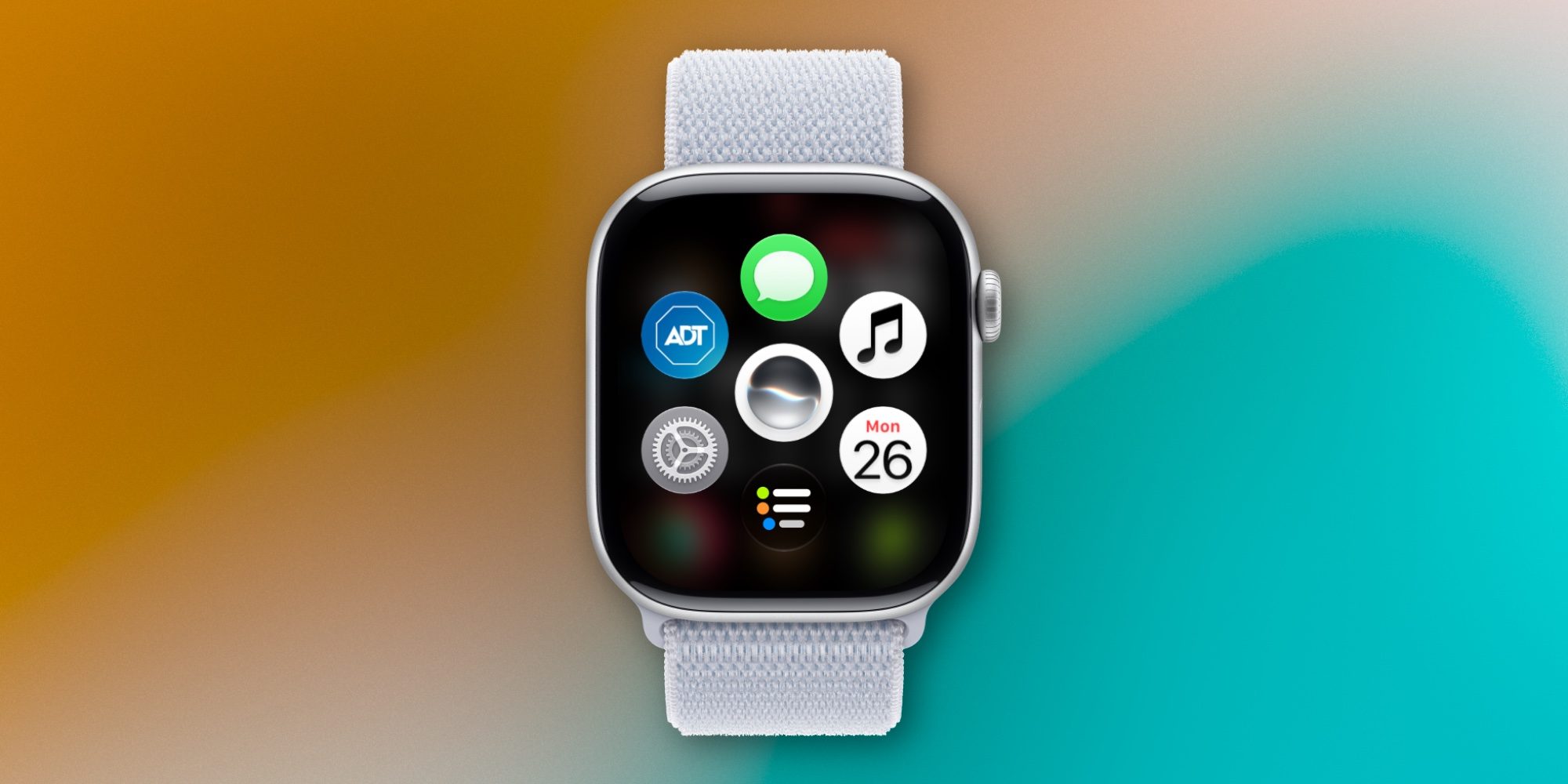
The stylistic shift has elicited mixed reactions from early adopters across digital forums and developer communities. Proponents of the redesign praise the cleaner, high-contrast interface, noting that monochrome elements improve legibility on small wearable displays, particularly in direct sunlight or low-light conditions. Conversely, traditionalists who appreciated the warm, vibrant color palette of the legacy application have expressed nostalgia for the older aesthetic. Despite these stylistic debates, the transition underscores Apple’s institutional push toward unified design standards across all form factors, seamlessly bridging the gap between traditional wrist-worn devices and spatial computing environments.
Cross-Platform Synergy: The Ecosystem Approach
The simultaneous release of watchOS 27.2 and visionOS 27.2 highlights Apple’s ongoing commitment to cross-platform synchronization. By bundling similar core features—specifically the Siri AI language expansion and the Apple Music rebrand—across distinct operating systems, Apple reinforces the cohesive nature of its hardware and software ecosystem.
The Apple Vision Pro, in particular, benefits significantly from these incremental updates. As spatial computing continues to carve out a distinct market niche, ensuring that the visionOS platform receives feature parity with established operating systems like watchOS and iOS is vital for maintaining user retention and software consistency. While users of the spatial headset did not receive functional additions beyond the updated Siri languages and the refreshed Music icon, the update demonstrates Apple’s rigorous maintenance schedule for its nascent spatial operating system.
Implications and Market Reception

The deployment of watchOS 27.2 arrives at a critical juncture for the wearable technology sector. As competitors increasingly integrate generative artificial intelligence and health-monitoring algorithms into their hardware, Apple’s focus on refining Siri’s contextual capabilities and expanding its geographic reach remains a cornerstone of its competitive advantage.
By addressing the initial linguistic limitations of its AI suite, Apple positions the Apple Watch not merely as a fitness tracker or notification relay, but as a proactive, intelligent personal assistant. The ability to execute complex, natural-language voice commands natively on the wrist or via a paired iPhone significantly reduces friction in daily user interactions.
Market observers suggest that while minor point releases such as watchOS 27.2 rarely drive hardware sales independently, they play an essential role in consumer satisfaction and ecosystem loyalty. Ensuring that software platforms remain stable, secure, and visually modern validates the premium pricing associated with Apple hardware. As users continue to install watchOS 27.2 and visionOS 27.2, attention will inevitably shift toward the upcoming spring development cycle, where industry watchers anticipate further refinements to Apple’s growing portfolio of artificial intelligence services.