Ukrainian Group Claims Cyberattack on Russian Air Defense Led to Su-57 Stealth Fighter Crash Near Moscow

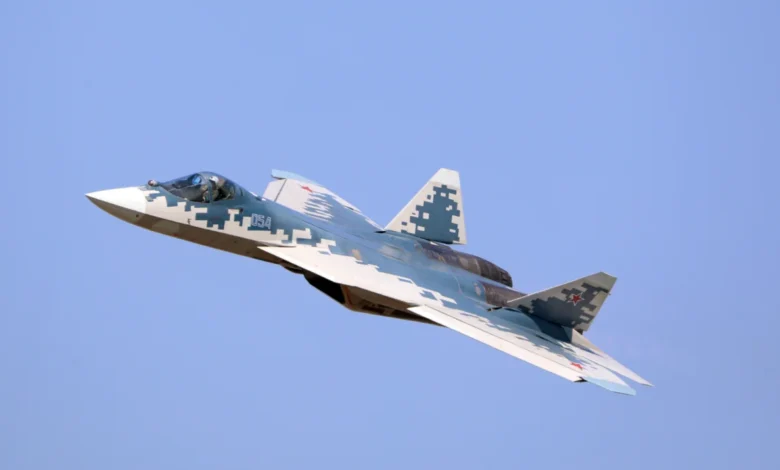
A highly advanced Russian Su-57 stealth fighter jet reportedly crashed during a routine training mission near Moscow on Thursday, an incident Russian state media attributed to a technical malfunction. However, a prominent pro-Ukraine volunteer intelligence collective, InformNapalm, has put forth a dramatic counter-narrative, asserting that a sophisticated cyberattack on a Russian BARS drone defense system facilitated the downing of the cutting-edge aircraft. This claim, if substantiated, would mark a significant escalation in the ongoing hybrid warfare between the two nations, blending conventional military operations with advanced cyber sabotage. The pilot of the crashed jet reportedly ejected safely, and the wreckage impacted an uninhabited area, mitigating potential civilian casualties. Nonetheless, the conflicting accounts highlight the dense fog of war and the strategic importance of information control in modern conflicts.
The Incident: Conflicting Narratives Emerge
According to initial reports from Russian state media, including TASS, the Su-57, Russia’s fifth-generation multirole fighter, experienced a "technical malfunction" during a training flight in the Moscow region. The incident, characterized by Russian authorities as an unfortunate accident, involved the pilot successfully ejecting before the aircraft plummeted to the ground. Such incidents, while regrettable, are not entirely uncommon in military aviation, particularly during developmental or training phases of complex platforms. The immediate official response aimed to frame the event as an internal operational mishap, devoid of external interference.
However, almost concurrently, InformNapalm, a well-known Ukrainian open-source intelligence (OSINT) group with a track record of publishing detailed information regarding Russian military activities, presented a vastly different explanation. Via their social media channels, InformNapalm declared that the Su-57 was "shot down" not by enemy fire, but by Russia’s own BARS Moscow air defense system. The group alleged that this catastrophic friendly-fire incident was a direct consequence of a successful Ukrainian cyber operation that compromised the BARS system, effectively turning Russia’s own anti-drone shield against its most advanced fighter jet.
A Deeper Look: The Su-57 and Its Strategic Value
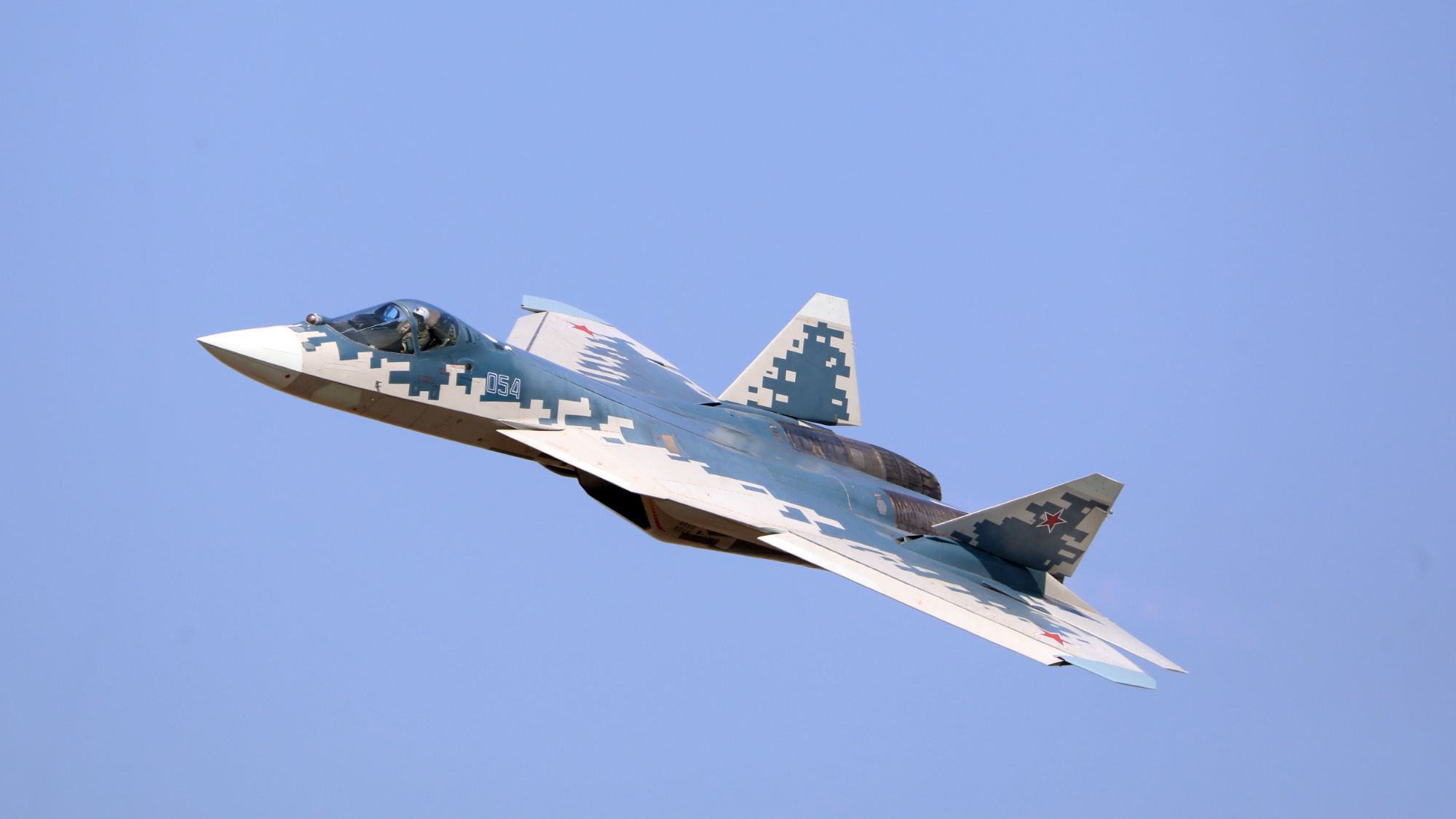
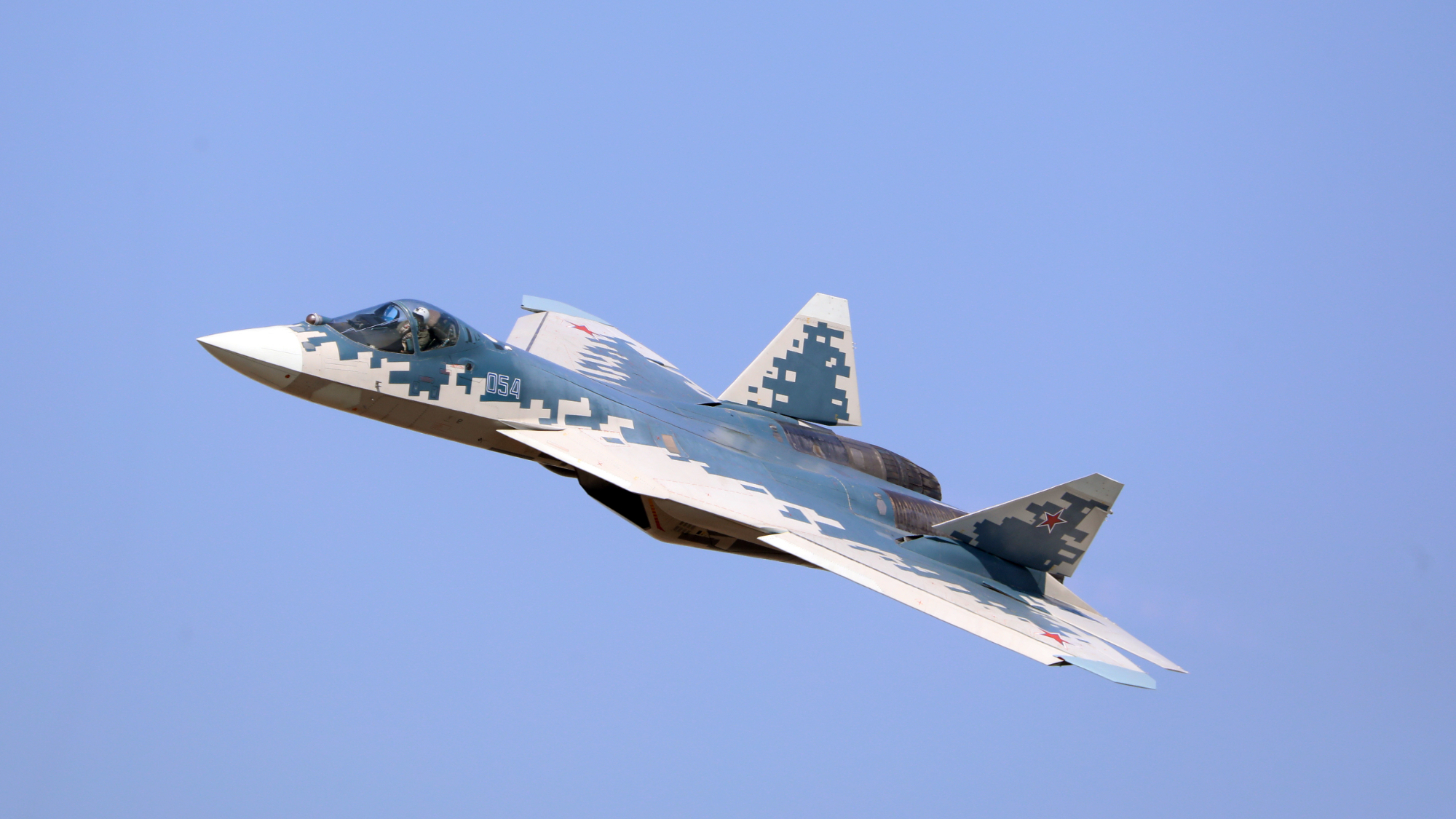
The Sukhoi Su-57, NATO reporting name "Felon," represents the pinnacle of Russian aerospace engineering. Designed as a fifth-generation stealth fighter, it is intended to compete with Western counterparts such as the American F-22 Raptor and F-35 Lightning II. Its key features include stealth capabilities, supercruise, advanced avionics, and an internal weapons bay. The aircraft is designed for air-to-air, air-to-surface, and electronic warfare missions, offering a potent combination of agility and firepower.
Despite its advanced design, the Su-57 program has faced numerous delays and production challenges. Russia is believed to possess only a handful of these operational aircraft, with estimates varying but generally placing the number in the low dozens. This limited inventory makes each loss particularly significant, not just in terms of material cost—estimated to be tens of millions of dollars per unit—but also in terms of strategic capability and national prestige. The aircraft’s ability to carry sophisticated weaponry, such as the Kh-59 and Kh-69 missiles, further underscores its importance in Russia’s military doctrine, particularly in long-range precision strike capabilities.
For Ukraine, targeting the Su-57 has been a high priority. Previous claims of successful strikes against Su-57s have surfaced, including allegations of damage to aircraft on the ground at Akhtubinsk airfield in 2024 and at Shagol airfield in May of the current year. These previous incidents, if confirmed, would represent direct physical attacks. The latest claim, however, posits a more insidious and technologically sophisticated method of neutralization—cyber sabotage leading to an internal system failure.
The BARS Air Defense System and the Cyber Front
The BARS (Bortovaya Avtomaticheskaya Radiotekhnicheskaya Sistema – Airborne Automatic Radio-Technical System) or a related ground-based air defense network around Moscow, is part of Russia’s layered air defense strategy. These systems are designed to detect, track, and engage aerial threats, ranging from conventional aircraft to drones and cruise missiles. In the context of the ongoing conflict, Russia has significantly bolstered its air defenses, particularly around critical infrastructure and strategic locations like Moscow, to counter the increasing frequency and sophistication of Ukrainian long-range drone attacks. The BARS Moscow unit, specifically mentioned by InformNapalm, would be a crucial component in this defensive perimeter.
The vulnerability of such complex, networked systems to cyber intrusion is a growing concern for militaries worldwide. Modern air defense systems rely heavily on interconnected digital components for command and control, sensor data processing, target acquisition, and weapon activation. A successful cyberattack could disrupt these processes, inject false data, disable critical functions, or, as alleged by InformNapalm, manipulate the system into misidentifying and engaging friendly assets.
InformNapalm’s claim points to a "combined cognitive and cyber influence operation" affecting the BARS Moscow air defense unit. This suggests a multi-faceted approach, where traditional cyber intrusion (CYBINT) to gain access and control is potentially amplified by human intelligence (HUMINT) gathering to understand system vulnerabilities and operational procedures, and psychological operations (cognitive influence) to sow confusion or manipulate decision-making within the target system’s operators.
InformNapalm’s Claims and Evidence
InformNapalm, a collective of open-source intelligence experts and activists, has gained prominence since 2014 for its detailed reports on Russian military involvement in Ukraine and other regions. The group often leverages publicly available data, social media analysis, and alleged leaks to compile their intelligence briefs. Their current claim regarding the Su-57 crash is particularly audacious.
The group detailed a sequence of events:
- Prior Intelligence Gathering: InformNapalm asserts that it shared "secret documents from the Russian manufacturer of components for this aircraft’s systems" last year. These documents, allegedly acquired through combined HUMINT and CYBINT operations backed by Ukrainian intelligence services, would have provided invaluable insights into the Su-57’s design, vulnerabilities, and the broader integration of Russian defense systems. Access to such proprietary information could be critical for planning sophisticated cyberattacks.
- Cyber and Cognitive Operation: Building on this intelligence, Ukrainian "cyber specialists" reportedly mounted a "combined cognitive and cyber influence operation." This suggests a deliberate effort to not only compromise the BARS system digitally but also potentially manipulate the perceptions or operational decisions of the personnel manning the system. Such an operation could involve anything from planting misleading data within the system’s interface to exploiting human error through social engineering.
- Resulting Friendly Fire: The alleged outcome was that the BARS Moscow air defense unit, compromised and potentially confused, incorrectly identified the Su-57 stealth fighter—an aircraft designed to be invisible to radar—as a hostile target and engaged it. This would represent an unprecedented level of success for a cyber operation leading directly to the destruction of a high-value military asset.
To lend credence to their claims, InformNapalm shared what they described as "less sensitive but still relevant evidence of espionage." This included a video, embedded in their social media post, purportedly showing footage from a training range where Russia’s BARS Moscow crews were undergoing training to counter Ukraine’s long-range drones. Additionally, they provided an excerpt from an intelligence brief, reportedly mentioning Russian hardware, software, combat algorithms, and system vulnerabilities. While these pieces of evidence do not directly prove the cyberattack led to the Su-57 crash, they are presented as indicators of InformNapalm’s deep access to information regarding Russian air defense operations and their technical intricacies.
The Broader Context of Cyber Warfare in the Conflict
The conflict between Russia and Ukraine has been characterized as a proving ground for modern hybrid warfare, where conventional military actions are intertwined with information warfare, economic sanctions, and extensive cyber operations. Both sides have actively engaged in cyber espionage, sabotage, and propaganda.
Russia has a well-documented history of sophisticated cyber capabilities, often attributed to state-sponsored groups. Prior to and during the full-scale invasion, Ukraine’s critical infrastructure, government agencies, and military networks have been subjected to numerous Russian cyberattacks, including wiper malware, DDoS attacks, and attempts to disrupt energy grids.
Conversely, Ukrainian cyber resistance has been robust, supported by a growing community of volunteer hackers and international allies. Groups like InformNapalm, as well as official Ukrainian cyber units, have claimed responsibility for various cyberattacks against Russian targets, ranging from disrupting government websites and leaking sensitive data to allegedly affecting military systems. If the Su-57 incident is confirmed as a result of a cyberattack, it would represent a significant qualitative leap in Ukraine’s offensive cyber capabilities, moving from data exfiltration and disruption to direct kinetic effects on high-value military assets.
Official Russian Response and Verification Challenges
The official Russian narrative steadfastly maintains that the Su-57 crash was due to a "technical malfunction." This response is consistent with a desire to control the information space, avoid admitting vulnerability to enemy cyber operations, and maintain military morale and the perception of technical superiority. Admitting that one’s most advanced fighter jet was shot down by one’s own air defense system due to enemy cyber interference would be a significant blow to Russia’s military image and confidence in its command and control systems.
Verifying InformNapalm’s claims, like many in the realm of cyber warfare, presents significant challenges. The nature of cyber operations means that definitive proof is often difficult to obtain and rarely released publicly by the involved parties. Ukraine has a strategic interest in amplifying such claims to demonstrate its capabilities, demoralize the enemy, and garner international support. Russia, conversely, has every incentive to deny them.
Independent verification would require access to forensic data from the crashed aircraft, logs from the BARS air defense system, and potentially intercepted communications—information that is highly classified and unlikely to become public. Therefore, the international community and military analysts are left to weigh the credibility of conflicting claims, considering the track records of the sources and the plausibility of the technical allegations.
Implications for Military Strategy and Cyber Security
If InformNapalm’s claims are true, the implications are profound:
- Vulnerability of Advanced Systems: It would demonstrate that even the most advanced military hardware, designed for stealth and operational superiority, remains vulnerable to sophisticated cyberattacks that can manipulate interconnected defense networks. This challenges the traditional reliance on physical security and highlights the critical importance of cyber resilience in modern warfare.
- Escalation of Cyber Warfare: The incident would mark a new frontier in cyber warfare, where digital intrusions directly lead to the destruction of kinetic assets, blurring the lines between cyber and conventional conflict.
- Information Warfare Victory: For Ukraine, a confirmed cyber-induced friendly fire incident against a Su-57 would be a significant psychological and propaganda victory, showcasing ingenuity and asymmetric capabilities against a technologically superior adversary.
- Review of Russian Defenses: Russia would be compelled to undertake an urgent and comprehensive review of its air defense network’s cyber security, its command and control protocols, and the integration of its advanced aircraft with ground-based systems. This could lead to costly and time-consuming upgrades, potentially affecting operational readiness.
- Impact on Global Military Doctrine: Other nations would undoubtedly study this event, prompting a reevaluation of their own cyber defenses, especially concerning integrated air defense systems and the protection of high-value platforms from digital sabotage.
The alleged downing of a Russian Su-57 by its own compromised air defense system, if confirmed, would represent a watershed moment in military history, underscoring the ever-increasing role of cyber warfare in shaping battlefield outcomes. While official confirmation remains elusive, the claims by InformNapalm serve as a stark reminder that in the 21st century, the front lines of conflict extend far beyond traditional battlefields, deep into the digital infrastructure that underpins modern military power. The world watches closely, awaiting further details that may shed light on whether this incident was indeed an accident, or a meticulously executed act of digital sabotage with far-reaching strategic consequences.