Arkane union says closing the studio “would probably be more expensive” for Xbox than simply finishing Marvel’s Blade

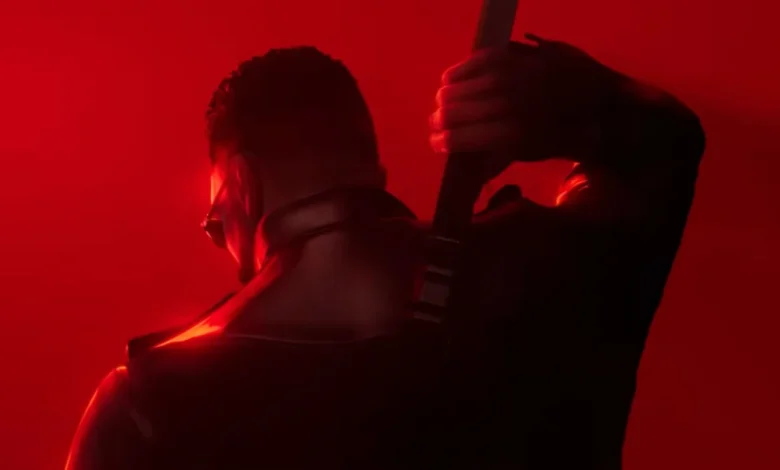
The future of Arkane Lyon, the celebrated developer behind the critically acclaimed Dishonored series and Deathloop, remains in a state of precarious uncertainty as a major labor union challenges the economic justifications provided by parent company Microsoft. In a pointed critique, the Syndicat des Travailleurs et Travailleuses du Jeu Vidéo (STJV), the French union representing the studio’s workforce, has alleged that the proposed closure of the studio is a result of "inhuman logic" that prioritizes short-term financial optics over the long-term viability of high-profile projects like the upcoming Marvel’s Blade.
The escalating dispute highlights a growing friction between the creative imperatives of established game studios and the consolidation-driven mandates of large-scale technology conglomerates. As Microsoft continues to streamline its gaming division following its $69 billion acquisition of Activision Blizzard, the ripple effects are being felt across its entire portfolio of first-party studios.
A Chronology of Instability
The tension surrounding Arkane Lyon is not an isolated incident but rather the latest chapter in a series of sweeping operational changes within the Xbox Game Studios ecosystem. The timeline of recent events provides critical context for the current standoff:
- Late 2023: Microsoft formally integrates its massive acquisitions, initiating a comprehensive review of its internal studio structure.
- Early 2024: Reports emerge of widespread hiring freezes across several Bethesda-affiliated studios, including Arkane Lyon, which sources claim hindered project timelines and inflated operational budgets.
- May 2024: Xbox announces significant layoffs and the closure of several prominent studios, sparking industry-wide concern regarding the stability of its creative teams.
- June 2024: Following intense public and internal scrutiny, Microsoft extends the consultation period for Arkane Lyon until December, effectively providing a window for potential acquisition bids by third parties.
- Current Status: Arkane Lyon staff remain in a state of limbo, with the STJV actively lobbying for employee input in the sale process and seeking substantial redundancy guarantees should the studio be liquidated.
The Financial Argument: Cost of Closure vs. Completion
The crux of the STJV’s argument rests on the assertion that Microsoft’s decision is fundamentally irrational from a capital expenditure perspective. According to the union, the development of Marvel’s Blade—a project that has generated significant anticipation since its announcement—is progressing smoothly and adheres to the high quality-control standards associated with the Arkane brand.
The union contends that the sunk costs already invested in the project, coupled with the immense financial burden of dissolving a veteran studio, would exceed the cost of simply completing and publishing the game. By characterizing the potential closure as a "sabotage" of a funded asset, the STJV suggests that Microsoft’s internal metrics have become detached from the reality of game development, favoring the immediate removal of overhead costs over the potential revenue stream of a high-profile Marvel licensed title.
"Microsoft now uses those same delays and additional costs—caused by their own year-long hiring freeze—as a reason to close the studio," the STJV stated in a public release. "Closing Arkane today would be more expensive than finishing the game. This is the brutal application of a never-ending search for maximum profit optimization."
Broader Context of Industry Consolidation
The situation at Arkane Lyon is emblematic of a broader trend in the video game industry. Following the post-pandemic market correction, many major publishers are pivoting away from aggressive expansion toward a model of extreme risk aversion. For Microsoft, the acquisition of ZeniMax Media (Arkane’s parent company) was initially touted as a move to bolster its Game Pass library with prestige content. However, the current reality suggests a shift toward consolidating resources into fewer, more reliable blockbuster franchises, often at the expense of specialized, mid-sized studios.
Other studios within the Xbox ecosystem have faced similar pressures. Companies like Double Fine and Compulsion Games have had to navigate the complexities of maintaining their operational independence while under the umbrella of a massive parent organization. While some have managed to retain their autonomy, the process has often involved significant workforce reductions, illustrating the high human cost of corporate restructuring.
The Search for a New Buyer
As the December deadline approaches, the search for a new owner for Arkane Lyon has moved to the forefront of the discussion. Ubisoft Entertainment has emerged as a primary candidate for a potential acquisition. Given Ubisoft’s extensive infrastructure in France and its experience with large-scale action-adventure titles, an acquisition could theoretically provide the studio with the stability it needs to complete Marvel’s Blade.
However, the STJV remains wary. The union has issued a series of formal demands, including:
- Workforce Autonomy: A mechanism that allows employees to have a voice in the selection of any potential buyer, ensuring that the studio’s culture and creative direction remain intact.
- Redundancy Protection: A formal guarantee against further layoffs for a specified period following any ownership transition.
- Enhanced Severance Packages: Should acquisition talks collapse, the union is demanding a redundancy package of €200,000 per employee, arguing that the current offerings provided by Microsoft are insufficient given the specialized skills of the affected workforce.
Implications for the Industry
The outcome of the Arkane Lyon situation will likely serve as a bellwether for labor relations in the gaming sector. The STJV’s aggressive stance against a multinational giant signals a shift toward more organized, vocal, and unified labor movements within the creative arts. If the union succeeds in securing better protections or influencing the sale process, it could establish a new precedent for how large corporations manage the dissolution or transition of creative assets.
Furthermore, the situation raises questions about the "inhuman logic" of corporate management in the digital era. When a studio like Arkane, which has produced genre-defining titles like Dishonored, is deemed "not profitable enough" for a trillion-dollar company, it prompts a larger conversation about the sustainability of the current AAA development model. The pressure to meet quarterly financial targets often conflicts with the multi-year cycle required to produce high-quality, innovative software.
Looking Ahead
As of mid-2024, the situation remains fluid. The international gaming community continues to watch with bated breath, as the fate of one of the industry’s most respected studios hangs in the balance. For the developers at Arkane Lyon, the coming months are not merely about the fate of a singular game, but about the preservation of their professional legacies and the demand for more humane, transparent, and logical management practices in an industry that has historically struggled with worker retention and studio stability.
Whether Microsoft will adjust its trajectory or proceed with the closure of Arkane Lyon will be determined by the success of the ongoing consultation period and the potential intervention of outside buyers. Regardless of the outcome, the critique leveled by the STJV has successfully brought the human cost of corporate efficiency to the center of the industry discourse, ensuring that the closure of a studio is no longer viewed merely as a line item on a balance sheet, but as a significant event with profound cultural and economic consequences.