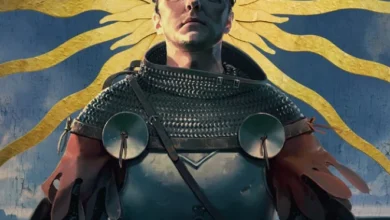
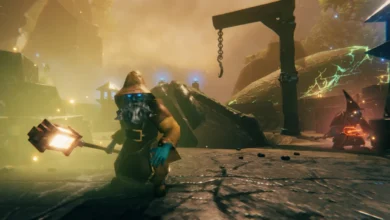
Valor Mortis Developer Announces Strategic Forty Dollar Price Point Amidst Crowded Autumn Release Window

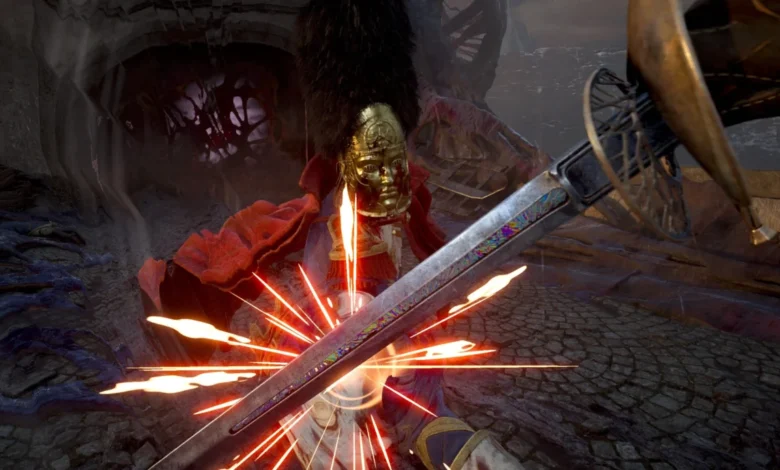
The landscape of the modern video game industry is currently defined by an unprecedented concentration of high-budget releases, placing immense pressure on both developers and consumers. In a tactical move to navigate this competitive environment, the developers of the upcoming Soulslike title Valor Mortis have officially set the game’s retail price at $40 / €40. This decision, announced via the studio’s official social media channels, signals a deliberate attempt to position the new intellectual property as an accessible, high-value alternative to the standard $70 industry-wide baseline.
A Strategic Response to Market Saturation
The decision to launch at a lower price point was not reached lightly. One More Level, the studio behind the critically acclaimed Ghostrunner, alongside publisher Lyrical Games, spent the better part of a year debating the fiscal positioning of their latest project. The primary challenge, according to internal sources, was balancing the inherent quality of the game—which features a robust 20-hour narrative campaign—with the economic realities facing the average consumer during the final quarter of the year.
The autumn release calendar for 2026 is exceptionally dense. Valor Mortis is slated for an October 13th launch, placing it in direct competition with a string of major franchise titles. The schedule includes anticipated heavyweights such as the latest iteration of Gears of War: E-Day, Ace Combat 8, Star Wars: Galactic Racer, Final Fantasy Resonance, and the highly anticipated Phantom Blade Zero. This clustering of high-profile games creates a "crowding effect," where consumer spending is often exhausted by marquee sequels, leaving little room for new, unproven intellectual properties to gain traction.
Chronology of the Valor Mortis Development Cycle
The path to the October 13th release has been subject to significant shifts. Originally slated for a September 24th launch, the developers made the difficult decision to delay the project to avoid a direct collision with Control Resonant. This adjustment was a clear indicator of the publisher’s desire to secure a viable window in a market that remains notoriously unforgiving toward new IPs.
- Initial Announcement: The project was unveiled as an ambitious first-person Soulslike, building on the technical expertise One More Level gained through their work on the Ghostrunner series.
- Original Release Date: Initially targeted for late September 2026.
- The Delay: Following the scheduling of Control Resonant, the team opted to push the release to October 13th to ensure the title could stand out.
- Pricing Announcement: Following months of internal deliberation, the $40 price point was confirmed to maximize the game’s reach among a broader demographic of players.
Official Perspectives on Pricing Strategy
Blake Rochkind, the head of Lyrical Games, provided further insight into the rationale behind the pricing strategy in a recent discussion on The Game Business. According to Rochkind, the overarching concern was not merely the loss of potential revenue, but the risk of misrepresenting the product’s value.
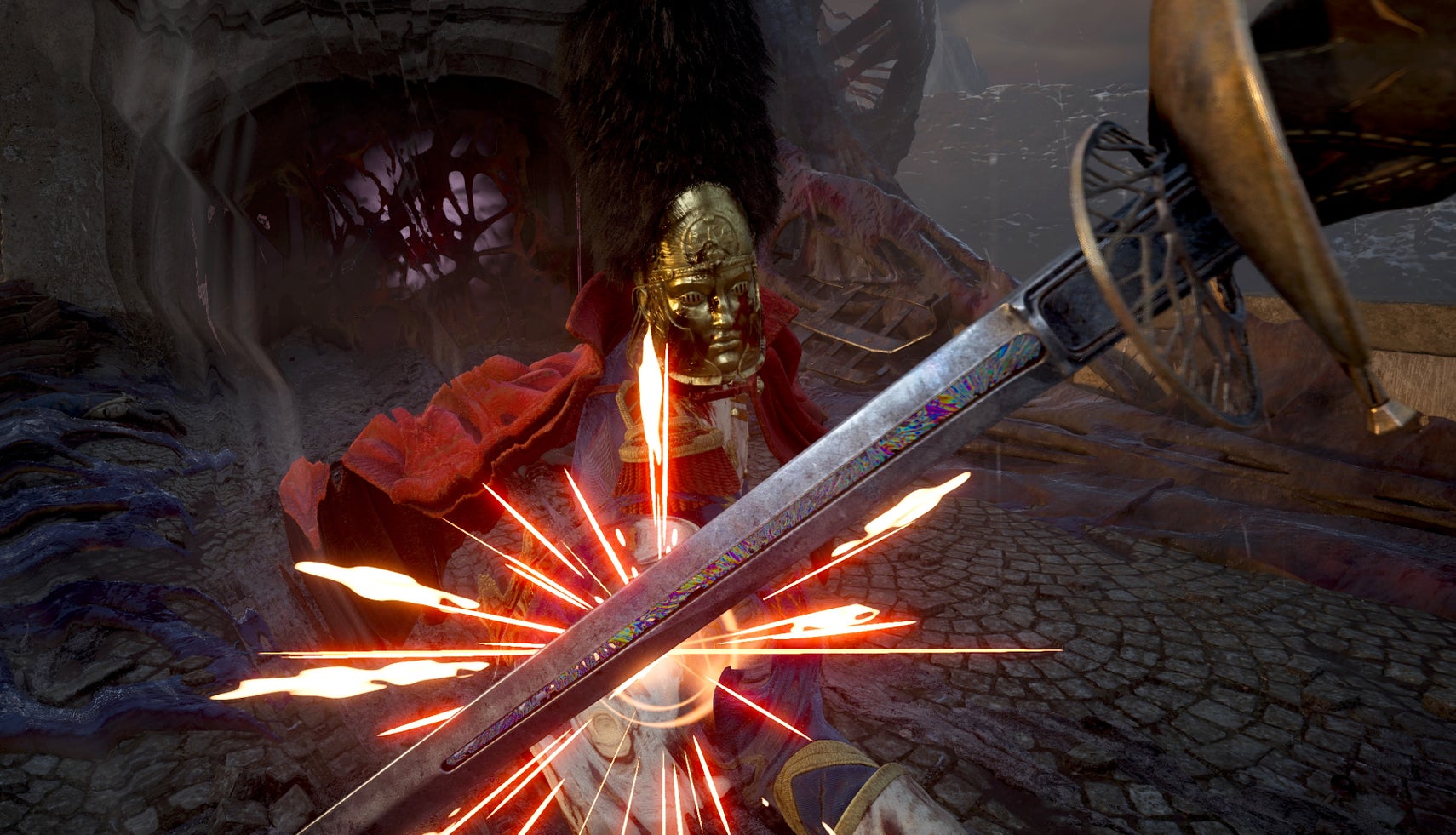
"My biggest concern was that it would send the wrong message about the game," Rochkind stated. "So we wanted to make sure that we send the right message to the consumer about why this is, and hopefully help them understand that this is a decision we’re making out of confidence for the game."
Rochkind emphasized that in an era where consumers are increasingly selective, a lower entry price serves as a "call to action" rather than a concession. By positioning Valor Mortis at a lower price, the publisher hopes to mitigate the financial friction for players who are already planning to purchase multiple high-priced titles in the same window. The "all-in" strategy is designed to encourage players to pick up the game as a secondary or "side" purchase alongside the more expensive blockbuster releases, rather than skipping it entirely.
Product Tiers and Post-Launch Support
While the base game will retail for $40, Lyrical Games is also offering a Deluxe Edition priced at $60. This package is designed for the more dedicated segment of the player base, bundling the base game with a "major story DLC" scheduled for a 2027 release, as well as an exclusive suite of in-game weapon skins.
Crucially, the developer has committed to a robust post-launch roadmap. Recognizing the importance of long-term engagement in the modern era, the team has pledged a series of free content updates. These additions are intended to arrive in the weeks and months following the October launch, aiming to maintain player interest and foster a healthy, ongoing community around the title. Furthermore, the game will be available as a day-one release on Game Pass for both PC and Xbox, further diversifying the distribution model and ensuring maximum visibility on day one.
Analysis of Industry Implications
The decision to break from the $70 "AAA" standard is a significant development that warrants closer examination. Over the past several years, the industry has seen a gradual standardization of pricing for premium titles. While this has been driven by the rising costs of development, it has also created a barrier to entry that can stifle new IPs.
Valor Mortis represents a "mid-market" or "premium indie" philosophy—a segment that has been arguably underserved as developers lean toward either hyper-budgeted blockbusters or low-cost, retro-inspired titles. By maintaining a high level of "fidelity and quality" while slashing the price, Lyrical Games is testing a hypothesis: that a $40 price point can lead to higher volume sales and, ultimately, a larger total revenue than a $70 price point would for a new, untested brand.

If the strategy proves successful, it could provide a roadmap for other mid-sized studios. The current "stacked" release calendar is a recurring phenomenon; studios often find themselves competing for the same limited pool of consumer income. A lower price point acts as a hedge against the volatility of the release calendar, turning a potential liability into an opportunity for market penetration.
Technical and Creative Ambition
From a creative standpoint, Valor Mortis is positioning itself as a high-fidelity experience. The move into the first-person Soulslike genre is a calculated risk, as it requires a high degree of precision in combat mechanics and level design. By leveraging the technical framework established by One More Level’s previous work, the developers are signaling that the lower price tag is not a reflection of a lower-budget production, but rather a strategic marketing decision.
The decision to include the game on Game Pass also serves as an important insurance policy. The subscription service model has become a critical component of the modern console ecosystem, providing developers with guaranteed distribution and a platform to build a player base without relying solely on individual unit sales.
Future Outlook and Consumer Reception
As October 13th approaches, all eyes will be on how the market reacts to this pricing model. The gaming community has historically been sensitive to price, and in a climate of economic uncertainty, the lower cost of entry is likely to be met with a positive reception. However, the ultimate success of Valor Mortis will depend on the strength of its execution, the depth of its 20-hour narrative, and the reception of its core gameplay loop.
The industry at large will be observing this experiment with great interest. Should Valor Mortis achieve commercial success, it may well catalyze a broader shift in how publishers approach the pricing of new intellectual properties. For now, the developers remain focused on the final stages of production, confident that their decision to prioritize accessibility will pay dividends in a market where time and attention are the most valuable currencies of all. With its combination of a competitive price, a strategic launch window, and day-one availability on major subscription services, Valor Mortis is positioning itself to be one of the most significant disruptors of the 2026 holiday season.
Related posts: