Black Forest Games Secures Independence From Embracer Group Through Strategic Management Buyout

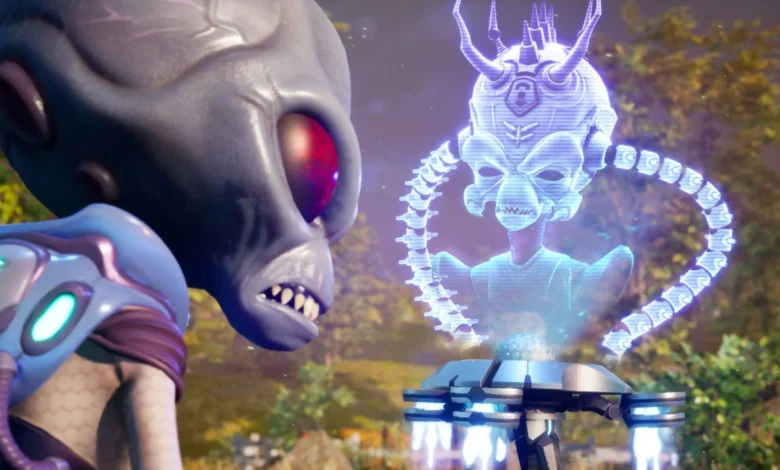
Black Forest Games, the German development studio celebrated for its work on the cult-classic Destroy All Humans remakes, has officially separated from its former parent company, THQ Nordic, and the broader Embracer Group conglomerate. This transition, finalized through a management buyout, marks a significant shift in the studio’s operational structure as it pivots toward a new collaborative model. Simultaneously, the studio’s leadership has announced the formation of Third Signal, a nascent group of independent developers designed to provide resources and structural support to smaller, agile creative teams across the industry.
The Evolution of Black Forest Games
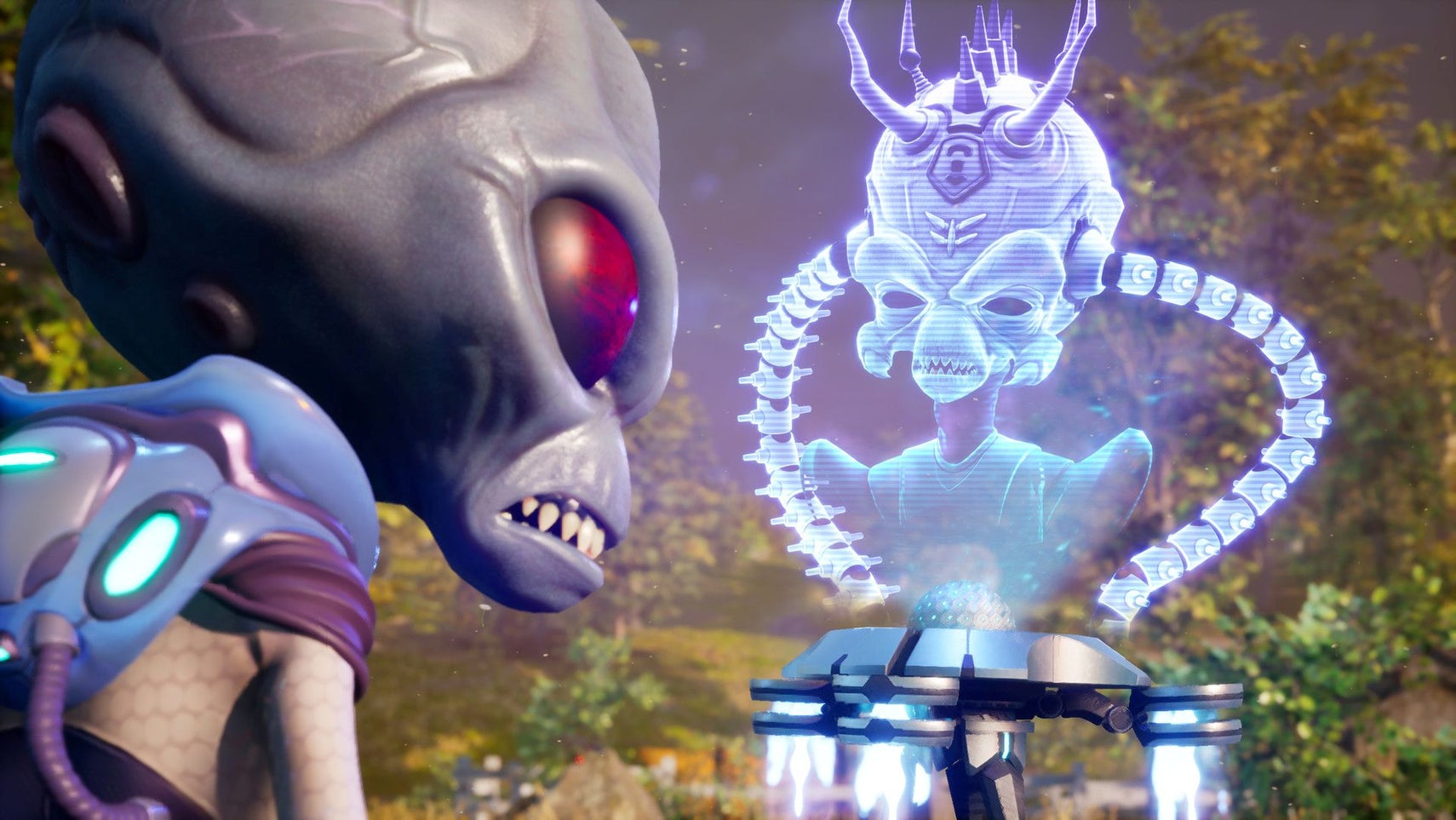
Founded in 2012 following the closure of Spellbound Entertainment, Black Forest Games quickly established a reputation for its technical prowess and its ability to revitalize dormant intellectual properties. Based in Offenburg, Germany, the studio gained international recognition for its efforts in bringing the satirical, 1950s-inspired alien invasion franchise Destroy All Humans back to modern platforms. Their work on the 2020 remake of the original title and the 2022 follow-up, Destroy All Humans 2: Reprobed, were praised for retaining the irreverent, anarchic spirit of the source material while implementing modern graphics and refined gameplay mechanics.
Before its acquisition by THQ Nordic in 2017, Black Forest Games operated as an independent entity, working on titles such as Giana Sisters: Twisted Dreams. The acquisition by THQ Nordic—which eventually became a subsidiary of the Swedish giant Embracer Group—was viewed as a strategic move to bolster the publisher’s internal development capacity. Over the next seven years, the studio became an integral part of the Embracer ecosystem, contributing to the conglomerate’s aggressive expansion strategy.
Contextualizing the Embracer Group Restructuring
The departure of Black Forest Games occurs against the backdrop of a massive, industry-wide restructuring effort at Embracer Group. Following years of rapid, debt-fueled expansion, the Swedish holding company—which had acquired prominent assets including Gearbox Entertainment, Crystal Dynamics, and the rights to The Lord of the Rings—faced a severe financial correction. In 2023, the group initiated a comprehensive "restructuring program" aimed at reducing net debt and improving cash flow.
This program resulted in the closure of numerous internal studios, the cancellation of dozens of unannounced projects, and the divestment of key assets. Notable transactions included the sale of Gearbox Entertainment to Take-Two Interactive for $460 million in March 2024. The move to divest Black Forest Games is part of this ongoing effort to streamline operations, allowing Embracer to shed overhead costs while granting the studio the autonomy to pursue its own business strategy.
The Formation of Third Signal
With the management buyout complete, the studio’s leadership team, led by CEO Andreas Tobler, has moved immediately to launch Third Signal. This new organization is positioned as a developer-centric collective. The core philosophy driving Third Signal is the belief that small, focused teams—typically consisting of around 50 developers—are better positioned to foster innovation and maintain creative consistency than the massive, multi-hundred-person teams often seen in AAA development.
According to statements released by the company, Third Signal aims to bridge the gap between complete indie isolation and the rigid corporate oversight of large conglomerates. By providing a shared pool of resources, backend infrastructure, and administrative support, Third Signal hopes to allow member studios to focus exclusively on game design and production. This model reflects a growing trend in the gaming industry, where mid-sized studios are seeking ways to maintain creative control while mitigating the financial risks associated with modern game development.

Chronology of Major Developments
- 2012: Black Forest Games is founded in Offenburg, Germany, following the dissolution of Spellbound Entertainment.
- 2017: THQ Nordic acquires Black Forest Games, integrating it into its portfolio of internal development studios.
- 2019–2022: The studio focuses on the successful revitalization of the Destroy All Humans franchise, releasing two high-profile remakes.
- 2023: Embracer Group announces a global restructuring plan, leading to widespread studio closures and asset divestments.
- 2024: Black Forest Games completes a management buyout, severing ties with Embracer Group and THQ Nordic.
- 2024: Third Signal is established as an independent group of studios, with Black Forest Games as its inaugural member.
Market Implications and Future Outlook
The independence of Black Forest Games and the creation of Third Signal signal a potential trend toward "de-consolidation" within the gaming sector. As the costs of AAA development continue to rise, many studios have found that the benefits of belonging to a massive corporate entity—namely, access to marketing budgets and intellectual property—are often outweighed by the constraints placed on creative autonomy and the vulnerability to corporate layoffs.
While Black Forest Games has severed its formal ties to Embracer, the studio has confirmed that it will continue to work with THQ Nordic on a project-by-project basis. This suggests a shift toward a hybrid model where studios maintain their independence while leveraging existing professional networks to secure publishing or co-development opportunities.
For the Destroy All Humans franchise, the implications remain speculative. While the intellectual property rights appear to have remained with the publisher, the studio’s history with the brand leaves the door open for future collaboration. The original franchise saw a decline in critical reception after its second installment, with later titles like Big Willy Unleashed failing to match the commercial and critical success of the first two entries. Any future development on the series would likely require a fresh creative direction, which the newfound independence of the studio could facilitate.
Industry Analysis: The Sustainability of Independent Collectives
The model proposed by Third Signal—a "developer-driven group"—is a direct response to the precarious state of mid-sized studios in the current market. Data from recent years indicates that while the industry has seen record revenues, the profit margins for mid-tier projects have narrowed significantly due to inflation in production costs. By pooling resources, smaller studios can achieve economies of scale without being subjected to the quarterly performance pressures that often dictate the decision-making of larger, publicly traded conglomerates.

Analysts suggest that this move could serve as a template for other teams looking to exit major publishers. By utilizing management buyouts, veteran development teams can reclaim their intellectual output and steer their companies toward more sustainable, long-term creative goals. The success of Black Forest Games and Third Signal will likely be measured by their ability to secure funding for new projects and their capacity to attract other independent teams into their ecosystem.
As the industry continues to navigate the aftermath of the post-pandemic market correction, the move toward decentralized, agile development groups may provide a blueprint for a more resilient creative future. Black Forest Games, having successfully transitioned from an independent studio to a corporate subsidiary and back to an independent entity, occupies a unique position to test this new paradigm. Whether this model can provide the stability needed to survive the cyclical nature of game development remains to be seen, but the studio’s return to independence represents a notable milestone for developers seeking to preserve their creative legacy.