In a significant move that has sent ripples through the photography community, Leica has introduced the M EV1, a camera that boldly reimagines the iconic M-System by integrating an electronic viewfinder (EVF) in place of its traditional optical rangefinder. This decision, initially met with skepticism from some quarters, represents a pivotal moment for a brand deeply rooted in photographic heritage. After extensive hands-on experience, the M EV1 proves to be far more than a mere adaptation; it is a testament to Leica’s commitment to innovation while retaining the core essence of what defines an M camera.
A Paradigm Shift in the M-System
For decades, the Leica M-System has been synonymous with the rangefinder. This intricate mechanical focusing system, a hallmark of Leica cameras since the mid-20th century, offered a unique and intuitive shooting experience. Its ability to provide a bright, clear view of the scene, coupled with precise manual focus, became a defining characteristic for generations of photographers, particularly in the realms of street and documentary photography. The prospect of this system being replaced by an electronic viewfinder (EVF) sparked considerable debate and concern among purists and long-time Leica aficionados.
The author’s initial apprehension mirrored these sentiments. The concern was that removing the optical rangefinder, a component deeply embedded in the camera’s mechanical soul, could result in a product that felt hollow, a mere shell of its former self. This perspective was rooted in the understanding that for many, the rangefinder was not just a feature but the very identity of an M camera.
However, the reality of the Leica M EV1, after being put through its paces, has demonstrably challenged these preconceptions. Far from feeling like a compromise, the camera emerges as a sophisticated evolution, one that not only preserves the M-System’s legacy but also opens new avenues for its application.
First Impressions: Familiarity and Refined Ergonomics
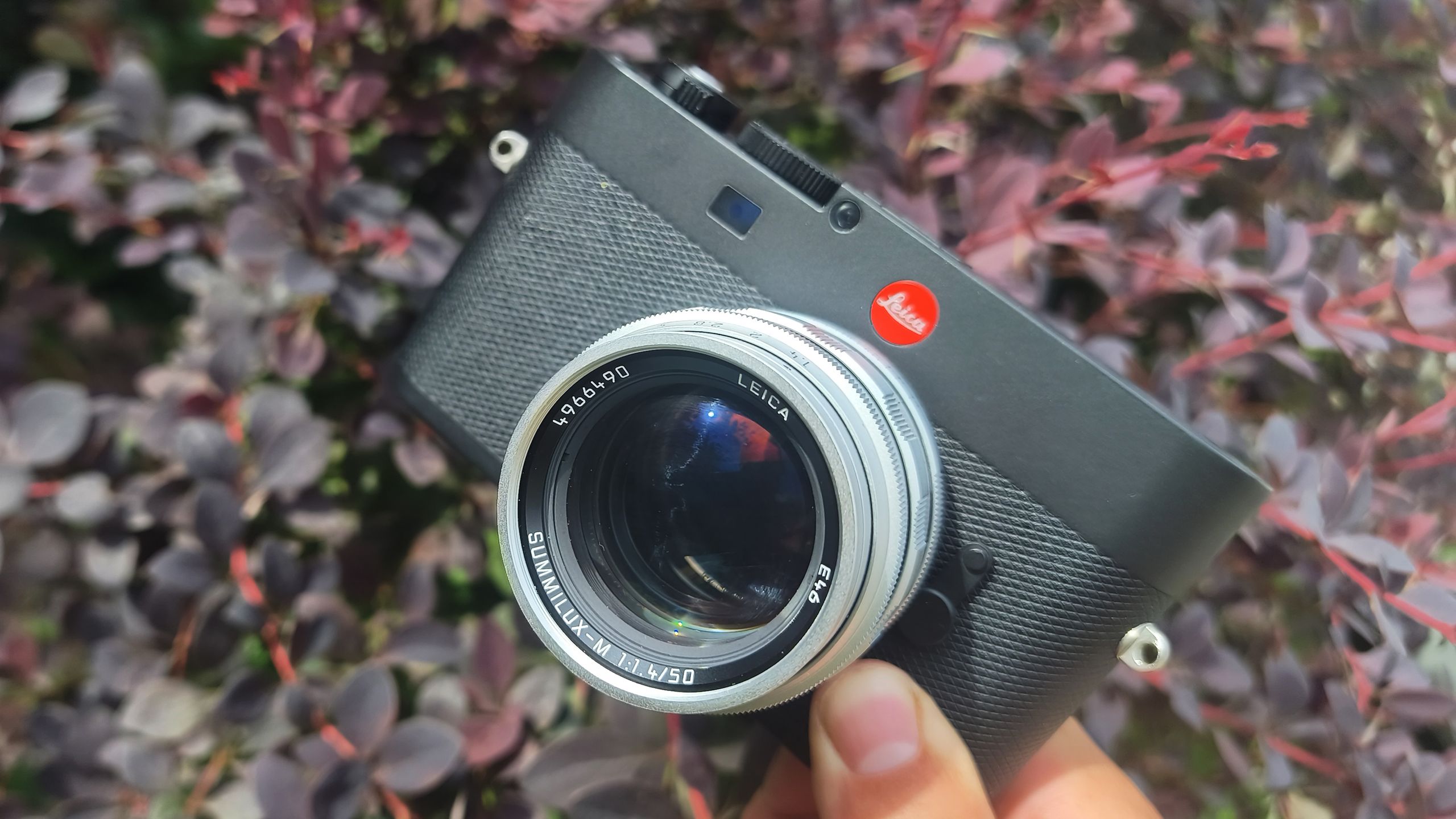
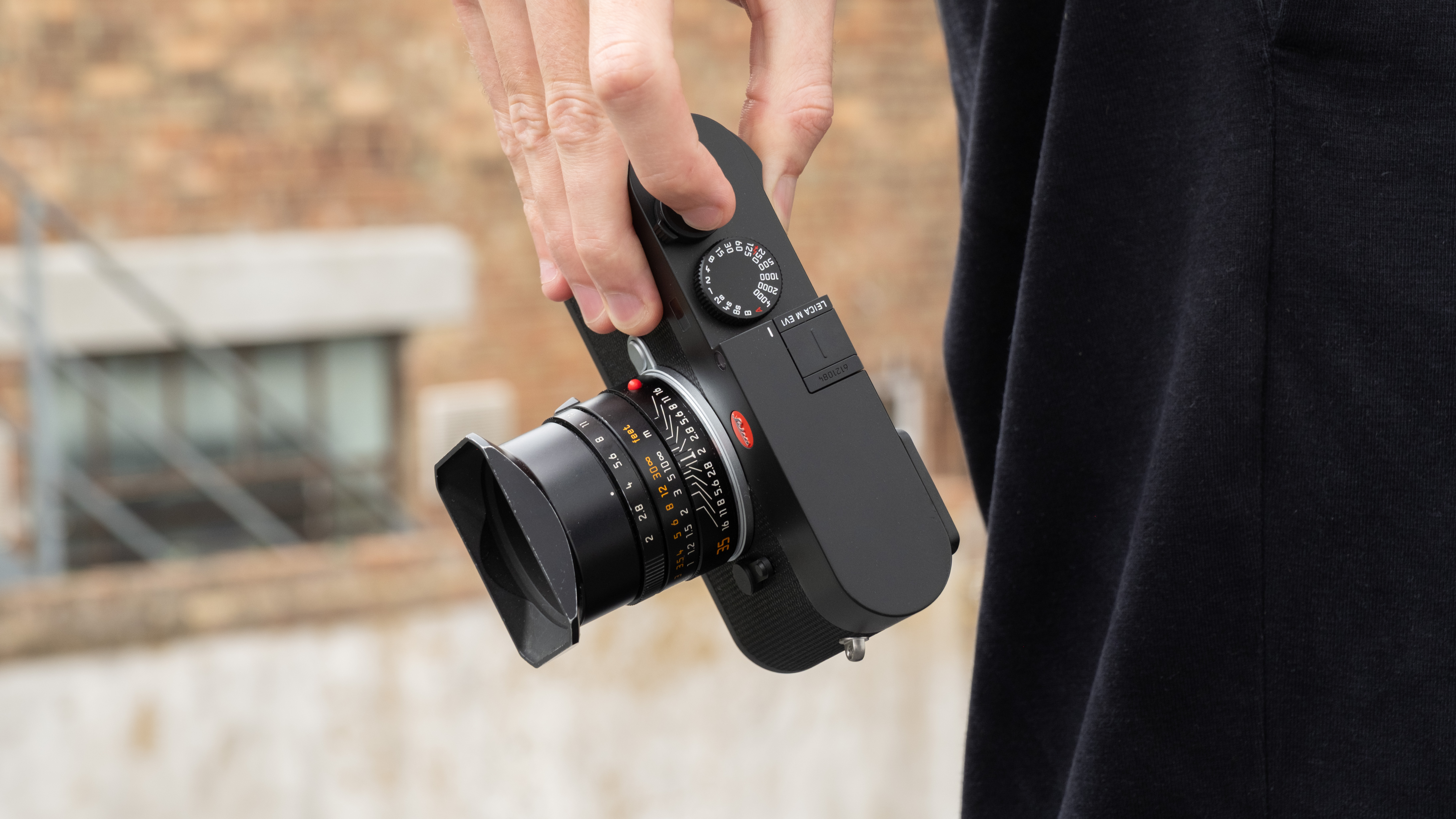
Upon holding the Leica M EV1, the immediate impression is one of profound familiarity. It does not feel like a derivative of another Leica model, such as the fixed-lens Q3, nor does it present as a radical departure from the M lineage. Instead, it embodies the tangible quality and purposeful design that Leica users have come to expect. The physical construction is solid, exuding the reassuring solidity that has become a hallmark of the brand.
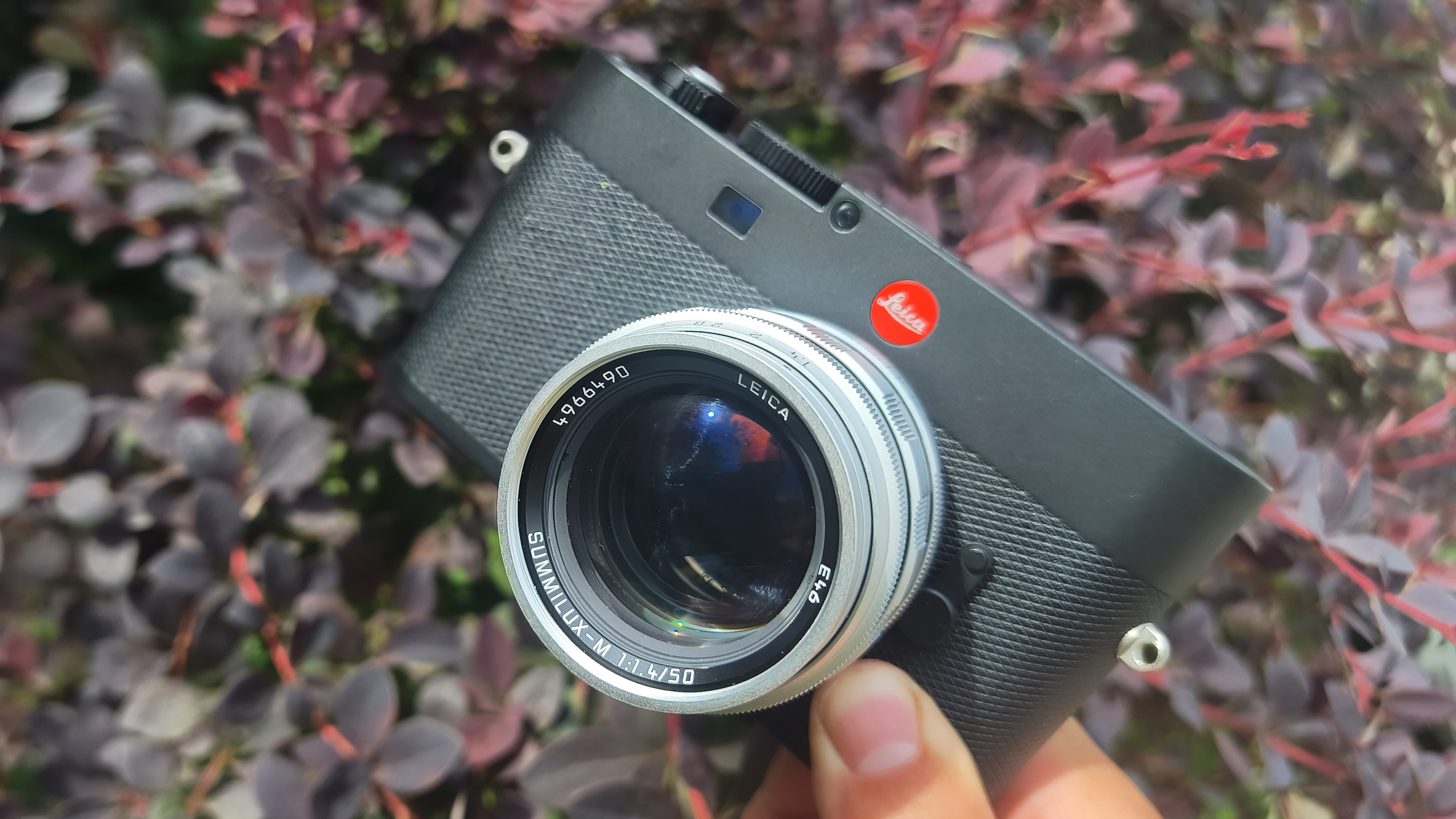
In terms of weight, the M EV1 is notably lighter than its rangefinder-equipped counterparts. Leica lists the M EV1 at approximately 495g with its battery, a figure that compares favorably to the black Leica M11-P at 530g. While this difference is perceptible, it does not detract from the camera’s build quality; rather, it contributes to a more balanced feel, especially when paired with a lens. The camera sits comfortably in the hand, and the overall balance is superb, regardless of the lens attached, from a compact Summicron to a more substantial Summilux. The fear that the reduced weight might lead to an imbalance when mounting heavier lenses proved unfounded. Once a lens is attached, the M EV1 feels complete and purposeful.
The Electronic Viewfinder: A Revelation
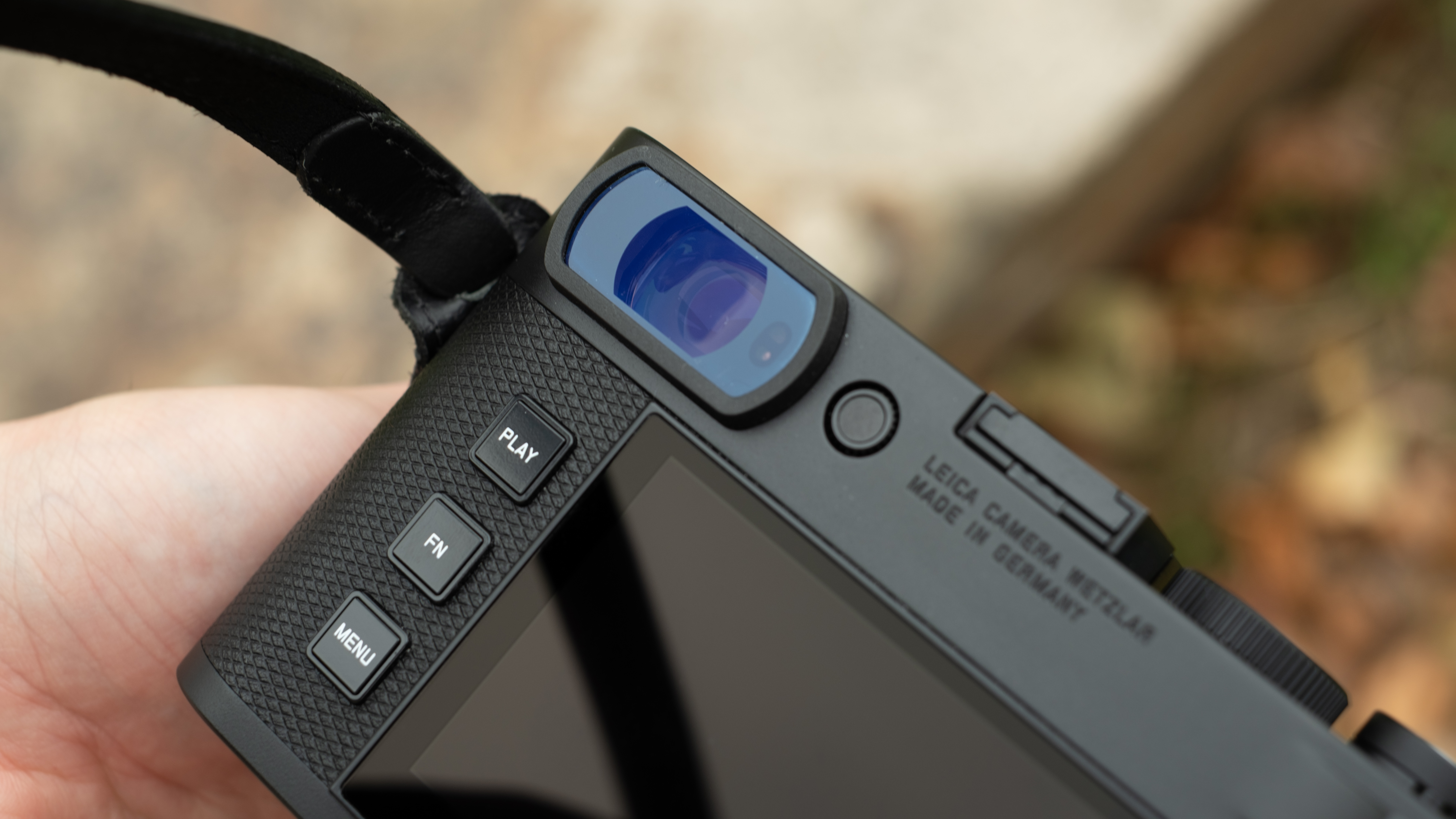
The most significant departure for the M EV1 is its electronic viewfinder (EVF). Historically, the author, like many, harbored reservations about EVFs, often finding them lacking in the clarity, depth, and "pop" of an optical viewfinder. Issues such as sluggishness, discomfort, and eye strain were common criticisms leveled against early and even some contemporary EVFs.
The EVF integrated into the Leica M EV1, however, presents a compelling counter-argument. It activates instantaneously upon raising the camera to the eye, even when switching from composing shots on the rear LCD. The rendition of movement is remarkably natural, free from the jarring "Jell-O" effect that can plague some electronic viewfinders.

Technically, the EVF boasts a 5.76-million-dot OLED panel, refreshing at 60fps, and offering 100% frame coverage. Crucially, it incorporates a sensor that seamlessly transitions between the EVF and the rear display. Beyond the specifications, its responsiveness in real-world shooting conditions is what truly impresses.
A particularly valuable feature for photographers utilizing a diverse range of lenses is the magnification capability within the EVF. This proves invaluable for critical focusing, especially with challenging optics. For instance, achieving precise focus with a longer focal length lens like the Leitz 135mm Elmarit-M f/2.8, which can be demanding through a traditional rangefinder, becomes significantly more manageable with the M EV1’s ability to magnify the live sensor image. This allows for a level of confidence in focus confirmation that is unparalleled in traditional rangefinder systems.
The EVF’s advantages extend to various lens types:
- Long Telephoto Lenses: Precise focus is easier to ascertain.
- Ultra-Wide Angle Lenses: Users can compose and focus with certainty, seeing the exact field of view.
- Close-Focusing Designs: Macro and near-macro photography benefits from magnified focusing.
- Extremely Fast Glass: Achieving accurate focus at wide apertures is simplified.
While this does not necessarily render the optical rangefinder experience obsolete, it undeniably offers a different, and in many situations, a more practical approach to focusing, especially for those accustomed to modern digital camera interfaces.
Rethinking Traditional Controls: The Frameline Selector’s New Life
Leica’s M-System has always featured a traditional frameline selector, a mechanical lever that previews different field-of-view frames within the optical viewfinder. On the M EV1, this iconic control has been ingeniously repurposed. Instead of merely previewing framelines, it can be configured to manage focusing assistance and digital zoom functions.
In the tested model, one direction of the lever could toggle focus peaking, a visual aid that highlights in-focus areas. The opposite direction activated digital cropping, offering 1.3x (approximately 39MP) and 1.8x (approximately 18MP) digital crops. This reinterpretation of a classic control adds a layer of modern functionality without sacrificing the tactile feedback that Leica enthusiasts appreciate. It imbues an old mechanical element with genuine, practical utility in the digital age.
Addressing the "M" Designation: A Question of Identity
A point of contention within certain segments of the Leica community is whether the M EV1 truly deserves the "M" designation. The argument posits that without the rangefinder, it should perhaps be classified as a distinct product line. From a marketing and historical perspective, this viewpoint is understandable. The "M" name is inextricably linked to the rangefinder tradition, a heritage that Leica buyers often hold in high regard.
However, from a functional and user-experience standpoint, the M EV1 is unequivocally an M-System camera. It retains the characteristic body design, the intuitive control layout, the manual focus philosophy, and, most importantly, seamless compatibility with the extensive catalog of M-mount lenses. The fundamental shift lies in the viewing mechanism – an EVF replacing the optical rangefinder. This change, while significant, does not erase the camera’s M-System DNA. It represents an evolution, not a complete rebranding.
Areas for Refinement: Storage and Preview Options
While the M EV1 impresses, there are areas where improvements could be made. The internal storage capacity of 64GB matches that of the original Leica M11, but falls short of the 256GB offered by the Leica M11-P. While 64GB is sufficient for many shooting styles, and the option to use an SD card provides ample expansion, for a camera positioned within Leica’s premium lineup, a larger internal storage capacity would have been a welcome addition.

A second potential area for refinement lies in the preview functionality. When shooting in a DNG+JPEG format with the JPEG set to black-and-white, both the LCD and EVF on the M EV1 display a monochrome preview. The author expresses a desire for greater flexibility, specifically the option to have a monochrome preview on the rear screen while maintaining a color image in the EVF. This would allow for a nuanced assessment of the black-and-white rendition on the LCD, while the EVF could offer a more natural, color-accurate view, akin to an optical viewfinder experience. Such a firmware adjustment could further bridge the gap between traditional and digital viewing methods.
The Broader Implications: Accessibility and Future-Proofing
The introduction of the Leica M EV1 carries significant implications for the future of M-System photography. It offers a more accessible entry point for photographers who may find rangefinder focusing intimidating or less intuitive. For individuals transitioning from other digital camera systems, the EVF provides a familiar and understandable interface, while still offering the tactile control and lens versatility that are hallmarks of Leica.
Furthermore, the M EV1 represents a natural progression for users of Leica’s Q-series cameras. Those who appreciate the compact form factor, manual controls, and EVF experience of the Q cameras but desire the flexibility of interchangeable lenses will find the M EV1 a compelling proposition. It bridges the gap between the fixed-lens elegance of the Q and the full M-System experience.

Conclusion: A New Era for Leica’s M-System
The Leica M EV1 is a bold and successful evolution of a legendary camera system. It demonstrates that innovation and tradition are not mutually exclusive. By embracing the electronic viewfinder, Leica has not diminished the spirit of the M-System; instead, it has potentially amplified its reach and appeal. The camera retains the essential elements that define an M – its build quality, lens compatibility, manual focus ethos, and the deliberate act of composing a photograph.
The author, who initially harbored doubts, now acknowledges that the soul of the M-System may not be solely confined to its optical rangefinder. It resides in the exquisite lenses, the carefully considered ergonomics, the simplicity of operation, and the profound connection between photographer, camera, and subject. The Leica M EV1, with its sophisticated EVF and refined handling, continues to embody this spirit, offering a compelling vision for the future of M-System photography. For those considering an eventual upgrade from their beloved optical rangefinder Ms, or seeking a more accessible entry into the M world, the M EV1 stands as a powerful and enticing option.