Sigma Patents Reveal Ambitious Plans for High-Speed Telephoto Lenses, Hinting at Future Mirrorless Innovations

Sigma’s commitment to expanding its lens offerings for mirrorless camera systems appears to be intensifying, with recent patent filings suggesting the development of several high-speed telephoto lenses. The Japanese optics manufacturer, known for its high-quality and often more affordable alternatives to first-party lenses, has filed a patent that details optical designs for a 100mm f/1.2, a 180mm f/1.4, and an updated version of its existing 135mm f/1.4 DG lens. This move aligns with Sigma’s broader strategy of catering to the growing demand for advanced mirrorless optics and further solidifies its collaborative efforts with camera giants like Canon.
The patent, identified by number P2026056718, was first reported by Asobinet and points towards Sigma’s ongoing pursuit of optical excellence. While the 135mm f/1.4 DG is already a well-established lens in Sigma’s Art line, its inclusion in the patent suggests a potential refinement or redesign for newer mirrorless mounts. The real intrigue, however, lies in the proposed 100mm f/1.2 and 180mm f/1.4 lenses, which, if brought to market, would represent significant additions to the premium telephoto segment.
Unpacking the Patent Filings: A Glimpse into Future Optics
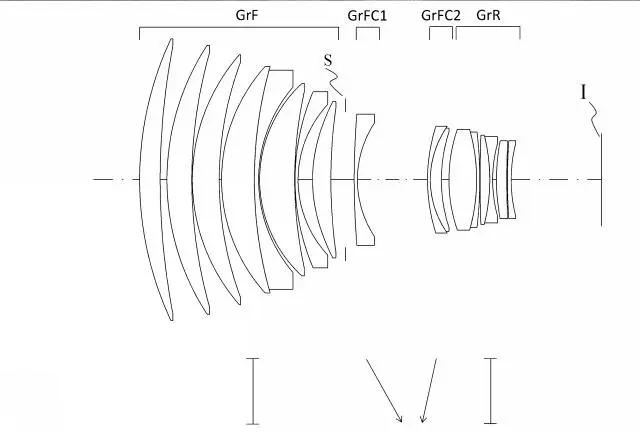
The patent documentation, accessible through the Japan Patent Office (JP-2024-163217), outlines optical systems for three distinct lens designs. The inclusion of the 135mm f/1.4 DG, a lens that has garnered critical acclaim since its release, suggests Sigma is either looking to optimize it further for newer camera technologies or potentially to consolidate its lineup under a unified patent. More significantly, the patent showcases detailed optical layouts for a 100mm f/1.2 and a 180mm f/1.4. These focal lengths and apertures represent ambitious targets, particularly for mirrorless systems where miniaturization and weight reduction are paramount.
The 100mm f/1.2: A Portrait Powerhouse in the Making?
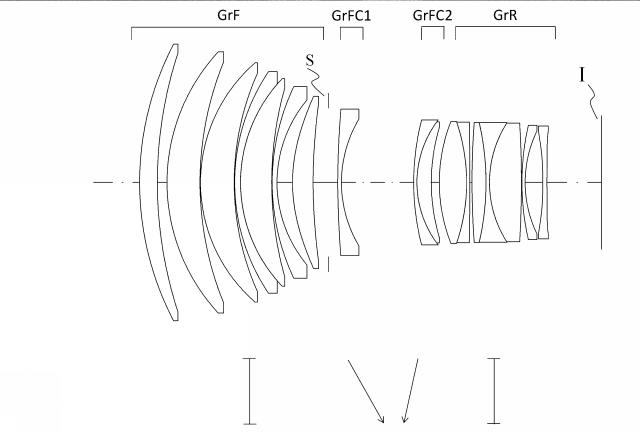
The proposed 100mm f/1.2 lens holds considerable promise for portrait photographers and those seeking exceptionally shallow depth of field. While 100mm is a common focal length, achieving an f/1.2 aperture is a technical challenge that few manufacturers undertake. The patent images reveal a complex optical construction, indicative of the efforts required to manage aberrations and maintain sharpness at such a wide aperture.
Currently, the manual focus Mitakon Speedmaster 100mm f/1.2 is one of the few readily available options in this niche. However, its manual focus nature limits its appeal to a specific segment of photographers. Mainstream autofocus options in the 100mm range typically offer apertures like f/2.8, such as Canon’s own 100mm f/2.8 Macro or Sony’s 100mm f/2.8 STF. Sigma’s potential entry with an f/1.2 autofocus lens would provide a compelling alternative for photographers demanding extreme subject isolation and a dreamy bokeh for their portraits. The ability to render subjects with razor-thin depth of field, combined with Sigma’s renowned optical quality, could elevate portrait photography to new artistic heights.
The 180mm f/1.4: Pushing the Boundaries of Telephoto Speed
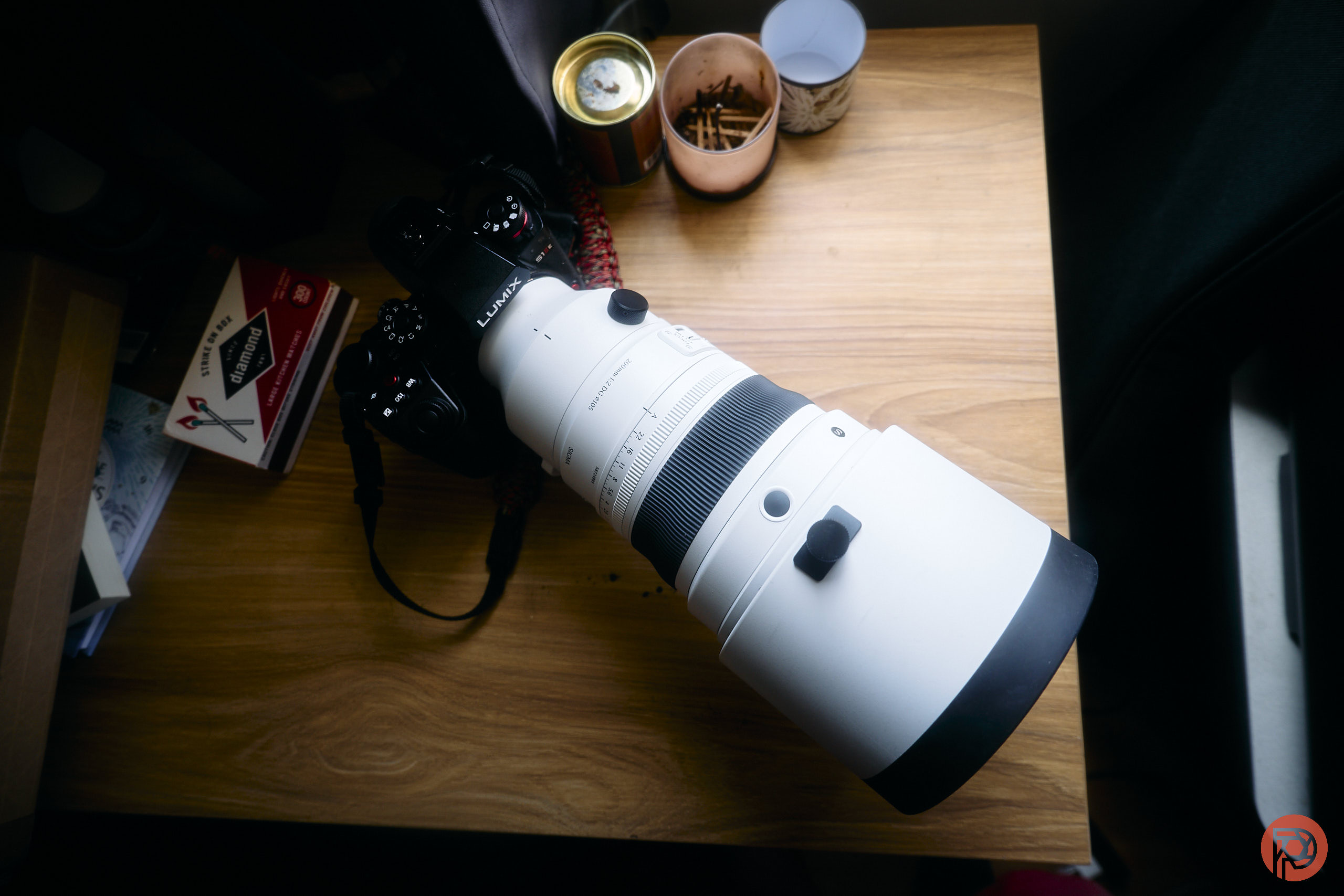
The 180mm f/1.4 lens, as detailed in the patent, presents an even more ambitious proposition. This focal length and aperture combination is exceptionally rare in the lens market, especially for autofocus systems. Sigma’s existing lineup includes a 135mm f/1.4 and a 200mm f/2, placing the proposed 180mm f/1.4 in a unique position.
One of the primary challenges Sigma appears to be addressing with these designs, as inferred from the patent’s technical descriptions, is the management of weight and size in large-aperture lenses. Modern autofocus systems and video shooting demands necessitate lighter, more agile lens designs, particularly when dealing with large and heavy front elements required for wide apertures. The patent suggests Sigma is exploring innovative optical formulas and potentially new materials to mitigate these issues.
The inclusion of a 180mm focal length is particularly interesting. While Sigma offers a 200mm f/2 lens, a 180mm f/1.4 would provide a distinct focal length with a wider aperture. This could appeal to a variety of photographers, including those shooting events, weddings, or even certain types of wildlife and sports where a fast, medium-telephoto lens is beneficial. The shallower depth of field at f/1.4 compared to an f/2 lens would allow for greater subject separation and a more artistic rendering, even at longer focal lengths.
Strategic Context: Sigma’s Mirrorless Push and Industry Collaborations
Sigma’s persistent focus on mirrorless lens development is a strategic imperative in today’s camera market. The global shift away from DSLRs towards mirrorless systems has necessitated a re-evaluation of lens lineups. Sigma has been a proactive participant in this transition, releasing numerous lenses for Sony E-mount, Canon RF-mount, and L-mount (a collaborative mount featuring Leica, Panasonic, and Sigma).
The mention of working closely with Canon is significant. While Sigma has historically produced lenses for Canon EF-mount DSLRs, its engagement with Canon’s mirrorless RF-mount ecosystem is a key indicator of its future direction. This collaboration could involve not only developing native RF-mount lenses but also potentially influencing Canon’s lens roadmap through shared technological insights and market demands.
Furthermore, Sigma’s history with high-speed, large-aperture lenses is well-documented. The company’s Art line has consistently delivered exceptional optical performance, often at a more accessible price point than its competitors. Lenses like the 85mm f/1.4 and the aforementioned 135mm f/1.4 have set benchmarks for image quality and bokeh. The proposed 100mm f/1.2 and 180mm f/1.4 would continue this legacy, albeit with the added complexity of catering to the specific demands of mirrorless camera bodies.
Addressing the "Trinity" and Existing Lineups
The proposed 100mm f/1.2 could be seen as an extension of Sigma’s existing fast prime offerings. While some might argue that a 100mm f/1.4 would be a more practical choice, potentially leading to a smaller front element diameter and lighter weight, Sigma’s pursuit of f/1.2 suggests a desire to push the absolute boundaries of light-gathering capability and bokeh. Completing a "trinity" of fast primes at common focal lengths is a popular concept among photographers, and a 100mm f/1.4 could certainly fit into that narrative. However, the f/1.2 aperture offers a distinct advantage in terms of creative control over depth of field.
The 180mm f/1.4, while seemingly an "odd" focal length in the context of Sigma’s current 200mm f/2 offering, actually fills a useful niche. The 20mm difference in focal length combined with a wider aperture (f/1.4 vs. f/2) provides a different perspective and bokeh characteristic. This distinction could be valuable for photographers who find the 200mm too long or the f/2 aperture too limiting for certain scenarios.
Sigma’s past ventures into high-speed zooms for DSLRs, such as the 50-100mm f/1.8 DC HSM Art, demonstrate their technical prowess in creating lenses with constant, wide apertures across a zoom range. While these were designed for APS-C DSLRs, the underlying optical engineering expertise is transferable. The company also previously offered a 180mm f/2.8 Macro lens for DSLRs, which has since been discontinued. The patent filings could signal a revival of interest in this focal length, albeit with a significantly different optical design and aperture for modern mirrorless cameras.
Implications for Photographers and the Market
The potential release of these lenses could have significant implications for the photography market.
- For Portrait Photographers: The 100mm f/1.2, if it offers autofocus and exceptional optical quality, would be a game-changer for portraiture, offering unparalleled subject isolation and a distinctive rendering.
- For Event and Wedding Photographers: The 180mm f/1.4 could provide a fast, versatile option for capturing candid moments and details with a shallow depth of field, especially in challenging low-light conditions.
- For Mirrorless System Expansion: These lenses would further enhance the appeal of mirrorless systems by offering cutting-edge optical solutions that might not be readily available from camera manufacturers themselves.
- Competitive Landscape: Sigma’s entry into these niche segments would undoubtedly spur further innovation and potentially drive down prices from other manufacturers.
The challenges in developing such lenses are substantial. Achieving sharpness, controlling chromatic aberration, managing distortion, and ensuring reliable autofocus performance at f/1.2 and f/1.4 across telephoto focal lengths requires sophisticated optical design and manufacturing precision. The patent suggests Sigma is investing heavily in overcoming these hurdles.
The reference to the Sigma 200mm f/2 DG Sports review highlights the company’s existing capabilities. The quoted feedback emphasizes the "insane sharpness" and the near impossibility of taking a bad photo with such a lens. If Sigma can translate this level of optical performance to the proposed 100mm f/1.2 and 180mm f/1.4, users can expect exceptional image quality for a wide range of photographic applications, including portraiture, macro photography (if future iterations include macro capabilities), wedding, and event photography.
Looking Ahead: A Promising Future for Sigma Users
While patents are not guarantees of future products, they offer a strong indication of a company’s research and development direction. Sigma’s proactive approach to patenting these advanced optical designs underscores their ambition to remain at the forefront of lens innovation.
The company’s track record suggests that if these lenses are indeed brought to market, they will likely offer a compelling blend of performance, features, and value. For Sigma users and enthusiasts of mirrorless photography, the future looks exceptionally bright, with the prospect of new, exciting tools that could push the boundaries of creative expression. The continued evolution of Sigma’s lens lineup promises to provide photographers with increasingly sophisticated options to capture their vision, further solidifying the company’s position as a leader in the third-party lens market. The anticipation for these potential releases will undoubtedly be high within the photographic community.