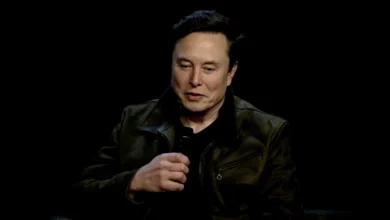
Elon Musk says Grok Bot can manage your finances through linked bank and investment accounts

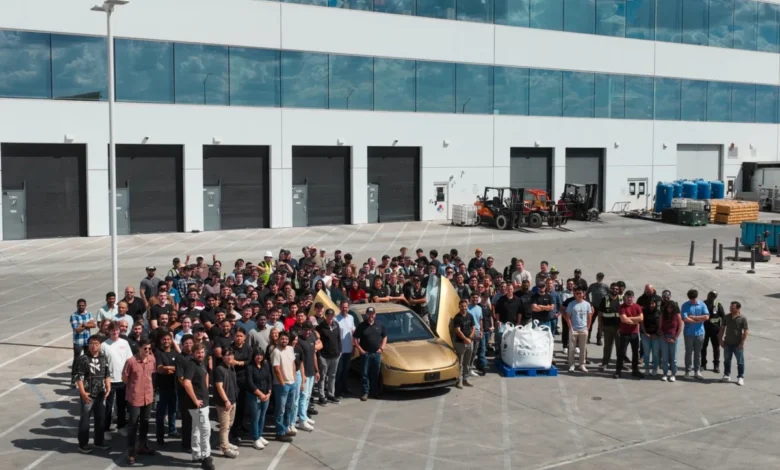
The landscape of personal finance management is undergoing a significant transformation as SpaceXAI, the artificial intelligence division associated with Elon Musk’s ventures, officially rolls out a comprehensive Finance integration for its Grok agent platform. This expansion allows users to link their bank accounts, credit cards, and investment portfolios directly to the AI, enabling the bot to monitor spending patterns, track cash flow, and assist in managing investment strategies. The announcement, which Musk amplified on the social media platform X, signals a move toward hyper-personalized, AI-driven fiscal oversight that aims to streamline complex financial tasks for the average consumer.
A Rapidly Evolving Roadmap
The integration of financial services into the Grok ecosystem follows a deliberate, multi-phased development strategy. In early September 2026, Grok received its initial capability to query and analyze financial data, including spending habits, savings progress, and investment portfolio performance. This early iteration utilized secure connections through Plaid, a leading financial services API, primarily focusing on U.S.-based users.
This foundation was laid following a significant milestone on August 28, 2026, when SpaceXAI enabled Grok Bot to conduct online transactions. By utilizing a "Link" payment gateway, the system introduced a layer of security where the bot generates a single-use card for each specific purchase, requiring the user to explicitly approve every transaction before execution. This architectural choice addresses long-standing concerns regarding AI autonomy in financial contexts, ensuring that the human remains the final arbiter of capital movement.
The Vision of Autonomous Financial Management
Elon Musk has consistently pushed for higher levels of AI-driven autonomy, even when faced with skepticism from the public and financial analysts. In late August 2026, when noted Tesla investor "Teslaconomics" expressed hesitation regarding granting an AI agent access to sensitive banking credentials, Musk offered a robust, if unconventional, guarantee: "Try it out. If Grok Bot messes up, we will make you whole."
While this statement serves as a powerful marketing endorsement for early adopters, it introduces a complex legal and regulatory dynamic. SpaceXAI’s formal consumer terms of service maintain a standard liability cap, typically limited to the greater of fees paid or a $100 threshold, and explicitly state that users hold responsibility for their agents’ actions. To mitigate risk, the company’s internal documentation strongly advises that users maintain strict "human-in-the-loop" protocols, particularly for large purchases or inter-bank transfers. This tension between the "move fast and break things" philosophy and the conservative nature of the financial services industry remains a focal point for regulators watching the rollout.

Integration into the Tesla Ecosystem
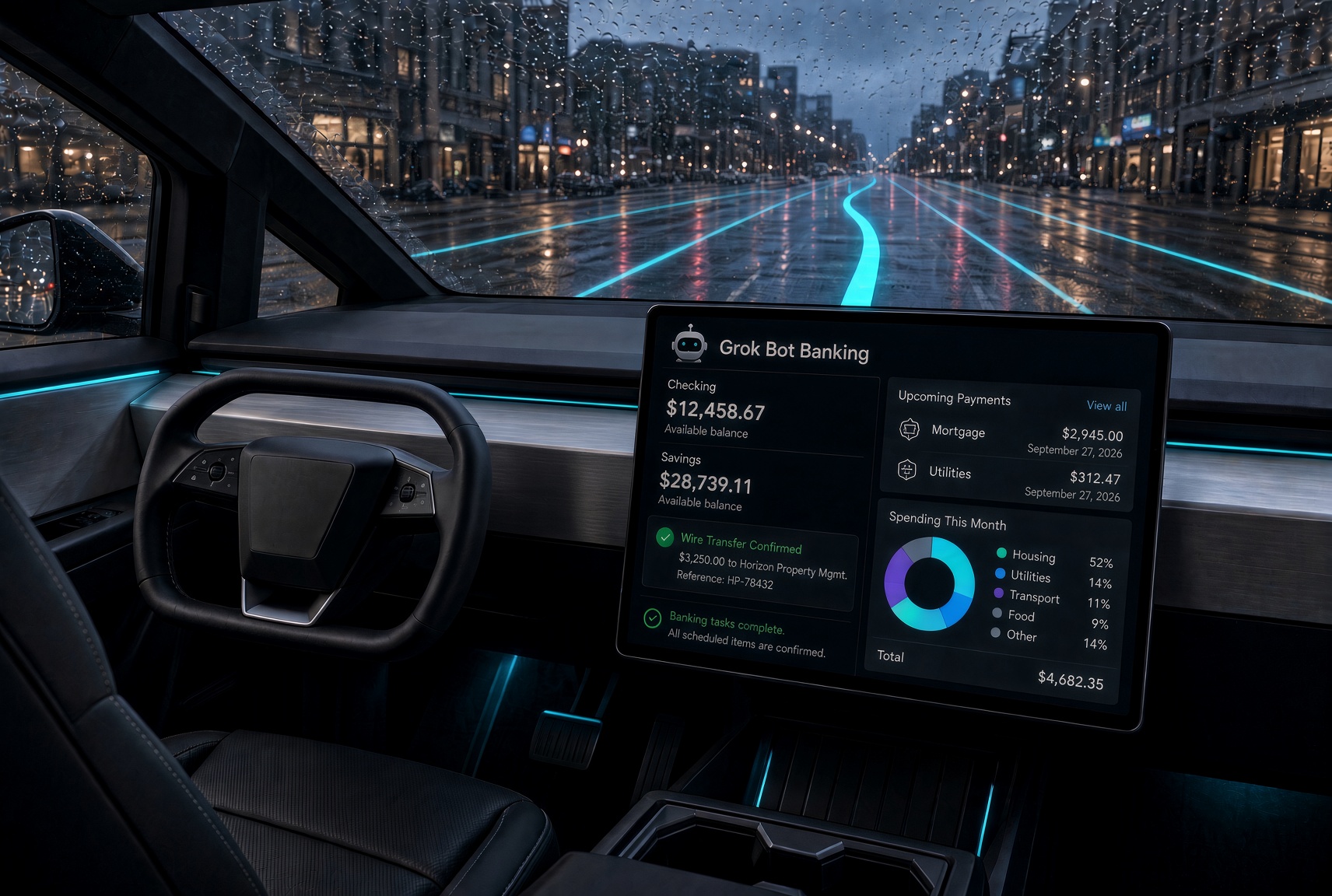
For the automotive sector, this development is particularly consequential. On September 22, 2026, Tesla introduced native Grok Bot integration into its vehicle fleet, allowing drivers to delegate administrative tasks to the AI via voice commands while the Full Self-Driving (Supervised) system navigates the road.
By layering the new Finance integration over the existing in-vehicle AI, Tesla owners can now perform high-level financial tasks during their commute. A driver can, for instance, request a real-time summary of upcoming bill payments, check the status of specific stock holdings, or analyze monthly spending trends without needing to access a smartphone or laptop. Currently, this advanced level of functionality is reserved for "SuperGrok Heavy" subscribers, while basic connection features remain accessible to all authenticated Grok users. This move mirrors the broader "Summer Update" that allowed the AI to control cabin climate, media, and navigation features, effectively turning the vehicle into an extension of the user’s digital workspace.

Broader Economic Implications
The introduction of AI-managed personal finance could have far-reaching effects on consumer behavior. By automating the monitoring of "micro-spending"—small, recurring charges that often go unnoticed—the Grok Bot could provide a more granular view of personal liquidity than traditional banking apps.
However, the shift toward delegating financial decisions to a Large Language Model (LLM)-based agent necessitates a new standard in digital security. The use of single-use payment cards and multi-factor authorization for account linking represents a departure from traditional "password-sharing" security models. Experts in fintech suggest that as these models become more sophisticated, the focus will shift from simple spending summaries to proactive wealth management, such as automated tax-loss harvesting or optimized asset allocation based on real-time market data.
Competitive Landscape and Future Outlook
SpaceXAI is not alone in the pursuit of the "AI Financial Assistant." Major banking institutions and traditional tech giants are also experimenting with proprietary AI agents designed to navigate the complexities of personal wealth. However, the unique integration of SpaceXAI’s tools across the Tesla automotive platform, the X social media network, and the broader Grok AI suite creates a vertical integration strategy that competitors struggle to replicate.
The trajectory of this technology is aggressive. With the Gigasat factory in Texas aiming to increase orbital compute capacity and the ongoing development of more capable AI models, the infrastructure supporting these bots is growing in parallel with their capabilities. As of late September 2026, the primary challenge for the company is not just the sophistication of the algorithm, but the building of institutional trust. Whether users are willing to entrust their full financial profiles to an AI agent—and whether that agent can consistently outperform traditional budgeting tools—will be determined by the system’s performance over the coming fiscal quarter.

Technical and Regulatory Considerations
The technical architecture of the Finance integration relies on robust encryption standards to ensure that sensitive banking data remains siloed from the training data of the broader Grok model. According to company disclosures, the financial data retrieved via Plaid is used exclusively for the user’s current session and is not utilized to retrain the underlying AI models unless explicitly authorized by the user.
From a regulatory standpoint, the landscape is shifting. Agencies such as the Consumer Financial Protection Bureau (CFPB) have recently begun evaluating how AI-driven financial advice and transaction management should be categorized under existing banking laws. If the AI is deemed to be providing "financial advice" rather than merely "financial management," the regulatory burden on SpaceXAI could increase significantly. For now, the product is positioned as a productivity tool, emphasizing convenience and data synthesis rather than investment solicitation or advisory services.

Conclusion
As of September 27, 2026, the integration is fully operational for users with the necessary subscription tiers. The next few months will be critical for assessing the stability and reliability of the Finance module. If the system succeeds in providing accurate, secure, and helpful fiscal insights, it may well set a new industry standard for how individuals interact with their assets. Conversely, any technical missteps or security vulnerabilities could force a pivot, illustrating the high-stakes nature of merging generative AI with personal capital. As Elon Musk continues to expand the utility of his AI agents, the boundary between passive banking and active, automated wealth management continues to dissolve, marking a significant milestone in the evolution of the digital economy.