The Future of Apple Audio: Why the Rumored Camera-Equipped AirPods Have Been Pushed to 2027

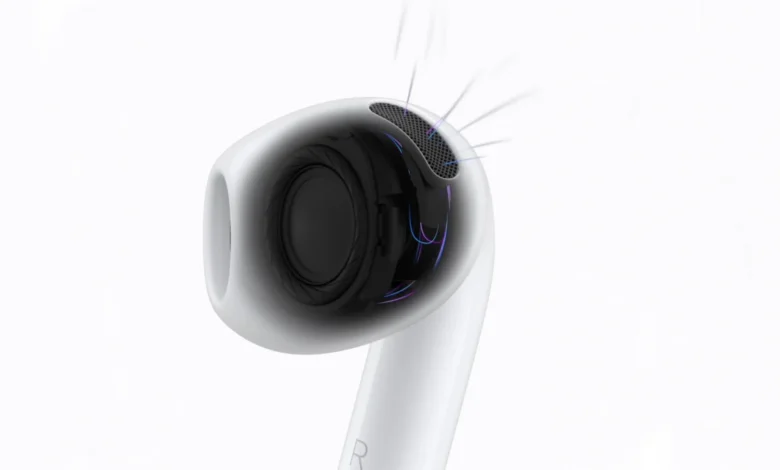
The highly anticipated debut of Apple’s rumored camera-equipped wireless earbuds, colloquially referred to as AirPods Ultra, did not materialize at the September 9 iPhone 18 launch event, with industry analysts now projecting a release date no earlier than 2027. While market observers initially speculated that these advanced wearables might accompany the launch of the new iPhone 18 lineup and the foldable iPhone Duo, the company opted to focus its presentation on the release of the AirPods 5 and advancements in its core mobile hardware. This strategic delay, according to supply chain reports and industry experts, is intended to provide Apple with the necessary time to refine the integration of hardware sensors and ensure the device meets the company’s stringent privacy and performance standards.
Chronology of the Development Cycle
The narrative surrounding camera-equipped AirPods began in early 2024, when patent filings and supply chain leaks suggested Apple was experimenting with infrared (IR) camera modules embedded within the chassis of its earbuds. The initial industry consensus posited that these devices would serve as a conduit for augmented reality (AR) applications rather than traditional photography.
By late 2025, reports suggested that the project was being fast-tracked to integrate with Apple’s "Visual Intelligence" suite. However, internal testing cycles—often spanning eighteen to twenty-four months for new wearable form factors—appear to have necessitated a longer gestation period. The omission of the device from the September 2026 hardware event marks a significant recalibration of the product roadmap, moving from a rumored late-2026 rollout to a target window of 2027. This timeline aligns with the historical development cycles of the Vision Pro and the Apple Watch, where the company favored extended R&D phases to solve complex thermal and battery management challenges.
Technical Challenges and Hardware Integration
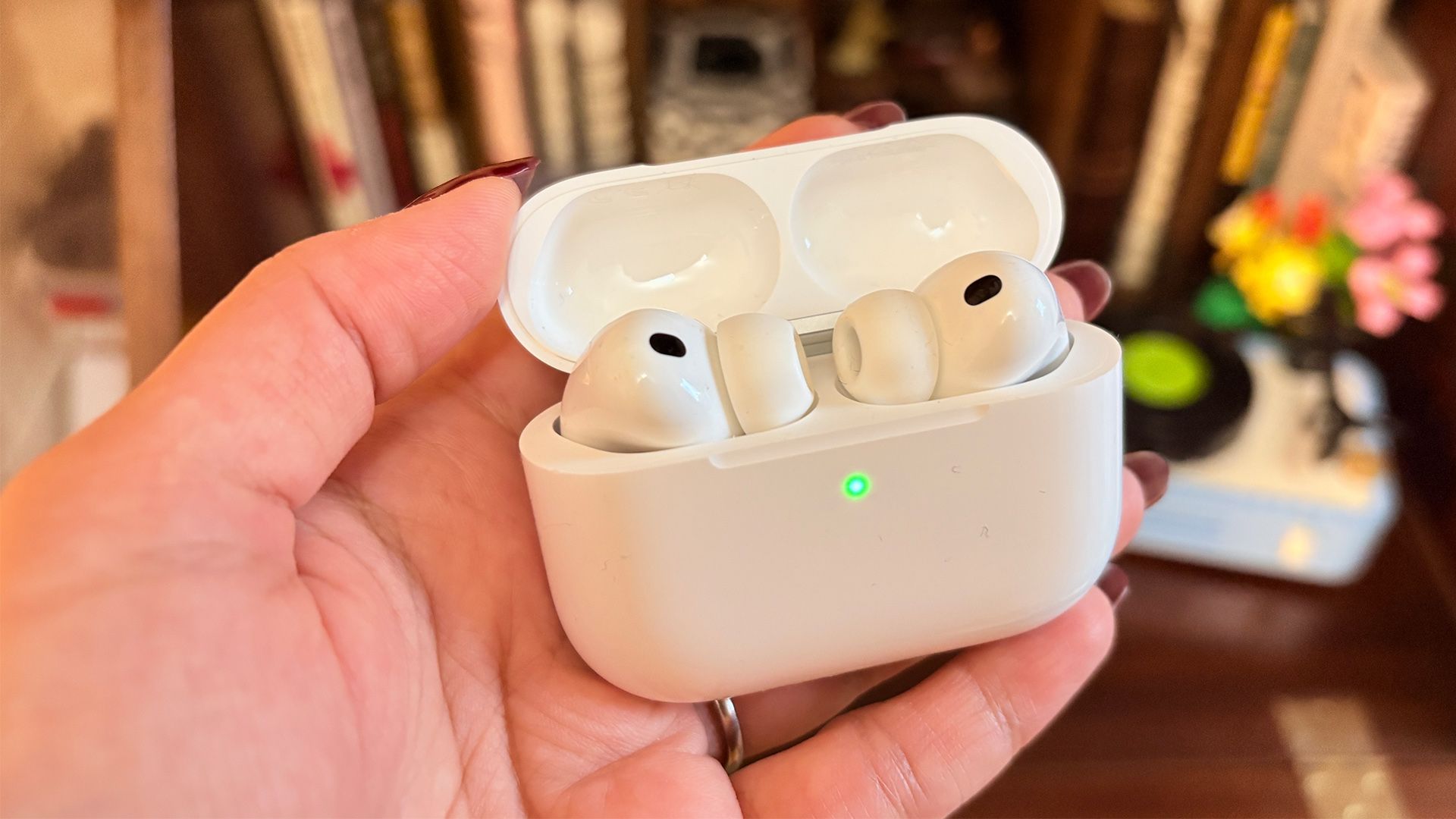
Integrating an imaging sensor into an earbud form factor presents substantial engineering obstacles. The primary concern is the thermal envelope of the device. Current flagship earbuds, such as the AirPods Pro 3, rely on the H2 chip to balance active noise cancellation (ANC), computational audio, and low-latency connectivity. Adding an IR camera—which requires its own processing pipeline—would likely demand a successor to the H2, potentially an "H3" silicon architecture.
Battery life remains the most critical performance metric for wireless audio. The power draw required to maintain a camera in a "ready" state for AR or visual processing tasks would necessitate a significant increase in energy density. If the device is to maintain the current industry standard of 5 to 6 hours of continuous playback, the engineering team must either adopt next-generation battery chemistry or find unprecedented efficiencies in the camera’s power management.
Furthermore, the physical space within the housing of an earbud is already occupied by acoustic drivers, microphones, and sensors for spatial audio and health monitoring. Reconfiguring this interior architecture to accommodate a camera lens—without compromising the acoustic seal or sound quality—remains the primary roadblock.
Privacy Concerns and the Meta Precedent
The decision to delay the launch is likely influenced by the ongoing public discourse regarding wearable cameras. Products such as Meta’s smart glasses have faced significant scrutiny regarding the ethics of capturing images in public spaces without clear, visible indicators for bystanders. Apple, which has heavily branded itself as a leader in user privacy, faces a higher barrier to entry for any device capable of capturing visual data.
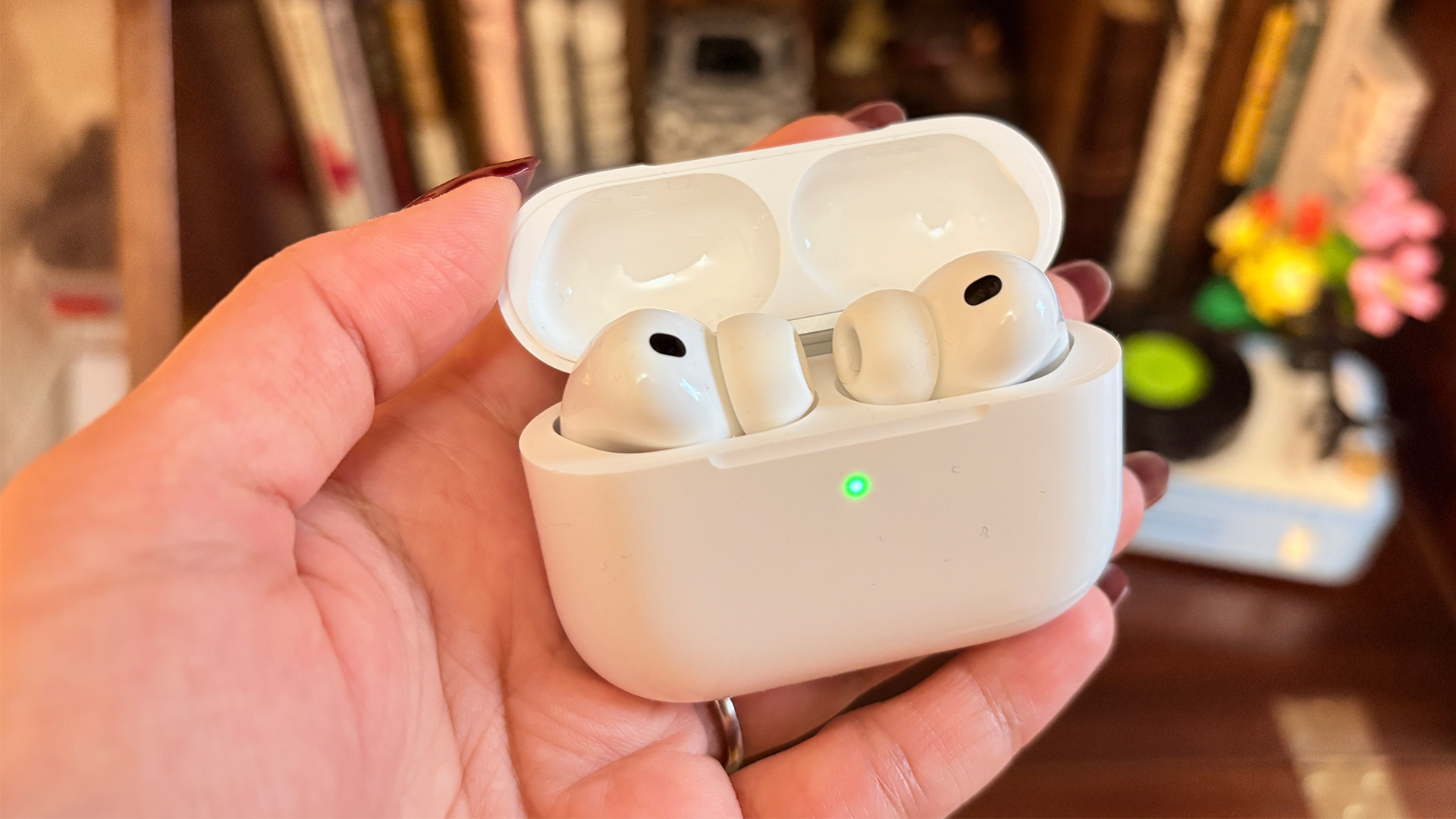
Industry analysts suggest that if the "AirPods Ultra" were to launch, the cameras would likely function strictly as environmental sensors. The intended use case, as documented in preliminary software documentation for macOS Tahoe, focuses on identifying physical objects—such as recognizing a book or a landmark—to trigger contextual information on the user’s connected iPhone or Apple Vision headset. By positioning these sensors as tools for accessibility and data retrieval rather than image capture, Apple aims to circumvent the privacy pitfalls that have hampered competitors.
Market Context and the Role of AI
The launch of the iPhone 18 Pro and Pro Max introduced a more conversational, AI-integrated version of Siri, underscoring Apple’s pivot toward practical, privacy-centric artificial intelligence. The delay of the camera-equipped AirPods suggests that Apple intends to synchronize the hardware release with a more mature version of its AI ecosystem.
Rather than chasing the generative AI trends dominated by third-party chatbots, Apple is betting on "ambient intelligence." In this paradigm, the earbuds would serve as a wearable input device, using the camera to interpret the physical world and provide the user with real-time assistance. This would represent a fundamental shift in the purpose of the AirPods, moving them from a media-consumption device to a multifunctional assistant.
Performance Metrics and Competitive Landscape
Despite the focus on future hardware, the current market for wireless earbuds remains highly competitive. The AirPods Pro 3 continue to be a standard-bearer for sound quality and ANC performance. However, challengers such as the Sony WF-1000XM6 continue to push the boundaries of acoustic fidelity.
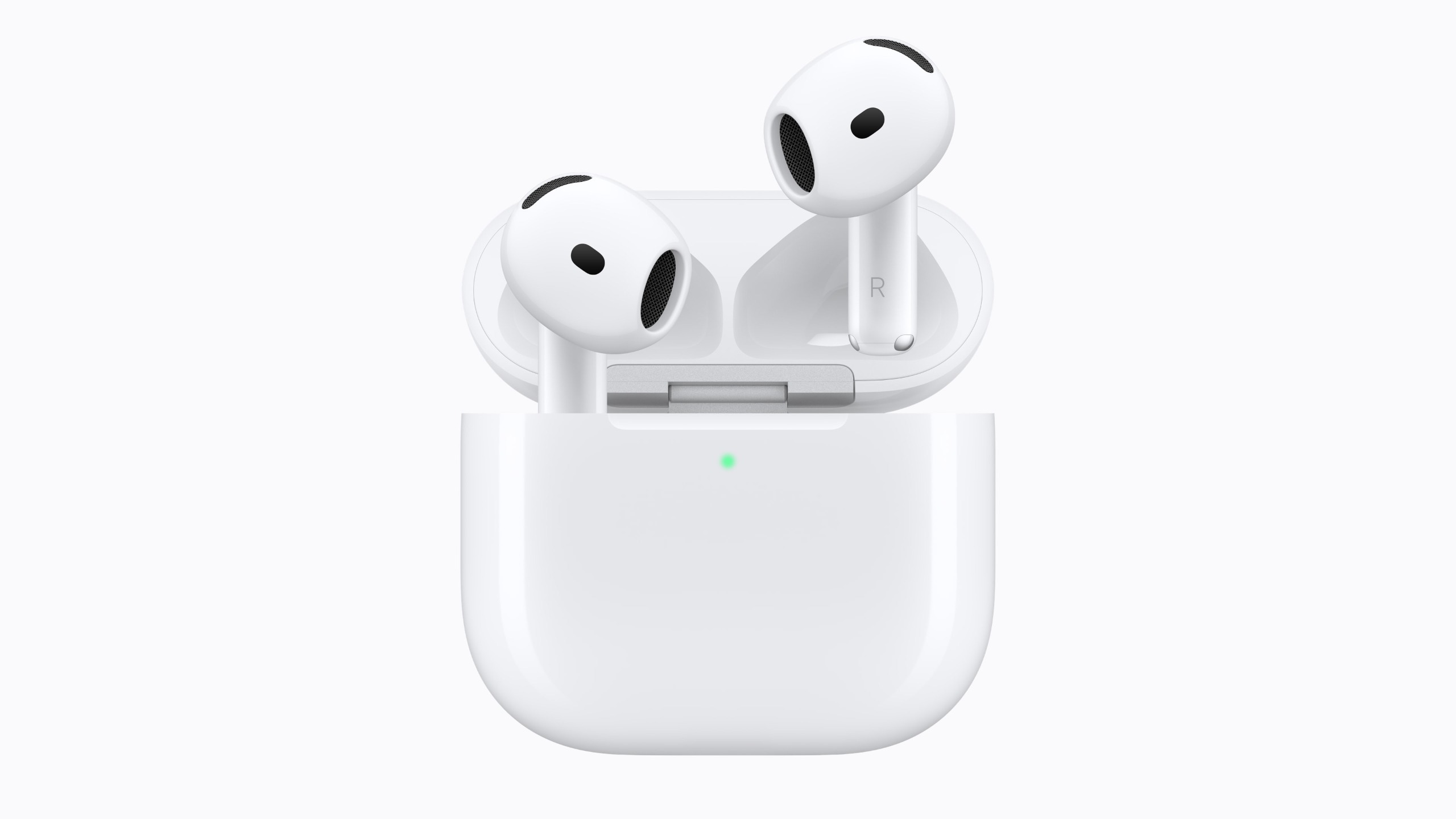
Apple’s current product strategy appears to be twofold: maintaining the dominance of its standard AirPods lineup—which saw significant improvements in ANC and acoustic architecture with the AirPods 5—while simultaneously exploring "moonshot" projects like the camera-equipped buds. This dual-track approach allows the company to satisfy the mass market with iterative, reliable upgrades while keeping the high-end enthusiast market engaged with experimental technology.
Implications for the Future
The delay of the AirPods Ultra to 2027 carries several implications for the audio industry:
- Silicon Evolution: The wait confirms that the current H2 chip has reached its performance ceiling. The next major leap in Apple’s audio hardware will be predicated on the introduction of a more efficient, AI-capable processor.
- Standardization of Wearables: By waiting until 2027, Apple is allowing the market to stabilize regarding the regulations and social norms of wearable sensors. This suggests that the company is aiming for a "polished" release rather than a "beta" product.
- Consumer Expectations: The delay manages expectations for the current AirPods lineup. By clearly separating the "Pro" models from the experimental "Ultra" category, Apple avoids cannibalizing its existing sales while providing a clear roadmap for users who prioritize the latest in sensory technology.
Ultimately, while the absence of a camera-equipped device at the September event might disappoint those looking for immediate innovation, it reflects a disciplined approach to product development. By prioritizing audio performance and privacy-first integration, Apple is signaling that it is unwilling to compromise its brand identity for the sake of a rushed launch. As the industry moves toward a future where wearables are as essential as the smartphone itself, the 2027 timeline provides a realistic window for the hardware to mature, ensuring that when these devices do reach the market, they are functional, private, and capable of delivering the high-fidelity sound that remains the primary mandate of the AirPods line.