From Dining Room to Digital Showcase: A Culinary Brand’s Product Launch Leverages Home Studio Innovation

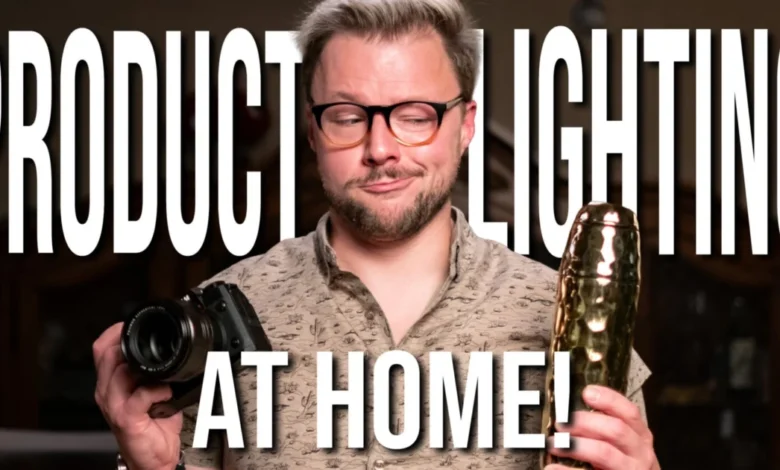
Recently, a prominent culinary brand tasked a content creator with providing feedback on a new, unreleased product: a sophisticated cocktail shaker. The company’s initial request involved a more traditional approach, asking for hands-on testing and a post-experience survey. However, the creator, eschewing the conventional, proposed an ambitious alternative: producing a comprehensive promotional video directly from their personal dining room. This initiative, born out of a desire to go beyond a simple questionnaire, ultimately showcased the potential for high-quality product videography within unconventional, resource-limited environments.
The project commenced with the explicit goal of transforming a familiar domestic space into a functional production studio. The unreleased cocktail shaker, described as having a "gorgeous" and "sleek design with lots of gold facets," presented an immediate technical challenge due to its highly reflective nature. This inherent characteristic necessitated a meticulous approach to lighting, a critical element in capturing the product’s aesthetic appeal without succumbing to distracting glare.
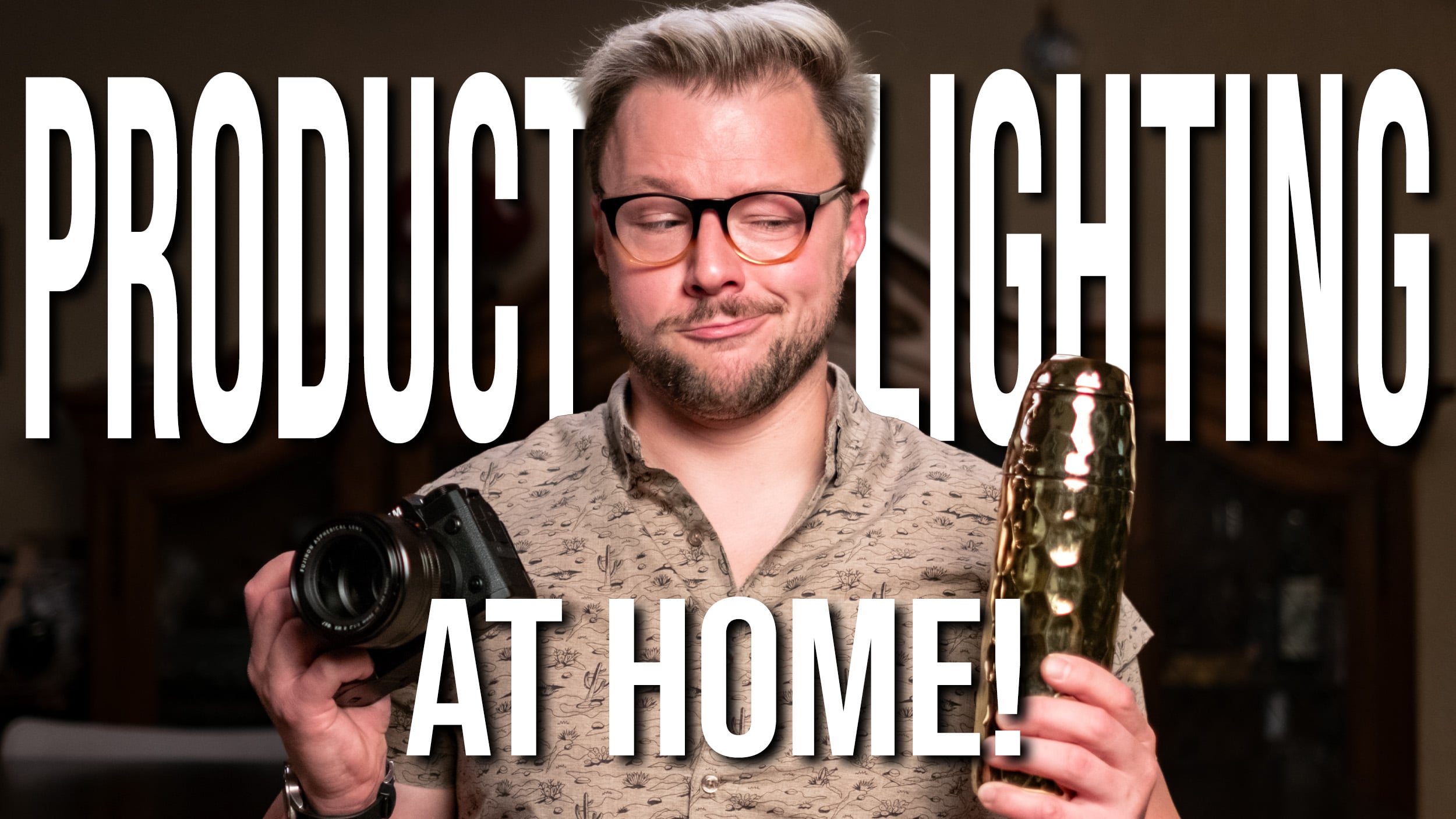
Strategic Illumination: Mastering Light in a Domestic Setting
The creator’s strategy for tackling the shaker’s reflectivity began with an understanding of light control. Recognizing that natural daylight could introduce unpredictable reflections and color casts, the decision was made to establish a controlled lighting environment. The primary window in the dining room was blacked out, and curtains were drawn on a secondary window, effectively creating a near-total blackout. This deliberate dimming of ambient light allowed for complete dominion over the lighting setup, ensuring that artificial light sources could be precisely shaped and directed.
"Ideally, I’d shoot at night to avoid daylight spilling in from every direction," the creator noted, highlighting a common challenge for creators with demanding personal schedules. "But I don’t have that kind of time in the evenings as the father of a young child, so I relied on Plan B." This pragmatic adaptation underscores the resourcefulness often required in independent content creation, where time constraints and personal commitments necessitate flexible problem-solving. The ability to "dial in the color temperature to whatever suits your setup" was a key benefit of this controlled approach, allowing for a warmer tone, balanced between 2,700 and 2,900 Kelvin, to complement the existing warm tones of the dining room environment.
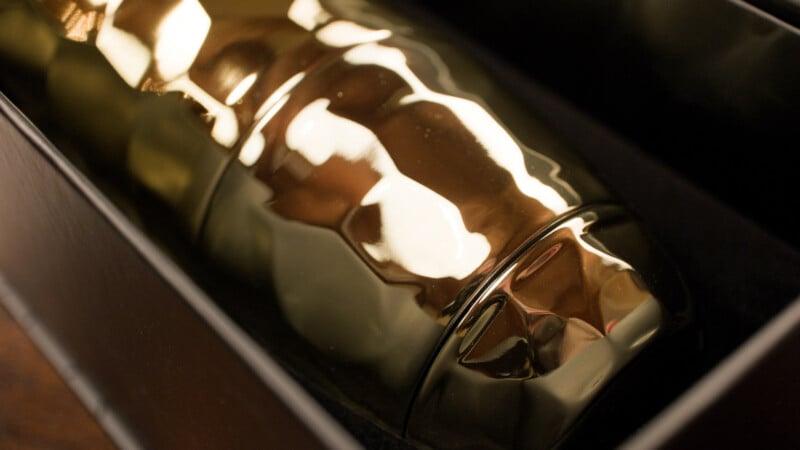
The lighting rig itself was a carefully orchestrated assembly of professional equipment. A primary "key light," an Aputure 600 Bicolor LED, was fitted with a medium dome softbox and directed towards the cocktail preparation area. Crucially, a grid was added to this light source. This accessory, a common tool in professional lighting, serves to narrow the beam of light and minimize unwanted spill, ensuring that illumination is focused precisely where needed and doesn’t bleed into other areas of the frame.
Complementing the key light were two secondary "edge lights." These lights, positioned on either side of the product setup, are designed to create separation between the subject and the background, adding depth and dimension to the image. One edge light utilized a Nanlite 150 with a small circular dome softbox, while the other employed a similar Nanlite 150 but with a narrow Godox softbox, a choice often made for its suitability in tighter shooting spaces. Grids were also applied to these edge lights, further refining their directionality and preventing light from encroaching on unintended areas. This layered lighting approach is fundamental to product photography and videography, allowing for the sculpting of light to reveal texture, form, and highlight the inherent beauty of the product.
Movement and Focus: Bringing the Product to Life
Beyond static shots, the project emphasized the importance of dynamic camera movement in product videography. While tripods provide stability for detailed macro shots and precise focus, the creator recognized that true engagement often comes from motion. "Product videography lives on motion: slow push-ins, dollies, and anything that moves around the product," the creator explained.
To achieve this, a motorized 30-inch slider was employed for controlled push-in shots. However, for cylindrical subjects like a cocktail shaker and glass, a more immersive perspective was desired. This led to the acquisition of a small turntable, a device that allows for smooth rotation of the product. "I wanted to spin around it and catch the reflections bouncing," the creator stated, underscoring the intent to showcase the shaker’s multifaceted design and its interaction with light. The turntable enabled the camera to remain stationary while the product rotated, a technique that simplifies focus challenges and ensures consistent framing as the subject moves.
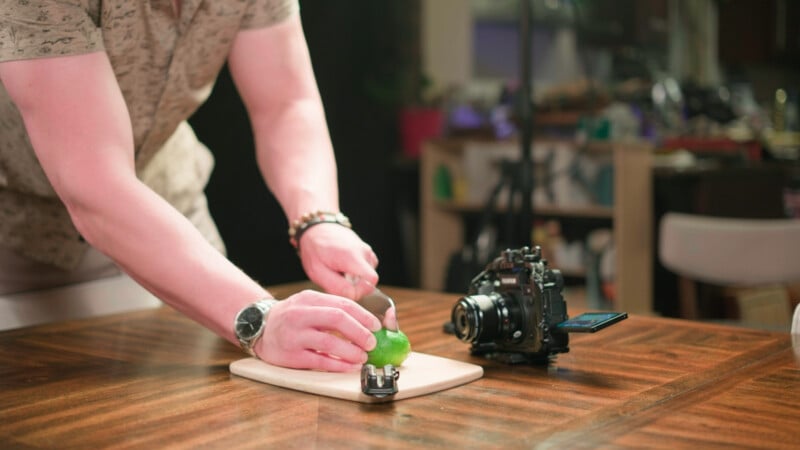
The use of tripods remained crucial for capturing critical details. Shots of ingredients being prepared, such as a lemon being squeezed into a cocktail or citrus being sliced, were executed with a focus on manual focus. This meticulous control over the focal plane is essential for isolating and emphasizing specific actions or textures. Overhead shots were also incorporated, achieved by positioning the tripod on the dining table and angling the camera downwards, again with careful manual focus adjustments.
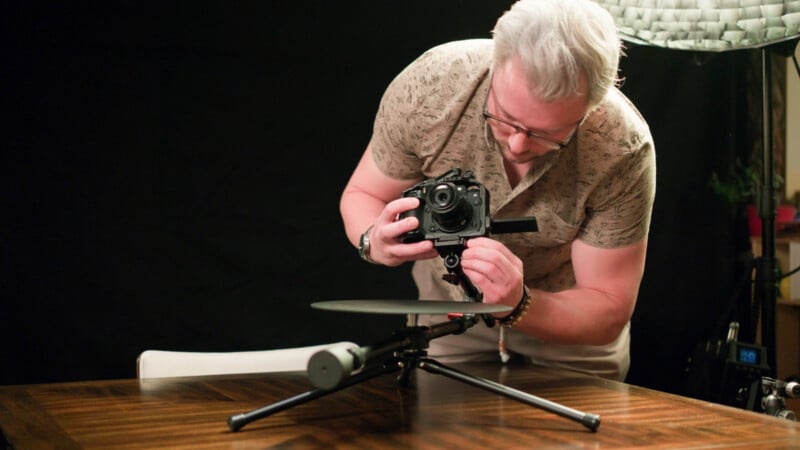
The turntable proved instrumental in executing more elaborate sequences. With the shaker positioned on the rotating platform, the creator established focus and proceeded with multiple takes, experimenting with different camera moves and angles. The decision to shoot at 120 frames per second for some of these sequences was a strategic choice, offering greater flexibility in post-production for slow-motion effects, adding a layer of visual sophistication.
A particularly inventive technique involved the slider for a "razor blade gliding across the plastic packaging" shot. Instead of moving the camera, the packaging itself was placed on the slider. This creative inversion of typical camera movement created the illusion of the camera tracking the blade, while in reality, only the product and its immediate surroundings were in motion. This demonstrates a key principle of efficient production: achieving desired visual effects by manipulating the elements within the frame, rather than relying solely on complex camera rigs.
Broader Implications and Brand Strategy
The success of this project, executed with limited gear and in a non-traditional space, carries significant implications for both independent creators and brands looking to produce engaging product content. The creator’s assertion that "you don’t need a studio to shoot product work" resonates deeply in an era where accessibility to high-end equipment is not always a prerequisite for quality output. The emphasis on controlling light, incorporating movement, and developing unique setups with existing tools highlights the power of creative problem-solving.
This initiative by the culinary brand can be seen as a forward-thinking approach to product marketing. By engaging a creator who could not only provide feedback but also produce compelling visual assets, the brand effectively leveraged their product development cycle for promotional purposes. The choice to empower the creator to innovate within their own environment suggests a trust in their creative vision and an understanding that authentic storytelling can emerge from diverse settings.
The timeline of this project, from initial product seeding to the final video production, likely spanned several weeks. The iterative process of testing, filming, and potentially editing would have allowed the brand to receive not only technical feedback on the shaker’s performance but also a tangible demonstration of its aesthetic potential. The final promotional video, therefore, serves a dual purpose: as a marketing tool and as a testament to the brand’s willingness to embrace modern content creation methodologies.
From a business perspective, this approach offers several advantages. It can be more cost-effective than traditional studio rentals and extensive crew hires, particularly for smaller or independent brands. Furthermore, it allows for a more agile and responsive production process. The creator’s ability to adapt to their personal schedule and environment suggests a more streamlined workflow that can yield results efficiently.
The analysis of this project points to a growing trend in influencer marketing and brand collaborations. Brands are increasingly seeking creators who can authentically integrate their products into their existing content ecosystems, rather than relying on purely staged endorsements. The success of this cocktail shaker promotion hinges on the creator’s ability to demonstrate the product’s utility and appeal within a context that feels relatable and aspirational to a wider audience.
The broader impact of such initiatives extends to the democratization of content creation. By showcasing that high-quality product videos can be produced with accessible equipment and ingenuity, this project serves as an inspiration for aspiring filmmakers, photographers, and marketers. It underscores the importance of skill and creativity over sheer financial investment in high-end production facilities. The moral of the story, as articulated by the creator, is to "keep creating and challenging yourself," a message that empowers individuals to overcome perceived limitations and pursue their creative ambitions. The culinary brand, by supporting this innovative approach, has not only secured valuable promotional material but also contributed to the ongoing evolution of digital marketing and content production.