The Best Laptops Under $1,000 for 2025 Deliver Professional Performance Without the Premium Price Tag

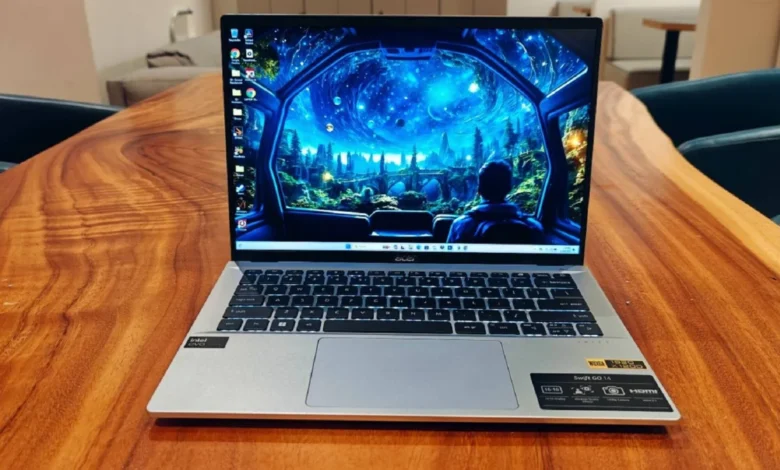
The long-standing consumer myth that high-tier computing performance is exclusively reserved for devices priced well into the four-figure range is being dismantled by the 2025 laptop market. Driven by advancements in mobile silicon and the integration of AI-optimized processing, current sub-$1,000 laptops are no longer relegated to compromise. Today, these machines frequently compete with flagship counterparts, offering robust battery life, durable build quality, and displays that meet the demands of modern professionals, students, and casual gamers alike.
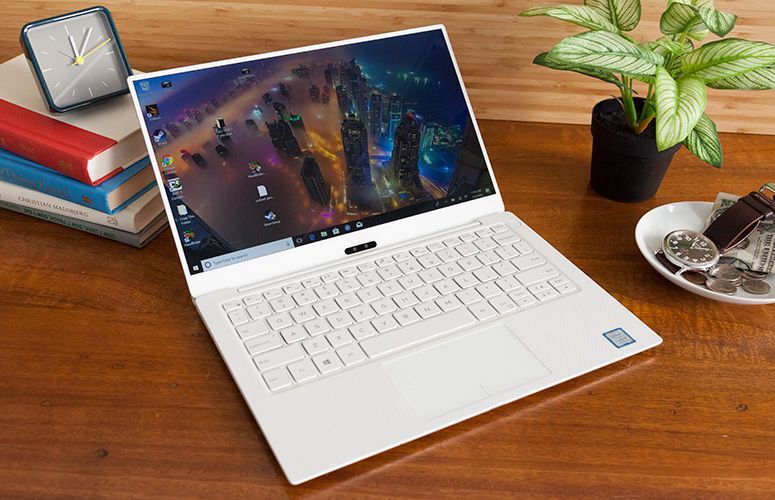
As of mid-2025, the landscape for value-oriented hardware has shifted. Manufacturers have prioritized efficiency, allowing for lighter, more portable designs that do not sacrifice thermal management or processing power. For consumers navigating this competitive segment, the decision-making process has become more nuanced, requiring a clear understanding of whether one’s needs lean toward pure productivity, creative workflows, or entry-level gaming.
A Chronology of Market Shifts in 2025
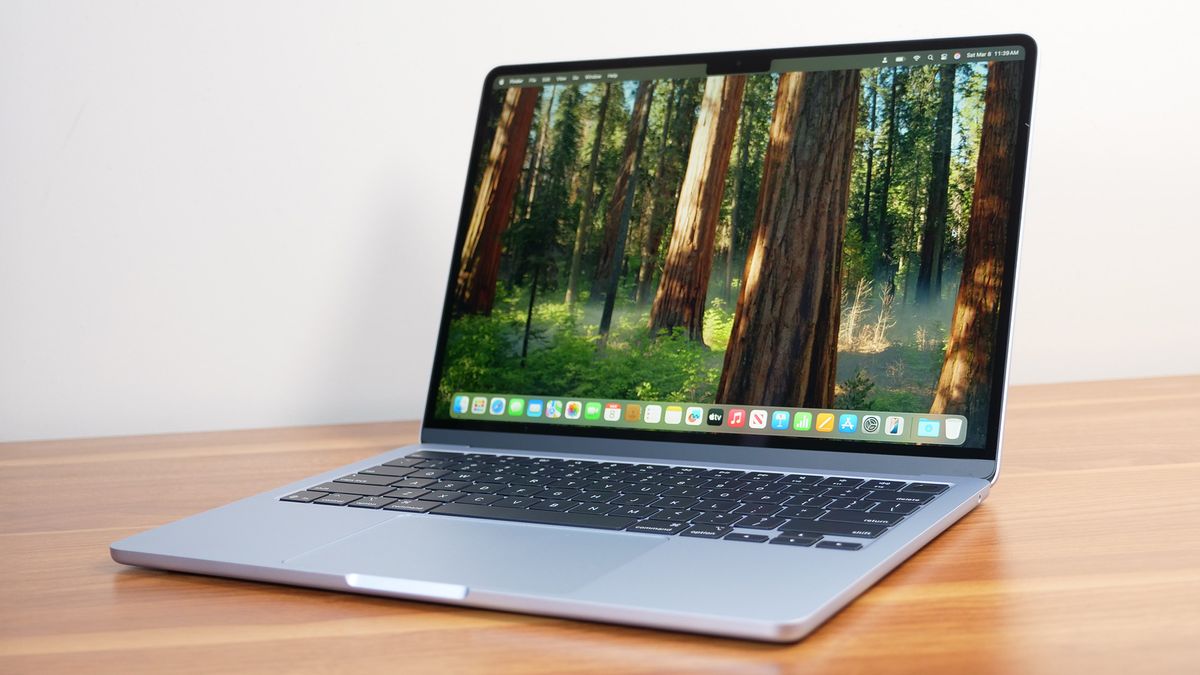
The first half of 2025 has seen a significant recalibration of the mid-range laptop market. In June, the industry saw a flurry of updates that redefined the "Best Overall" category. Notably, the Apple MacBook Air 13-inch M4 was positioned as the standard-bearer for value, marking a strategic shift in Apple’s pricing strategy by lowering the entry point for its latest silicon.

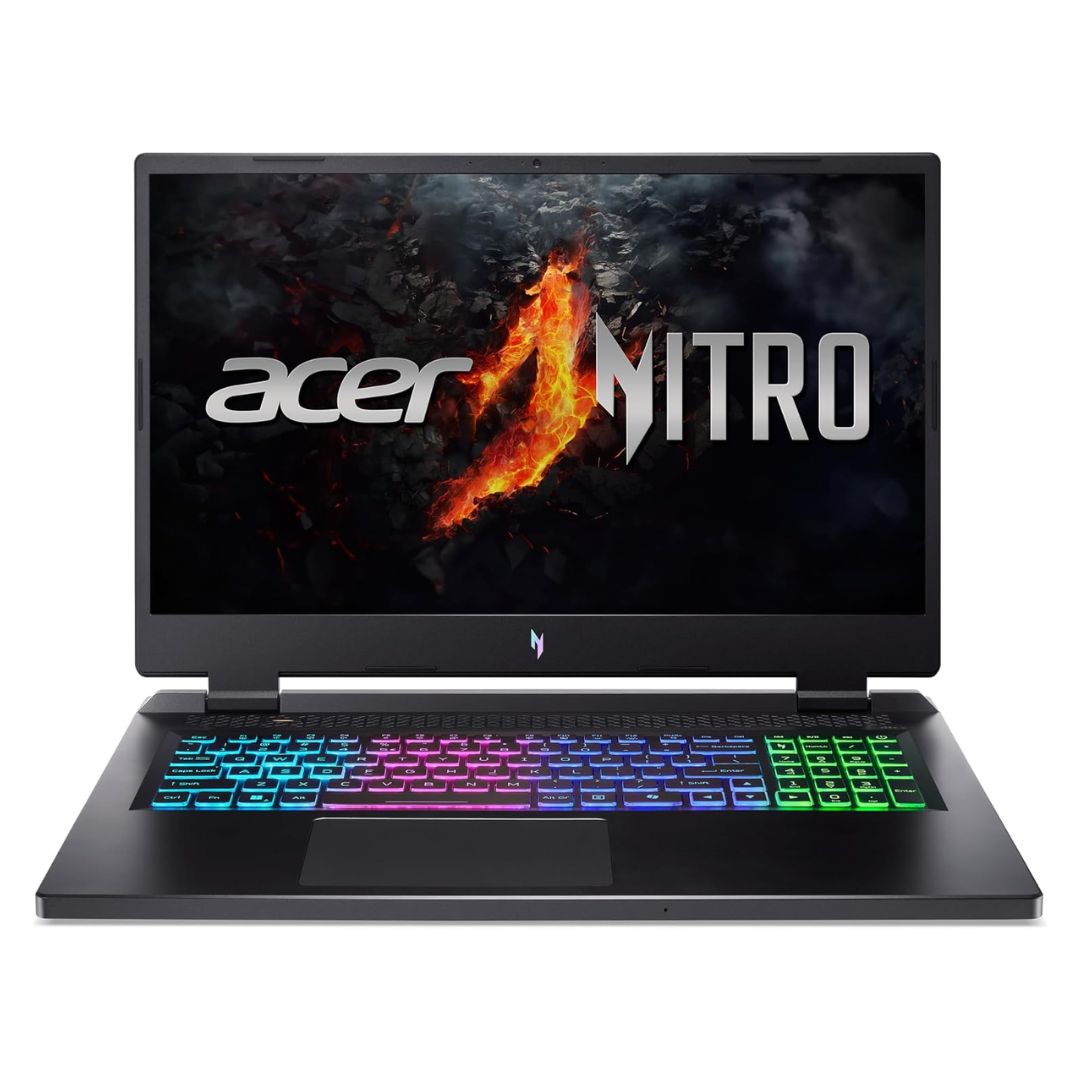
Concurrent with this, the Windows market saw a pivot toward the "Core Ultra" architecture. On June 16, 2025, industry analysts observed a major reclassification in product rankings: the Acer Swift Go 14 was moved from the "Best Overall" slot to "Best Windows Laptop," acknowledging the dominance of Apple’s M4 chip in general-purpose utility. Simultaneously, the inclusion of the Acer Nitro 17 as the premier budget gaming option and the Samsung Galaxy Chromebook Plus as the leading ChromeOS device highlighted a diversification of needs within the sub-$1,000 bracket. These changes reflect a broader industry push to ensure that budget-conscious buyers have access to hardware that can handle the increased computational overhead of AI-enhanced operating systems.
Data-Driven Performance Benchmarks
The transition to modern processing platforms, such as the Intel Core Ultra 7 155H and the Apple M4, has provided a measurable boost in real-world performance. In standardized testing, these chips have closed the gap that previously existed between premium workstations and consumer laptops.
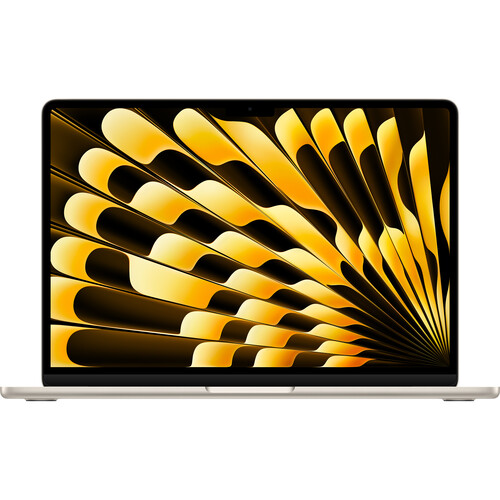
The Apple MacBook Air 13-inch M4, currently priced at $999, serves as a primary benchmark for the category. It recorded a Geekbench 6 multi-core score of 14,849, a figure that significantly outperforms many Windows-based competitors that were retailing for hundreds of dollars more only a year prior. This performance is sustained by the efficiency of the M4 architecture, which allows for over 15 hours of battery life—a critical metric for mobile professionals.
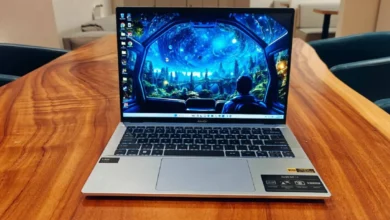
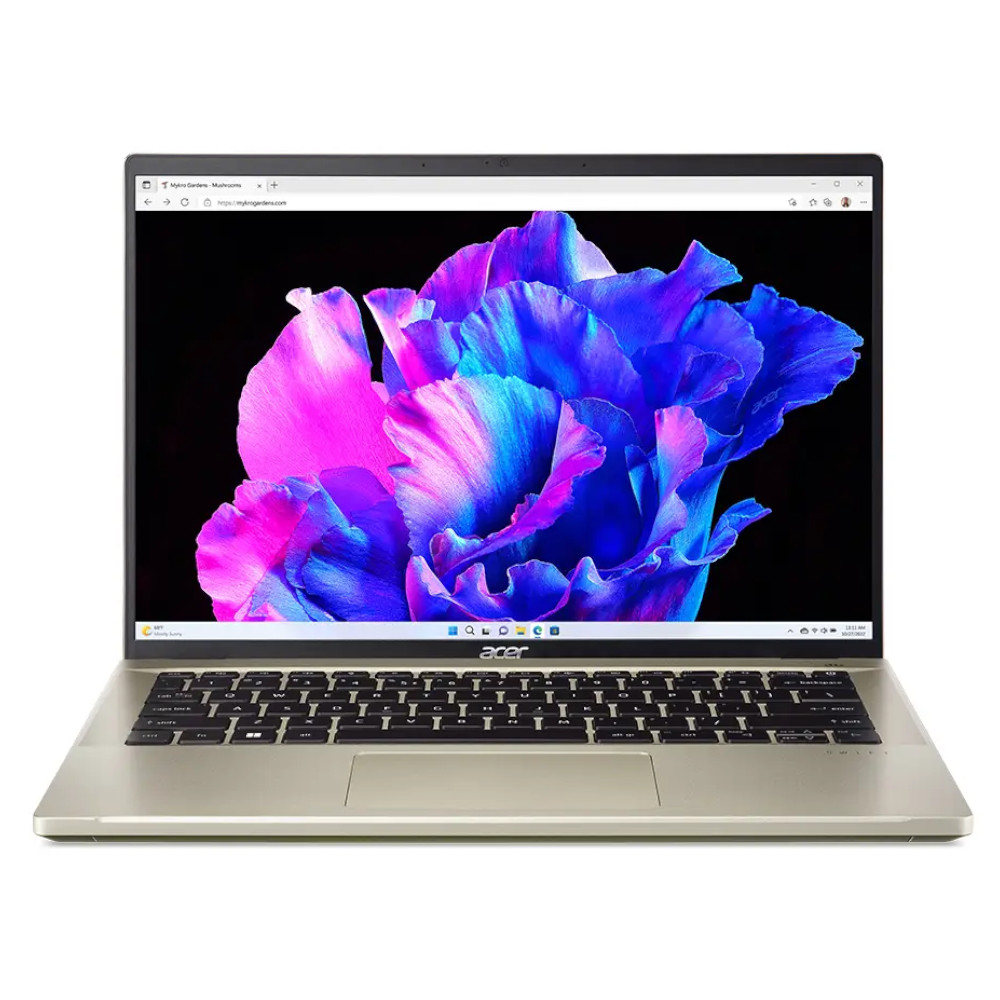
Conversely, the Windows ecosystem has relied on raw multitasking power. The Acer Swift Go 14, equipped with the Intel Core Ultra 7 155H and Arc integrated graphics, achieved a multi-core score of 11,815 on the Geekbench 5.5 test. While this trails the M4 in sheer computational power, it represents a substantial improvement over previous-generation processors, particularly in AI-driven task management and video encoding.
For those requiring specialized hardware, the Acer Nitro 17 offers a distinct value proposition. By pairing an AMD Ryzen 7 8845HS processor with an Nvidia GeForce RTX 4060 GPU, the machine achieves a 3DMark FireStrike score of 24,422. This level of graphical performance is rarely found at this price point, though it comes with the expected trade-off of a higher weight (6.8 pounds) and a more modest battery runtime of approximately 7 hours and 22 minutes.
The Role of Display and Build Quality
A critical area of improvement in the 2025 budget market is the display technology. Historically, sub-$1,000 laptops were identified by dim, color-inaccurate panels. This year, manufacturers have begun integrating higher-quality screens as a standard feature.
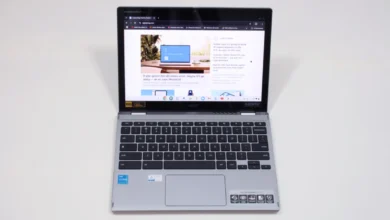
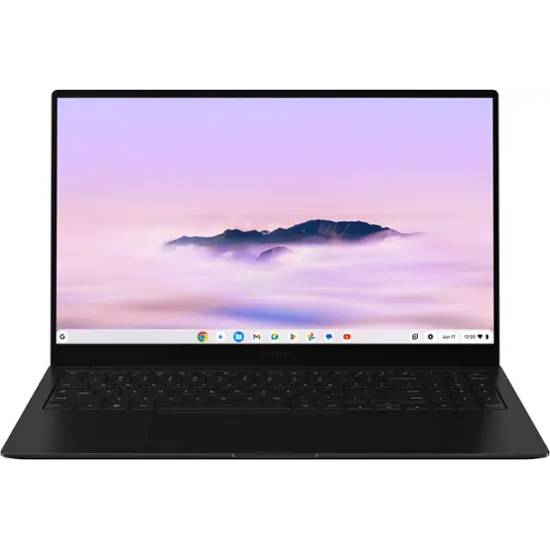
The Samsung Galaxy Chromebook Plus, for instance, features a 15.6-inch AMOLED display that covers 108.5% of the DCI-P3 color gamut. This represents a paradigm shift for Chromebooks, which have traditionally utilized budget-grade LCD panels. Similarly, the Acer Swift Go 14 utilizes a WUXGA touch display with 374 nits of brightness, ensuring visibility in varied lighting conditions.
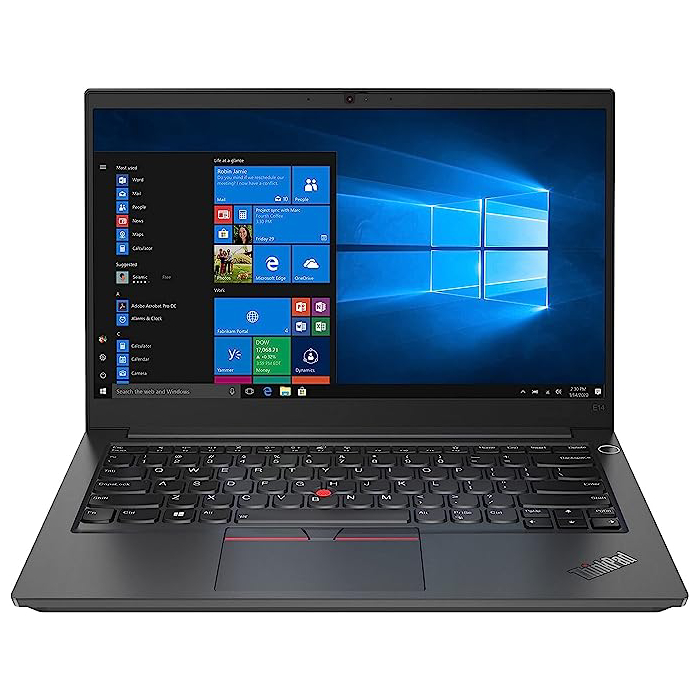
However, gaps remain. The Lenovo ThinkPad E14 Gen 5, while celebrated for its military-grade durability (MIL-STD 810H) and keyboard responsiveness, features a display that covers only 46.3% of the DCI-P3 color gamut. This serves as a reminder that within the $1,000 limit, consumers must still prioritize their needs: the ThinkPad is optimized for business reliability and security, whereas the Galaxy Chromebook is optimized for media consumption.
Strategic Implications and Consumer Guidance
The move toward higher-performance hardware at lower price points is not merely a marketing trend; it is a response to the increasing demands of modern software. With the integration of local AI processing—facilitated by Neural Processing Units (NPUs) found in the latest Intel and Apple silicon—laptops are now expected to handle background tasks that were once offloaded to cloud servers.
For the consumer, this creates a "sweet spot" for purchasing. When selecting a machine under $1,000, experts suggest prioritizing three specific pillars:
- Processor Architecture: Ensure the device uses a current-generation chip (Apple M4, Intel Core Ultra, or AMD Ryzen 8000 series). Older processors may struggle with the efficiency requirements of 2025 operating systems.
- Memory and Storage: 16GB of RAM has become the new baseline for comfortable multitasking. While 8GB systems exist, they are increasingly prone to performance bottlenecks when running multiple browser tabs or productivity applications.
- Portability vs. Utility: The market is currently bifurcated between ultra-portables (like the MacBook Air) and specialized machines (like the Acer Nitro 17). Buyers should determine if their mobility needs outweigh their desire for screen real estate and raw gaming performance.
Industry Outlook and Future Trends
The sustainability of this pricing model is contingent upon the continued scaling of semiconductor manufacturing. As Intel and AMD continue to refine their integrated graphics performance, the need for discrete GPUs in entry-level gaming laptops may diminish, potentially lowering the barrier to entry for gaming hardware even further.
Furthermore, the professional sector’s adoption of these "budget" machines is growing. The Lenovo ThinkPad E14 Gen 5 illustrates this trend; it provides essential business features—such as IR cameras for secure authentication, fingerprint readers, and physical webcam shutters—without the enterprise-level premiums of higher-tier ThinkPad X or T series models. This democratizes professional security and reliability, making them accessible to small businesses and individual freelancers.
In summary, the 2025 market for laptops under $1,000 is characterized by unprecedented performance-to-price ratios. While the "perfect" machine—one that possesses the battery life of a MacBook, the screen quality of an AMOLED display, the durability of a ThinkPad, and the graphical power of a gaming rig—does not yet exist in this price bracket, the options currently available are more than capable of satisfying 90% of the computing needs for the average user. Consumers should approach their purchase with a focus on specific use cases, leveraging the specialized strengths of the current product lineup to find the best fit for their professional and personal requirements.