Robotaxi companies need to figure out how their driverless cars can be less annoying for everyday drivers.

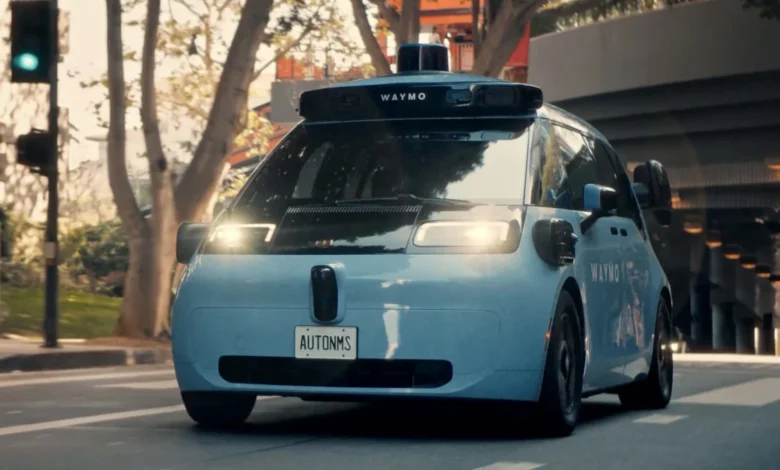
The rapid and aggressive commercial expansion of autonomous vehicle fleets across major metropolitan areas in the United States has inadvertently generated a friction point that city planners and mobility companies failed to anticipate. In neighborhoods spanning from Southern California to the Midwest, everyday electric vehicle owners are increasingly finding themselves locked in a logistical battle for a critical, finite urban resource: public fast-charging infrastructure.
As autonomous driving technology transitions from experimental novelty to mass-market utility, the operational growing pains of these driverless fleets are spilling over into the daily routines of human motorists. The root of the conflict lies in the intersection of exponential fleet growth, infrastructure deployment lags, and the fundamental mechanics of keeping electric robotaxis continuously operational on public streets.
The Ground Zero of the Charging Crunch
The epicenter of this burgeoning conflict has manifested vividly in San Diego, California, where local electric vehicle owners have reported arriving at public fast-charging stations only to find multiple stalls occupied simultaneously by fleets of autonomous robotaxis. According to reports from the region, private drivers attempting to secure a standard midday charge have faced unexpected delays stretching up to an hour, or have been forced to abandon their preferred locations entirely to hunt for alternative infrastructure.
"They come in droves," one disgruntled San Diego EV owner remarked to local media, describing the frustration of watching rows of autonomous vehicles parked indefinitely at high-speed charging hubs.
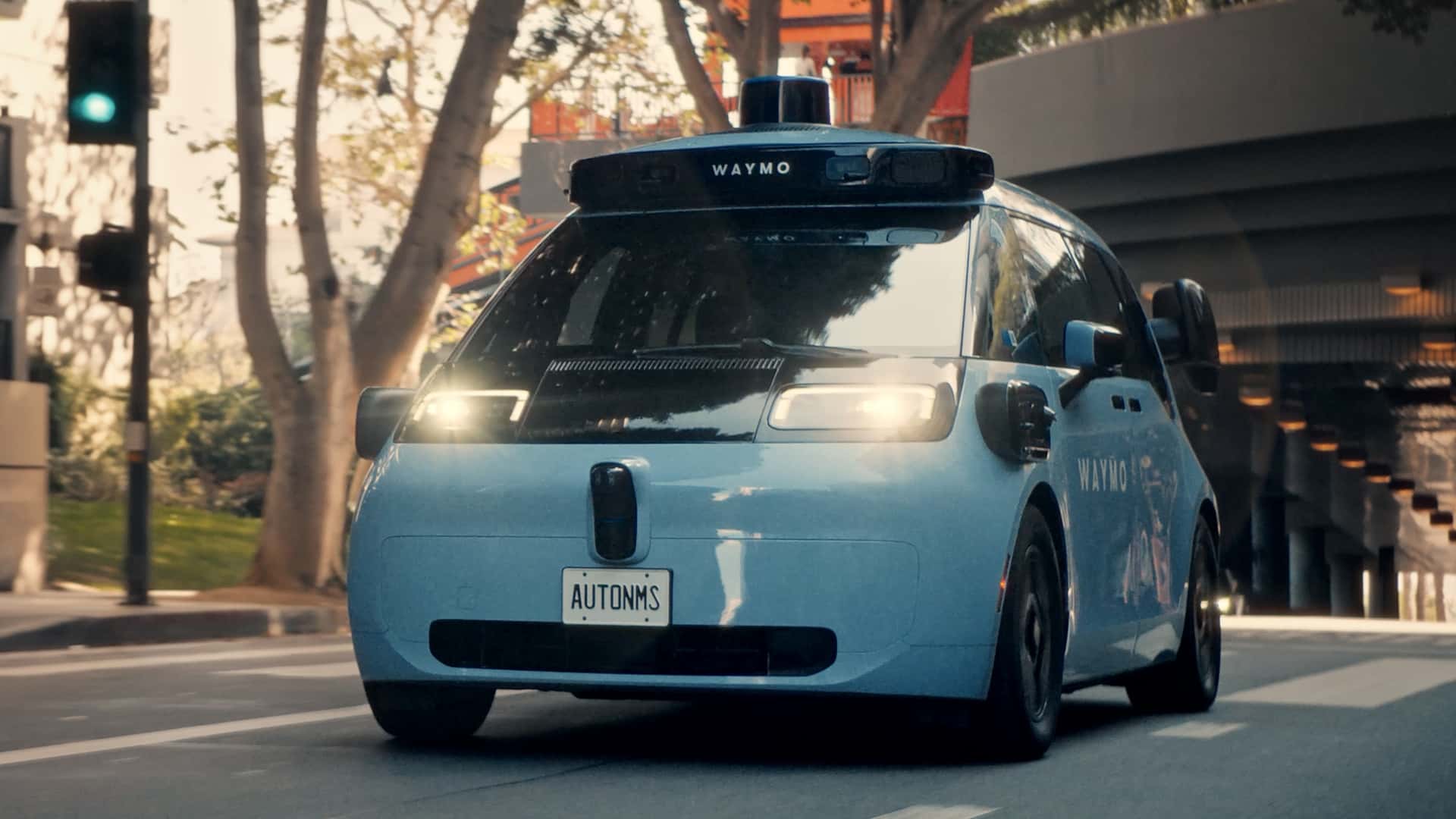
While Alphabet-owned Waymo—currently the dominant player in the American robotaxi sector—maintains dedicated private depots explicitly designated for vehicle maintenance, cleaning, and routine charging, these proprietary facilities are occasionally bypassed. When regional demand surges, geographical coverage outpaces depot construction, or vehicles require a rapid intermediate top-up during extended operational shifts, the autonomous fleet spills over into public charging ecosystems.
This phenomenon is not isolated to Southern California. Across various digital forums and community message boards, electric vehicle owners in cities such as Nashville, Tennessee, and St. Louis, Missouri, have voiced identical grievances, documenting instances of driverless vehicles occupying essential public stalls for extended intervals.
The Regulatory and Operational Reality
From a strictly legal and regulatory standpoint, the autonomous vehicle companies are not violating existing municipal codes or charging network policies. Representatives for charging network operators, such as EVgo, have confirmed that their public fast-charging stations are universally accessible to both private retail consumers and commercial enterprise fleets. Because these stations operate on a first-come, first-served open-access model, robotaxis plugging into public stalls are fully compliant with current operational frameworks.
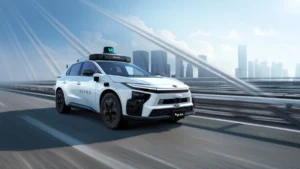
Waymo has defended its infrastructure utilization strategy by emphasizing that its primary reliance remains squarely on its own privately funded and purpose-built operations yards. Company spokespeople have noted that human safety drivers or operational staff occasionally relocate Jaguar I-Pace or Zeekr autonomous vehicles to public chargers during scheduled breaks or when managing localized logistical balancing across expanding service territories.
However, the speed at which autonomous vehicle companies are scaling their operations has drastically outpaced the physical timeline required to secure real estate, obtain commercial zoning permits, and construct dedicated high-capacity charging depots in newly launched metropolitan markets. When Waymo or its competitors enter a new city, the deployment of passenger-carrying fleets typically precedes the completion of localized infrastructure, forcing the autonomous vehicles to lean heavily on the existing public grid during their initial scaling phases.
A Multifaceted Neighborhood Nuisance
The occupation of charging stalls represents only one facet of a broader, mounting public relations challenge for autonomous vehicle operators. As fleets scale to tens of thousands of vehicles nationwide, the physical footprint of driverless cars is creating friction in residential and commercial districts alike.
In Santa Monica, California, local residents voiced sharp complaints regarding nocturnal noise pollution generated by Waymo fleets returning from overnight service shifts. Community members reported that vehicles staging or parking near temporary operational depots produced persistent auditory disturbances, including repetitive parking sensor beeping and flashing exterior illumination during late-night hours.
Similar spatial and operational anomalies have been documented in San Francisco, where dense concentrations of autonomous vehicles have occasionally experienced software loops or routing confusion. Most notably, local residents captured instances of driverless cars honking at one another in the dead of night outside localized staging areas, creating entirely novel forms of urban noise pollution that municipal noise ordinances were never written to address.
Economic and Logistical Implications
The tension between autonomous fleet operators and private motorists underscores a deeper economic vulnerability within the modern EV transition: the fragility of public charging infrastructure.
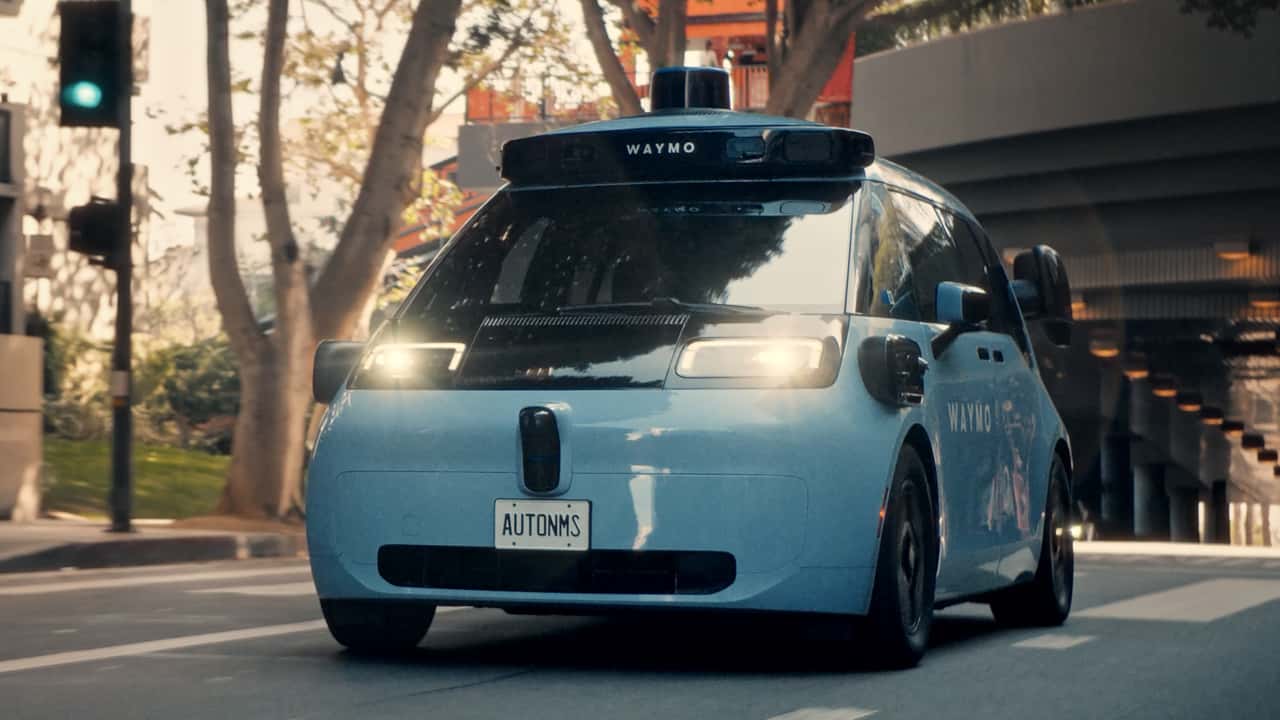
The United States is currently navigating a delicate transition period. While the adoption rate of battery-electric vehicles continues its upward trajectory, the deployment velocity of public fast-charging infrastructure frequently lags behind vehicle sales. Adding commercial, enterprise-grade autonomous fleets into this constrained ecosystem creates an immediate zero-sum competition for high-speed charging terminals.
For the average consumer who relies on public fast chargers due to a lack of home-charging access—such as apartment dwellers or urban renters—the loss of even a few charging stalls to a localized cluster of commercial robotaxis can disrupt a daily commute or professional schedule. When commercial entities with deep corporate backing compete directly with retail consumers for subsidized or publicly accessible utility grids, public resentment naturally bubbles to the surface.
Industry Scaling and Future Outlook
The scale of the impending challenge is underscored by Waymo’s aggressive corporate expansion roadmap. The company has publicly outlined plans to scale its active fleet to roughly 20,000 vehicles by the close of 2027, representing a massive multiplication of its current operational footprint across major U.S. urban centers like San Francisco, Phoenix, Los Angeles, Austin, Atlanta, and Miami.
As this fleet size quadruples over the next several years, the volume of energy required to sustain continuous, 24/7 autonomous ride-hailing operations will skyrocket. If the infrastructure deficit persists, reliance on public charging networks could shift from an occasional workaround to a structural bottleneck.
Industry analysts suggest that mitigating these community friction points will require a concerted shift in corporate strategy from autonomous operators. To preserve local goodwill and avoid regulatory backlashes, robotaxi companies will likely need to accelerate the establishment of dedicated, closed-loop charging depots prior to launching passenger services in new markets, rather than treating public infrastructure as a secondary safety net.
Concurrently, municipal governments and utility providers are being forced to re-evaluate how commercial fleets interact with public zoning and utility grids. Potential future policy interventions could include the establishment of commercial-only fast-charging corridors, time-of-use restrictions for non-retail fleets, or mandatory municipal infrastructure filings before an autonomous operator is granted commercial deployment permits.
Ultimately, while autonomous vehicle technology continues to demonstrate remarkable safety improvements and operational reliability compared to human drivers on a per-mile basis, earning the acceptance of everyday motorists will require more than algorithmic precision. It will require corporate neighborly awareness—ensuring that the mobility revolution does not leave human drivers stranded in the dark at an empty charging stall.
Related posts: