Dell remains a cornerstone of the personal computing industry, maintaining a significant presence in the market since the release of its inaugural laptop in 1989. As the company navigates the evolving landscape of 2025, it has implemented a sweeping overhaul of its product nomenclature, moving away from legacy identifiers like Inspiron, XPS, Precision, and Latitude. This strategic shift aligns Dell’s branding more closely with a tiered, simplified structure similar to the methodology employed by competitors like Apple. For consumers and enterprise clients alike, understanding these transitions is essential for navigating the current catalog of high-performance mobile hardware.

Historical Context and Brand Evolution
The Dell brand has long been synonymous with both corporate utility and consumer accessibility. From the viral "Dude, you’re getting a Dell" marketing campaigns of the early 2000s to the sustained dominance of the XPS series in premium review circles, the company has successfully balanced mass-market appeal with engineering excellence. However, the 2025 rebrand represents the most significant structural change in the company’s recent history.
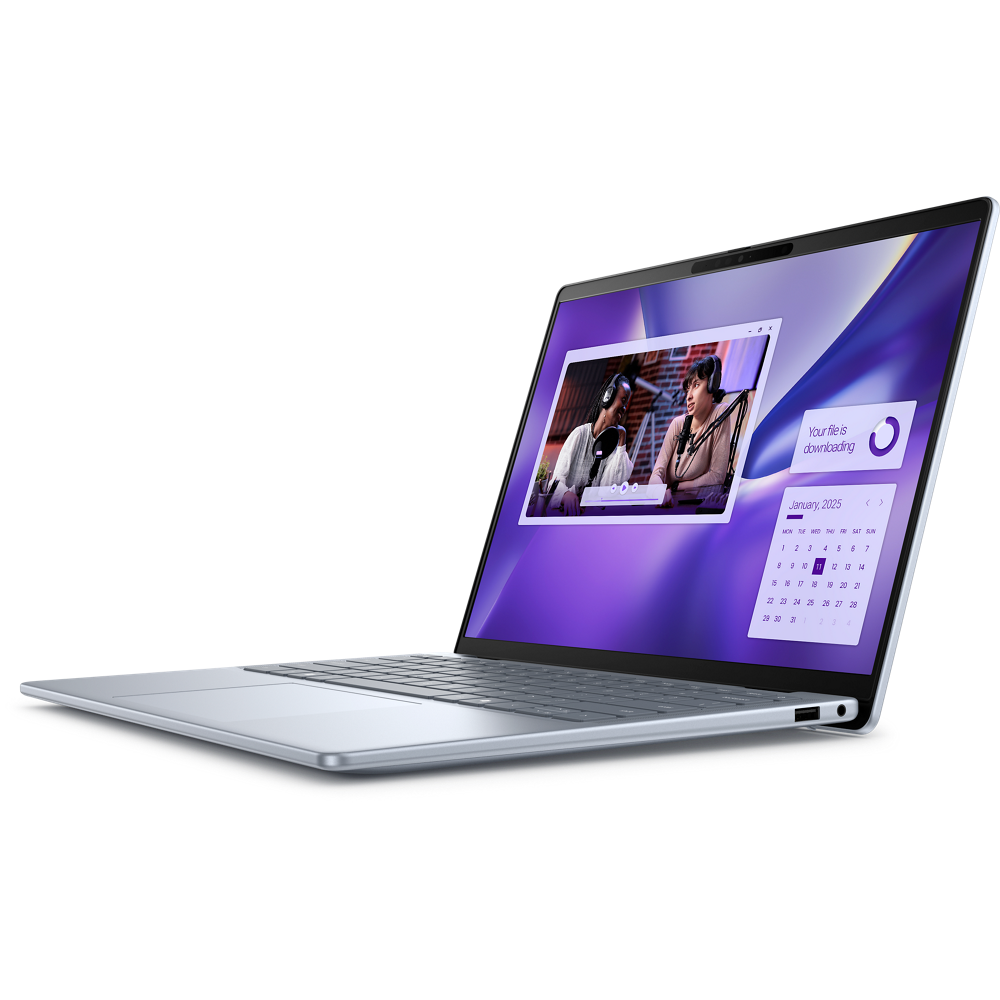
By consolidating its lineup into categories such as "Dell," "Dell Pro," and "Dell Pro Max," the manufacturer aims to reduce the friction often associated with technical product naming conventions. This transition does not necessarily signal a complete redesign of the underlying hardware, but rather a streamlined approach to product positioning. The "Dell" line, formerly Inspiron, continues to serve the budget and mid-range market, while "Dell Pro" replaces the reliable Latitude business series, and "Dell Pro Max" encompasses the workstation-grade Precision devices.
Top Performers in the 2025 Landscape
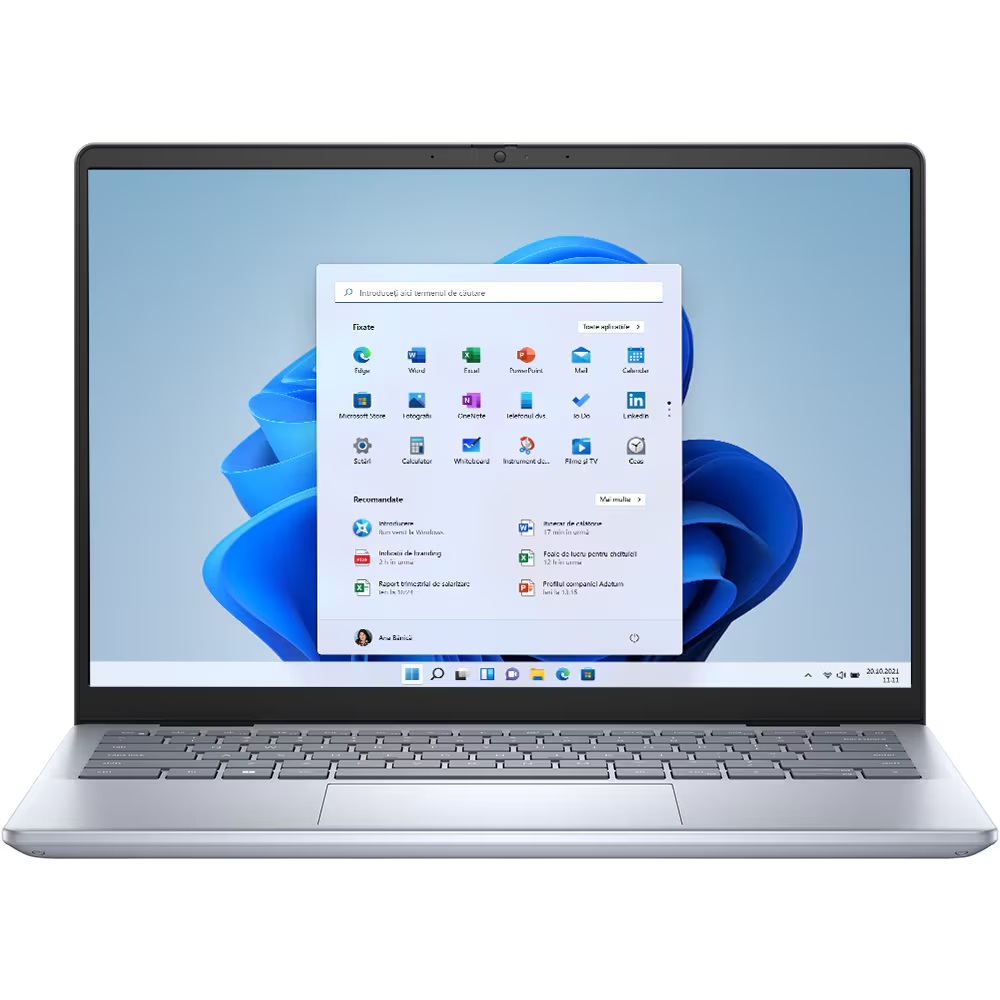
The current market offerings from Dell are characterized by a strong emphasis on efficiency, particularly through the adoption of Qualcomm’s Snapdragon X architecture and Intel’s latest Lunar Lake mobile processors.
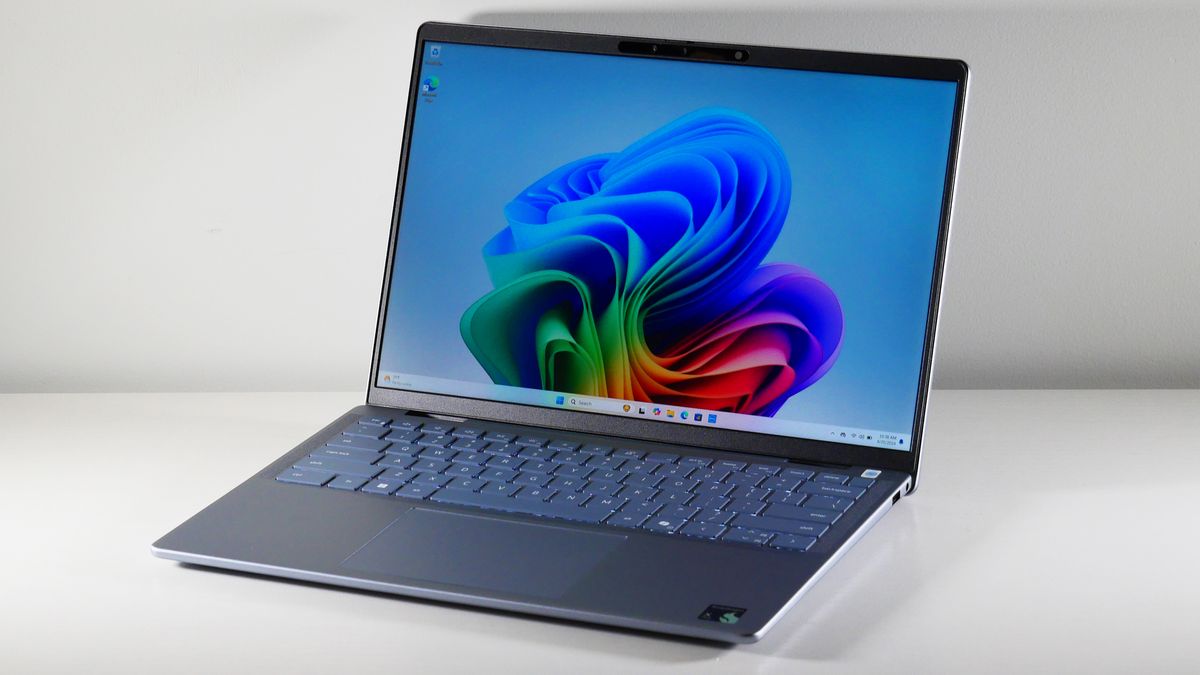
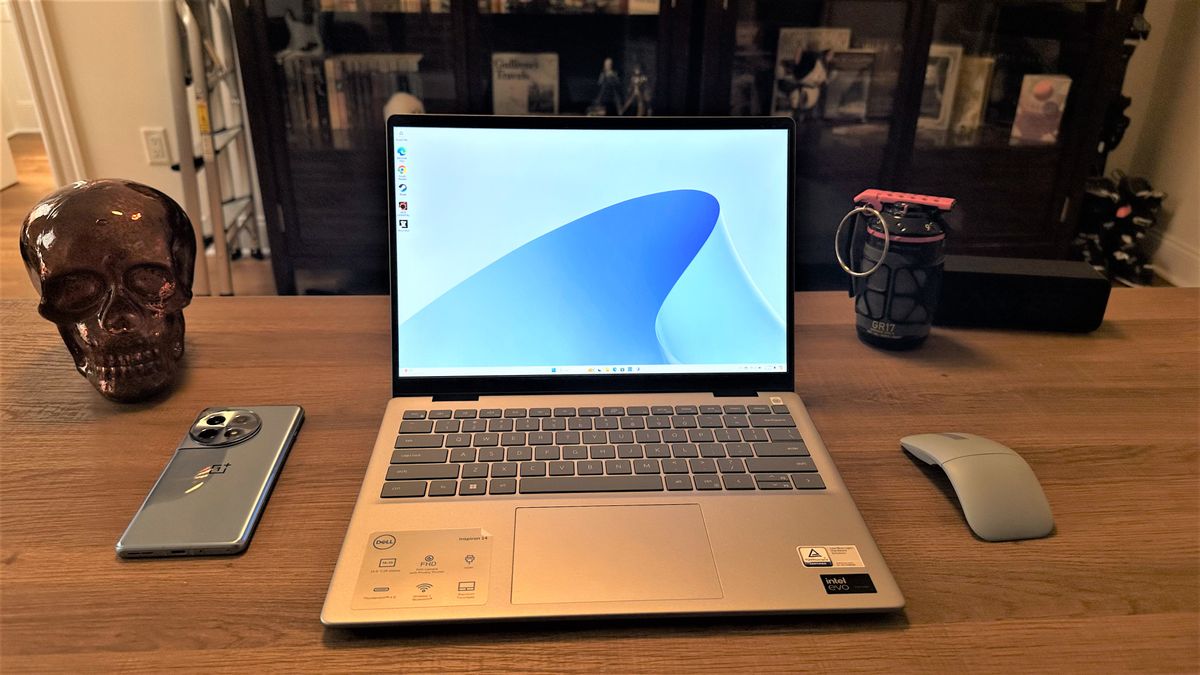
The Dell Inspiron 14 Plus (7441), powered by the Qualcomm Snapdragon X Plus, currently stands as the benchmark for the average user. It delivers a combination of thermal efficiency and battery endurance, frequently exceeding 18 hours of runtime in standardized testing. This model illustrates the growing viability of the Windows-on-ARM ecosystem, though users are cautioned to verify the compatibility of legacy or niche software before committing to an ARM-based architecture.
For those requiring traditional x86 performance, the Intel-based Inspiron 14 Plus (7440) remains a formidable budget contender. While it consumes more power and generates higher thermal output than its ARM-based counterpart, it provides superior graphics performance through its Intel Arc integration, making it better suited for light gaming and graphics-heavy tasks.
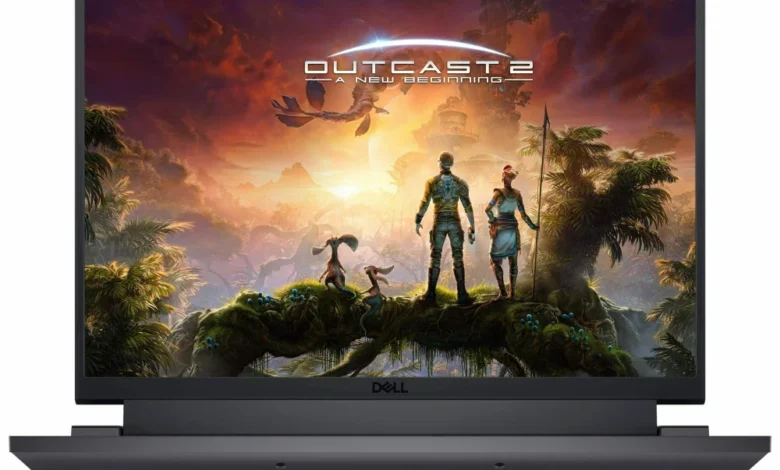
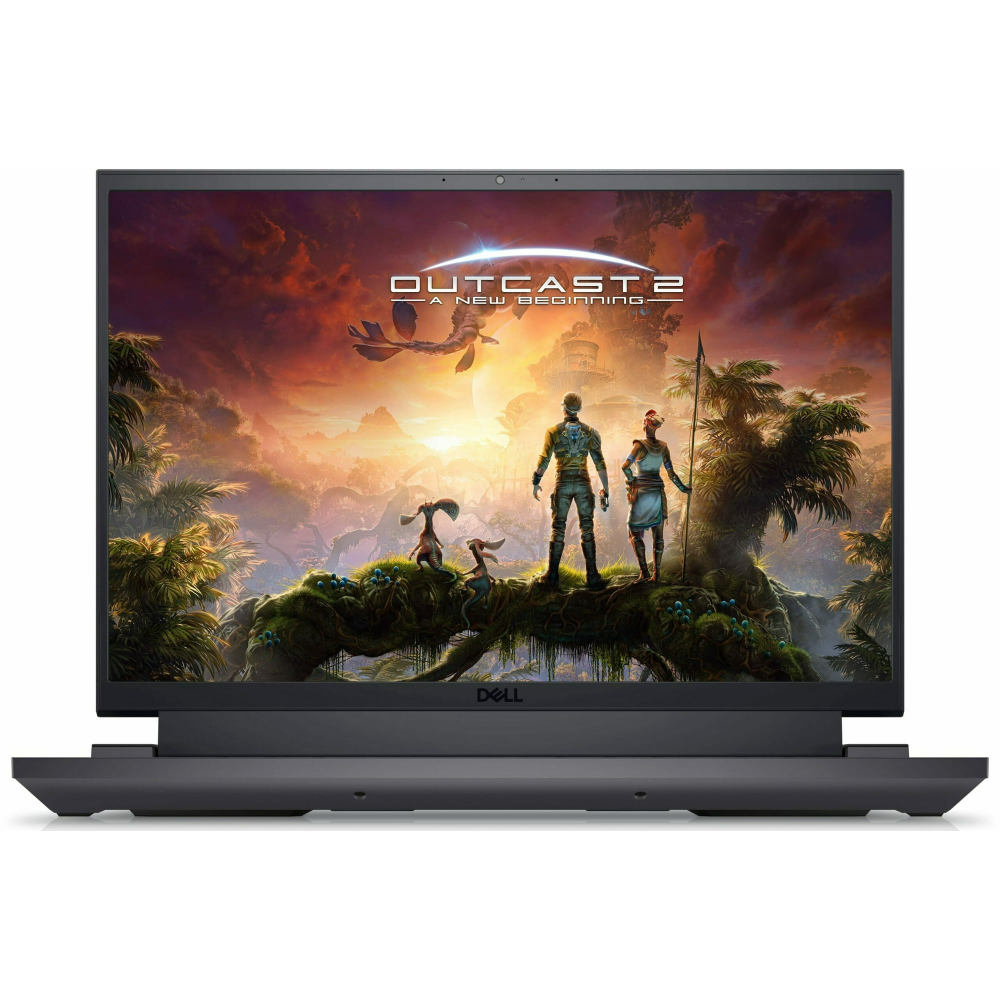
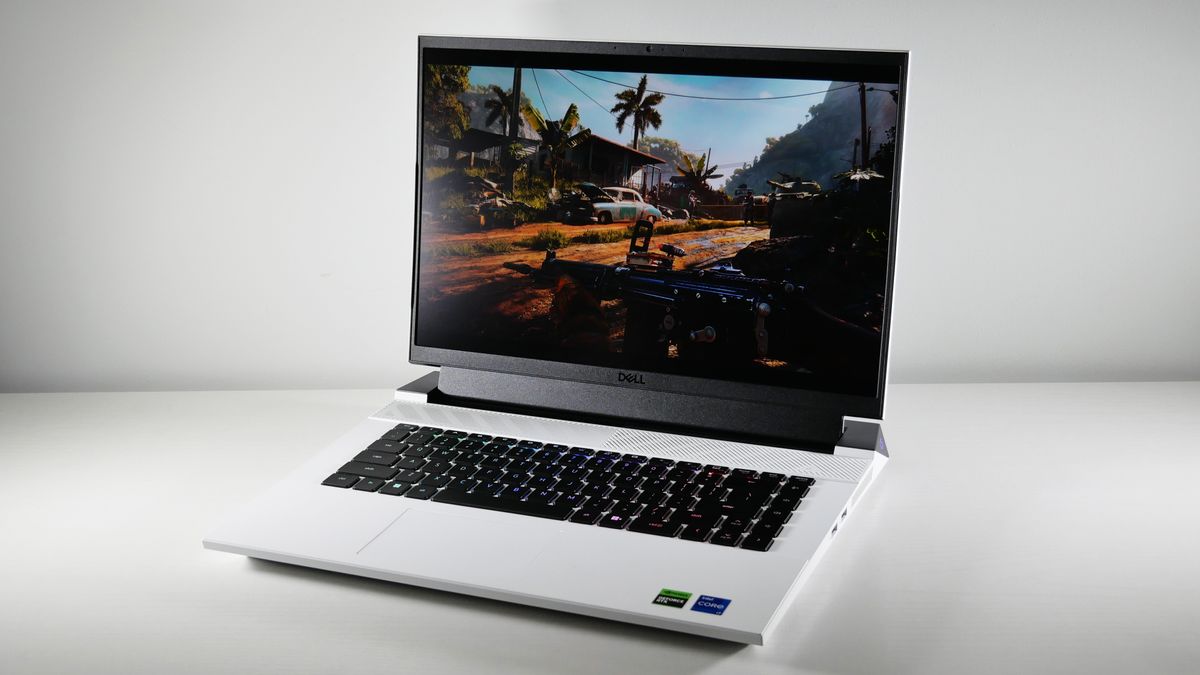
In the dedicated gaming segment, the Dell G16 (7630) continues to defy the expectations typically associated with sub-$1,000 gaming laptops. By incorporating premium features—most notably a Cherry MX tactile mechanical keyboard and a high-refresh-rate 240Hz IPS panel—the G16 maintains its status as an outlier in value. While its speakers and trackpad reflect budget-conscious design compromises, the core hardware performance remains highly competitive.
Premium Displays and Battery Longevity
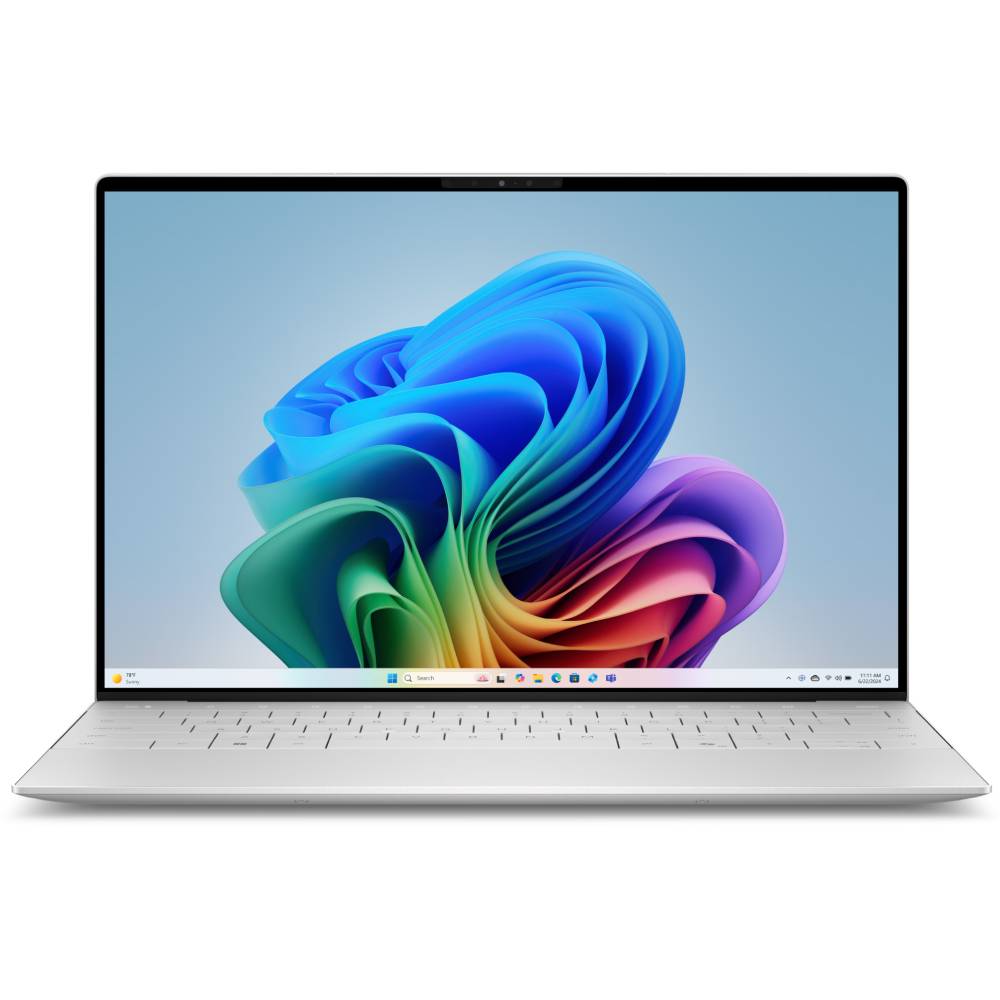
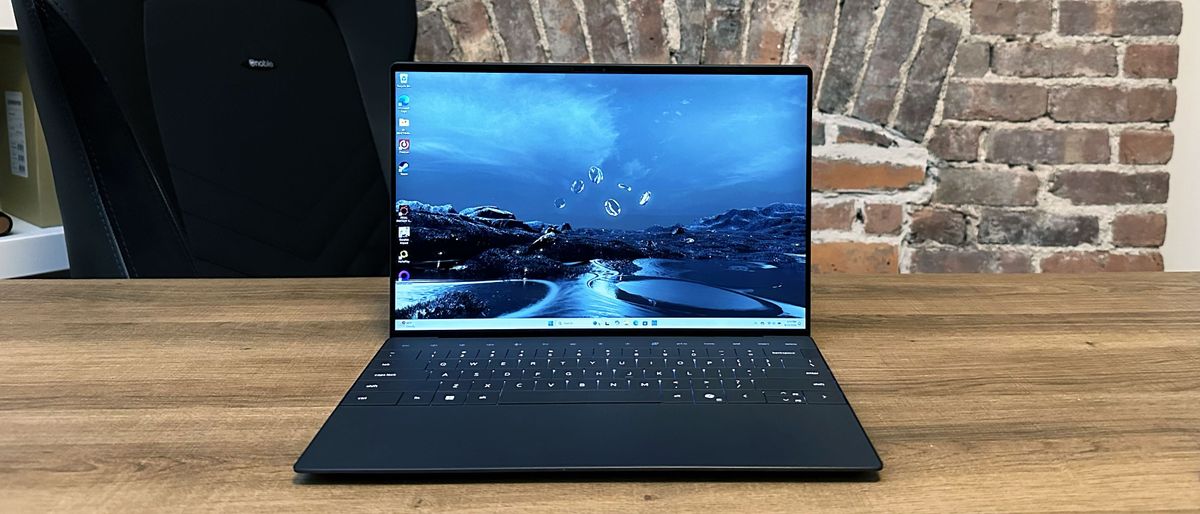
The XPS 13, now positioned within the "Dell Premium" tier, continues to set the standard for display technology. The 2024-2025 iteration featuring a tandem OLED panel achieves color gamut coverage exceeding 144% of the DCI-P3 spectrum. This makes it an essential tool for content creators who require precise color reproduction in a portable form factor.
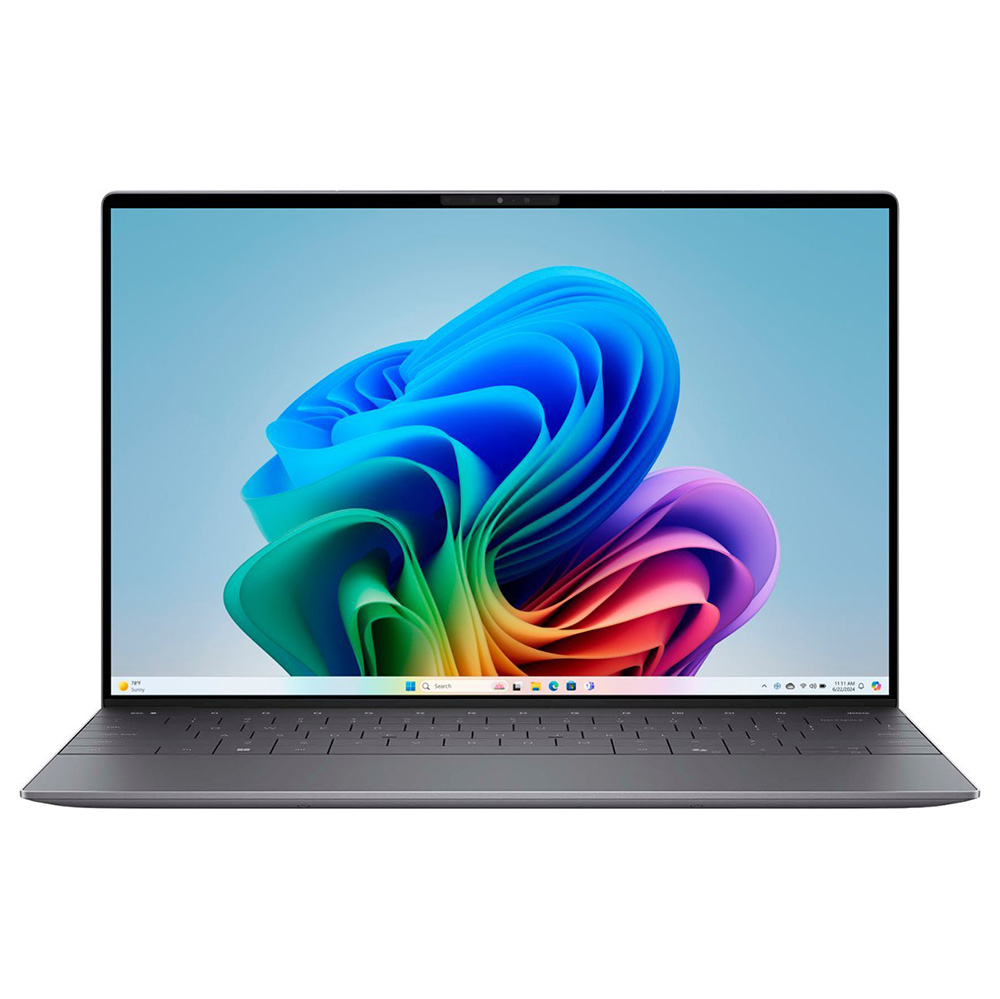
Conversely, the Snapdragon-equipped XPS 13 (9345) targets the "power user" who prioritizes battery life above all else. With recorded runtimes approaching 21 hours under web-browsing conditions, it stands as one of the longest-lasting devices currently available. This longevity is a direct result of the efficiency gains realized through the Snapdragon X Elite platform, which manages to outperform several Intel-based predecessors in multicore processing benchmarks while maintaining a lower power draw.
Analysis of New Product Naming and Market Implications

The simplification of product tiers is designed to aid customer decision-making, though it presents a temporary challenge for legacy users accustomed to the established brand names. The following breakdown illustrates how the 2025 branding translates to the former product lines:
- Dell (formerly Inspiron): The entry-level standard for daily productivity.
- Dell Plus (formerly Inspiron Plus): Enhanced performance tiers for multitasking.
- Dell Premium (formerly XPS): High-end chassis designs and superior display technology.
- Dell Pro (formerly Latitude): Business-class security and durability, spanning three sub-tiers (Pro, Pro Plus, Pro Premium).
- Dell Pro Max (formerly Precision): Workstation-class performance for 3D rendering and simulation, also spanning three sub-tiers.
This organizational shift suggests a company attempting to capture a broader market segment by removing the jargon that often alienates non-technical buyers. By aligning pricing with these tiers—starting at accessible price points for the standard Dell line and extending beyond $4,000 for high-end Dell Pro Max configurations—the company is positioning itself to compete directly across all segments, from students to enterprise engineers.
Technical Benchmarking and Methodology
Reliability in these assessments is grounded in a rigorous testing regimen. Laptop Mag and industry-standard labs employ a multi-step verification process for every device. This includes the use of colorimeters to verify display brightness and color accuracy, alongside synthetic performance benchmarks like Geekbench 6 to measure raw CPU and GPU capability.
Real-world simulations, such as 4K video transcoding and large-file data transfers, are used to gauge how these devices handle genuine professional workflows. Thermal management is assessed during prolonged stress tests to ensure that chassis temperatures remain within comfortable limits for lap usage. For battery performance, devices are subjected to continuous web browsing at fixed brightness levels, providing a normalized data set that allows for direct comparisons between disparate processor architectures.
Broader Industry Impact
The manufacturing footprint of Dell remains global, with facilities in Austin, Texas, continuing to serve as a hub for assembly, while international manufacturing centers in China and Ireland manage a significant portion of global distribution. This multi-continental supply chain strategy is designed to mitigate the risks of regional logistics disruptions, a lesson learned during the supply chain instabilities of the early 2020s.
The move toward ARM-based computing, as evidenced by the performance of the Snapdragon-powered models, reflects a broader industry trend of moving away from the "power-at-all-costs" philosophy of the past decade. Manufacturers are increasingly incentivized by consumer demand for all-day battery life and cooler-running machines. As Intel and AMD continue to refine their architectures to compete with these efficiency gains, the end consumer benefits from a wider array of high-performance, low-heat options.
Final Considerations for Consumers
For those currently in the market for a new device, the transition period between the old and new branding may yield significant value. Discounts on legacy-named models, such as the older XPS or Latitude units, are frequent as retailers clear inventory to make space for the newly branded "Dell" and "Dell Pro" lineups.

Prospective buyers should prioritize their primary use case:
- For general productivity and students: The standard Dell or Dell Plus models offer the best balance of cost and capability.
- For professional content creators: The Dell Premium (formerly XPS) line remains the gold standard for screen quality and aesthetics.
- For heavy-duty rendering and engineering: The Dell Pro Max (formerly Precision) series is the only appropriate choice for sustained workstation loads.
- For enterprise deployment: The Dell Pro (formerly Latitude) series offers the necessary security features and long-term support cycles required by IT departments.
As 2025 progresses, the influx of new models will continue to refine these categories. Potential buyers are encouraged to consult updated performance reviews, as the rapid pace of mobile chip development means that benchmarks can shift significantly within a single calendar year. By maintaining a focus on individual requirements—whether that is gaming performance, color-accurate displays, or industry-leading battery life—consumers can leverage these branding changes to identify the hardware that best fits their specific professional or personal needs.