Global Wildfires and Earthquakes Leave a Trail of Devastation and Haunting Images

The week’s news cycle has been dominated by stark, almost apocalyptic imagery, not from Hollywood scripts, but from the grim reality of devastating wildfires and seismic events across the globe. Photojournalists have captured a series of powerful images that illustrate the profound impact of these natural disasters, from the choking haze of smoke blanketing major cities to the somber aftermath of catastrophic earthquakes. These visual narratives underscore the urgent need for global action on climate change and disaster preparedness.
The Pervasive Reach of Wildfire Smoke
Wildfires, exacerbated by abnormally high temperatures, have raged across multiple continents, creating not only immediate destruction but also widespread atmospheric challenges. Canada, France, Italy, Spain, and Portugal have been particularly hard-hit, with infernos consuming vast tracts of land and displacing communities. The smoke generated by these blazes has traveled thousands of miles, significantly impacting air quality and visibility in urban centers far removed from the fire lines.
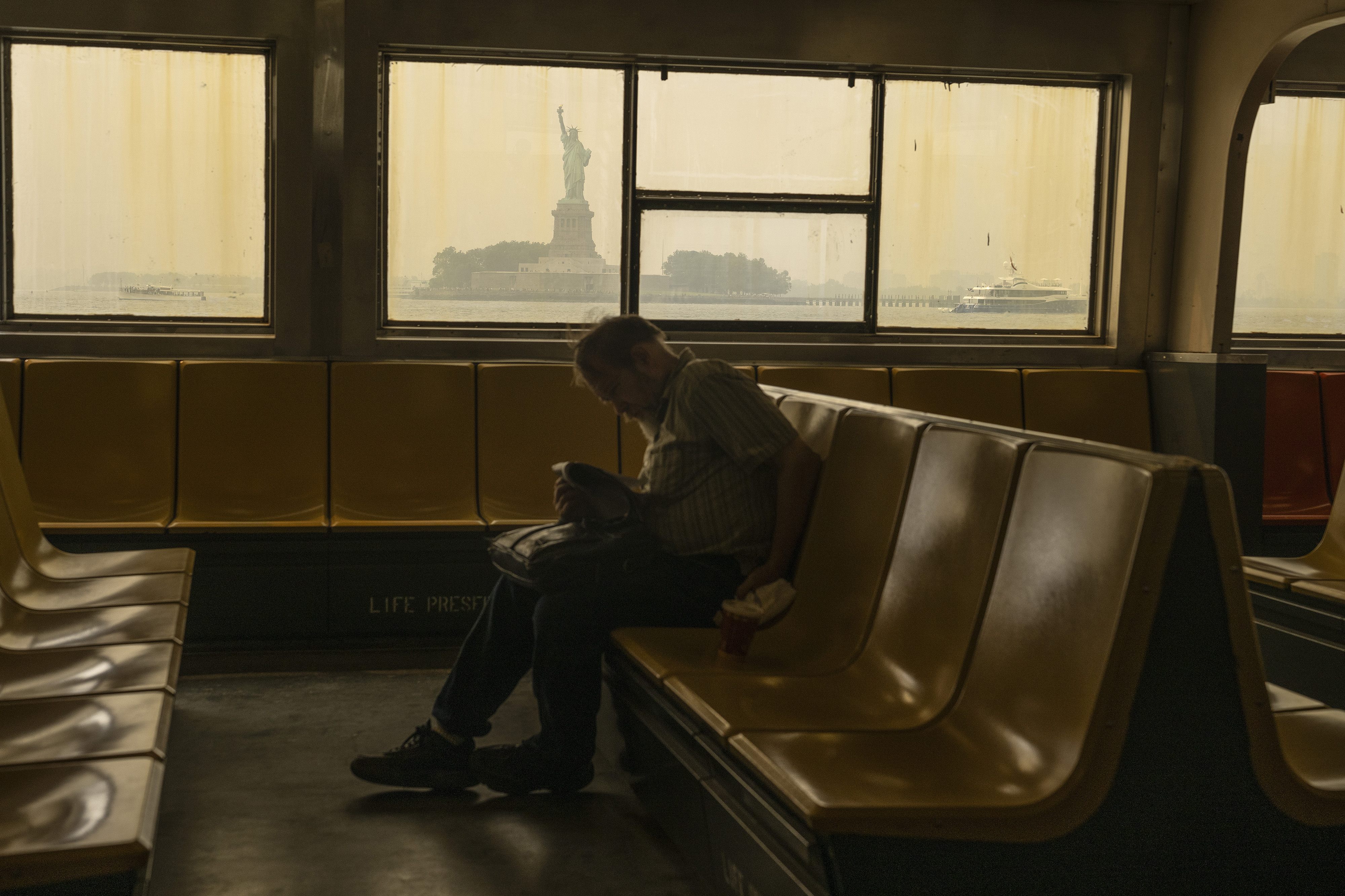
One of the most striking visual testaments to this phenomenon is the photograph capturing the Statue of Liberty in New York City, shrouded in a thick, yellowish haze. Taken from the Staten Island Ferry by David Ramos of Getty Images on July 16, 2026, the image juxtaposes an iconic symbol of freedom and immigration with the oppressive atmosphere caused by Canadian wildfire smoke. The East Coast of the United States and much of Canada have been under air quality advisories, with temperatures reaching concerning levels, further intensifying the public’s awareness of the environmental crisis. The photo’s composition, with a single silhouetted figure on an otherwise empty ferry, amplifies the sense of unease and isolation. While the smoke itself is an invisible threat, its tangible presence in such a recognizable landmark serves as a potent visual metaphor for the far-reaching consequences of climate-driven disasters.
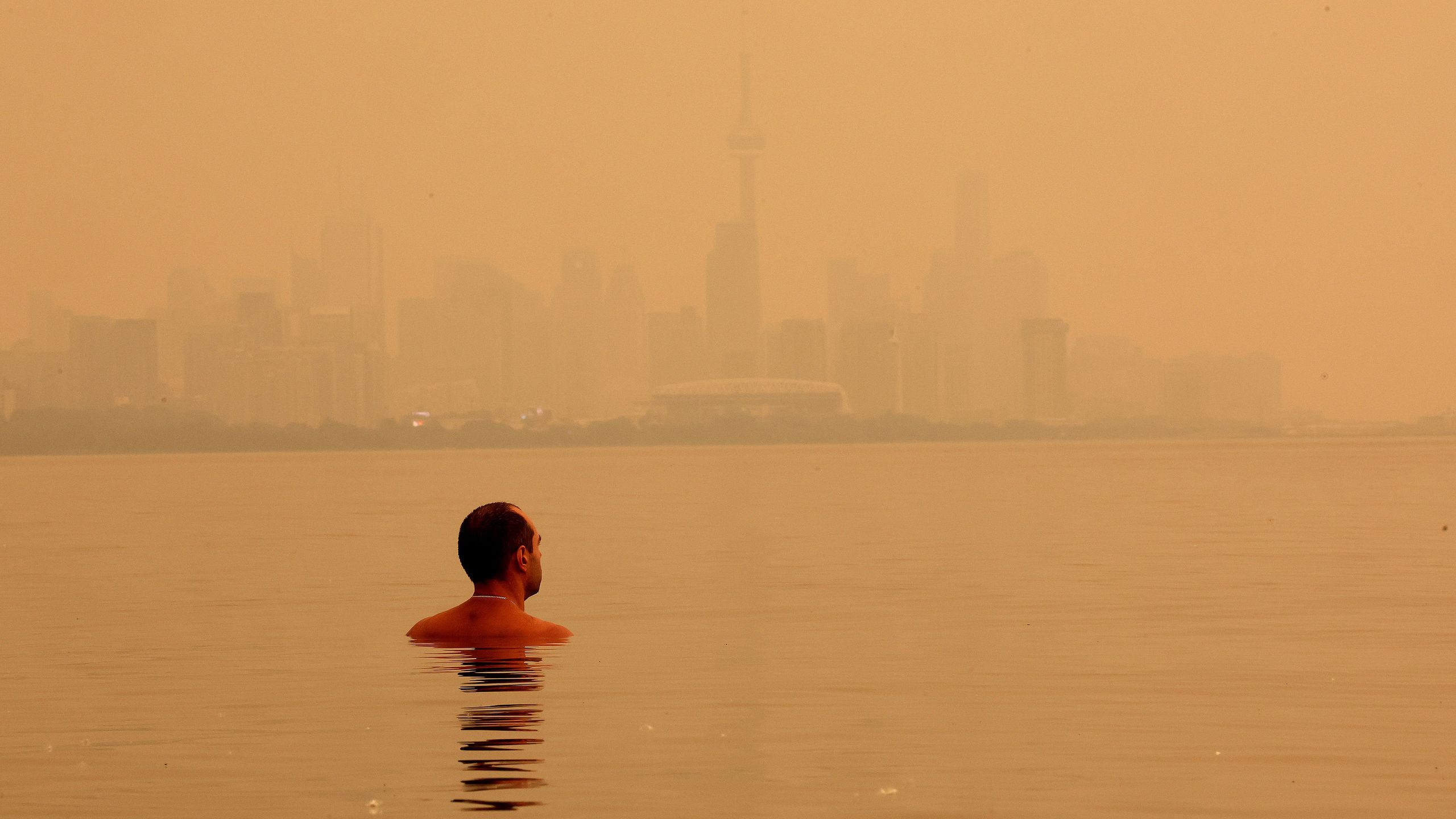
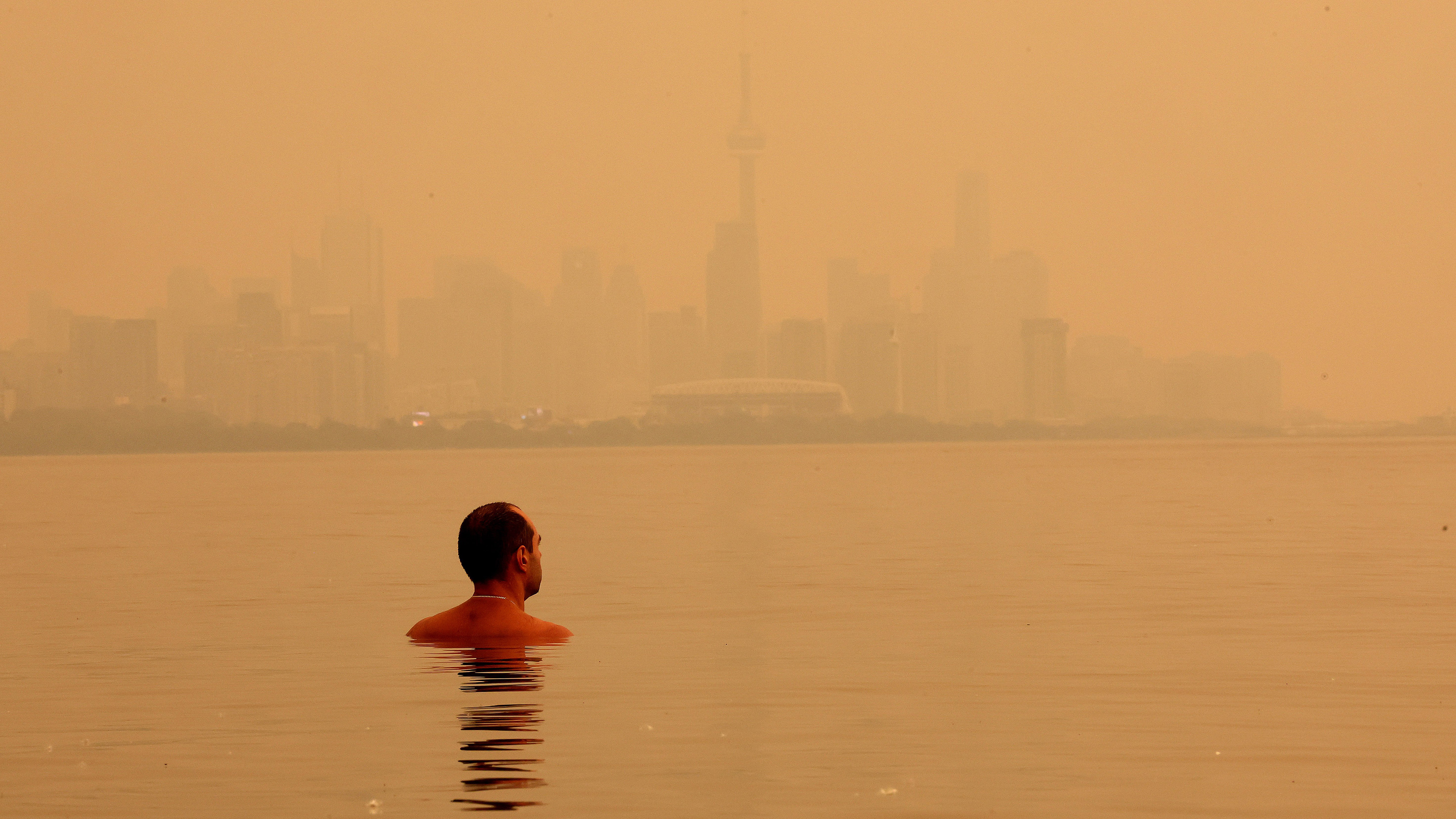
Similarly, Steve Russell of the Toronto Star captured a poignant scene in Toronto on July 15, 2026. The photograph depicts a lone swimmer in Humber Park West, seeking respite from the heat, with the city’s skyline barely visible through a dense, smoky veil originating from Northern Ontario forest fires. The tight framing of the image emphasizes the individual’s solitary experience against the backdrop of a city under siege by atmospheric pollutants. This image, while seemingly focused on a recreational activity, powerfully conveys the pervasive nature of the wildfire smoke and its ability to transform familiar urban landscapes into alien, almost post-apocalyptic vistas. The palpable sense of heat, even through the photograph, adds another layer of environmental distress to the scene.
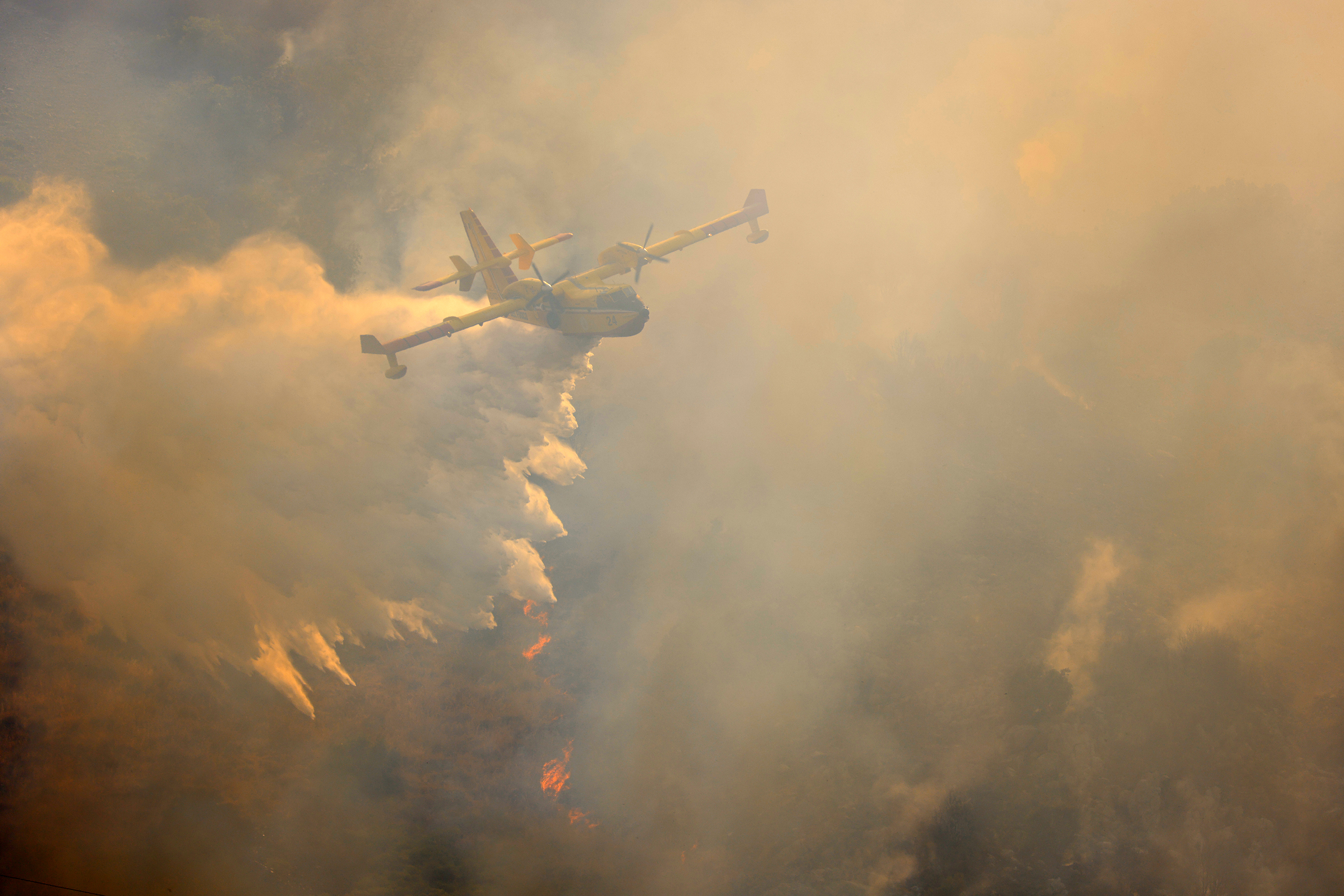
The intensity of these fires has necessitated a significant response from firefighting crews worldwide. In Italy, Alberto Lo Bianco documented the aerial battle against a wildfire on the slopes of Mount Longa near Palermo, Sicily, on July 15, 2026. The image shows a firefighting aircraft releasing its water payload onto the flames, a dramatic display of human intervention against a formidable natural force. While the broader impact of wildfires often focuses on air quality and evacuations, this photograph highlights the direct, dangerous work undertaken by pilots and ground crews to contain these infernos, often under challenging wind conditions that can rapidly spread the blazes. The ongoing nature of such incidents underscores the persistent threat posed by these fires, particularly in regions experiencing prolonged dry spells and high temperatures.
The Lingering Scars of Earthquakes
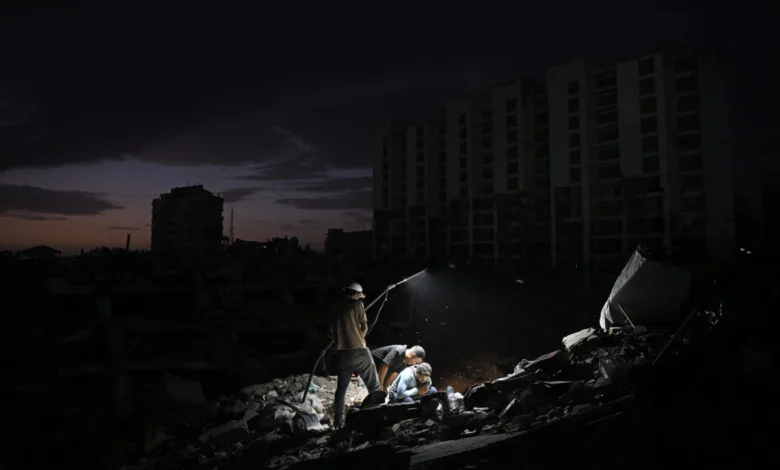
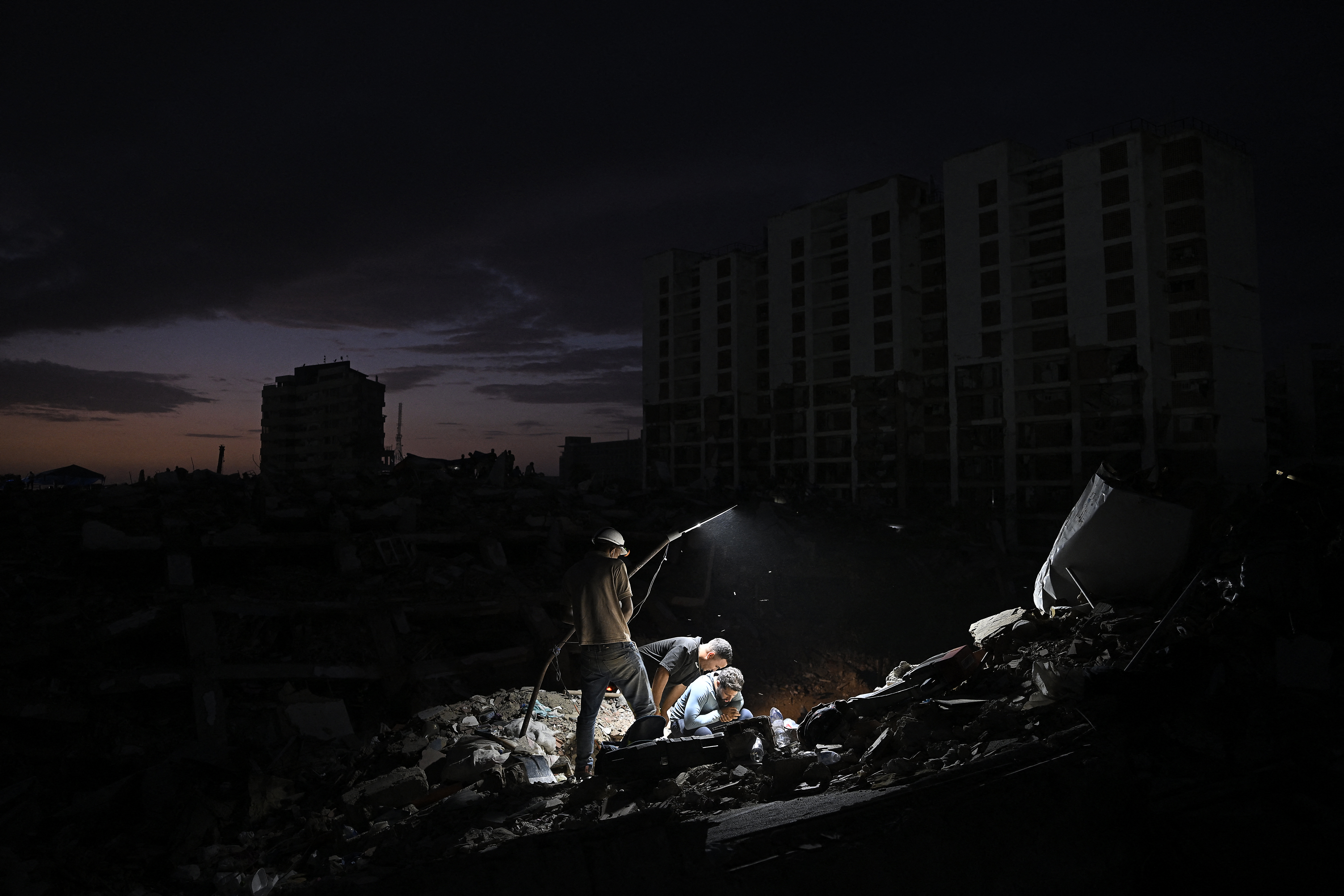
Beyond the smoke-filled skies, the earth itself has delivered devastating blows. The twin earthquakes that struck Venezuela last month, while occurring prior to the timeframe of these photographs, continue to leave a trail of destruction and sorrow. A photograph taken by Federico Parra for AFP on July 16, 2026, offers a haunting glimpse into the aftermath in Caraballeda, La Guaira state. The image captures volunteers and relatives of victims sifting through the rubble of a collapsed building, their search illuminated by a single, high light. This stark contrast between light and shadow draws the viewer’s attention to the immense devastation while emphasizing the ongoing, desperate search for loved ones. Official reports this week confirmed that the death toll from the earthquakes had surpassed 4,800, with over 16,740 injured and nearly 21,000 displaced. This photograph serves as a somber reminder of the human cost of seismic events and the long road to recovery for affected communities.
A Spectrum of Tragic Events Captured
The week’s photographic highlights extend to other tragic events, including a shooting incident in Biddeford, Maine, on July 13, 2026. Ryan Murphy’s photograph captures a stark message scrawled on the pavement: "This is blood." The words mark the scene of a fatal shooting involving U.S. Immigration and Customs Enforcement (ICE) agents, which resulted in the death of 26-year-old Joan Sebastian Guerrero from Colombia. The message, written in chalk, serves as a raw and immediate statement from a community grappling with violence and loss. This image, alongside reports of a similar fatal shooting in Houston, Texas, just days prior, highlights the complex and often tragic intersection of immigration policy, law enforcement, and human lives. The photograph’s power lies in its simplicity, transforming a public space into a site of protest and remembrance, speaking volumes where words alone might fall short.
Broader Implications and Analysis
The confluence of these events – widespread wildfires, a significant earthquake, and a fatal law enforcement shooting – paints a picture of a world facing multiple, interconnected crises. The wildfires, undeniably linked to rising global temperatures and climate change, underscore the urgent need for more robust environmental policies and international cooperation. The extreme weather patterns fueling these fires are predicted to become more frequent and intense, posing a significant threat to ecosystems, economies, and human health.
The earthquake in Venezuela serves as a stark reminder of the planet’s geological volatility and the critical importance of disaster preparedness and resilient infrastructure. The long-term impact of such events includes not only immediate loss of life and property but also the potential for widespread displacement, economic disruption, and psychological trauma.
The shooting incident in Maine, while a localized tragedy, taps into broader societal issues surrounding immigration, law enforcement accountability, and the often-violent consequences of policy enforcement. The photographic evidence of protest and grief in this context highlights the power of visual media to document and amplify the voices of those affected by such events.
In aggregate, the photographs captured this week serve as a powerful visual archive of a world grappling with significant challenges. They are not merely news reports; they are testaments to human resilience, the devastating power of nature, and the critical need for collective action to address climate change, enhance disaster preparedness, and foster more just and equitable societies. As photojournalists continue to bear witness to these unfolding events, their work serves as an indispensable tool for informing the public, shaping discourse, and driving the necessary changes to confront the complex realities of the 21st century. The visual narratives of smoke-filled skylines, earthquake-ravaged landscapes, and the stark messages of protest demand our attention and underscore the interconnectedness of the global challenges we face.