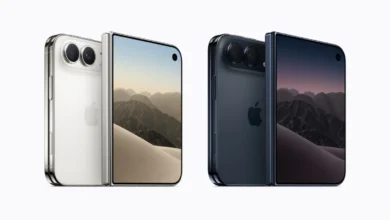
The launch of the iPhone Duo and the widening divide in Apple’s multitasking philosophy marks a pivotal shift in Cupertino’s mobile strategy.

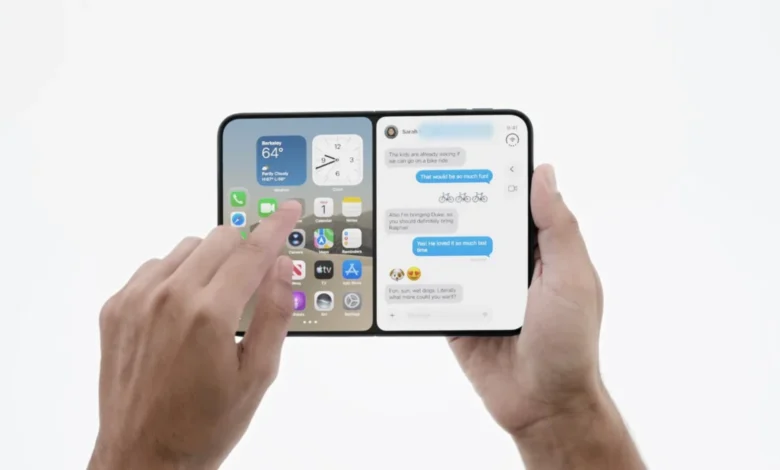
This week’s highly anticipated Apple event in September 2026 served as the stage for the debut of the company’s first-ever foldable device, the iPhone Duo. While the hardware itself represents a breakthrough in material science and engineering, the software implementation has sparked a critical debate regarding Apple’s long-term vision for productivity across its mobile ecosystem. Specifically, the elegance of the multitasking interface on the iPhone Duo has drawn unfavorable comparisons to the current, more complex state of iPadOS 27.
A New Era for Apple Hardware
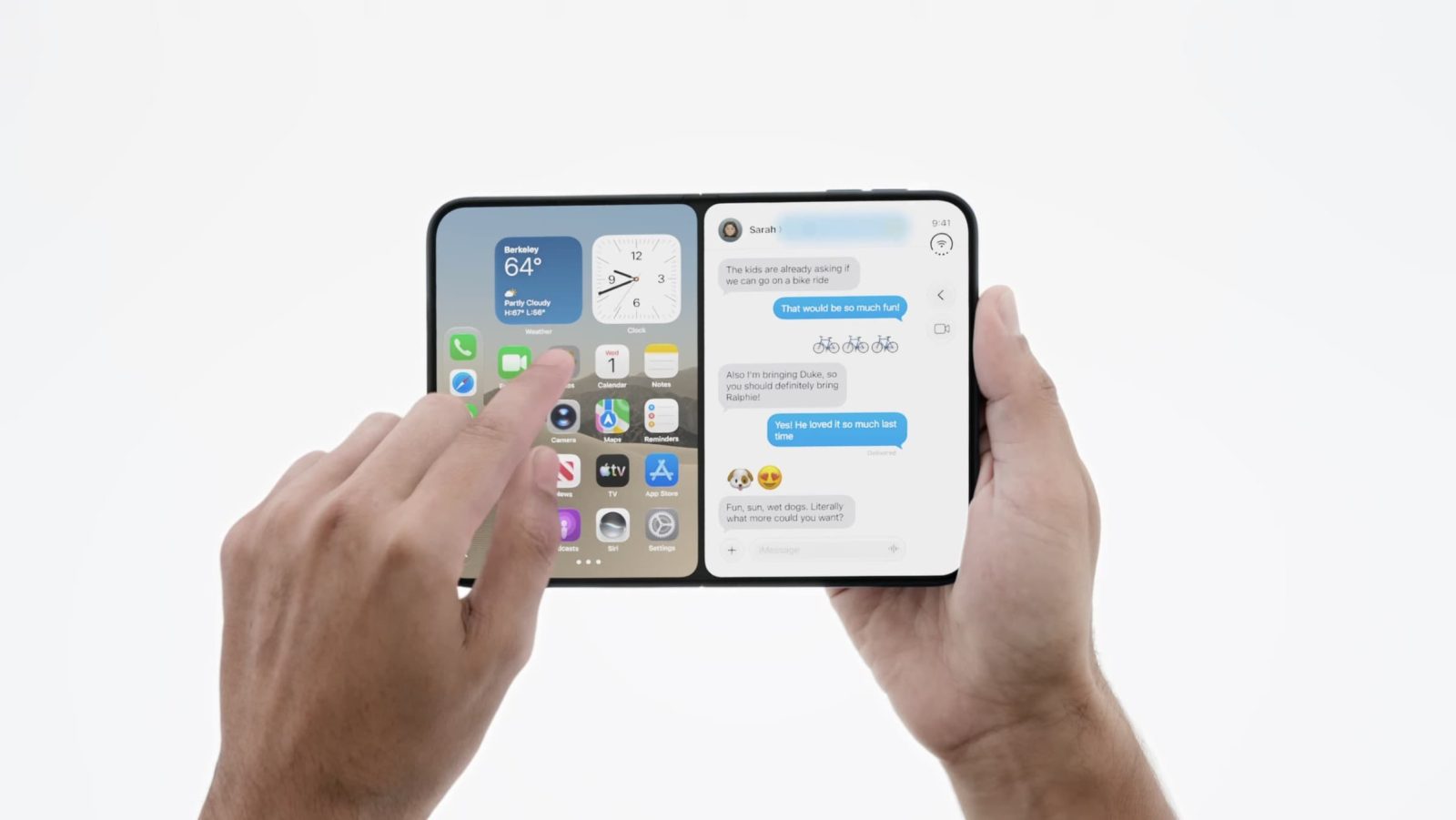
The introduction of the iPhone Duo follows years of speculation regarding Apple’s entry into the foldable market. The device features a hinge mechanism that allows for a seamless transition between a compact smartphone form factor and an expansive, tablet-like display. The primary innovation lies in how the operating system manages this transition. Unlike traditional smartphones that rely on rigid window management, the iPhone Duo utilizes a dynamic interface that prioritizes split-screen functionality and intuitive app pairing.
During the event, Apple executives emphasized the "fluidity" of the user experience, highlighting how the device allows users to maintain a clear view of their home screen while simultaneously running two applications. This approach effectively lowers the barrier to entry for complex workflows, allowing users to toggle between tasks with minimal cognitive load.
The Evolution of iPad Multitasking
The discourse surrounding the iPhone Duo is inextricably linked to the trajectory of the iPad. Since the release of iPadOS 26, Apple has shifted its tablet operating system toward a "windowed" paradigm. This design choice, while intended to mimic desktop-class computing, has faced criticism for its lack of flexibility.
The progression of iPad multitasking can be traced through several key software milestones:
- Pre-2025: The era of basic Slide Over and Split View, which, while limited, offered a simple binary approach to managing two tasks.
- Late 2025 (iPadOS 26): The introduction of a full-windowing system, requiring users to commit to a more complex desktop-like environment.
- Late 2025/Early 2026 (iPadOS 26.2): Re-introduction of legacy-style split-screen features, though these remained anchored to the underlying windowing engine, creating a "best of both worlds" compromise that many power users found cumbersome.
- Late 2026 (iPadOS 27): The current iteration continues to lean heavily into the windowing-first approach, which often forces users to navigate complex UI layers even for simple tasks.
For many, the transition to iPadOS 26 represented an "all-or-nothing" scenario. Users were forced to choose between the simplicity of full-screen app usage or the complexity of windowing. While the latter is undeniably powerful for users connected to external displays or Magic Keyboards, it remains a point of friction for those using the iPad as a standalone handheld device.
Comparative Analysis: iPhone Duo vs. iPad Mini
The critique of the current iPad software is perhaps most acute when comparing the iPad mini to the iPhone Duo. These devices share a similar physical footprint, yet their software experiences diverge significantly.
The iPhone Duo’s multitasking system allows for the simultaneous display of a video alongside a productivity application—a feature that remains notably absent or restricted on the iPad mini. In the context of mobile computing, where the goal is often rapid task switching and information synthesis, the iPhone Duo’s approach appears more refined. By allowing users to save specific "app pairs," Apple has created a workflow that feels native to the foldable form factor.
Industry analysts note that the iPad mini, despite being a mature product line, suffers from a "one-size-fits-all" software strategy. While Apple has attempted to scale iPadOS to accommodate both the 13-inch iPad Pro and the 8.3-inch iPad mini, the complexity of the multitasking UI often feels disproportionate when used on the smaller, handheld screen of the mini.

Technological Implications and Design Philosophy
At its core, the disparity between these platforms stems from the shared DNA of the underlying operating systems. Both the iPhone and iPad operate on variants of the same foundational software. However, the implementation of that software is becoming increasingly siloed.
The engineering challenge for Apple is clear: how to provide a high-power, desktop-adjacent experience on larger iPads without compromising the accessibility of smaller, touch-first devices. The iPhone Duo demonstrates that Apple has already developed a simplified, highly efficient multitasking engine that bypasses the "windowing" overhead. The question remains why this architecture has not been unified across the iPad lineup.
There is a technical argument that certain iPad features require a more robust, persistent windowing system to support professional-grade accessories. However, market feedback suggests a growing segment of the user base finds the current system "hostile" to those operating without peripherals like the Magic Keyboard. For the casual user or the student, the complexity of managing floating windows can impede rather than assist productivity.
Market Reaction and Future Outlook
Following the September event, reaction from the developer community and long-term Apple users has been mixed. While the hardware innovation of the iPhone Duo is universally praised, the software discrepancy has led to calls for a "lite" version of multitasking for smaller iPad models.
If the iPhone Duo is to be considered the new standard-bearer for mobile innovation, it is likely that the software lessons learned from its development will eventually permeate the rest of the ecosystem. The ability to save app pairs and the simplified split-screen interface are features that would arguably increase the utility of the iPad mini and the 11-inch iPad Air immediately.

Apple’s long-term strategy appears to be a delicate balancing act. By keeping the iPadOS experience distinct, they maintain the tablet’s position as a premium productivity tool. Yet, by introducing a more intuitive multitasking layer on the iPhone Duo, they have inadvertently highlighted the limitations of the current tablet interface.
The Path Forward
Looking ahead to future iterations of iPadOS, the integration of features pioneered by the iPhone Duo seems like a logical, if not necessary, step. Apple has a history of cross-pollinating features between its platforms—a process often referred to as "feature convergence." Given the similarities in screen real estate between the iPhone Duo in its expanded state and the iPad mini, the technical barriers to bringing this simplified multitasking to the tablet are likely minimal.
The next few months of software updates will be critical. If Apple opts to maintain the current trajectory, the divide between the "pro" experience and the "consumer" experience on the iPad will likely continue to widen. Conversely, if the company chooses to adopt the more elegant, user-friendly multitasking of the iPhone Duo, it could revitalize the iPad mini as the premier choice for portable, efficient computing.
As it stands, the iPhone Duo has set a new benchmark for mobile software design. It has challenged the notion that more complex multitasking requires more complex UI, proving instead that the most effective tools are those that remain invisible to the user. For Apple, the challenge will be to ensure that its flagship tablet line continues to benefit from these advancements, ensuring that the iPad remains a user-friendly, highly capable, and cohesive part of the Apple ecosystem. Whether through a major OS update or a series of incremental improvements, the pressure to harmonize these experiences is higher than ever.